

Maddy summaryHB 1864 requires health plans issued or renewed on or after January 1, 2026, to cover ground ambulance transport to non-emergency facilities like urgent care clinics, mental health centers, or substance use disorder programs. It amends existing laws to mandate this coverage for behavioral health emergencies (effective January 1, 2025) and establishes reimbursement rules for medical assistance programs. The bill directly affects health insurers, ambulance services, and patients seeking non-emergency care. It creates a policy change ensuring coverage for transport to these facilities without requiring prior authorization for emergency situations.
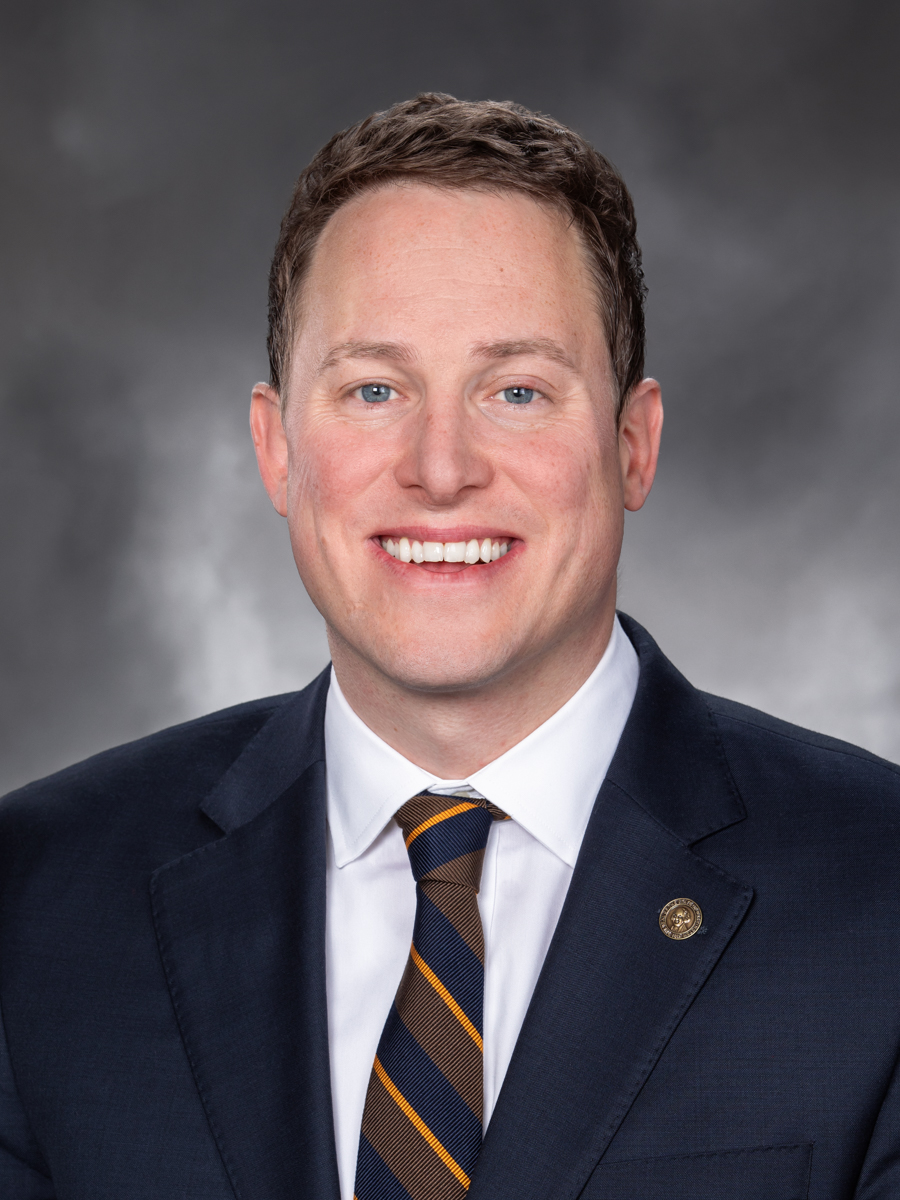
Rep. Joe Timmons
Sponsored bills
Maddy summaryHB 1590 requires Washington public schools to teach self-resiliency skills - including self-awareness, self-management, social awareness, and problem-solving - through research-based, culturally sustaining curricula aligned with existing learning standards. The bill allocates annual state funding (2025-2030) to prioritize high-poverty schools and those in high-risk communities for implementing these programs, with schools required to report on student outcomes. It encourages coordination with existing mental health support efforts like school counseling and suicide prevention initiatives. The funding expires August 1, 2031, and applies to all public school districts, charter schools, and state-tribal education compact schools.
Maddy summaryHB 1098 creates a new county local road program in Washington State, funded through a dedicated trust account in the motor vehicle fund. It directs funds specifically for improving non-arterial county roads (those not classified as major highways), requiring counties to meet spending eligibility rules to qualify. Projects are selected based on criteria like addressing overburdened communities, environmental health disparities, access to tribal lands, road safety, and community facilities. Allowed project types include road reconstruction, bridge replacements, fish passage removal, and pedestrian facilities, as defined by state guidelines. The program applies to counties managing local roads, with the county road board overseeing fund allocation and project approval.
Maddy summaryHB 1659 expands Washington's early childhood court program to serve infants and toddlers under age six (previously under three) in dependency cases, while allowing courts to use funding for preventative services to support families at risk of entering the child welfare system. Key provisions require courts to establish community coordinators with diversity expertise, create family-centered team meetings, implement more frequent status hearings, and prioritize culturally responsive practices to address systemic racism in child welfare. The bill directly affects families with young children in dependency cases, courts establishing these programs, and child welfare agencies like DCYF, mandating data collection on racial equity and community collaboration. It emphasizes preventing unnecessary child welfare involvement through upstream support and ensures families are central to case planning and reunification efforts.
Maddy summaryHB 1943 requires Washington public high schools (grades 9-12) to include blood donation awareness instruction in at least one required health class starting in the 2025-26 school year. The bill directs schools to use programs from approved organizations like the American Red Cross or Bloodworks Northwest, which must be posted on the state education website. It also allows schools serving grades K-8 to offer age-appropriate versions of this instruction. The bill aims to educate students about blood donation’s life-saving impact and eligibility, complementing existing health education without mandating certified staff delivery.
Maddy summaryHB 1070 creates a legal presumption that posttraumatic stress disorder (PTSD) is an occupational disease for correctional facility workers in Washington state, directly affecting staff employed at prisons, jails, or community corrections facilities. The bill establishes that after 90 consecutive days of full-time, compensated employment, PTSD claims for these workers are presumed work-related unless the employer provides evidence to the contrary. It also requires employers to cover reasonable appeal costs (including attorney fees) if workers win their claims in court or before the Industrial Insurance Appeals Board. This applies to claims filed within three months per year of employment, up to a maximum of 60 months after leaving the job. The law takes effect January 1, 2026.
Maddy summaryHB 1357 (Washington State) updates special education funding to incentivize inclusive classrooms. It revises the funding formula so school districts receive higher per-student allocations (1.18 multiplier) for students with disabilities spending 80%+ of their day in general education settings, versus a lower rate (1.09) for less inclusive placements. The bill also creates a grant program for up to 20 "pilot schools" to become centers of excellence in inclusionary practices, requiring demonstrated leadership commitment, staff training plans, and data on current inclusion efforts. These schools would receive funding to reach a 1.5 inclusion multiplier over four years. The bill directly affects school districts and students with disabilities in Washington state, focusing on concrete funding changes and support mechanisms to promote inclusive education.
Maddy summaryHB 1727 requires all Washington school districts to adopt policies by September 1, 2026, guaranteeing every K-12 student access to school library information and technology programs staffed by qualified teacher-librarians. The bill defines "teacher-librarian" as a certificated educator with a library media endorsement and mandates that programs support state learning standards, digital citizenship, and information literacy. Districts with fewer than 3,000 students may use non-certified staff temporarily if they’ve made reasonable efforts to hire certified librarians and partner with other districts or libraries. The legislation aims to address current gaps, as 60% of districts lack certified librarian staffing, disproportionately impacting low-income and students of color. It emphasizes programs must be school-based and align with educational technology integration and literacy goals.
Maddy summaryHB 1554 expands eligibility for Washington's College Bound Scholarship to include students who qualified for free or reduced-price lunch in 7th or 8th grade (even if they later lost that status) and those who qualified in 9th grade after being ineligible earlier. It also adds protections for adopted youth (adopted between 14-18 with specific agreements) to retain eligibility. The bill requires automatic enrollment for eligible students with no application needed, and mandates schools to notify students about the program. This change removes barriers that previously excluded low-income students due to temporary income fluctuations.
Maddy summaryThis bill requires Washington's Department of Health to collaborate with the Department of Social and Health Services to integrate certification testing into home care aide training programs by July 1, 2028. It mandates that exams include both skills demonstrations and knowledge tests, be administered in applicants' preferred languages, and be offered through facility-based or community training programs. The law affects home care aides seeking certification, their training programs, and the departments overseeing testing standards. It also specifies that testing must be conducted fairly and accessible to all applicants, with annual reviews of language-specific exam results.