

Maddy summaryHB 1058 creates tax credits for eligible railroads to fund infrastructure improvements. It directly affects small regional railroads (class II/III), public entities like ports/cities, and industrial property owners with rail spurs in Washington. The bill provides a 50% tax credit on qualified expenses for maintenance, new rail development, or modernization projects (e.g., track upgrades, bridges, safety equipment), with annual limits of $500,000 per taxpayer and a total $8 million statewide cap. Credits can be carried forward for up to five years or transferred to other eligible taxpayers.
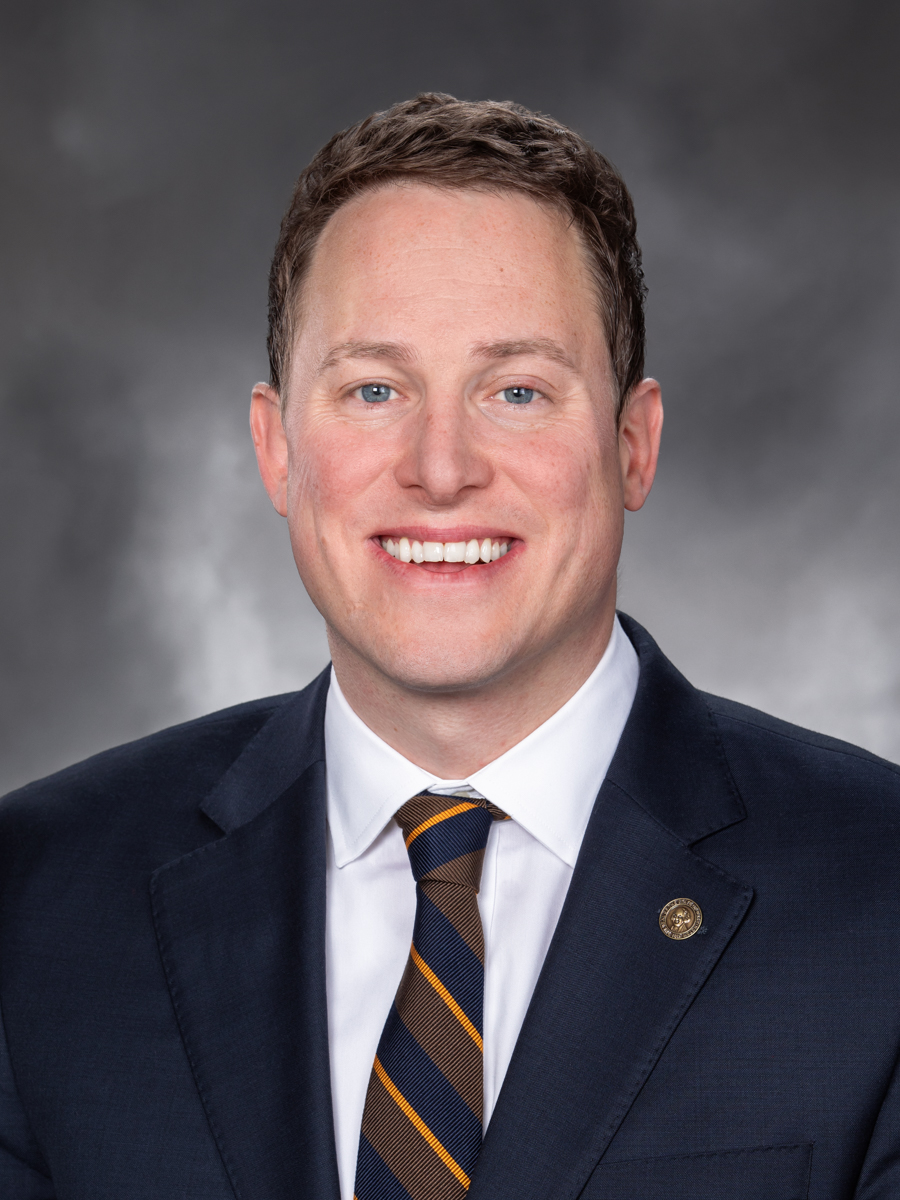
Rep. Joe Timmons
Sponsored bills
Maddy summaryHB 1568 expands financial aid eligibility for Washington college students by raising the income threshold for full Washington College Grant coverage from 50% to 70% of the state median family income (adjusted for family size). It also creates a new $500 annual "bridge grant" for students receiving the maximum Washington College Grant but not the College Bound Scholarship, covering non-tuition costs like books, housing, and transportation. The bridge grant applies starting the 2025-26 academic year to students enrolled at least half-time. This bill directly affects low-income undergraduate students attending Washington state colleges and universities.
Maddy summaryHB 1298 requires public four-year universities in Washington to provide and pay for insurance coverage for student athletes (both current and former athletes eligible for post-eligibility health care under athletic association rules). This insurance specifically covers athletics-related injuries and illnesses, including emergency evacuation and repatriation costs. The bill mandates that institutions, not students, bear the full cost of this coverage. It directly affects student athletes at public universities participating in intercollegiate sports and their post-eligibility health care access.
Maddy summaryHB 1262 would rename Washington's Governor's Interagency Council on Health Disparities to the "Council for Health Justice and Equity" and update its membership requirements to include representatives from state commissions (such as the Commission on African American Affairs and the Governor's Office of Indian Affairs) and key departments (including Health, Social and Health Services, and Commerce). The bill specifies that the council must include six public members reflecting diversity in race, ethnicity, and gender, while maintaining its role in coordinating state efforts to address health disparities. This is a procedural update to existing law, not a new policy or funding measure, and it was referred to committee but did not advance in 2025.
Maddy summaryHB 1979 updates Washington’s certificate of need requirements for hospitals offering elective heart procedures (like angioplasty) without on-site cardiac surgery. It requires the Department of Health to conduct an independent review of safety, access, costs, and training needs - specifically ensuring the University of Washington maintains sufficient procedure volumes for cardiologist training - before setting new rules. The bill also clarifies exemptions for large health plans (with 50,000+ members) and their facilities to offer specialized care without a certificate of need, provided they meet accessibility and patient enrollment criteria. These changes aim to balance hospital flexibility with system stability and equitable patient access to cardiac care.
Maddy summaryHB 1285 establishes financial education instruction as a graduation requirement for public high school students in Washington state. Beginning in the 2027-28 school year, all high schools must provide instruction in the state financial education learning standards. Starting with the graduating class of 2031, students will be required to meet these standards to graduate. The bill also tasks the Office of the Superintendent of Public Instruction with making instructional materials available and outlines monitoring responsibilities for the State Board of Education.
Maddy summaryHB 1625 creates a grant program to provide funding for back country search and rescue (SAR) organizations and volunteers in Washington state. The program directly supports groups that respond to emergencies in remote, rugged terrain, where specialized skills and equipment are required to locate and rescue individuals. The bill amends state law to establish this grant mechanism, enabling these organizations to maintain operations and services. This policy change offers concrete financial resources to enhance SAR capabilities in backcountry areas.
Maddy summaryHB 1428 establishes two state-funded accounts to support criminal justice services: one for counties and one for cities. It mandates annual transfers of $50 million (increasing by 50% starting in 2026) into these accounts, with county funds distributed based on population (20%), crime rate (30%), and criminal cases (50%). Municipal funds are distributed only to cities meeting a 125% statewide crime rate threshold, with 30% allocated to cities exceeding 175% of the average crime rate. The bill prohibits using these funds to replace existing local funding and restricts spending to criminal justice activities like domestic violence services and law enforcement support.
Maddy summaryHB 1276 (titled "Concerning organized retail theft") actually modifies sentencing guidelines for violent crimes involving firearms or deadly weapons, not retail theft itself. The bill adds mandatory sentence enhancements: 5 years for Class A felonies, 3 years for Class B, and 18 months for Class C when a firearm was used during the crime. These enhancements must be served consecutively to other sentences and cannot be reduced if they exceed statutory maximums. The bill applies to offenders convicted of eligible felonies committed after July 23, 1995, excluding specific weapons offenses like machine guns. Note: The bill’s title is misleading, as it does not address retail theft but focuses on sentencing for firearm/deadly weapon crimes.
Maddy summaryThis bill requires Washington's health authority to pay home health agencies for complex medical care provided by family caregivers to children under 18 with significant medical needs. It mandates that caregivers (parents, guardians, or close family) complete 75 hours of training from an accredited agency, receive care supervision from a registered nurse, and work for a licensed home health agency. The program, effective September 2026, limits eligibility to the child's income only (not household income), prohibits caregivers from repaying training costs, and requires a 2029 report on the program's effectiveness. It covers specific medical tasks like medication administration, tracheostomy care, and feeding support provided under nursing supervision.