

Maddy summaryHB 1266 establishes the Washington State Commission on Boys and Men within the governor's office to address issues affecting boys and men across six focus areas: mental/physical health, education, careers, fatherhood, the preschool-to-prison pipeline, and court system experiences. The commission, composed of 11 appointed non-legislative members (with diverse representation requirements) and 4 legislative advisory members, will monitor legislation, coordinate with other commissions (like the women's and LGBTQ commissions), gather data, and submit biennial reports to the legislature and governor. Its key duties include identifying needs, advising state agencies on policies affecting boys and men, holding public hearings, and advocating for removing barriers they face. This is a structural commission creation bill, not a policy change, with no direct fiscal impact detailed in the provided text.
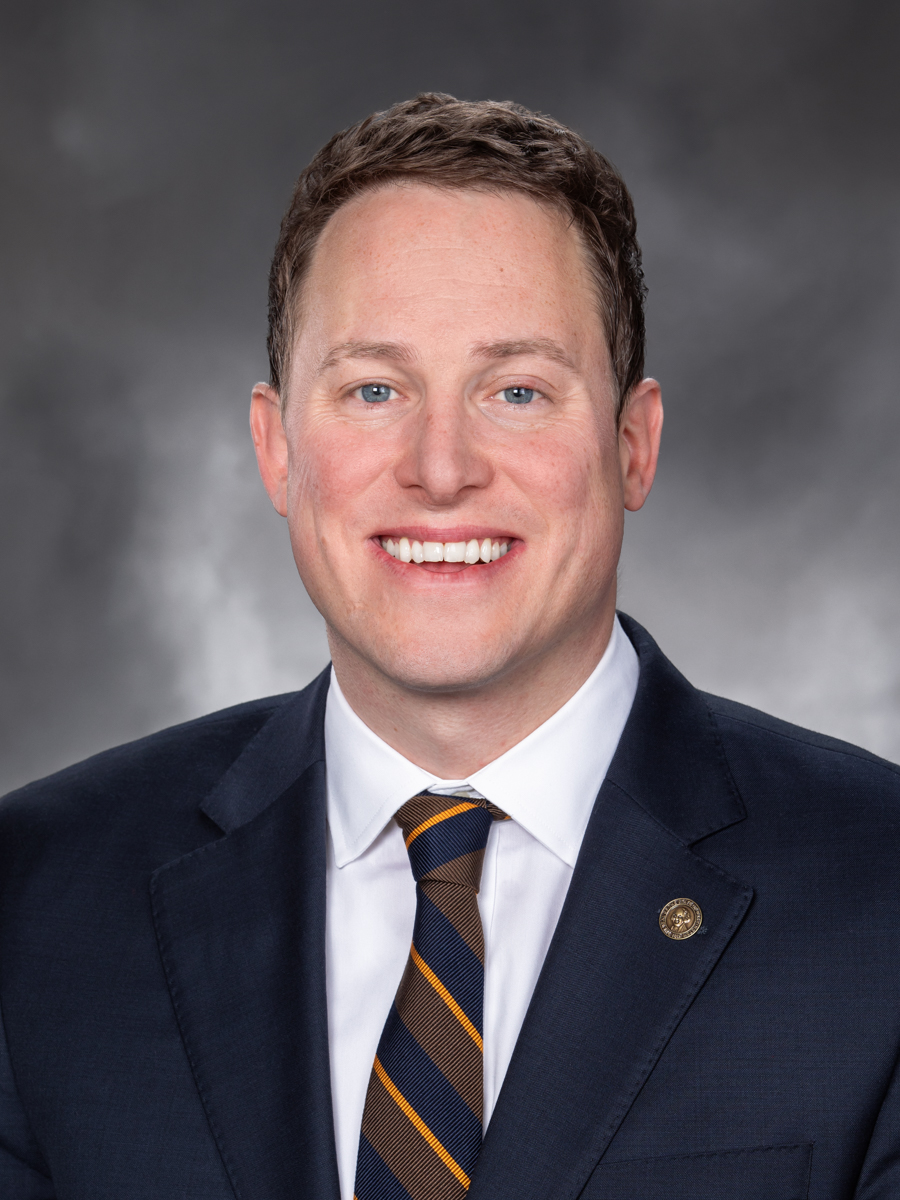
Rep. Joe Timmons
Sponsored bills
Maddy summaryHB 1513 establishes specific protections for Washington's Seashore Conservation Area, which includes state-owned coastal lands between Cape Disappointment and Leadbetter Point, and other defined zones. The bill mandates that 40% of beach areas under recreation management plans must be reserved for pedestrian use year-round, with motorized vehicle access restricted from April 15 to Labor Day. It also requires special pedestrian-only zones near salmon-bearing streams during spawning season, after consultation with wildlife officials. Local governments may adopt stricter rules, and management plans must consider factors like public safety, habitat protection, and economic impacts. The bill directly affects state parks management, local communities, and beach users through these access and conservation requirements.
Maddy summaryHB 1151 establishes a permanent ninth grade success grant program to fund school-based teams that identify and support ninth-grade students at risk of not graduating. The program, administered by the Office of the Superintendent of Public Instruction, prioritizes public schools with low ninth-grade on-track rates or below-average graduation rates, particularly in underserved communities. Grant funds cover team member compensation, professional development, substitute teachers for program duties, and direct student supports. Schools must report annually on participation, student demographics, and outcomes like on-track rates and graduation data through 2030.
Maddy summaryHB 1751 exempts required course materials (like textbooks and digital resources) from Washington state sales and use taxes for students enrolled at public colleges and universities. It requires students to show valid enrollment proof at approved vendors (campus bookstores or institution-designated online sellers) to qualify for the exemption. Public institutions must inform students about this tax break via their websites and course syllabi. The bill directly affects all students at Washington’s public higher education institutions by reducing out-of-pocket costs for essential learning materials, which the legislature notes are increasingly unaffordable (65% of students skip buying textbooks due to cost).
Maddy summaryHB 1555 changes how Washington state pays nursing homes for services starting July 1, 2025. It replaces the current system with a new three-part payment structure: direct care (covering staffing and therapy), indirect care (administrative and maintenance costs), and capital (facility costs). Payment rates will be adjusted annually based on the most recent cost data, with specific caps limiting how much rates can increase compared to previous years (e.g., a 142% cap for 2025). The bill directly affects nursing home providers receiving state Medicaid payments across Washington, aiming to better align payments with actual operating costs while maintaining minimum staffing standards.
Maddy summaryHB 1204 requires manufactured home park landlords to include specific written disclosures in rental agreements for all tenants, including clear closure notices in bold text and historical rent data. It directly affects seniors aged 55+ by prohibiting park rules that block them from having roommates in shared housing arrangements - such as exchanges of services for room and board - while banning entrance/exit fees. The bill also restricts rent increases during closure periods to no more than 1% above the U.S. consumer price index and prohibits fees for guest parking or towing without prior notice. These changes aim to increase housing stability and affordability for seniors in manufactured home communities by standardizing tenant protections.
Maddy summaryHB 1021 ensures military-connected students can stay in their current school through the end of the school year (or graduation for grades 9-12) if a parent’s active duty transfer requires a move. It allows schools to accept enrollment applications conditionally using temporary military housing (like on-base billeting) as proof of residency, finalizing enrollment once documentation is provided. The bill also clarifies that school districts aren’t required to provide transportation for these students unless mandated by law. This directly affects children of active-duty military parents and their school districts across Washington State.
Maddy summaryHB 1245 requires large electric utilities (with over 25,000 customers) to develop comprehensive 10-year integrated resource plans. These plans must include detailed forecasts of customer demand, assessments of conservation and renewable energy options, transmission capacity needs, and strategies for meeting clean energy goals. The bill specifically mandates evaluating impacts of zero-emission vehicles, incorporating data from transportation electrification plans, and ensuring plans prioritize "lowest reasonable cost" while maintaining grid reliability. It directly affects utilities serving over 25,000 customers, requiring them to update these plans every four years with annual progress reports. The bill amends existing energy planning laws (RCW 19.280.030) but does not create new funding or direct cost obligations.
Maddy summaryHB 1866 creates a pilot program allowing Washington state agencies to provide one-time advance funds to eligible nonprofits that have received state grants. Nonprofits must have a recent grant (within six months), a strong performance history, a budget under $5 million, and work in areas like public health, safety, or welfare. Advances are capped at 25% of the grant amount or $100,000 (whichever is lower) and must be repaid from future grant funds. The program expires June 30, 2028, requiring a 2027 report evaluating its effectiveness and recommending future action.
Maddy summaryHB 1388 establishes a mobile market program in Washington to expand access to fresh, healthy food for low-income households participating in the Women, Infants, and Children (WIC) and senior farmers market nutrition programs. The bill allows nonprofit mobile markets - operating in areas without farmers markets - to accept these nutrition benefits, directly supporting rural and food desert communities. Key provisions require mobile markets to be nonprofit, serve underserved areas, and obtain USDA approval via waiver to accept benefits. This policy change modernizes existing federal nutrition programs by extending access to mobile food services, benefiting both participants and local farmers.