

Maddy summaryHB 1661 establishes a pilot project to provide $25,000 grants to eligible Washington residents born into poverty. It directly affects individuals who were enrolled in Medicaid or CHIP before age one and remain enrolled at application, are Washington residents, and are 18-36 years old. The grants, administered through the State Treasurer's Office, can be used for education, home purchases, or starting a business in Washington, with funds not counting as assets for public assistance eligibility. The pilot will randomly select participants across geographic regions, require financial coaching, and include impact evaluations by the University of Washington. This is a limited-time study to test whether such grants improve economic stability for people facing intergenerational poverty.
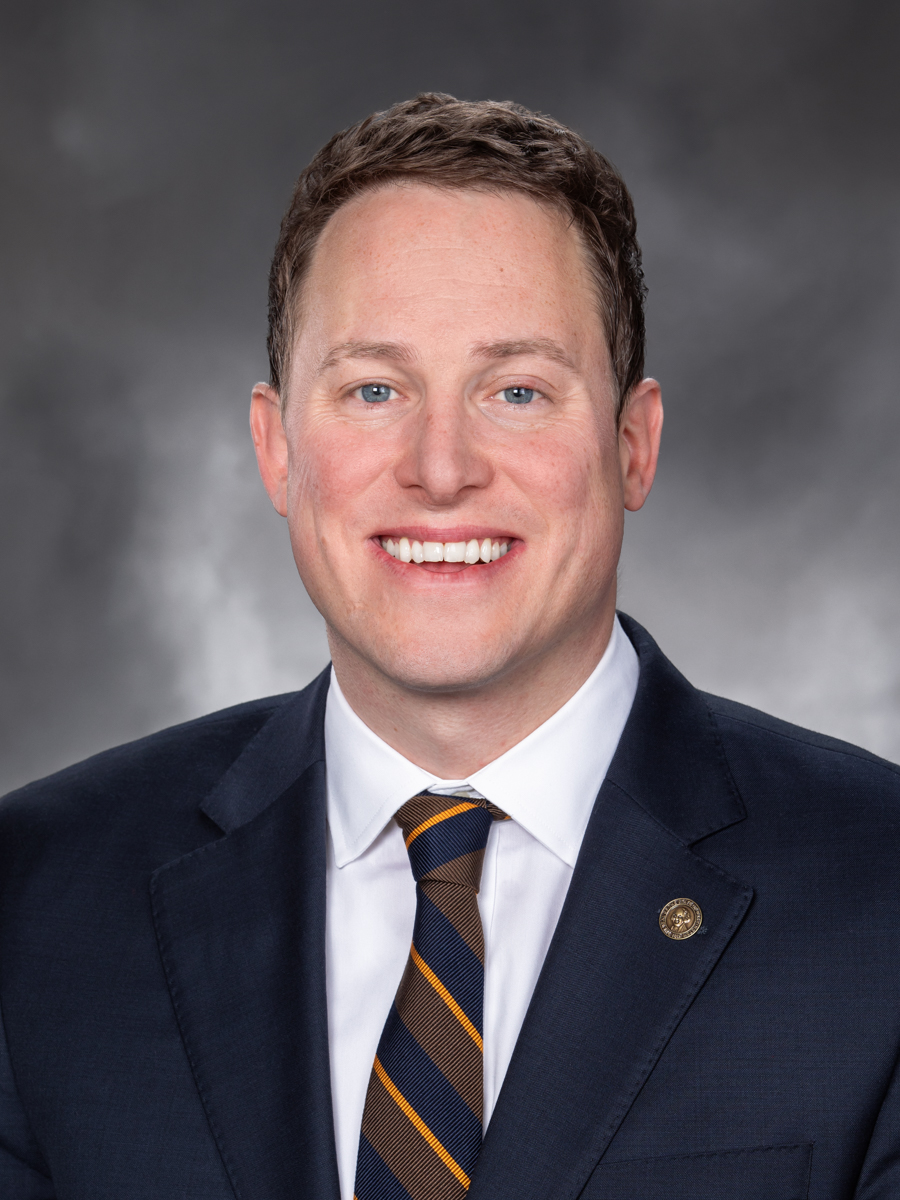
Rep. Joe Timmons
Sponsored bills
Maddy summaryHB 1010 allows rural counties in Washington to authorize detached accessory dwelling units (ADUs) - small secondary homes on the same lot as a primary residence - on any lot size, even where local zoning previously prohibited them. Key requirements include limiting ADUs to 1,296 square feet, ensuring water/sewage systems can handle added demand, prohibiting construction on closed water sources or agricultural land, and requiring exterior design to match the main home. The bill directly affects rural property owners seeking to build affordable housing options and counties managing land use planning. It aims to expand housing choices without counting new residents toward rural growth targets in county plans.
Maddy summaryHB 1310 eliminates the enrollment cap on students eligible for state special education funding in Washington, directly affecting all public school districts and students with disabilities. The bill increases funding multipliers for districts serving students with disabilities in inclusive settings (80%+ time in general education), raising the multiplier from 1.12 to 1.5289 for those students, while lowering it to 1.447 for less inclusive placements. It also requires the state superintendent to monitor racial disproportionality in special education identification and provide technical assistance to districts. These changes aim to ensure equitable state funding without requiring local district contributions and support inclusive educational practices.
Maddy summaryHB 1632 prevents medical debt from being reported to credit bureaus without specific contract terms, directly affecting consumers with medical bills, healthcare providers, and collection agencies. The bill requires all new medical debt contracts to include a clear statement prohibiting credit reporting, and any contract lacking this term becomes unenforceable. If a provider or collector reports medical debt to credit bureaus despite this requirement, the debt is void and cannot be collected. This policy change aims to stop medical debt from unfairly damaging credit scores by removing a key barrier to financial stability for affected consumers.
Maddy summaryHB 1865 expands Washington state's Working Connections Child Care program to specifically include employees of small businesses (defined as entities with 50 or fewer employees). It gradually increases income eligibility thresholds: households earning up to 75% of state median income become eligible starting July 2029, and up to 85% starting July 2031 (if funding is available). The bill also extends eligibility to parents enrolled in state-registered apprenticeship programs for the first 12 months of their participation. These changes aim to make child care benefits more accessible for low- and middle-income working families in small businesses and apprenticeships.
Maddy summaryHB 1035 requires Washington's public community colleges, technical colleges, and regional universities to adopt policies addressing secondary traumatic stress among faculty and staff. It mandates developing model policies with specific elements, including mental health support, diversity-focused workplace climates, campus mental health committees, and annual reporting. Institutions must post these policies publicly by September 2025 and incorporate all required elements into their own policies by the start of the 2025-26 academic year. The bill also requires colleges to publish online links to mental health resources, self-assessment tools, and best practices for their workforce.
Maddy summaryHB 1318 exempts children's diapers from Washington State's sales and use taxes, directly benefiting parents and caregivers who purchase diapers for infants and toddlers who cannot control bladder or bowel movements. The bill adds specific exemptions to the state's tax code, removing diapers from both sales tax (RCW 82.08) and use tax (RCW 82.12) requirements. It defines "diaper" as reusable or disposable absorbent garments marketed for young children with incontinence needs. The exemption takes effect January 1, 2026.
Maddy summaryHB 1853 requires Washington school districts to designate all public outdoor recreational spaces (like playgrounds and fields) as "green community schoolyards" available for community use outside school hours. It mandates the state superintendent to create a model shared-use agreement policy covering scheduling, costs, liability, equity, and fee structures to facilitate community access. School districts adopting this model policy become eligible for adjusted state funding under the school construction program. The bill directly affects school districts, community groups, and residents - especially those in underserved areas - by expanding access to outdoor recreation spaces without new land acquisition. It aims to improve physical activity access, community cohesion, and climate resilience through existing school properties.
Maddy summaryHB 1404 expands access to free school meals in Washington state by removing income-based eligibility requirements. It mandates that all public school students who request a meal receive it at no cost, regardless of family income, to address food insecurity and support academic success. The bill amends several education funding statutes (including RCW 28A.235.135 and 28A.235.160) to align meal access with this new policy. It directly affects every public school student in Washington, ensuring no child experiences hunger during the school day. The policy change replaces previous tiered eligibility systems with universal free meals for all requesting students.
Maddy summaryHB 1263 updates Washington's Essential Needs and Housing Support Program to expand eligible uses for assistance. It allows cash assistance for recipients (previously prohibited) and clarifies eligibility for low-income elderly or disabled adults transitioning off certain benefits who have immediate housing needs. The bill requires housing support entities to prioritize homeless individuals first and those at "substantial risk" of losing housing second, while mandating data reporting to homeless management systems and limiting administrative costs to 5% of program funds. This directly affects vulnerable residents facing housing instability, including homeless individuals and those at risk of losing housing due to financial hardship.