

Maddy summaryHB 1498 establishes a grant program to help cities and counties create and operate domestic violence co-responder programs. These programs deploy domestic violence victim advocates alongside law enforcement to provide on-scene support, resources, and care navigation for victims and their families. The bill creates a dedicated state treasury account, funded primarily by an additional $100 fee on marriage licenses, to support this initiative. The Office of Crime Victims Advocacy will administer these grants, also providing technical assistance and support for billing health insurance for services.
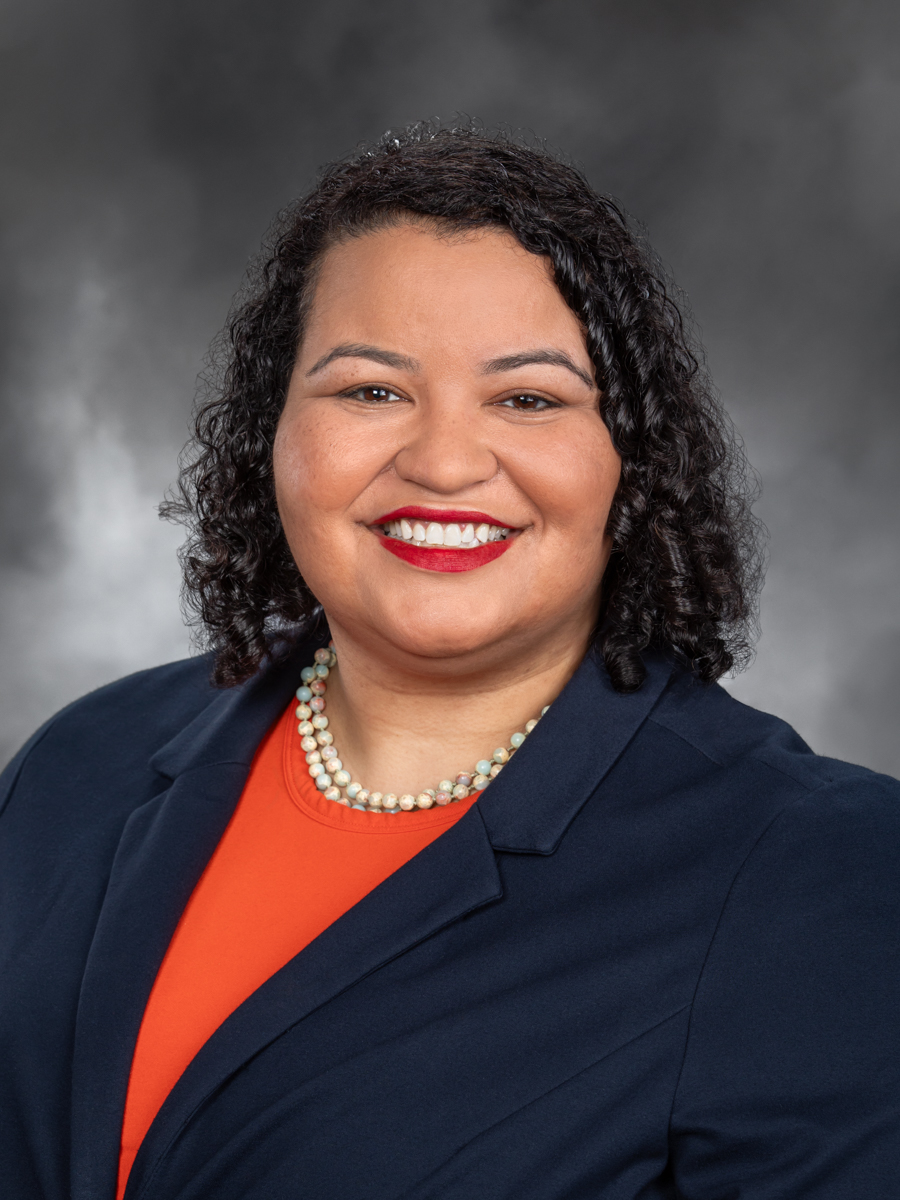
Rep. Julia Reed
Sponsored bills
Maddy summaryHouse Bill 1515 modernizes the regulation of alcohol service in public spaces for liquor licensees and local governments in Washington state. Until December 31, 2026, it allows local governments to request expanded outdoor alcohol service for certain licensees, offering flexibility for outdoor area enclosures and the ability for multiple businesses to share these spaces. Additionally, until December 31, 2027, the bill authorizes expanded indoor and outdoor alcohol service in designated fan zones or host cities during specific events. This enables multiple licensees to operate within a shared, approved event area, provided local governments ensure public safety and cleanliness. The bill aims to facilitate safe event experiences, particularly in preparation for a major international sports event in 2026.
Maddy summaryHB 1837 establishes specific improvement priorities for the Amtrak Cascades intercity passenger rail service, aiming to enhance the state's transportation system. It mandates the Washington State Department of Transportation to work towards target goals by 2035, including increasing on-time performance to 88% and boosting daily round trips between Seattle, Portland, and Vancouver, British Columbia. The department must also improve multimodal connections at stations and reduce greenhouse gas emissions. Furthermore, the bill requires the department to report annually on its progress and directs the Joint Transportation Committee to conduct an independent review of the Amtrak Cascades service development plan.
Maddy summaryHB 1483, also known as the "right to repair" bill, requires manufacturers of certain digital electronic products to make parts, tools, and repair documentation available to independent repair providers and product owners. This applies to consumer electronics like computers, cell phones, and appliances, aiming to increase access to affordable repair options for Washington residents. Manufacturers must offer these resources on fair and reasonable terms, with documentation and digital tools generally provided free of charge. The bill supports a competitive repair market and seeks to extend the useful life of products for consumers across the state. This legislation will become effective on July 27, 2025.
Maddy summaryHouse Bill 1392 establishes the Medicaid Access Program in Washington state, directly affecting health carriers and Medicaid managed care organizations. The bill implements an annual "covered lives assessment" on these entities, with specific per-member-per-month rates, to fund the program. Implementation of these assessments and the program is conditional upon federal approval from the Centers for Medicare and Medicaid Services, along with state appropriation certifications and contract amendments.
Maddy summaryHB 1573 revises the period during which elected officials for counties, cities, towns, and most special purpose districts must take their oath of office. The bill specifies that the oath can now be taken between the date the election results are finally certified and the day before the new term of office begins. This updates previous rules that allowed the oath to be taken up to ten days prior to assuming office or at the last regular meeting of the governing body. The legislation also clarifies that terms for these officials generally commence immediately after December 31st following the election.
Maddy summaryHB 1670 increases public transparency regarding sewage spills in Washington state, directly affecting the Department of Ecology, wastewater operators, and the public who rely on clean water. By July 1, 2026, it mandates the Department of Ecology to create a public-facing website. This website will display notices of reported sewage spills, including details such as the estimated volume, treatment level, location, and the date and time of the incident. The Department must update the site with final spill information and design it to be accessible for people with limited English proficiency.
Maddy summaryHB 1096 requires certain Washington cities, those with minimum density requirements under the Growth Management Act, to establish an administrative process for splitting residential lots. This process allows an existing residential lot to be divided into two, facilitating the creation of new middle housing or single-family homes, often with simultaneous review of a building permit. The lot split can be approved administratively by a planning director, without a public hearing, if specific conditions are met regarding lot size, utilities, and access. The bill aims to increase housing options for homeowners and prospective buyers, with the Department of Commerce providing guidance and grants to cities for implementation.
Maddy summaryHB 1264 updates the process for determining salaries and benefits for Washington state ferry system employees represented by collective bargaining units. The bill requires the Office of Financial Management to contract with a nationally recognized firm to conduct comprehensive salary and fringe benefit surveys for maritime employees. These surveys will compare ferry employee compensation with directly comparable positions in both public and private sectors to ensure competitive pay. Information identifying specific private employers in these surveys will not be subject to public disclosure.
Maddy summaryHouse Bill 1774 allows the Washington State Department of Transportation (WSDOT) to consider social, environmental, or economic benefits when determining lease terms for unused highway land. This applies when WSDOT leases property to public agencies, tribes, historical societies, or community-based nonprofit organizations for specific "community purposes." These purposes include providing housing, shelter programs, parks, public recreation, salmon habitat restoration, or public transportation uses. The bill outlines factors for WSDOT to evaluate such lease agreements and requires lessees to maintain the property and use it solely for the designated community purpose. WSDOT must also provide annual reports to the legislature on these active lease agreements.