

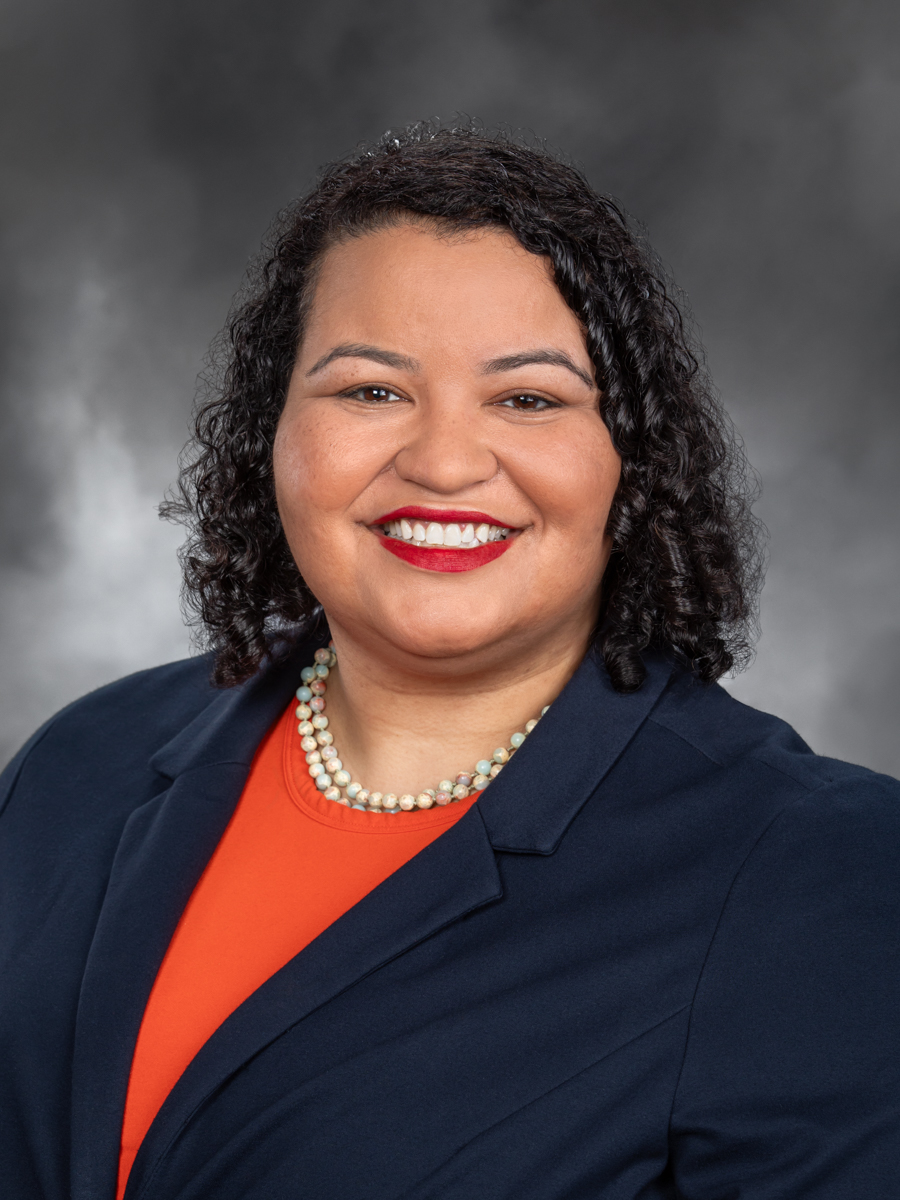
Photo of Julia Reed
D Washington House · District 36 On the 2026 ballot

Rep. Julia Reed

Compare
Total votes
2,532
all sessions
Attendance
99%
15 missed
Near the chamber average
With party
98%
of cast votes
Near the chamber average
Bipartisan score
1%
crosses aisle rarely
Near the chamber average
Sponsored
1,244
bills & resolutions
Higher than 97% of chamber peers
Committees
4
assignments
1,244 bills and resolutions

Sponsored bills

Total
1,244
Primary
42
Co-sponsor
1,202
This page
1,244
matching current filters
Co-sponsor HB 1960
Signed into law · Washington House · Co-sponsor
Encouraging renewable energy in Washington through tax policy and investment in local communities.

Maddy summaryHB 1960 aims to encourage renewable energy development in Washington by changing the tax structure for large-scale solar and wind energy facilities. The bill exempts personal property used for renewable energy generation and storage in qualified facilities from property taxation. In its place, it establishes a new annual excise tax on these facilities, with rates varying based on the energy type, operational date, and capacity of the generation and storage systems. This new tax directly affects operators of significant solar and wind energy projects and their associated storage systems across the state.

Signed into law Apr 1, 2026 1 co-sponsor
Co-sponsor HB 1390
Signed into law · Washington House · Co-sponsor
Repealing the community protection program.

Maddy summaryHB 1390 repeals the community protection program, aiming to allow clients of the developmental disabilities administration to access less restrictive service options. The bill requires the Department of Social and Health Services (DSHS) to develop and implement a plan by December 31, 2025, to transition all individuals participating in the program into other services. This change is intended to provide more flexibility in care without reducing the overall supportive services clients receive. The legislation amends and repeals specific RCW sections related to the community protection program.

Signed into law Mar 31, 2026 1 co-sponsor
Co-sponsor HB 2411
Signed into law · Washington House · Co-sponsor
Modifying shared leave provisions to authorize shared leave for victims of a hate crime and those whose absence is due to immigration enforcement actions against the employee or the employee's relative.

Maddy summaryHB 2411 expands Washington state employees' shared leave eligibility to include victims of hate crimes and situations involving immigration enforcement actions affecting the employee or their relative. It adds two specific qualifying reasons to existing shared leave provisions: (1) being a victim of a hate crime, and (2) needing time off due to immigration enforcement actions like detention, deportation, or related family separation. The bill includes strict protections, requiring employers to accept written statements or documentation from advocates (not disclosing immigration status) and prohibiting the sharing of personally identifiable immigration information. This policy change directly affects state employees facing these specific circumstances, allowing them to use shared leave without pay while maintaining confidentiality about immigration status.

Signed into law Mar 30, 2026 1 co-sponsor
Co-sponsor HB 2156
Signed into law · Washington House · Co-sponsor
Concerning the authority of investigators of the attorney general's office.

Maddy summaryHB 2156 clarifies that investigators from Washington's Attorney General's office gain limited law enforcement powers - specifically, the authority to serve court-approved search warrants for business records - when they have concurrent criminal investigation authority under existing law. This applies only to business records and requires both judicial authorization and a business's specific request for physical service at a location. The bill explicitly prohibits these investigators from making arrests, carrying weapons, or exceeding their defined scope of authority. It directly affects Attorney General's office investigators handling criminal investigations under agreements with local agencies.

Signed into law Mar 30, 2026 1 co-sponsor
Co-sponsor HB 2105
Signed into law · Washington House · Co-sponsor
Concerning immigrant worker protections.

Maddy summaryHB 2105 requires Washington employers to notify workers within 72 hours if federal agencies plan I-9 form or worker record inspections. It mandates posting notices in five common non-English languages at workplaces, sending written notices to workers' last known addresses, and sharing federal inspection results with affected workers. The law directly affects all Washington employers and immigrant workers who may face federal immigration verification checks. Key provisions include multilingual notice requirements, timelines for employer communication, and a template for compliance developed by the Attorney General. This bill creates a formal process for transparency during federal I-9 audits, aiming to protect workers' rights during inspections.

Signed into law Mar 30, 2026 1 co-sponsor
Co-sponsor HB 2215
Signed into law · Washington House · Co-sponsor
Concerning climate commitment act compliance obligations for fuels supplied or otherwise sold into Washington.

Maddy summaryHB 2215 adjusts compliance thresholds under Washington's Climate Commitment Act for fuel suppliers. It lowers the de minimis exemption from 25,000 to 500 metric tons of carbon dioxide equivalent annually for most fuel suppliers (including gasoline, diesel, biodiesel, and propane), requiring them to report emissions if their fuel combustion exceeds this threshold. The bill excludes fuel volumes delivered outside Washington or combusted outside the state, and directs the Department of Ecology to enforce rules uniformly across all regions and fuel types. This change aims to prevent market distortions by ensuring consistent compliance obligations for fuel businesses operating within the state.

Signed into law Mar 30, 2026 1 co-sponsor
Co-sponsor HB 2418
Signed into law · Washington House · Co-sponsor
Concerning permit review processes.

Maddy summaryHB 2418 streamlines permit review processes for land use projects in Washington State by requiring local governments (counties and cities) to issue written completeness determinations within 28 days of receiving a project permit application. If a local government fails to provide this written notice within 28 days, the application is automatically deemed complete on the 29th day, preventing unnecessary delays. The bill applies directly to developers seeking permits for projects like subdivisions, site plans, or environmental approvals, but excludes building permits based on code compliance. It aims to create predictable timelines for permit reviews by standardizing procedural requirements and reducing arbitrary delays in local government processing.

Signed into law Mar 27, 2026 1 co-sponsor
Co-sponsor HB 2266
Signed into law · Washington House · Co-sponsor
Encouraging permanent supportive housing, transitional housing, indoor emergency housing, and indoor emergency shelters.

Maddy summaryHB 2266 requires Washington cities and counties to permit permanent supportive housing, transitional housing, indoor emergency shelters, and indoor emergency housing in any zoning district where hotels or residential development is allowed, without imposing stricter rules than those for standard hotels or homes. It standardizes permitting processes, prohibits local governments from restricting these housing types to industrial zones, and mandates that cities/counties meet projected housing needs for emergency shelters. For indoor emergency shelters, the bill requires sponsors to provide written certification of community notification (within 500 feet), one community meeting, a point of contact, and operational policies - without additional requirements. The bill directly affects local governments (by changing zoning rules), housing providers (by streamlining approvals), and people experiencing homelessness (by increasing housing access), aiming to address Washington’s housing crisis through regulatory reform.

Signed into law Mar 27, 2026 1 co-sponsor
Co-sponsor HB 1974
Signed into law · Washington House · Co-sponsor
Establishing land banking authorities.

Maddy summaryHB 1974 establishes a framework for counties to create land banking authorities aimed at increasing affordable housing. These land banks - public entities or nonprofits - can acquire, hold, and develop land within urban growth areas, requiring at least 33% of housing units to be affordable to extremely low-income households, no more than 33% at market rate, and the remainder for moderate-income residents. The bill mandates 99-year affordability covenants on developed land, prioritizes displacement mitigation, and requires advisory boards reflecting community diversity to oversee land bank activities. It directly affects counties, housing developers, and low/moderate-income residents, particularly in communities disproportionately impacted by housing inequities.

Signed into law Mar 27, 2026 1 co-sponsor
Co-sponsor HB 2325
Signed into law · Washington House · Co-sponsor
Establishing a tourism self-supported assessment program to fund statewide tourism promotion.

Maddy summaryHB 2325 establishes a self-funded tourism assessment program where qualifying tourism businesses pay an annual fee based on gross revenue to support statewide tourism promotion. It directly affects businesses like hotels, restaurants (with $5M+ annual revenue), attractions, and recreation operators that derive significant revenue from tourism. The program requires business sector ratification before assessments begin, with a ratepayer oversight board - appointed by businesses - to manage funds, approve budgets, and report annually. The fee structure, revenue thresholds, and program design must be approved by affected businesses through a referendum process before implementation.

Signed into law Mar 26, 2026 1 co-sponsor
Showing 1 to 10 of 1,244 bills
1 2 3 125 Next