

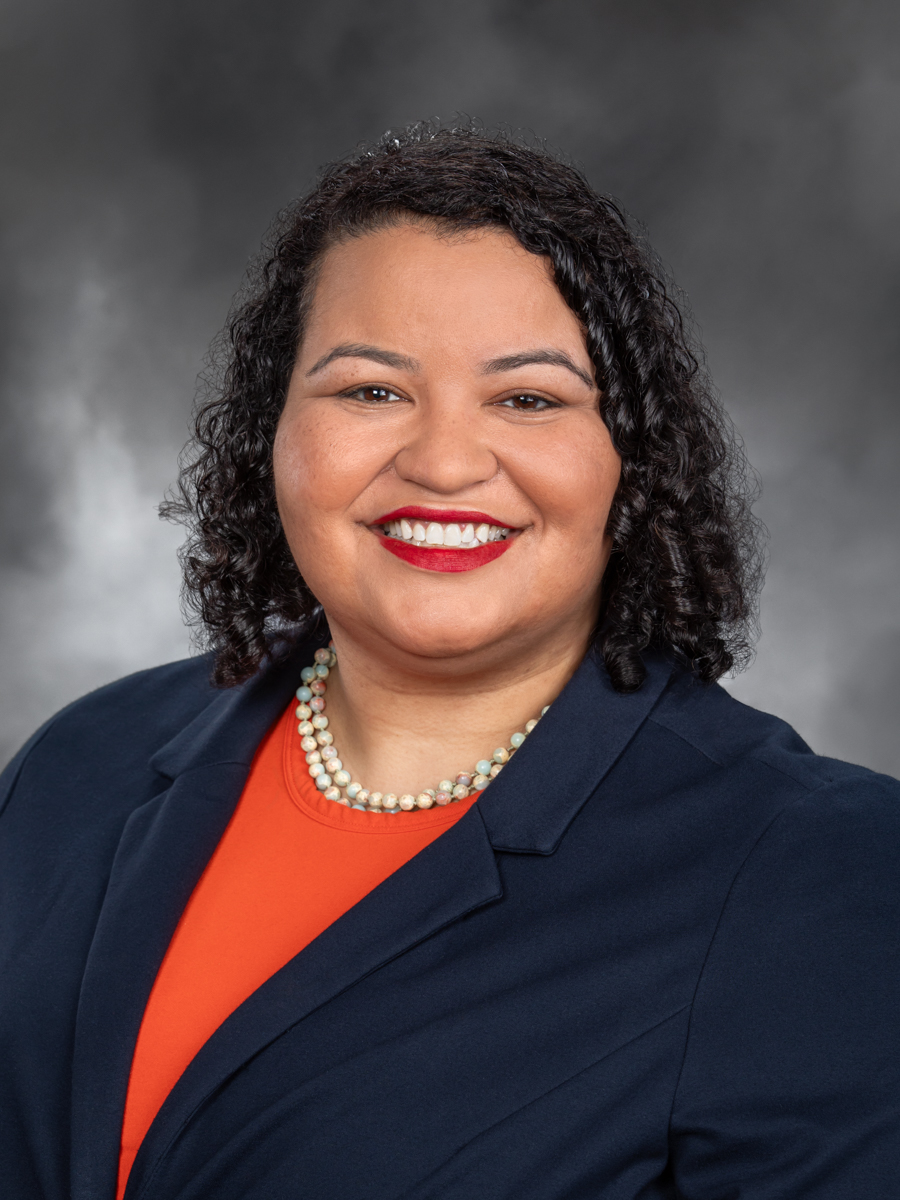
Photo of Julia Reed
D Washington House · District 36 On the 2026 ballot

Rep. Julia Reed

Compare
Total votes
2,532
all sessions
Attendance
99%
15 missed
Near the chamber average
With party
98%
of cast votes
Near the chamber average
Bipartisan score
1%
crosses aisle rarely
Near the chamber average
Sponsored
1,244
bills & resolutions
Higher than 97% of chamber peers
Committees
4
assignments
1,244 bills and resolutions

Sponsored bills

Total
1,244
Primary
42
Co-sponsor
1,202
This page
1,244
matching current filters
Co-sponsor HB 1750
Signed into law · Washington House · Co-sponsor
Creating guidelines for voter suppression and vote dilution claims under the Washington voting rights act.

Maddy summaryHB 1750 creates clear guidelines for addressing voter suppression and vote dilution claims under Washington’s Voting Rights Act. It prohibits local governments (counties, cities, school districts, etc.) from implementing election policies that create material disparate burdens on voters in protected classes (race, color, or language minorities), as defined by federal law. The bill establishes that such policies are illegal unless the government proves they are necessary to serve a compelling interest with no less burdensome alternative, and it removes the requirement to prove discriminatory intent in claims. This amendment replaces outdated provisions and aligns Washington’s standards with federal voting rights protections.

Signed into law Mar 25, 2026 1 co-sponsor
Co-sponsor HB 1710
Signed into law · Washington House · Co-sponsor
Concerning compliance with the Washington voting rights act of 2018.

Maddy summaryHB 1710 requires certain local governments (designated as "covered jurisdictions" due to documented voting rights issues) to obtain pre-approval before implementing specific voting changes. These changes include altering election methods, redrawing district boundaries, restricting language access for voters, or modifying early voting sites. Before any such "covered practice" takes effect, the local government must either seek a court declaration or get certification from the Attorney General that the change won’t diminish minority voting access. This applies to jurisdictions with a history of voting discrimination or current disparities in voter registration, participation, or other metrics affecting protected groups. The bill aims to enforce compliance with Washington’s Voting Rights Act of 2018 by adding a pre-clearance step for high-impact voting decisions.

Signed into law Mar 25, 2026 1 co-sponsor
Co-sponsor HB 1941
Signed into law · Washington House · Co-sponsor
Authorizing agricultural cooperatives for cannabis producers.

Maddy summaryHB 1941 allows licensed cannabis producers in Washington to form agricultural cooperatives, treating cannabis as an agricultural product under cooperative laws. This change directly affects licensed cannabis producers who can now pool resources with other growers through cooperative associations, similar to how farmers operate. The bill amends state law (RCW 24.34.010) to explicitly include cannabis producers in agricultural cooperative provisions, enabling them to collectively process, market, and handle cannabis products. It does not alter existing licensing fees or operational requirements for producers but expands their organizational options under agricultural cooperative rules.

Signed into law Mar 25, 2026 1 co-sponsor
Co-sponsor HB 2247
Signed into law · Washington House · Co-sponsor
Concerning veterinarian-client-patient relationships.

Maddy summaryHB 2247 defines the legal requirements for a veterinarian-client-patient relationship in Washington State. To establish this relationship, a veterinarian must have physically examined the animal within the past year (with limited telehealth exceptions for transportation barriers or urgent cases), and must document challenges or conditions for telehealth use. The bill allows ongoing telehealth care after the relationship is established but requires veterinarians to determine if a physical exam is needed. It also creates specific rules for farm operations, mandating written agreements with a "veterinarian of record" accountable for drug oversight and treatment protocols. The law ensures clients can access telehealth for emergencies or specific needs while requiring follow-up exams within 90 days for telehealth consultations.

Signed into law Mar 24, 2026 1 co-sponsor
Co-sponsor HB 2225
Signed into law · Washington House · Co-sponsor
Concerning regulation of artificial intelligence companion chatbots.

Maddy summaryThis Washington bill requires AI companion chatbots that simulate human relationships to clearly disclose they are artificial at the start of use, every three hours, and at new sessions. For minors (under 18), it mandates hourly reminders about the artificial nature of the chatbot, blocks sexually explicit content, and prohibits manipulative tactics like fake emotional distress or excessive praise to foster dependency. It excludes customer service bots, in-game assistants, and educational tools from these rules. The law aims to prevent emotional dependency and ensure psychological safety while allowing responsible AI development.

Signed into law Mar 24, 2026 1 co-sponsor
Co-sponsor HB 2508
Signed into law · Washington House · Co-sponsor
Clarifying the scope of authority of the office of independent investigations to align with current operations and practices and to include public disclosure requirements and protect privacy.

Maddy summaryHB 2508 clarifies the authority of Washington's Office of Independent Investigations (OII) to align with current practices and adds public disclosure requirements while protecting privacy. It updates definitions (like "involved agency" and "independent investigation team") and specifies that the OII investigates police use of deadly force incidents, deaths during force, and prior investigations with new evidence. The bill requires the OII to prioritize cases based on resources, include pre-incident review in investigations, and provide public reports while safeguarding sensitive information. It directly affects law enforcement agencies, the OII, and individuals involved in police incidents. The changes aim to standardize the OII's operations without creating new investigative mandates.

Signed into law Mar 24, 2026 1 co-sponsor
Co-sponsor HB 2360
Signed into law · Washington House · Co-sponsor
Expanding access to albuterol in public and private schools.

Maddy summaryHB 2360 allows Washington public and private schools to maintain a stock supply of albuterol (a medication for asthma symptoms) for student use, without requiring individual prescriptions for each instance. Schools must obtain a prescription and standing order from a health professional, and only school nurses or trained staff can administer it according to existing asthma management protocols. The bill protects school staff from liability when following proper procedures and gives employees the option to decline managing albuterol without job penalties. It does not change current rules for students who already have personal albuterol prescriptions.

Signed into law Mar 24, 2026 1 co-sponsor
Co-sponsor HB 2320
Signed into law · Washington House · Co-sponsor
Concerning the regulation of firearm manufacturing.

Maddy summaryHB 2320 regulates firearm manufacturing using 3D printers, CNC mills, or digital code by requiring manufacturers to register these methods with the state. It directly affects individuals or entities producing firearms through digital means, including those creating undetectable or untraceable weapons. The bill amends Washington’s firearm laws to mandate registration of such manufacturing processes and explicitly targets unlicensed producers who might bypass background checks. This policy change aims to address public safety concerns by making digital firearm production subject to state oversight.

Signed into law Mar 24, 2026 1 co-sponsor
Co-sponsor HB 2211
Signed into law · Washington House · Co-sponsor
Concerning medically tailored meals.

Maddy summaryHB 2211 requires Washington state-administered health benefit programs (like Medicaid) to provide medically tailored meals through Washington-based nonprofit vendors when possible. It mandates that meal vendors follow nutrition care plans approved by qualified medical professionals and meet specific standards: meals must align with evidence-based guidelines for medical conditions, offer dietary/cultural accommodations, prioritize locally sourced whole foods, provide at least 500 calories or meet individual energy needs, and deliver one-third of daily recommended carbohydrates and protein. The bill defines "medically tailored meals" as fresh/frozen meals designed by medical professionals to treat specific health conditions. This legislation directly affects state health programs, vendors, and clients with medical conditions requiring specialized nutrition.

Signed into law Mar 24, 2026 1 co-sponsor
Primary HB 2091
Signed into law · Washington House · Lead sponsor
Requiring public employers under chapter 41.80 RCW to provide employee information to exclusive bargaining representatives.

Maddy summaryHB 2091 requires public employers covered under chapter 41.80 RCW (specifically Western Washington University, Central Washington University, Eastern Washington University, and The Evergreen State College) to provide employee information to exclusive bargaining representatives. The bill amends RCW 41.80.075 to expand the list of covered employers to include these four public universities. This means union representatives at these institutions would gain access to employee data previously not required to be shared under the existing law. The change directly affects these universities' labor relations by mandating information sharing with their recognized employee unions.

Signed into law Mar 24, 2026 0 co-sponsors
Showing 11 to 20 of 1,244 bills