

Maddy summaryHB 1909 establishes a court unification task force to study Washington’s fragmented court system. The task force will analyze disparities in local court rules, technology adoption, and funding that create barriers for people seeking legal help - especially those in rural areas, low-income communities, and underserved populations. It will identify inefficiencies and inequities in court operations and explore potential solutions through a diverse group including judges, court clerks, legal aid representatives, and community advocates with lived experience. The bill does not implement changes but directs the task force to provide recommendations for improving consistency and access to justice. This study aims to inform future policy decisions, not alter current court structures.
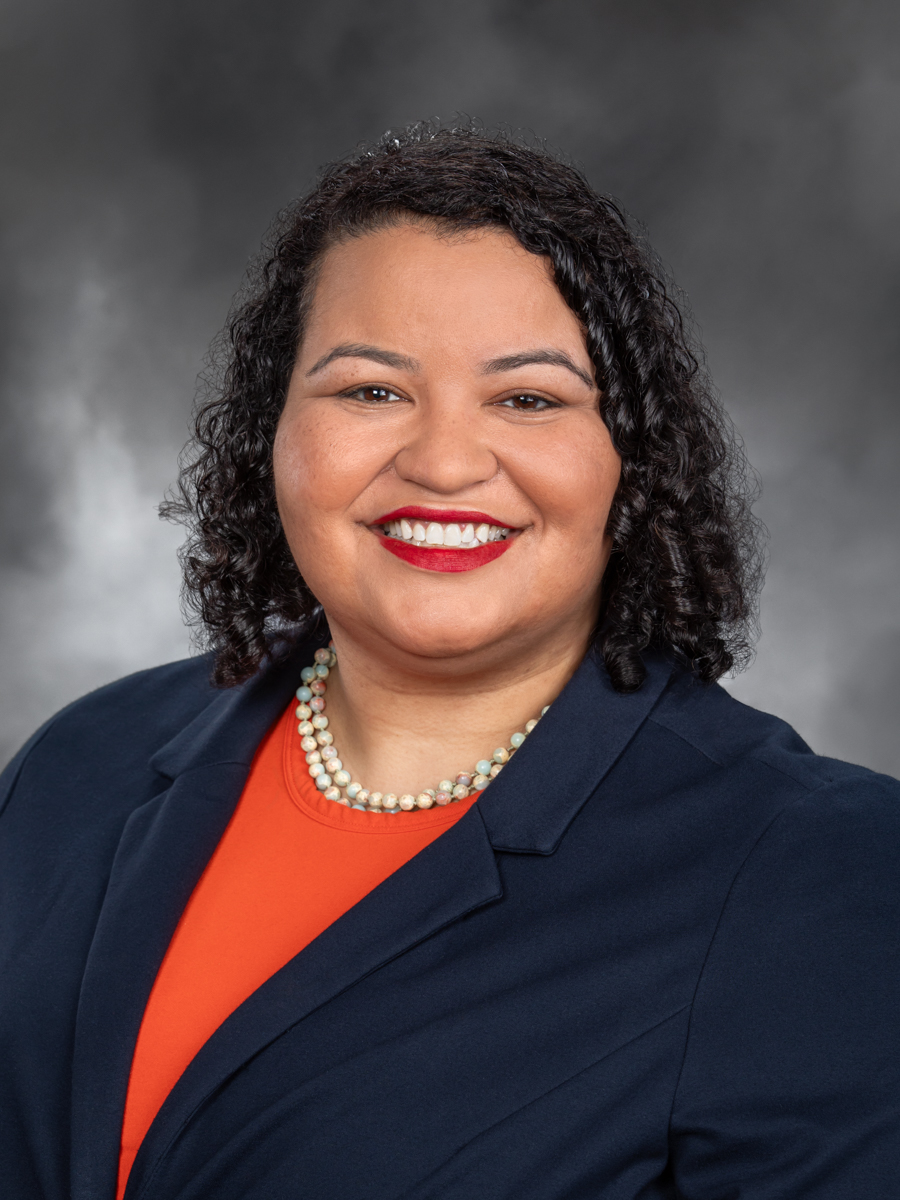
Rep. Julia Reed
Sponsored bills
Maddy summaryHB 1069 amends Washington state law to allow collective bargaining between public employers and employee organizations regarding contributions for certain supplemental retirement benefits. Currently, state law prevents bargaining over retirement plans and benefits administered by the Department of Retirement Systems. This bill clarifies that employers can now negotiate over contributions for additional retirement benefits, including medical plans, as long as these benefits are administered by or on behalf of an employee organization. This change enables discussions over these specific benefit contributions, while still excluding the core state retirement plans from collective bargaining.
Maddy summaryHB 1295 requires Washington public school districts to implement evidence-based reading and writing literacy programs for kindergarten through fourth grade students. These programs must include phonics, phonemic awareness, fluency, vocabulary, and comprehension instruction, and be fully operational by the 2027-28 school year. The bill also mandates revised teacher training standards for educators to deliver these programs, with new certification requirements by 2026 and educator preparation programs updated by 2027. This directly affects elementary schools, teachers, and students, particularly those identified as reading below grade level, with specific attention to improving equity in dyslexia screening and support.
Maddy summaryHB 1795 prohibits the use of physical restraint, mechanical restraint, or isolation (seclusion) in Washington public schools for student discipline or staff convenience. It directly affects students, especially those with disabilities, and school staff by requiring schools to use behavioral intervention plans and functional behavioral assessments before implementing restraint. Key provisions include banning chemical restraint unless medically prescribed, defining "isolation" to exclude brief time-outs or emergencies, and mandating staff training in crisis prevention. The bill aims to protect students from traumatic practices while ensuring restraint is only used for immediate safety risks, not as punishment.
Maddy summaryHB 1796 modifies the authority of Washington state school districts to borrow money for school construction, modernization, or property acquisition. It allows districts to issue bonds or other debt for these purposes without a direct public vote, provided they have prior voter approval for a school facilities levy and have not been under specific state oversight in the last three years. For debt exceeding $250,000, districts must publish public notice and hold a hearing before issuing the bonds. These public notice and hearing requirements do not apply to refinancing existing debt.
Maddy summaryHB 1500 requires sellers in Washington common interest communities (like condos, cooperatives, and planned developments) to provide buyers with a detailed resale certificate before closing a sale. This certificate must include current financial information such as unpaid assessments, past-due fees, the association’s reserve study status, insurance details, and any pending legal issues, all verified within 45 days. It also mandates specific disclosures about the community’s financial health and obligations, including warnings if a reserve study is missing. The bill directly affects unit owners selling properties and aims to ensure buyers fully understand financial responsibilities before purchasing.
Maddy summaryHB 1526 modifies Washington's snack bar liquor license fee structure. It maintains the $125 annual fee for licenses allowing limited beer/wine sales on-premises (where alcohol isn't the main business), but adds a temporary fee waiver for 12 months starting March 2021. The waiver applies to licenses expiring during that period or newly issued to previously licensed businesses, excluding establishments suspended for violating health/safety rules or COVID-19 emergency orders. This directly affects small businesses operating under snack bar licenses, particularly those impacted by pandemic-related restrictions.
Maddy summaryHB 2229 updates Washington's engineering registration laws by revising definitions of key terms like "practice of engineering" and "significant structures" to clarify which projects require licensed oversight. It specifies that "significant structures" include hospitals, bridges over 200 feet, buildings over five stories, and other high-risk facilities. The bill also changes the licensing board composition to require five licensed engineers and two licensed land surveyors, each with at least 10 years of active practice. These changes directly affect professional engineers and land surveyors by defining scope of practice and board governance under state law.
Maddy summaryHB 2264 changes unemployment insurance eligibility for workers laid off due to employer-initiated workforce reductions. It allows workers who voluntarily offer to be included in a layoff after their employer provides written notice of planned reductions (including an option for employees to join the layoff) to qualify for benefits as if laid off through no fault of their own. Employers must formally announce layoff plans in writing, and workers may later withdraw their offer without losing eligibility. The bill does not apply when employers encourage early retirement or separation without following these specific procedures.
Maddy summaryHB 2334 would require cash transactions in Washington to be rounded to the nearest five cents, eliminating the need for pennies in physical payments. Specifically, prices ending in 1-2¢ or 6-7¢ would round down, while prices ending in 3-4¢ or 8-9¢ would round up. This rule applies only to cash payments (legal tender) and excludes credit/debit cards, electronic payments, or checks. The bill affects all businesses accepting cash and consumers making cash purchases, with rounding rules defined in the legislation. (Note: The bill is in early committee review as of January 2026 and has not been enacted.)