

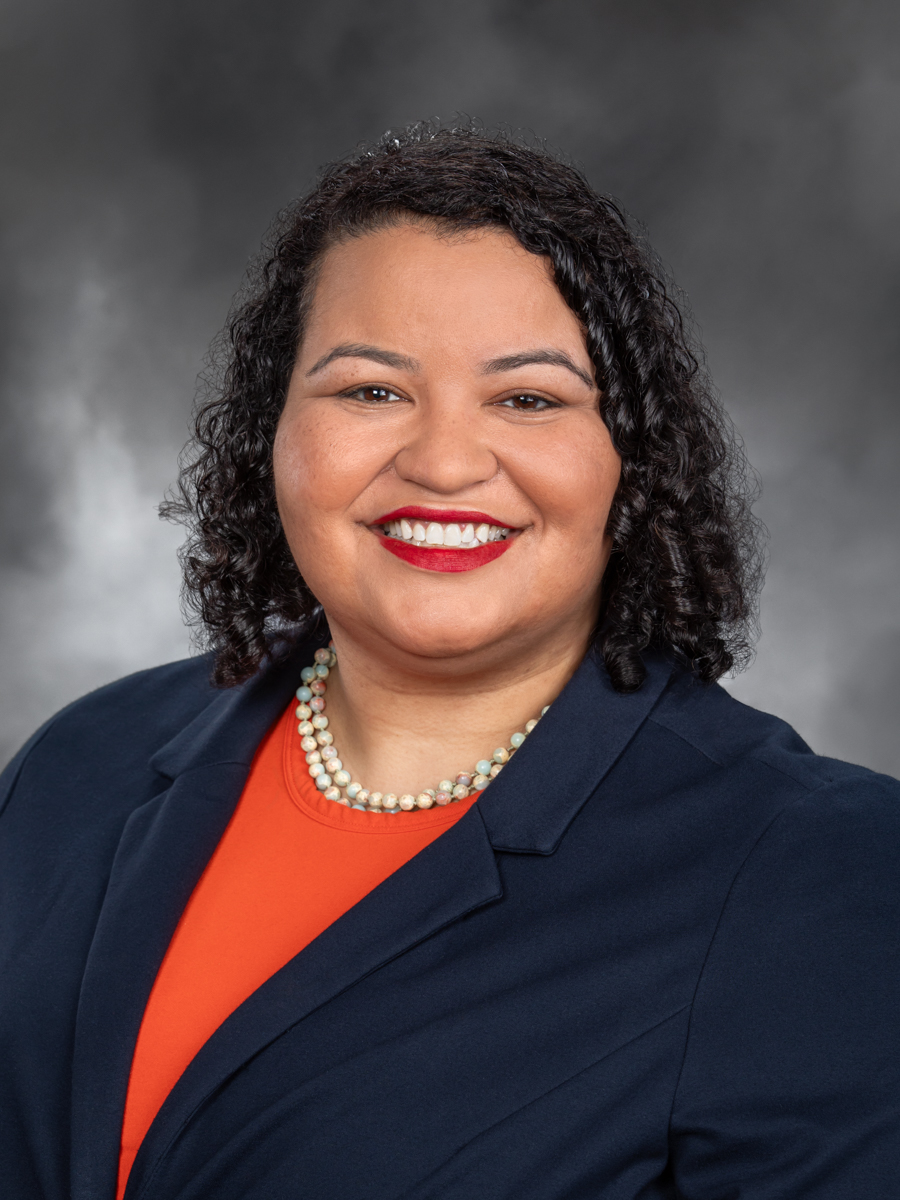
Photo of Julia Reed
D Washington House · District 36 On the 2026 ballot

Rep. Julia Reed

Compare
Total votes
2,532
all sessions
Attendance
99%
15 missed
Near the chamber average
With party
98%
of cast votes
Near the chamber average
Bipartisan score
1%
crosses aisle rarely
Near the chamber average
Sponsored
1,244
bills & resolutions
Higher than 97% of chamber peers
Committees
4
assignments
1,244 bills and resolutions

Sponsored bills

Total
1,244
Primary
42
Co-sponsor
1,202
This page
1,244
matching current filters
Co-sponsor HB 2664
Signed into law · Washington House · Co-sponsor
Modifying requirements for service of unlawful detainer notices and other notices served in the same manner.

Maddy summaryHB 2664 modifies how eviction notices (unlawful detainer notices) and similar legal notices must be delivered in Washington state. It clarifies service methods when tenants are absent or untraceable, allowing notices to be left on the property and mailed to the last known address, with a mandatory 5-day waiting period after mail delivery before eviction actions can begin. The bill directly affects tenants facing eviction, landlords seeking possession, and property management companies (including corporate owners). Key provisions specify acceptable service locations, required mailing procedures, and define how subtenants are handled in lodging situations.

Signed into law Mar 23, 2026 1 co-sponsor
Co-sponsor HB 2296
Signed into law · Washington House · Co-sponsor
Expanding the use of distributed energy resources.

Maddy summaryHB 2296 allows Washington homeowners to install one small, customer-owned energy device (like solar panels or battery systems) on their home electricity meter, subject to safety and compatibility rules. Utilities must approve these devices within 90 days (for large utilities) or 180 days (for small utilities), cannot ban them locally, and must post approval decisions online. Devices must meet national safety standards, work with smart meters, not interfere with utility access or meter functions, and be certified by a testing lab. Homeowners pay for any utility service work related to the device installation, and utilities cannot be held liable for damage caused by approved devices. This directly affects residential electricity customers and utilities across Washington.

Signed into law Mar 23, 2026 1 co-sponsor
Co-sponsor HB 2384
Signed into law · Washington House · Co-sponsor
Increasing regulatory oversight of continuing care retirement communities.

Maddy summaryHB 2384 increases regulatory oversight for continuing care retirement communities (CCRCs) in Washington State. The bill requires CCRCs to submit detailed financial disclosures - including audited financial statements and actuarial analyses for "life care contracts" (type A contracts covering lifelong care) - when applying for or renewing registration. It sets a 60-day processing timeline for applications, makes registrations valid for two years (non-transferable), and mandates specific disclosures about entrance fees and services. This directly affects CCRCs that offer long-term residency agreements with upfront fees covering future care, ensuring financial transparency and accountability for residents. The key new requirement for life care contracts takes effect July 1, 2027.

Signed into law Mar 23, 2026 1 co-sponsor
Co-sponsor HB 2385
Signed into law · Washington House · Co-sponsor
Concerning the medicaid access program.

Maddy summaryHB 2385 creates a Medicaid Access Program requiring Washington State to increase reimbursement rates for specific medical services (like anesthesia, surgery, behavioral health, and maternal care) that are currently paid at or below Medicare rates. These rates must be raised uniformly to match Medicare rates from the prior year, using funds collected in a dedicated account, and adjusted annually using the Medicare Economic Index after federal approval is secured. The bill mandates a study starting in 2032 to evaluate if these rate increases improve Medicaid access, tracking metrics like provider participation and patient access surveys. It also sets a 2032 deadline for federal approval, after which the program expires if approval isn't granted.

Signed into law Mar 23, 2026 1 co-sponsor
Co-sponsor HB 2178
Signed into law · Washington House · Co-sponsor
Concerning court rules and procedures.

Maddy summaryHB 2178 updates Washington state court rules and procedures for civil infractions (noncriminal violations like traffic tickets). It expands the definition of "physical damage" to include digital records and computer systems, and clarifies requirements for civil infraction notices, including mandatory content about penalties and response deadlines. The bill sets specific monetary penalties for different classes of infractions (e.g., up to $500 for certain littering or firearm violations) and details how courts must handle payment plans or collection. These changes directly affect courts, enforcement officers issuing notices, and individuals cited for civil infractions.

Signed into law Mar 23, 2026 1 co-sponsor
Co-sponsor HB 2192
Signed into law · Washington House · Co-sponsor
Updating the role of the Washington traffic safety commission in identifying the risk factors that lead to roadway fatalities.

Maddy summaryHB 2192 updates Washington's Traffic Safety Commission to more systematically identify risk factors causing roadway fatalities. It establishes a new "fatality review committee" of traffic safety experts to analyze collisions resulting in death or serious injury, including those involving bicyclists, pedestrians, and motorists. The bill amends the Commission's purpose to focus explicitly on identifying these risk factors and coordinating statewide safety programs. This change directly affects the Commission's operations and how collision data is reviewed to inform future safety initiatives.

Signed into law Mar 23, 2026 1 co-sponsor
Primary HB 1501
Signed into law · Washington House · Lead sponsor
Concerning inquiries into association governance or operations by unit owners in common interest communities.

Maddy summaryHB 1501 requires associations in common interest communities (like homeowners' associations and apartment buildings) to respond in writing to unit or apartment owners' written inquiries about governance or operations within 30 days. If a legal opinion is needed, the association must provide a response within 60 days. Failure to comply bars the association from recovering legal fees in related disputes. The law applies to all such associations in Washington State and expires on January 1, 2028.

Signed into law Mar 23, 2026 0 co-sponsors
Co-sponsor HB 1155
Signed into law · Washington House · Co-sponsor
Prohibiting noncompetition agreements and clarifying nonsolicitation agreements.

Maddy summaryHB 1155 prohibits all noncompetition agreements that restrict employees or independent contractors from working for competitors or starting their own businesses in Washington State, making such agreements void and unenforceable. It directly affects workers who were subject to these agreements, including those in industries like entertainment, and requires employers to notify affected workers by October 2026 that their noncompetition clauses are invalid. The bill clarifies that nonsolicitation agreements (prohibiting poaching customers or coworkers) remain legal but must be narrowly defined, while excluding confidentiality, trade secret, and franchise agreements from the prohibition. Violations by employers carry penalties of $5,000 per violation plus legal fees, ensuring workers can pursue enforcement without restrictive contracts.

Signed into law Mar 23, 2026 1 co-sponsor
Co-sponsor HB 1302
Signed into law · Washington House · Co-sponsor
Concerning utility connection charge waivers.

Maddy summaryHB 1302 allows local governments that operate municipal utilities to waive connection charges for public or private organizations utilizing industrial symbiosis. Industrial symbiosis involves collaboration among businesses to exchange materials, energy, and byproducts to optimize resource use and enhance environmental and economic outcomes. This bill aims to encourage the development and use of sustainable technologies and promote resiliency. It specifies that waived charges must be funded through general funds, grants, or other revenue streams, and maintains existing provisions for waiving charges for affordable housing providers.

Signed into law Mar 23, 2026 1 co-sponsor
Co-sponsor HB 1634
Signed into law · Washington House · Co-sponsor
Providing school districts and public schools with assistance to coordinate comprehensive behavioral health supports for students.

Maddy summaryHB 1634 establishes regional school safety centers in Washington state to help public school districts coordinate behavioral health support for students. The centers will provide training for school staff on suicide prevention, facilitate partnerships between schools and community health providers, offer Medicaid billing assistance, and support school-based threat assessment programs. This bill directly affects all public school districts, their staff (including counselors and psychologists), and students needing behavioral health services by improving access to existing resources through coordinated planning. It amends state law to require these centers to work with tribes and community partners to ensure culturally responsive support. The bill focuses on strengthening existing systems rather than creating new programs.

Signed into law Mar 23, 2026 1 co-sponsor
Showing 31 to 40 of 1,244 bills
Previous 1 3 4 5 125 Next