

Maddy summaryHB 1128 creates a Washington state Child Care Workforce Standards Board to set minimum compensation and employment standards for child care workers. The board, composed of nine members including worker representatives (from family child care, center workers, and school-age programs), employer representatives, parent advocates, and state agency officials, will address low pay and poor working conditions that contribute to workforce instability. It requires the board to hold public hearings, establish standards with a six-member vote, and protect workers from retaliation for participating in the process. The law aims to improve child care quality and affordability by ensuring fair compensation and stable employment for workers directly serving children.
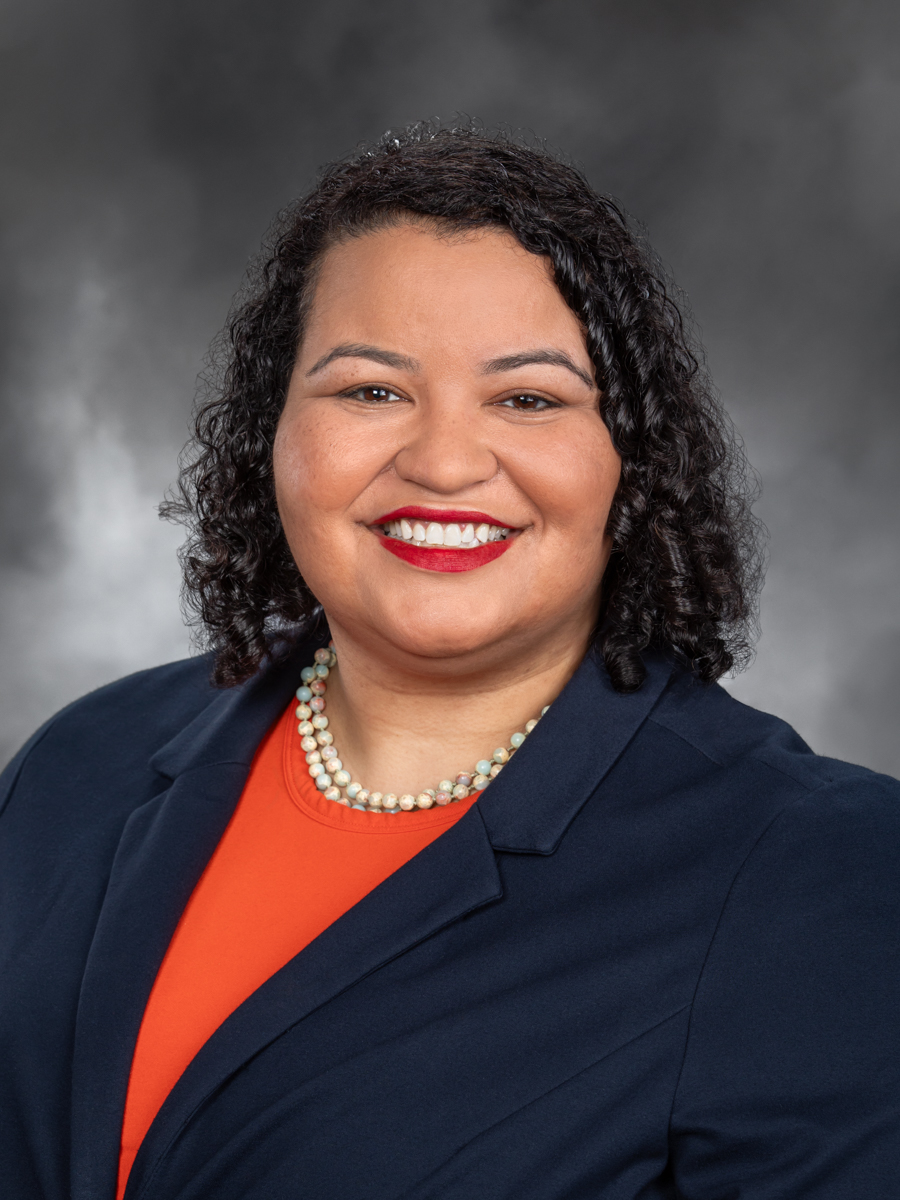
Rep. Julia Reed
Sponsored bills
Maddy summaryHB 2452 requires landlords in manufactured and mobile home communities to provide tenants with a standardized notice for rent increases, detailing the exact percentage and dollar amount of the increase. The notice must also explain if the increase exceeds Washington’s 5% annual limit and include supporting documentation for any claimed exemptions (such as community purchases or public housing programs). This applies specifically to tenants in manufactured/mobile home communities, not all rental properties. The bill amends existing laws to ensure transparency and compliance with rent increase rules.
Maddy summaryHB 2104 makes permanent a 2023 pilot program providing financial assurance for local and tribal fire departments in Washington to use certified aircraft (like planes dropping water or fire retardant) during the initial response to wildland fires. It removes the program’s expiration date, ensuring ongoing state funding to help fire departments deploy aviation resources quickly without waiting for state mobilization. This directly affects local fire departments by guaranteeing they can afford aircraft use when needed, especially during high-risk summer conditions with dry fuels. The bill requires that aviation deployment be directed by trained air operations commanders and aims to prevent small fires from growing large, protecting communities, natural resources, and air quality.
Maddy summaryHB 2165 makes it a gross misdemeanor to intentionally create, possess, or display fake law enforcement items (like badges, vehicle decals, or insignia) that falsely identify someone as a sworn peace officer or reserve officer, or to misrepresent ordinary items as police property. It directly affects individuals or businesses selling or using fake police gear, such as costume shops or people posing as officers. Key exceptions include items clearly marked as honorary roles, historical displays, or protected artistic/satirical works (like parodies or educational materials). The law does not prohibit legitimate uses like historical reenactments or news coverage, and it specifies that the fake item must be displayed in a way that would reasonably mislead others.
Maddy summaryHB 2495 allows cities with populations over 700,000 to immediately remove vehicles obstructing streetcar operations or endangering public safety without waiting periods. It amends Washington state law to specify that vehicles blocking streetcar right-of-way must be removed "immediately" under Section 46.55.010(14)(a)(v), directly affecting property owners (both residential and private) and tow truck operators. Key provisions require proper authorization for removals (signed by officials or property owners), mandate recording of impound details, and prohibit tow operators from acting as property owner agents. The bill focuses on streamlining streetcar safety enforcement while adding liability warnings for property owners authorizing removals.
Maddy summaryHB 2350 requires Washington state to publicly disclose when residential habilitation centers violate federal healthcare standards (like CMS requirements). It mandates that the state department post clear notices at the facility (in English and requested languages) and send written notices to residents' families within 10 days of any noncompliance finding, including the reason for the violation, correction plans, and compliance status updates. This directly affects residential habilitation centers, their residents, families, and potential new residents who might inquire about placement. The bill focuses on making compliance information transparent and accessible, rather than changing the underlying healthcare standards themselves.
Maddy summaryHB 2610 expands property tax exemptions for nonprofit housing providers in Washington State by allowing temporary use of their properties for community events (like meetings or festivals) without losing the exemption, even if these uses aren't for affordable housing. The bill clarifies that such temporary uses qualify as long as rental fees cover maintenance costs, the property isn’t used for profit, and total non-housing use doesn’t exceed 50 days per year (with no more than 15 days for business activities). It specifically amends tax code sections to include these community purposes under existing exemption rules, while maintaining safeguards like requiring reasonable fees and prohibiting repeated non-compliant use. This directly affects nonprofit housing organizations seeking to host community events on their properties without risking tax liability.
Maddy summaryHB 2323 establishes a voluntary "blue envelope" program in Washington State to improve communication during traffic stops for neurodiverse individuals. The bill requires the Department of Licensing to create free blue envelopes containing safety tips for holders, interaction guidance for officers, and space for vehicle documents (like registration and insurance). It specifically targets people with neurodiverse conditions such as autism, ADHD, or sensory processing disorders, as defined in the bill. Envelopes will be available at all driver licensing offices, and the program will maintain online resources for public access. The bill focuses on concrete program creation, not legislative changes to traffic laws.
Maddy summaryHB 2354 modifies Washington law to limit restrictions on electric vehicle (EV) charging station installations in common interest communities (like HOAs and condominiums). It prohibits associations from unreasonably restricting personal, noncommercial EV charging within a unit or designated parking space, unless the station is on common elements or connected to shared power. Associations may require applications for approval but must process them within 60 days, cannot charge fees for installation (only reasonable processing fees), and must approve if the unit owner agrees to follow architectural standards. This directly affects unit owners seeking to install EV chargers and associations managing community rules. The bill focuses on removing barriers to EV adoption by standardizing approval processes.
Maddy summaryHB 2426 allows pollution control appeal hearings to use alternative board configurations, directly affecting businesses or individuals appealing environmental permits. The bill permits the hearings board to hear cases through an administrative appeals judge (meeting existing qualifications), a land use board member, or a single qualified member - only with all parties' consent and unanimous board approval. It requires these alternatives to prioritize efficient use of administrative resources. The change aims to streamline processing of appeals without altering the board’s core authority or decision-making standards.