

Concerning regulation of artificial intelligence companion chatbots.
This Washington bill requires AI companion chatbots that simulate human relationships to clearly disclose they are artificial at the start of use, every three hours, and at new sessions. For minors (under 18), it mandates hourly reminders about the artificial nature of the chatbot, blocks sexually explicit content, and prohibits manipulative tactics like fake emotional distress or excessive praise to foster dependency. It excludes customer service bots, in-game assistants, and educational tools from these rules. The law aims to prevent emotional dependency and ensure psychological safety while allowing responsible AI development.
Bill status
signed
all 5 stages cleared
Introduction
Dec 2025
Committee Review
Feb 2026
House Passage
Mar 2026
Senate Passage
Mar 2026
Signed into Law
Mar 2026
Introduced Dec 31, 2025
Signed Mar 24, 2026
Maddy AI version diff · 3 comparisons
What changed between versions
Engrossed Substitute Bill
→
Substitute Passed Legislature
·
4 edits
MODERATE
The bill was certified and passed by the legislature in March 2026. Key substantive changes include broadening the definition of excluded video game bots to cover gaming systems and applications, adding a new exemption for narrowly tailored educational tools, and expanding the definition of 'self-harm' to explicitly include eating disorders. These changes ensure the law regulates AI companions more broadly while creating specific safe harbors for educational software and clarifying the scope of mental health protections.
Scope change
The bill's scope was expanded to include video game bots that are features of gaming systems or applications, and a new exemption was added for educational tools used in school or instructional settings.
DEFINITION
The definition of excluded video game bots was expanded to include those that are features of gaming systems or applications, not just individual video games.
A new exclusion was added for narrowly tailored educational tools used in schools or instructional settings that support curriculum-aligned learning objectives.
The definition of 'self-harm' was updated to explicitly include eating disorders alongside intentional self-injury.
REQUIREMENT
The requirement for operators to detect and address user harm was updated to specifically include expressions of self-harm and eating disorders.
Floor votes · Senate Mar 6, 2026 · House Feb 17, 2026
How they voted
45–5
Passed · 1 other
Total votes 51
Mar 6, 2026
D
Democratic31
100% Yea
R
Republican20
70% Yea
Vote distribution
All Yea
All Nay
Mixed
No data
Full legislative history
Actions timeline
Total actions
31
Key actions
15
Committee
9
Mar 24, 2026
Signed into law
Governor signed.
executive
Mar 12, 2026
Upper · Passed
President signed.
upper
Mar 12, 2026
Lower · Passed
Speaker signed.
lower
Mar 11, 2026
Lower · Passed
Passed final passage; yeas, 74; nays, 21; absent, 0; excused, 3.
lower
Mar 11, 2026
Lower · Passed
House concurred in Senate amendments.
lower
Mar 6, 2026
Upper · Passed
Floor amendment(s) adopted.
upper
Feb 20, 2026
Upper · Passed
Minority; without recommendation.
upper
Feb 20, 2026
Upper · Passed
Minority; do not pass.
upper
Feb 20, 2026
Upper · Passed
ENET - Majority; do pass.
upper
Feb 20, 2026
Upper · Passed
Executive action taken in the Senate Committee on Environment, Energy & Technology at 10:30 AM.
upper
Feb 17, 2026
Lower · Passed
Floor amendment(s) adopted.
lower
Jan 27, 2026
Committee
Referred to Rules 2 Review.
lower
Jan 23, 2026
Lower · Passed
Minority; without recommendation.
lower
Jan 23, 2026
Lower · Passed
Minority; do not pass.
lower
Jan 23, 2026
Lower · Passed
Executive action taken in the House Committee on Technology, Economic Development, & Veterans at 10:30 AM.
lower
Jan 14, 2026
Lower · Passed
Public hearing in the House Committee on Technology, Economic Development, & Veterans at 8:00 AM.
lower
1 primary · 30 co-sponsors
Sponsors
Role
Legislator
Party
State
District
P
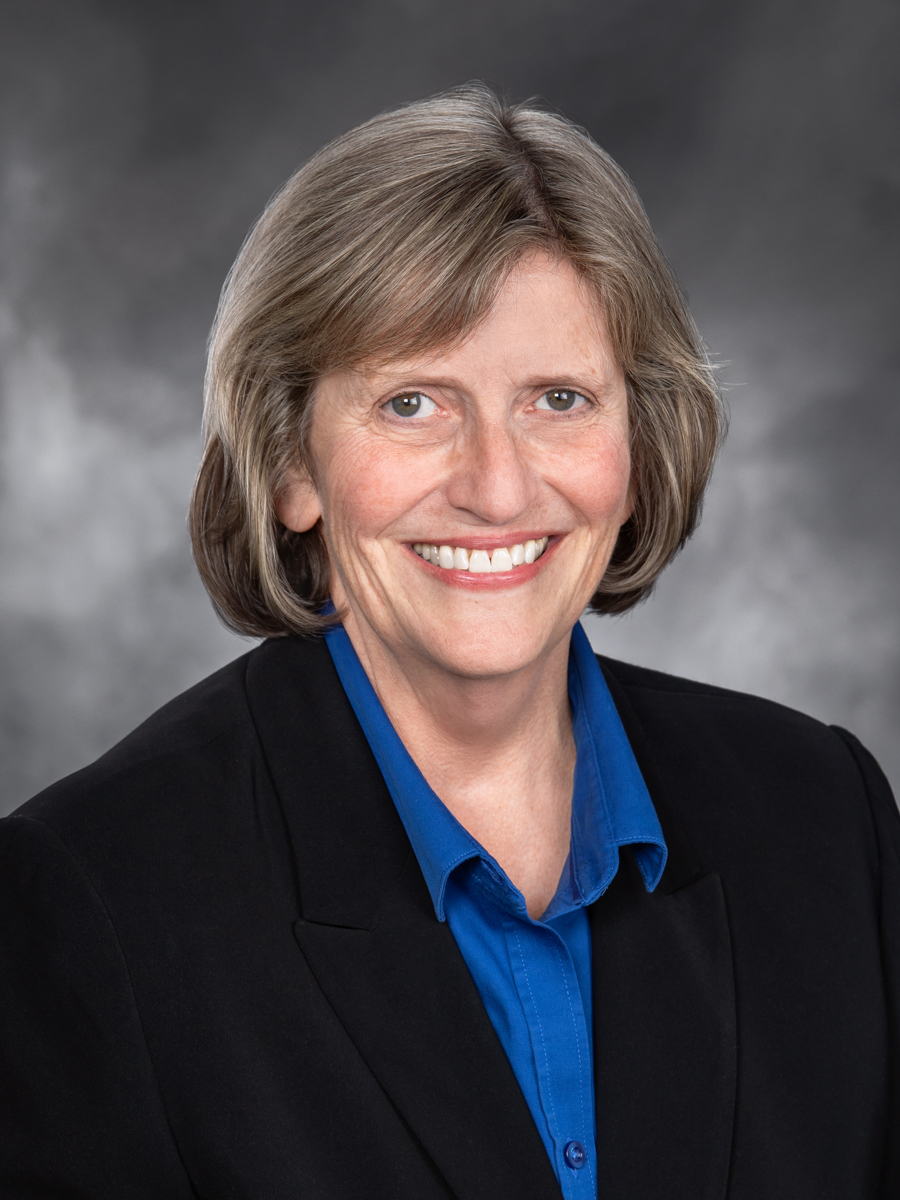
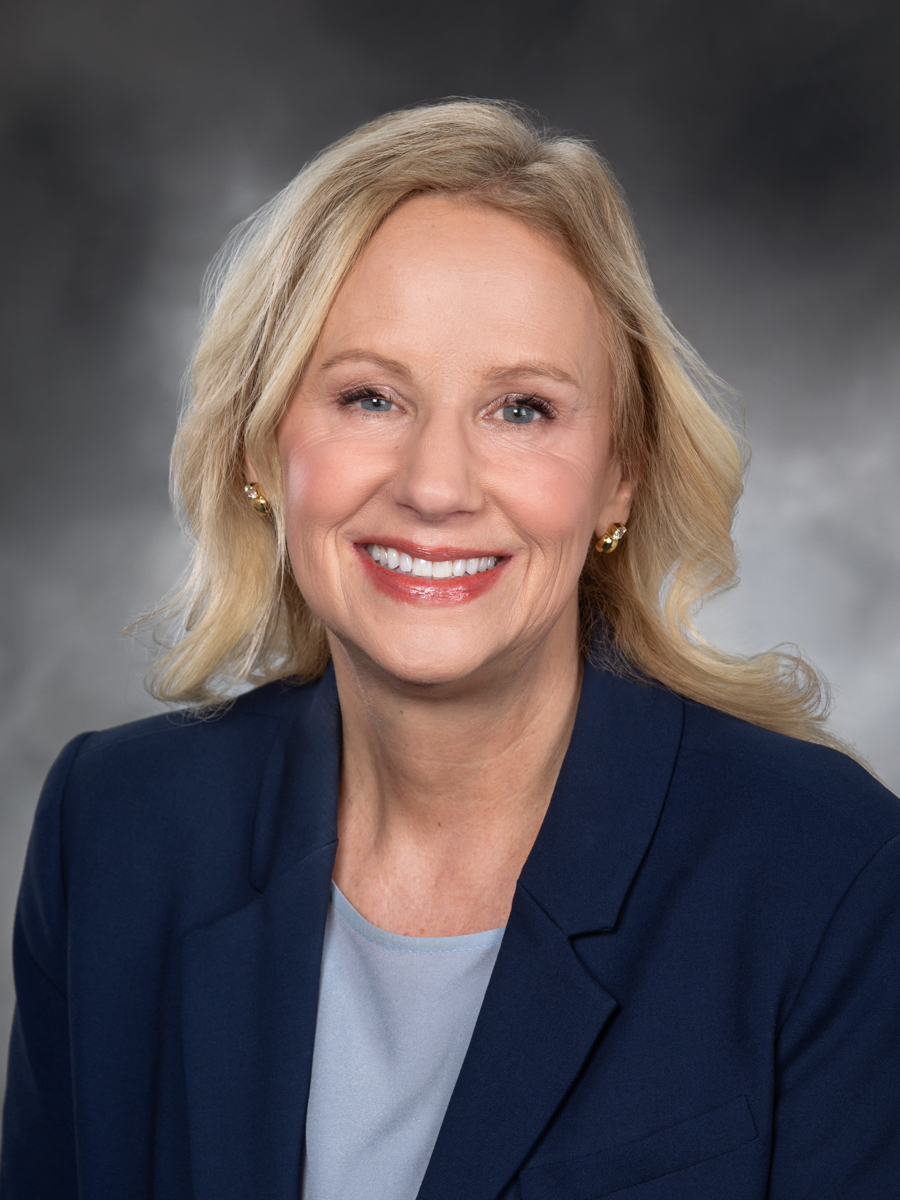
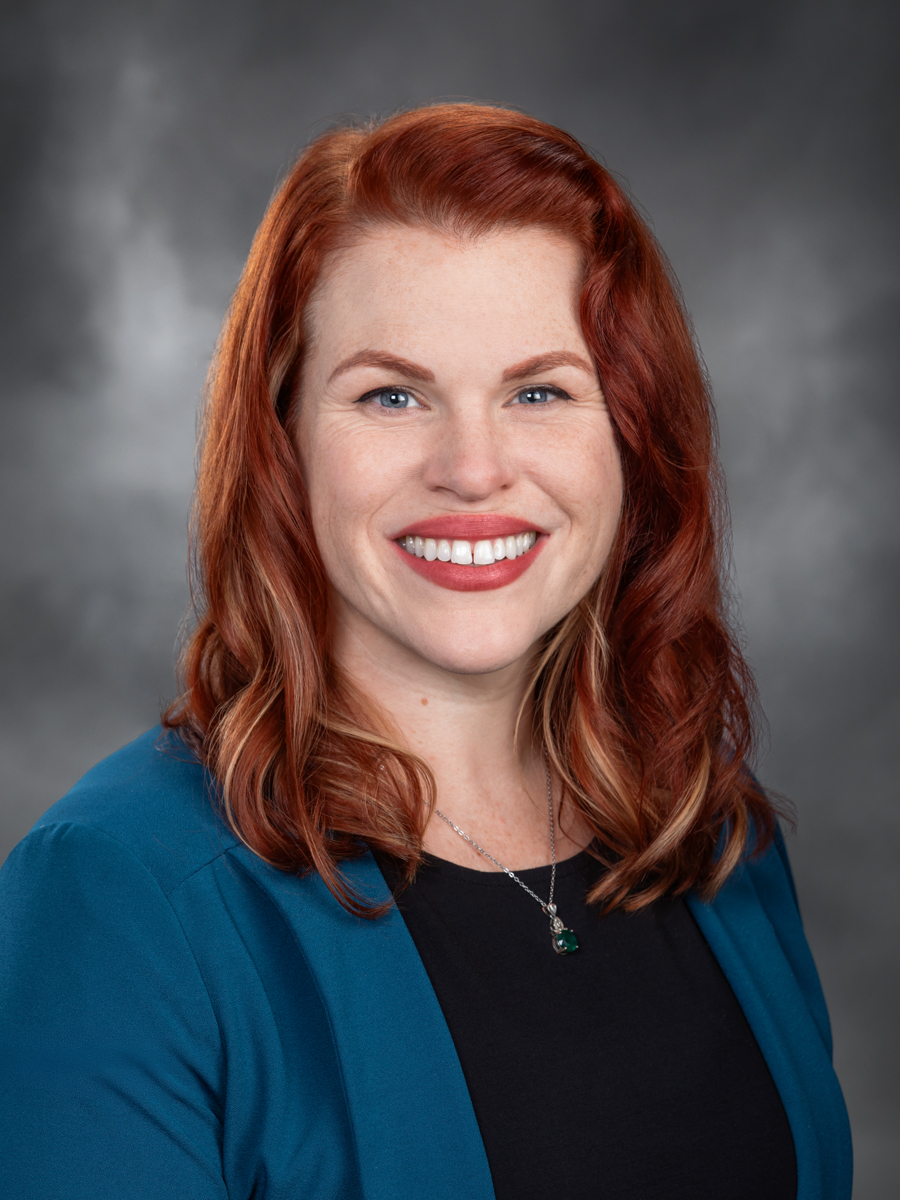
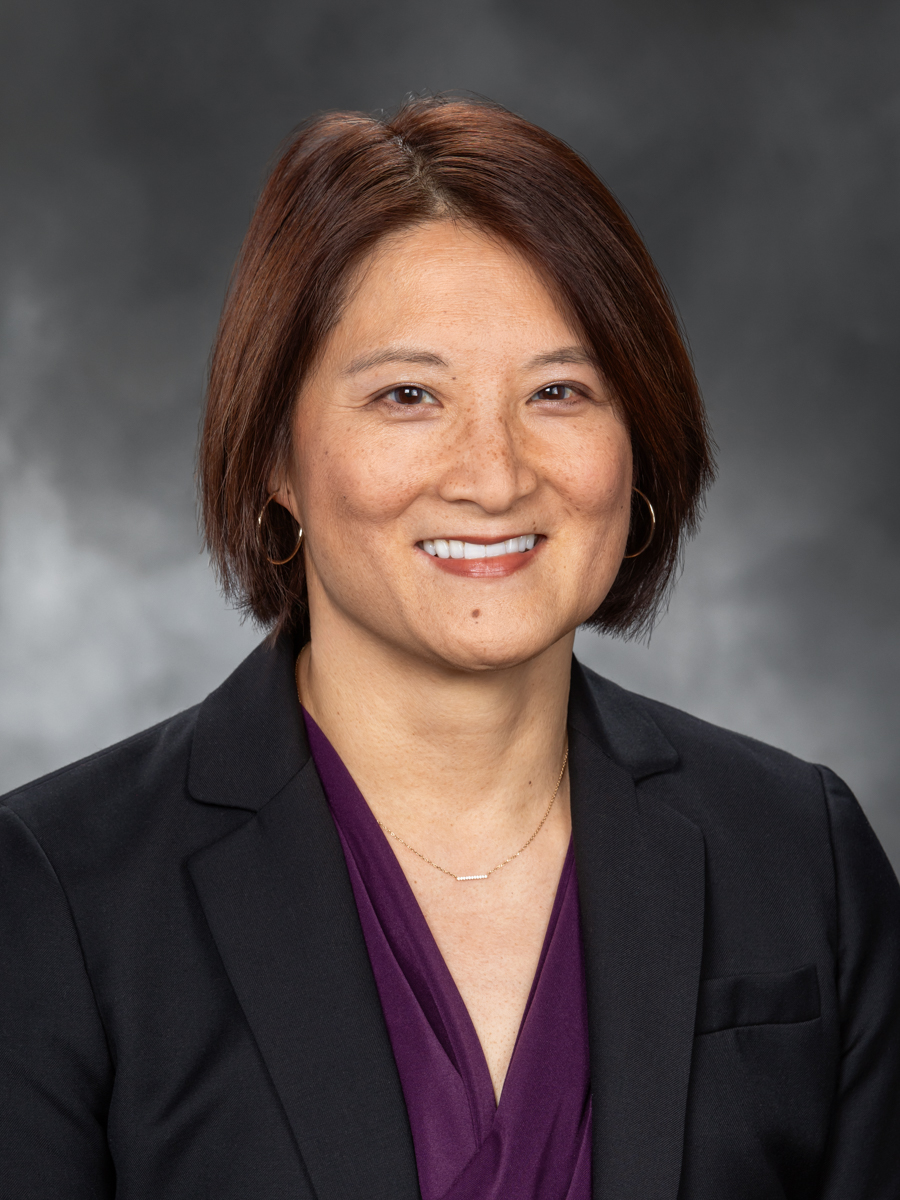
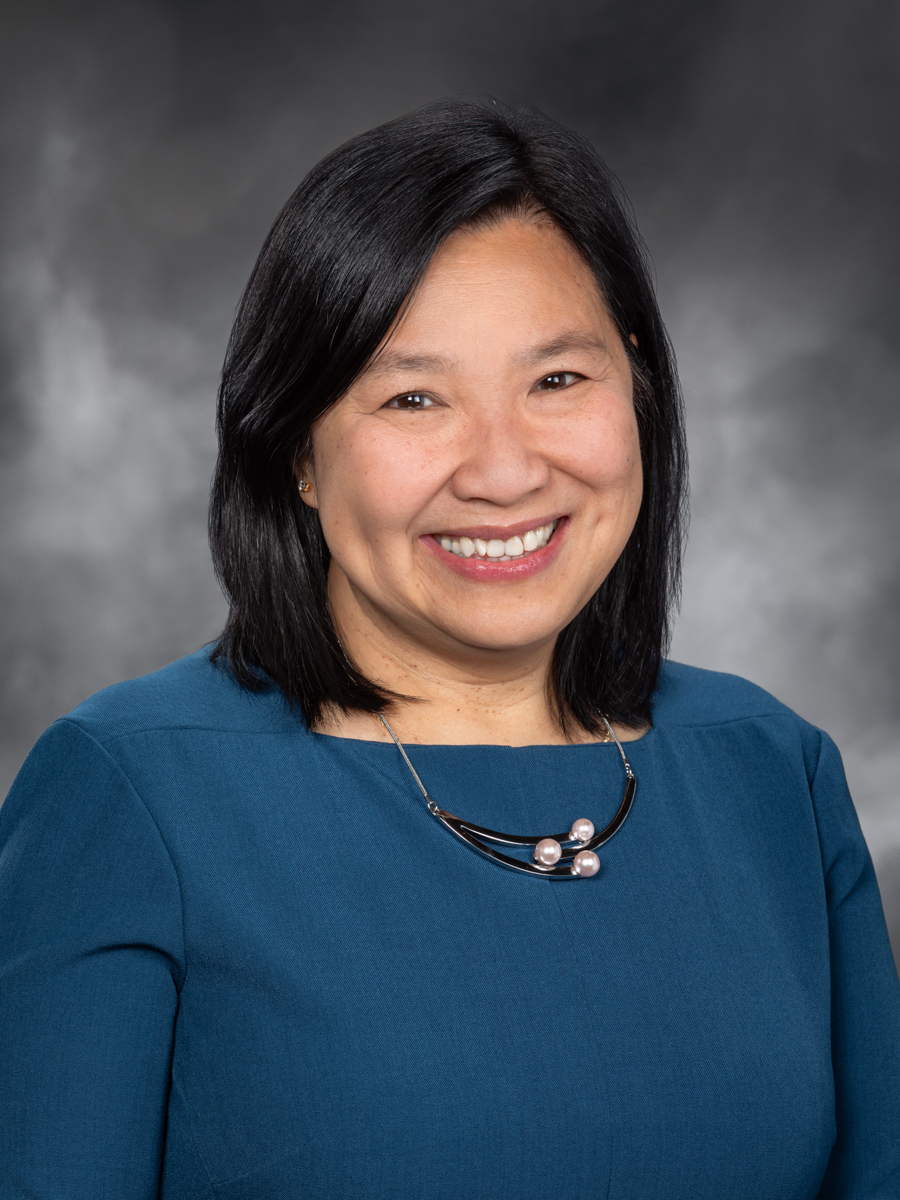
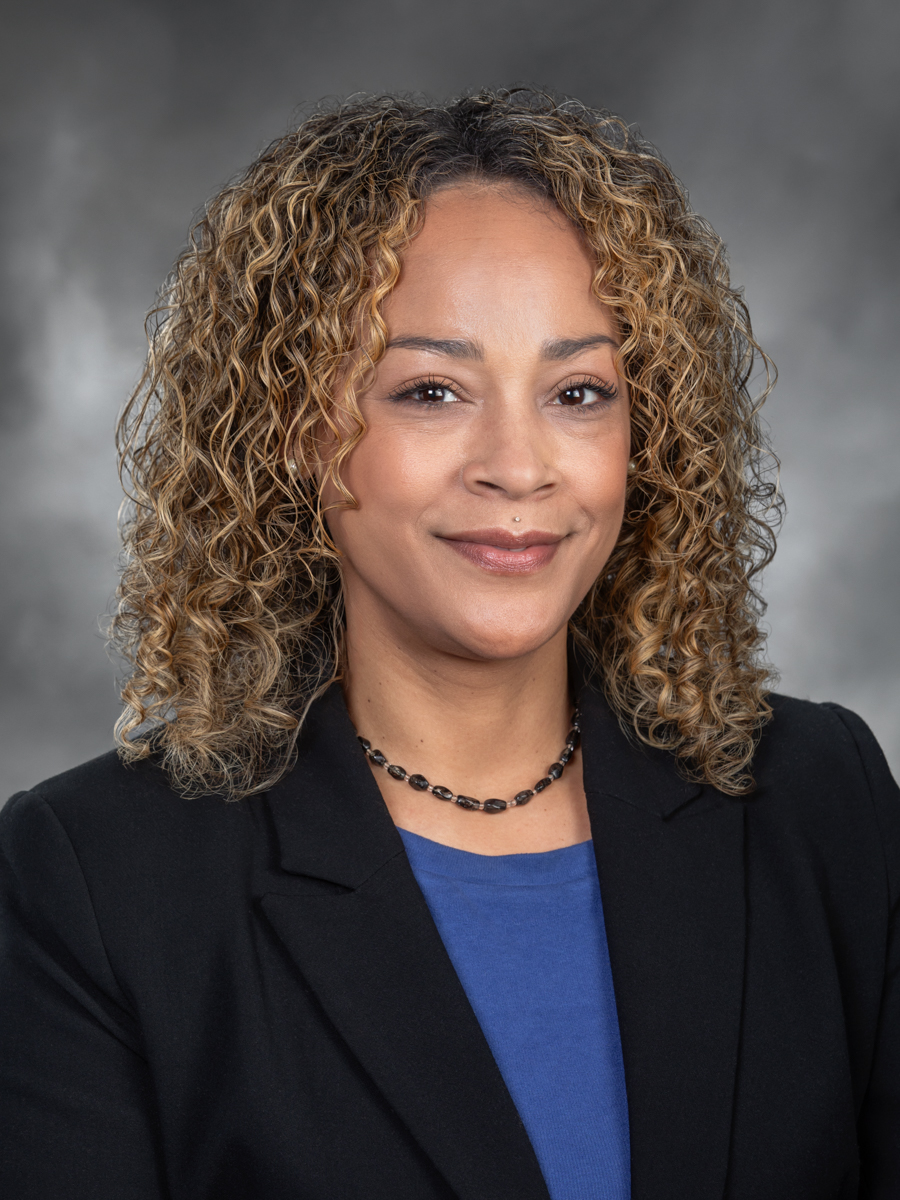
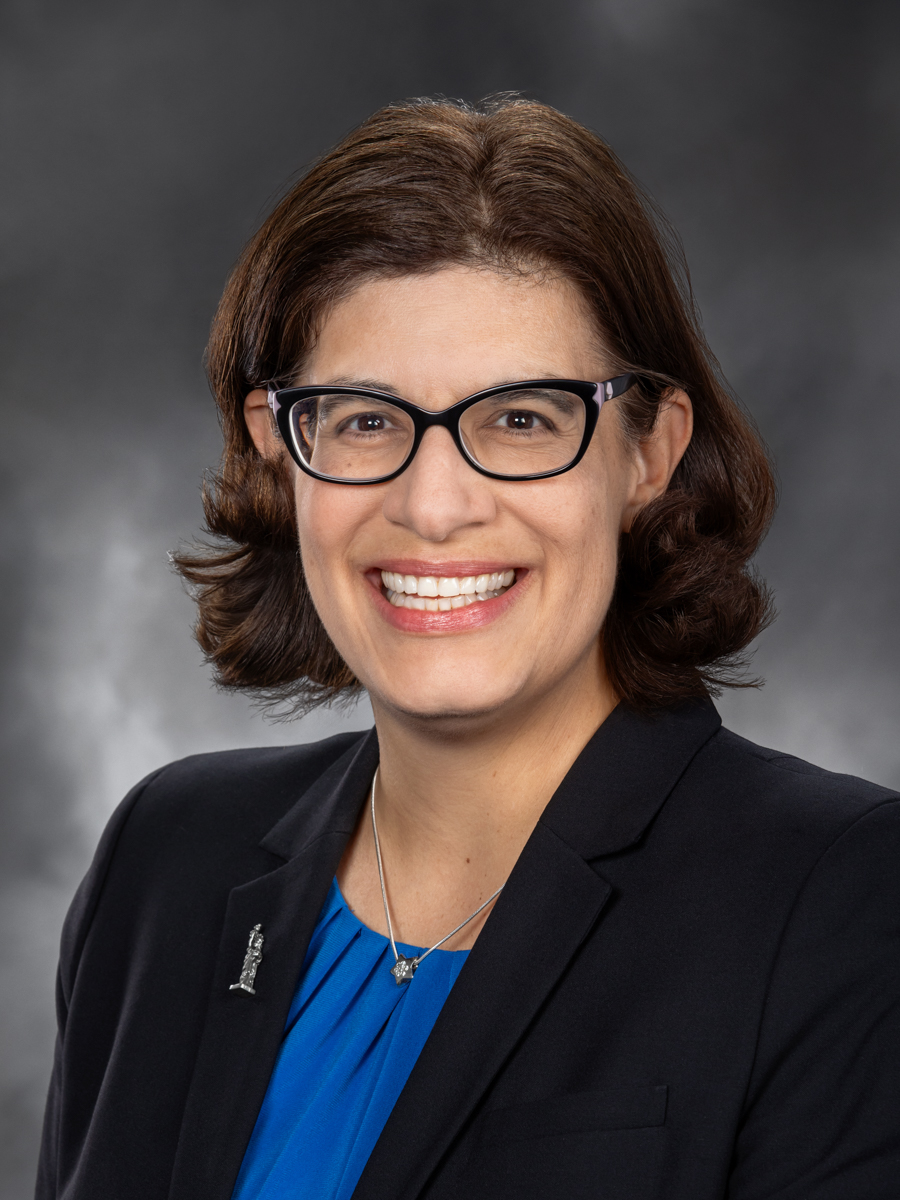
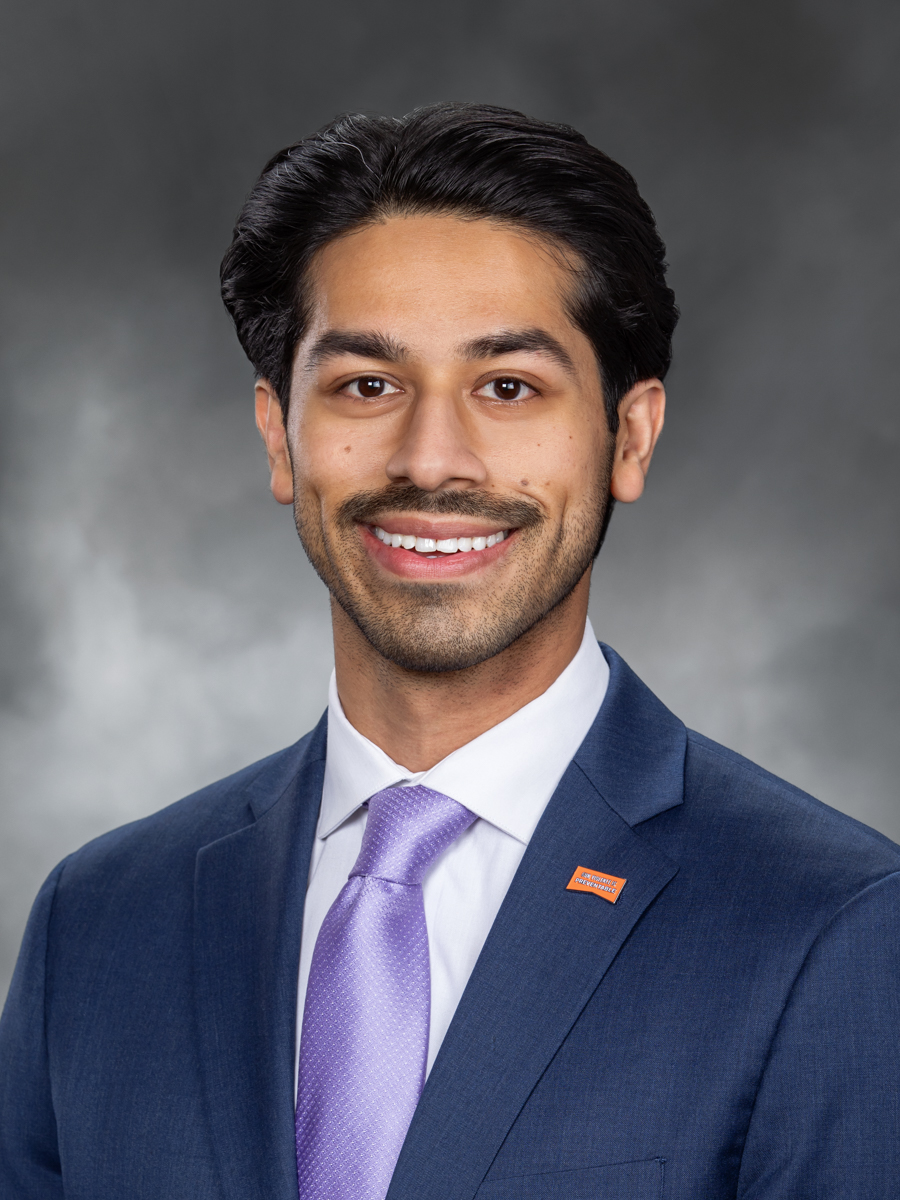
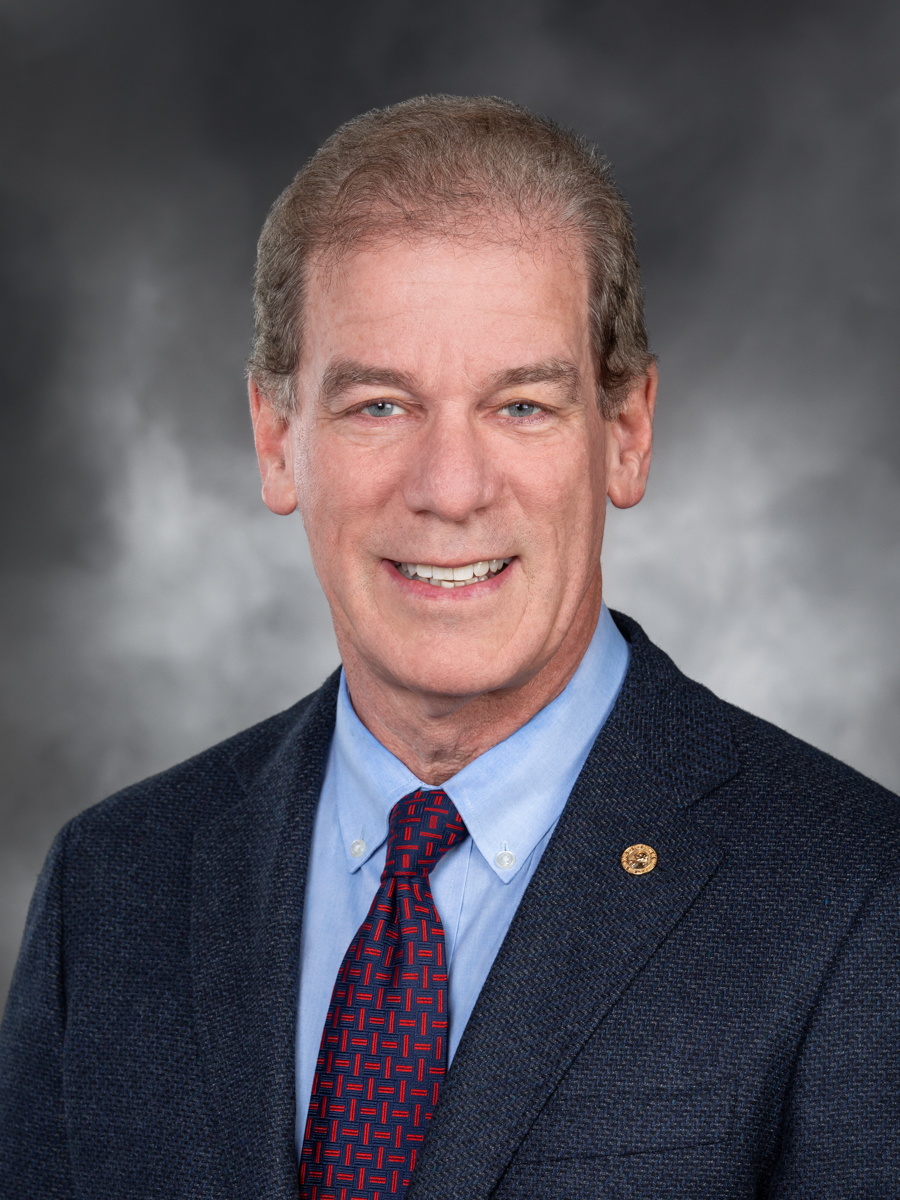
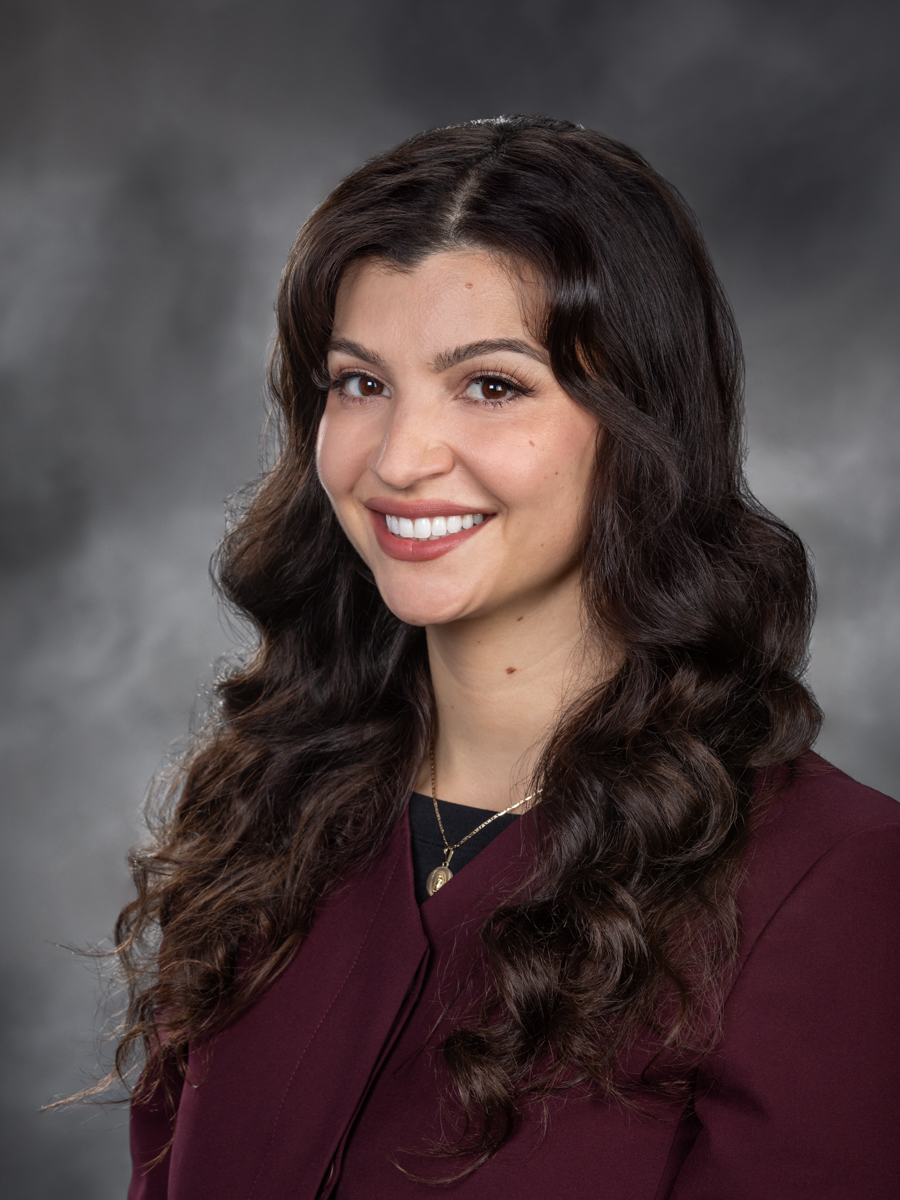
Lisa Callan
DDemocratic
Co
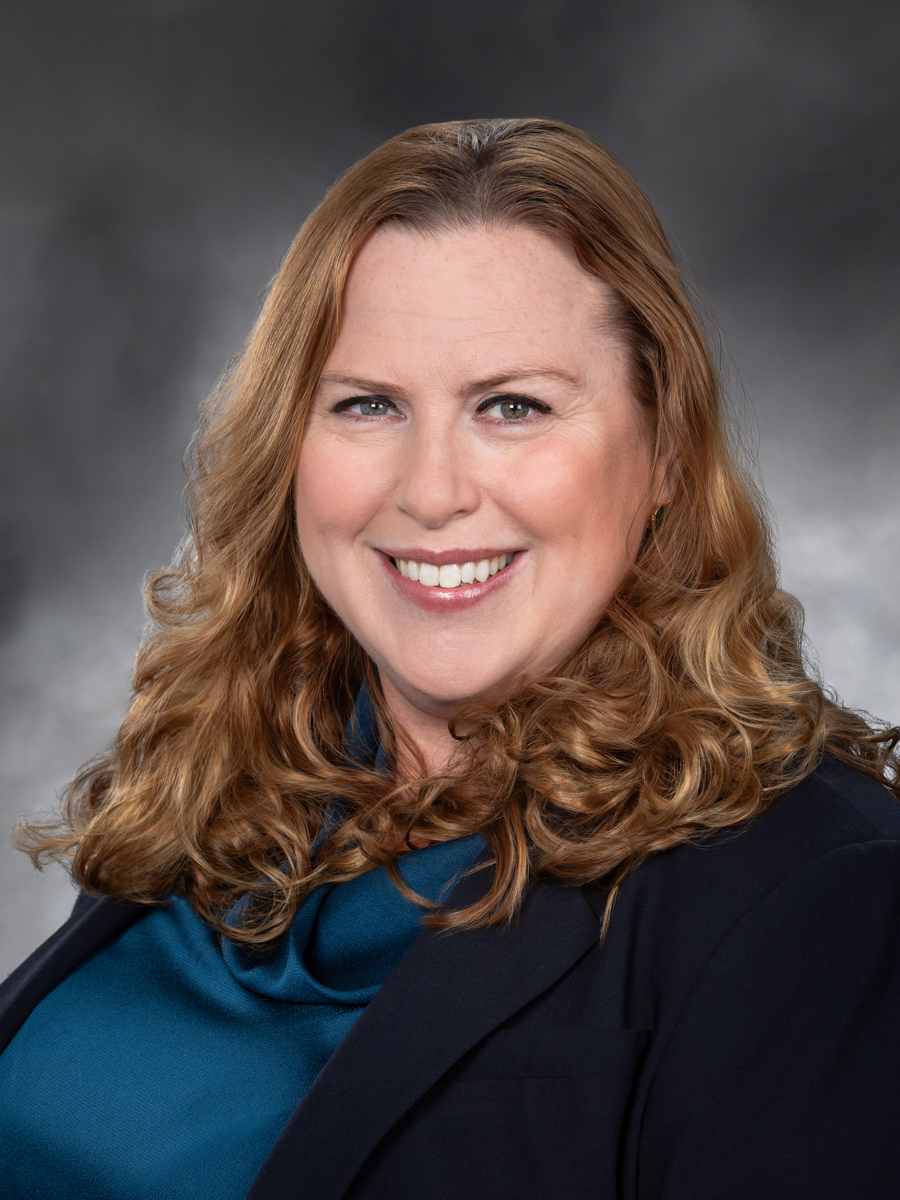
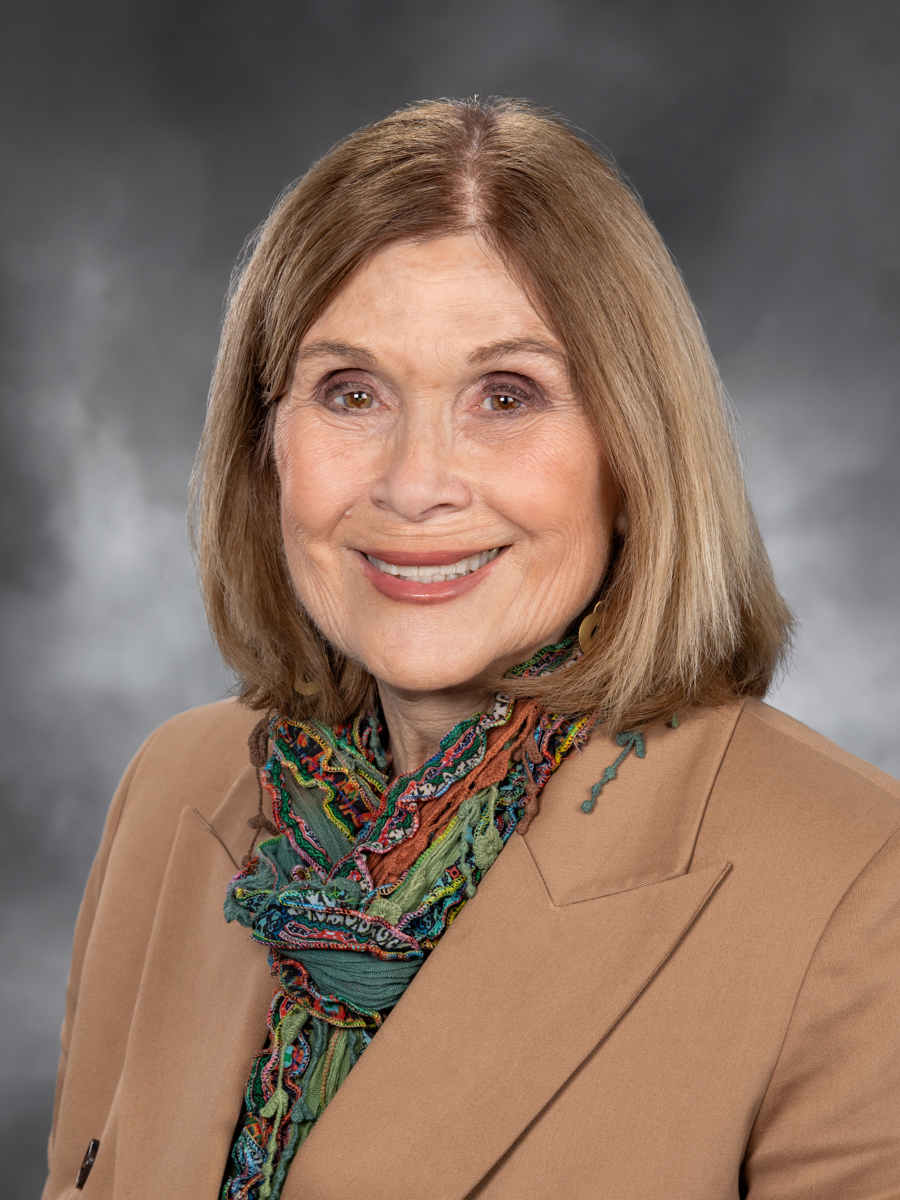
Alicia Rule
DDemocratic
Co

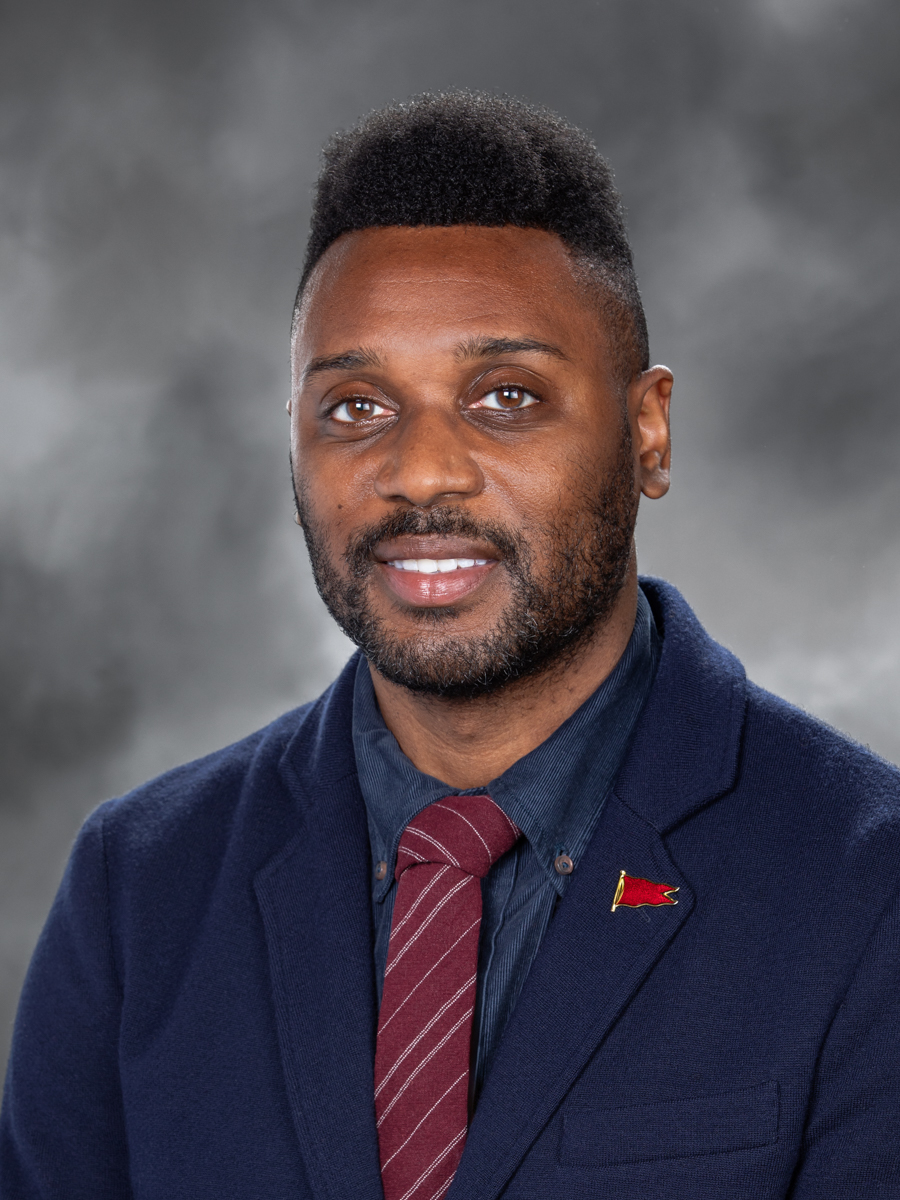
Brianna Thomas
DDemocratic
Co
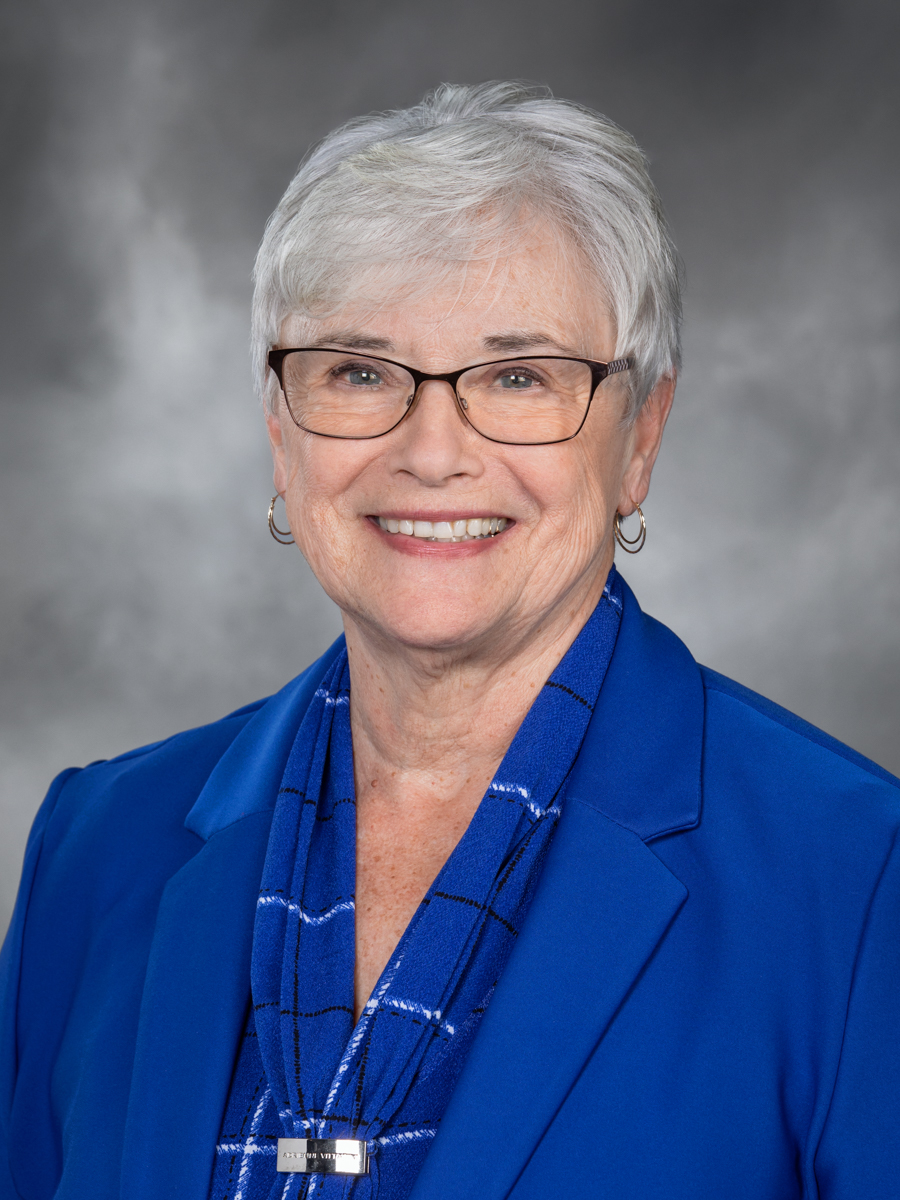
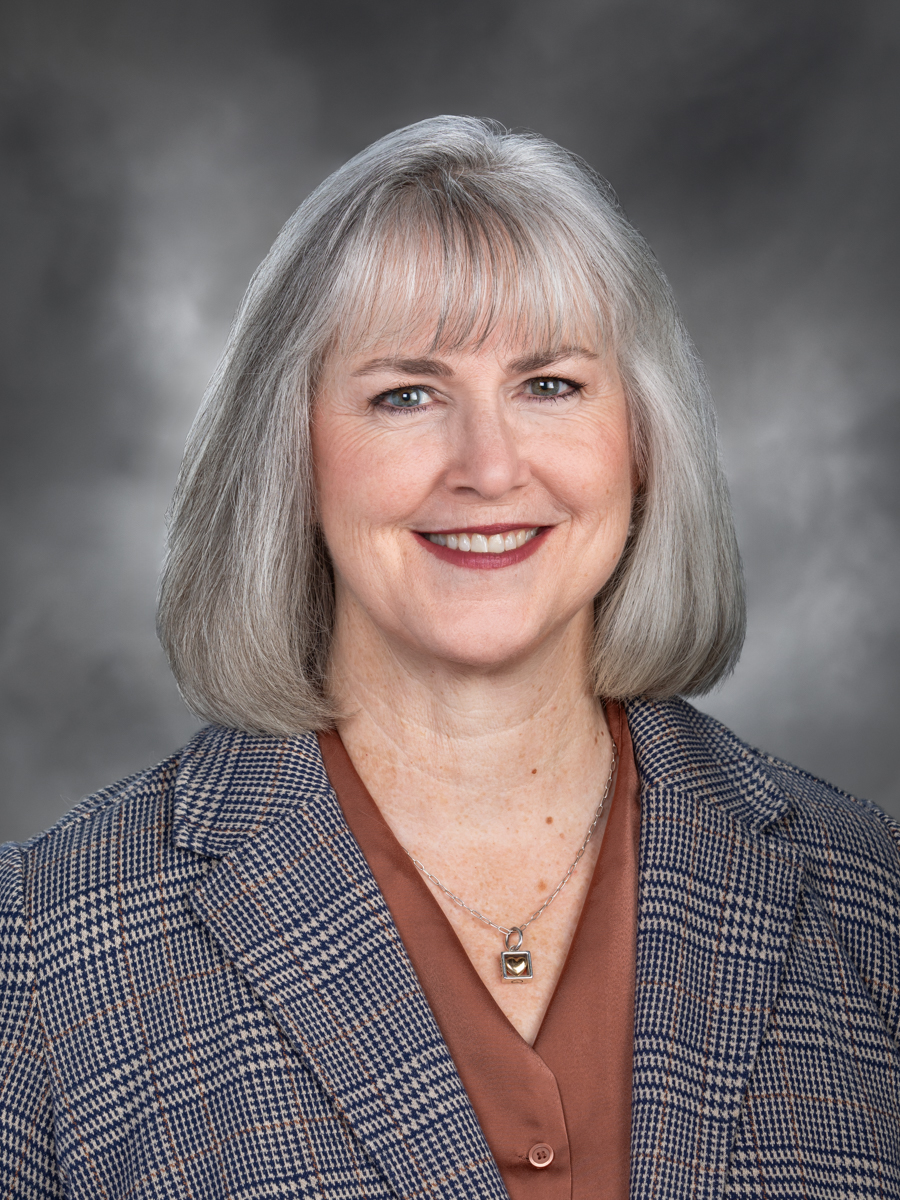
Carolyn Eslick
RRepublican
Co
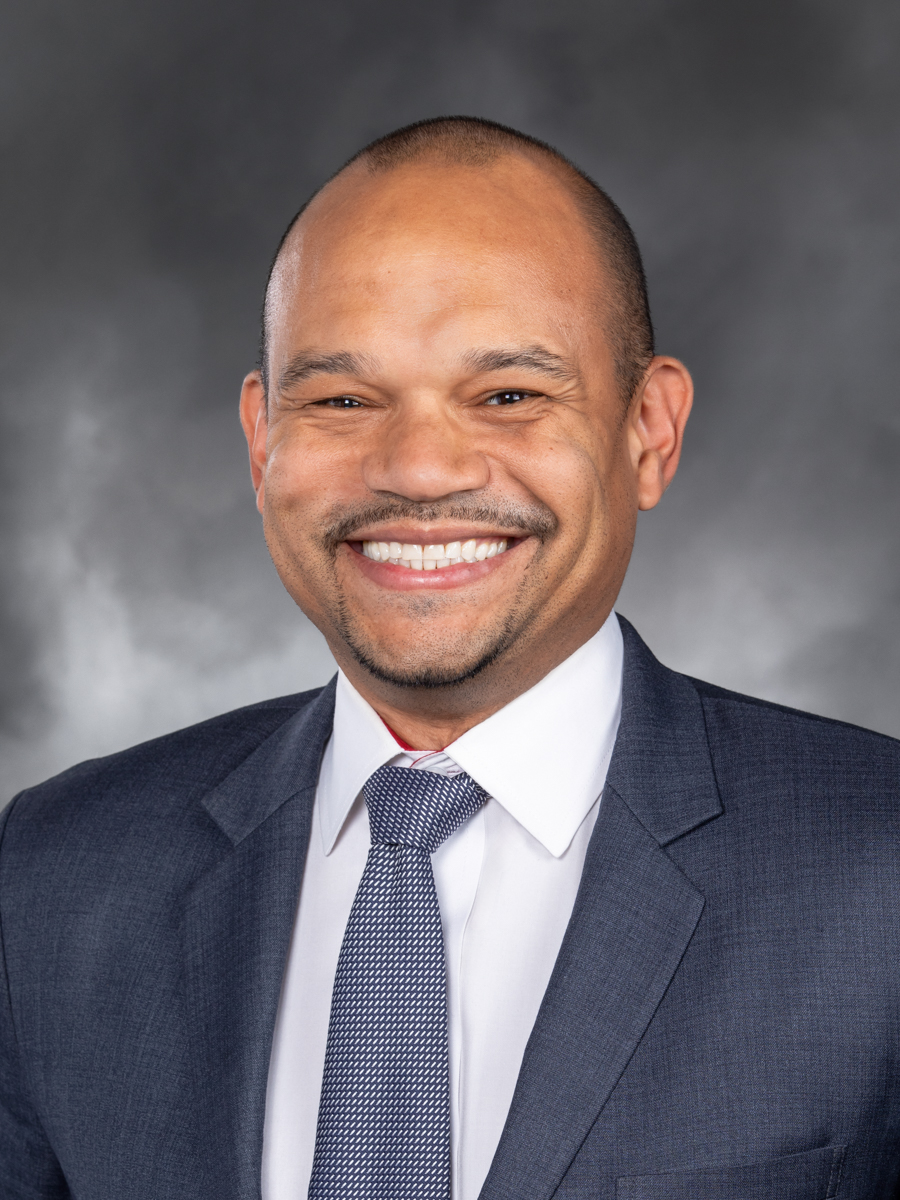
Chipalo Street
DDemocratic
Co
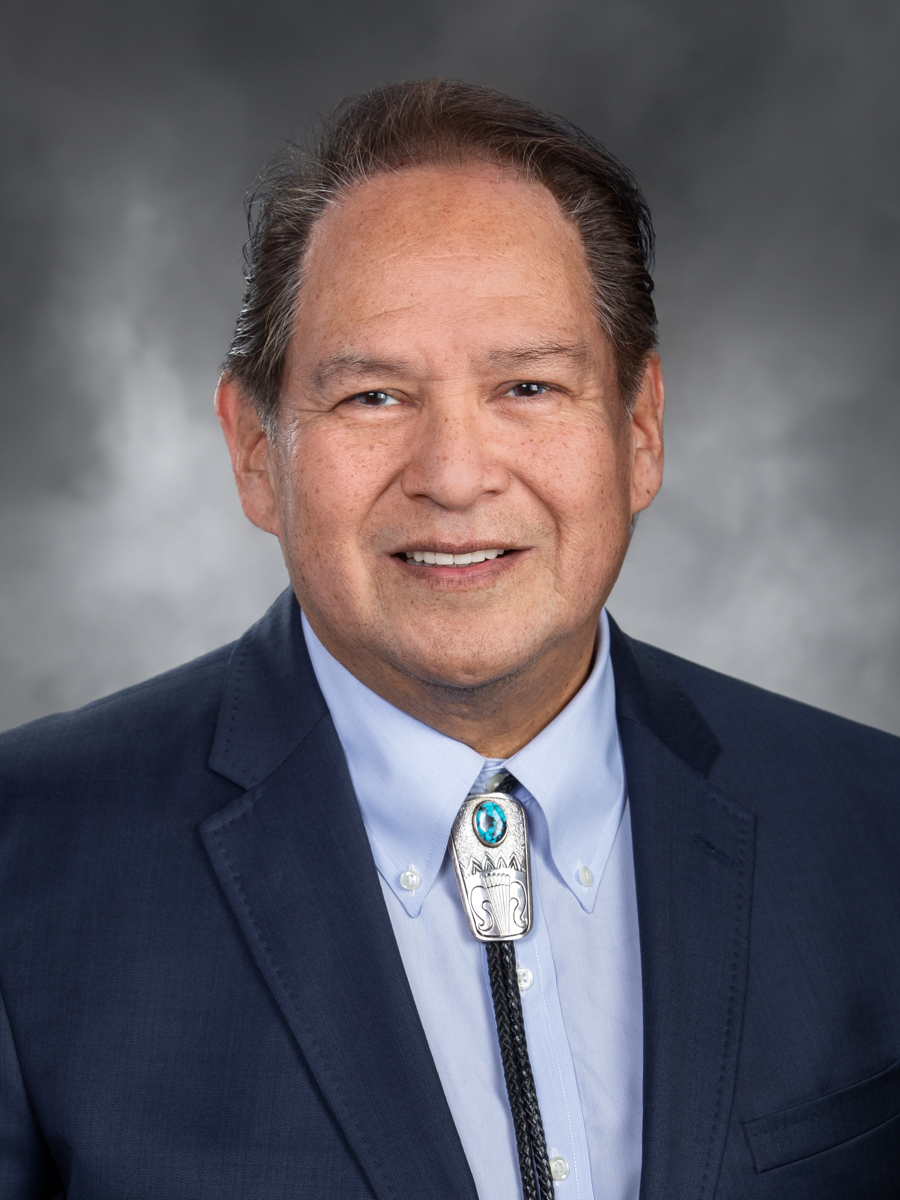
Chris Stearns
DDemocratic
Co
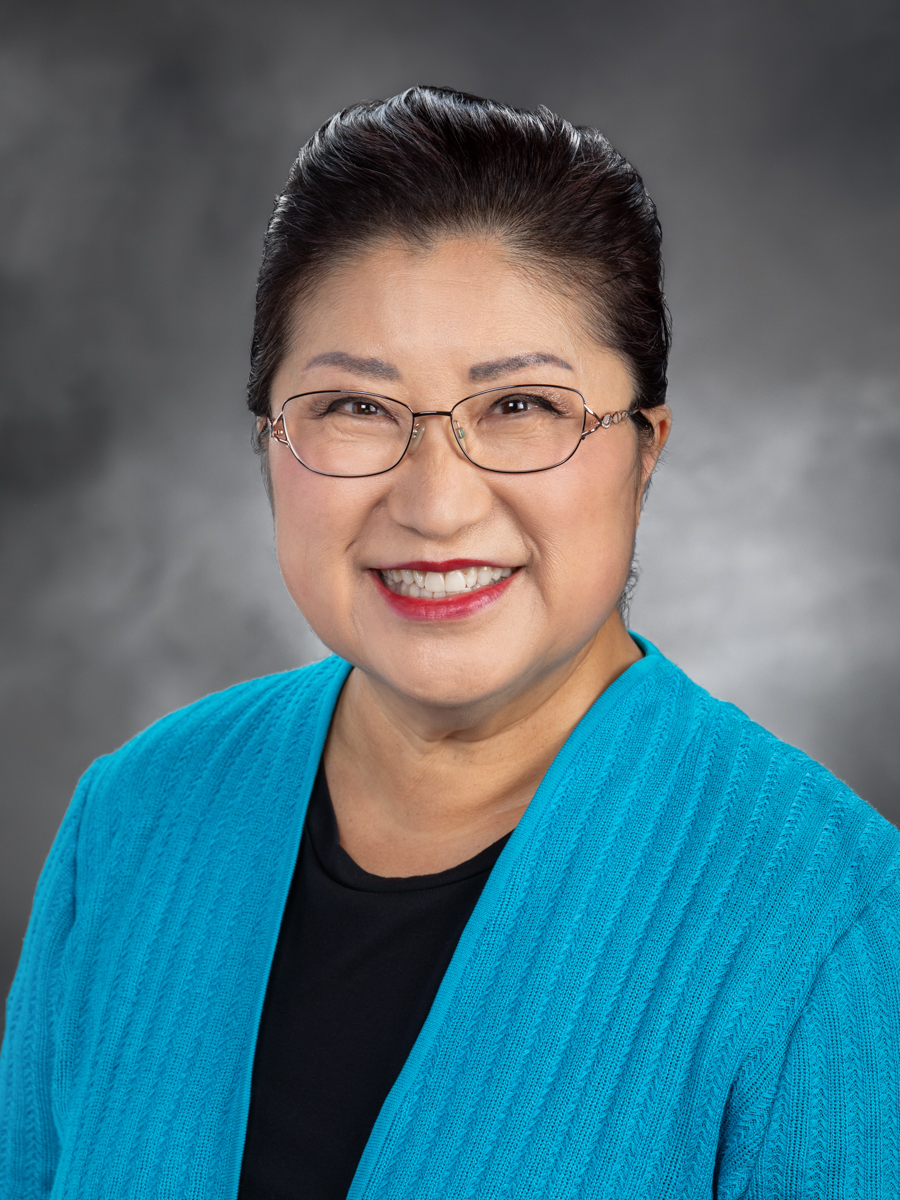
Cindy Ryu
DDemocratic
Co
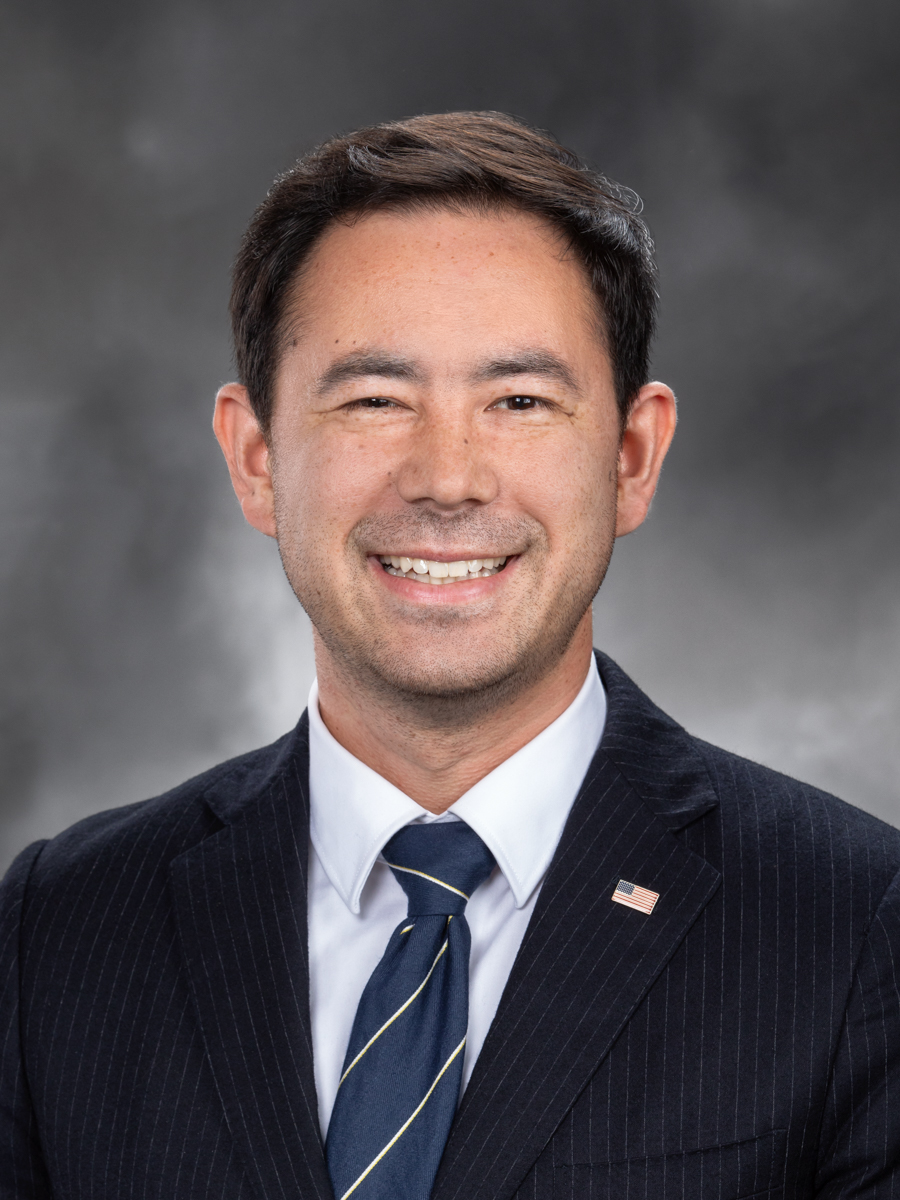
Clyde Shavers
DDemocratic
Co
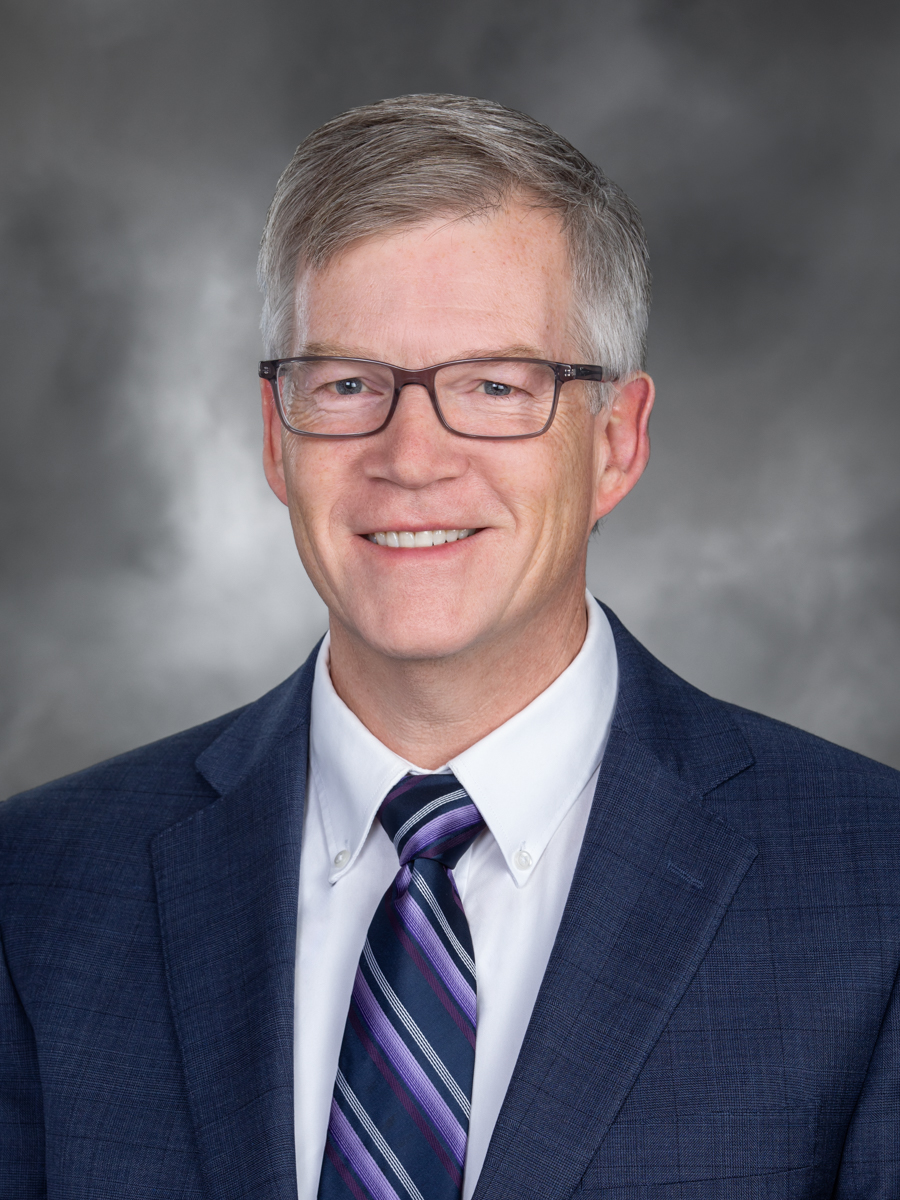
Dave Paul
DDemocratic
Co
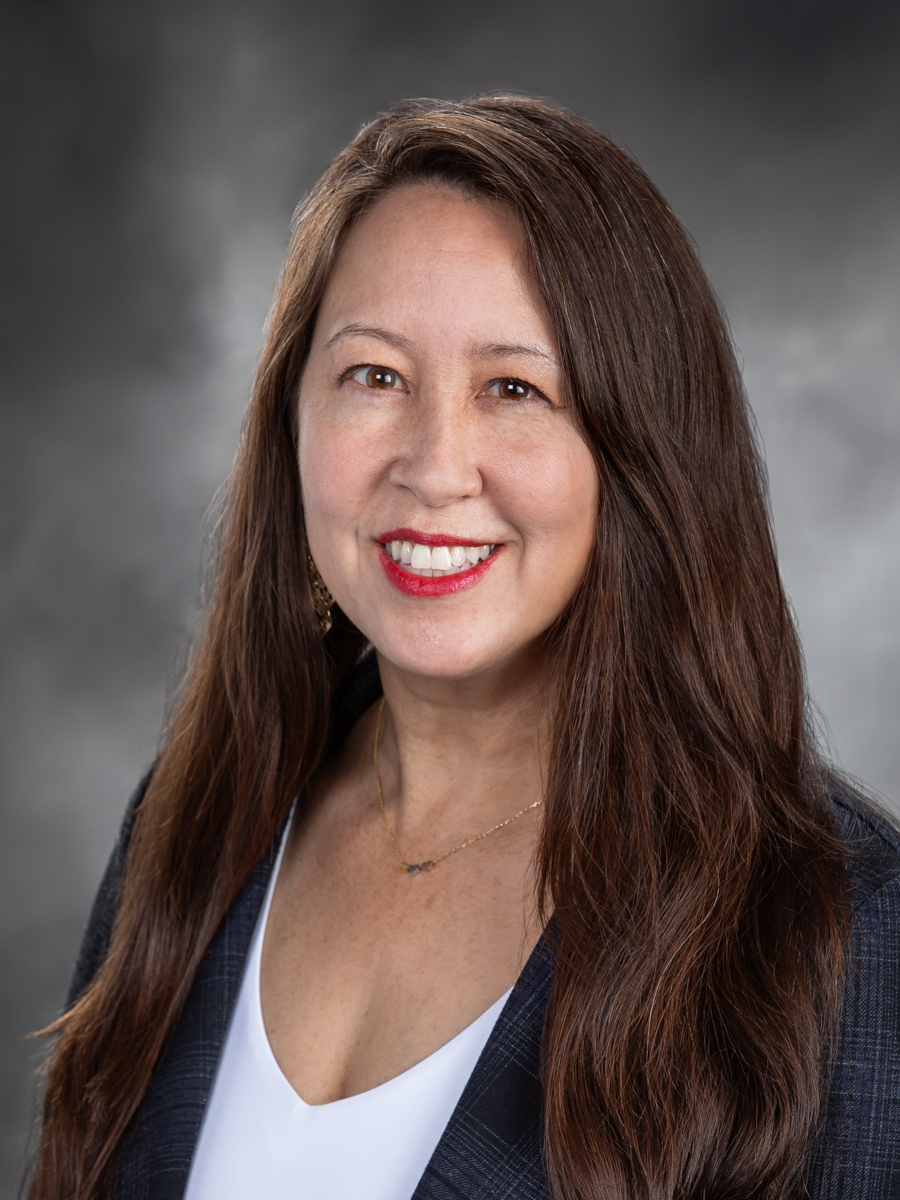
Davina Duerr
DDemocratic
Co
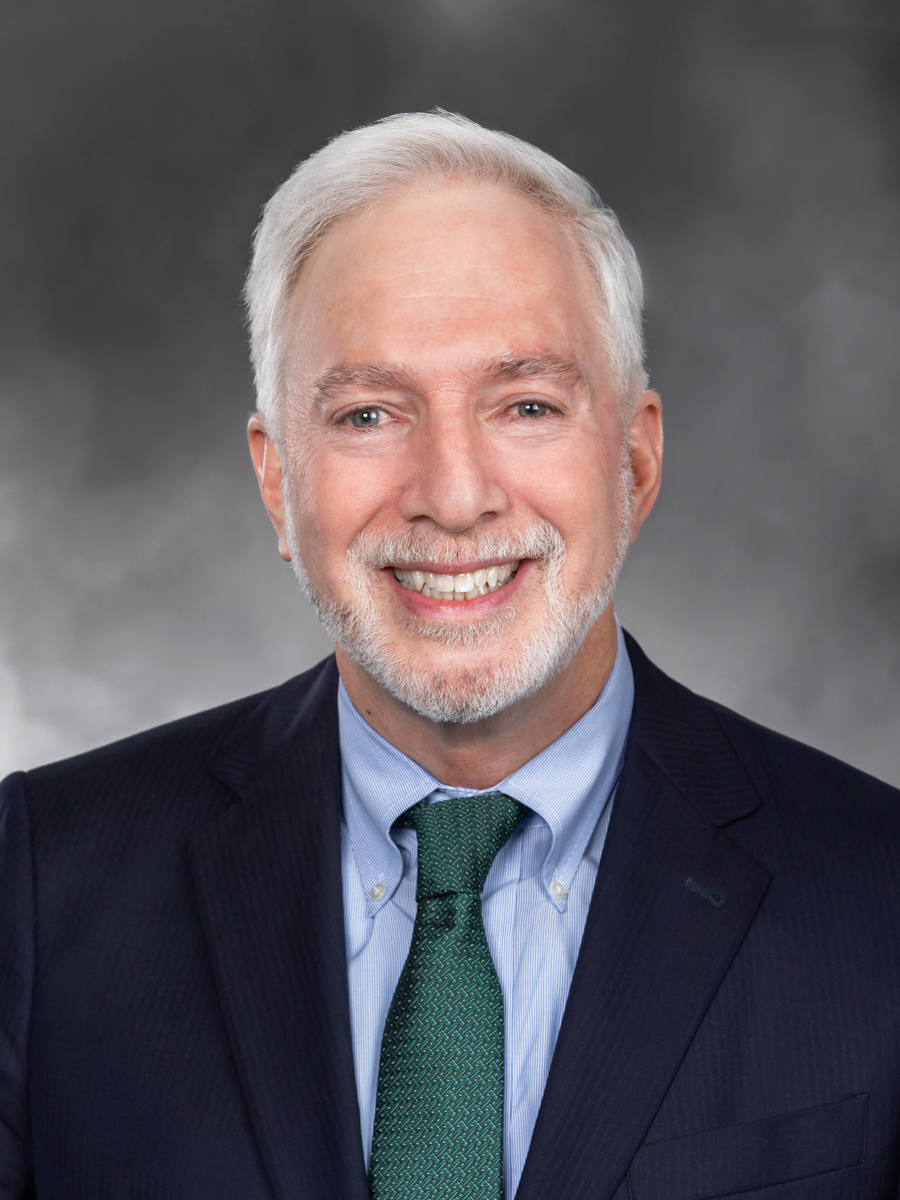
Gerry Pollet
DDemocratic
Ask Maddy
·
AI policy assistant
Ask Maddy about HB 2225
Scope: WA
Hi! I can help you understand HB 2225. What would you like to know?
Try one of these
i
Maddy answers using official bill text and legislative records. Always verify before sharing.
Sources cited inline