

Maddy summaryHB 1462 aims to reduce greenhouse gas emissions by regulating hydrofluorocarbons (HFCs) in Washington state. It prohibits the sale or distribution of new bulk HFCs with a global warming potential (GWP) exceeding 1,500 starting January 1, 2030, and exceeding 750 starting January 1, 2033. The bill encourages the use of reclaimed HFCs and establishes a task force to study the transition to climate-friendly refrigerants and enhance recovery and reclamation. This legislation primarily affects businesses involved in selling, distributing, or using HFCs in equipment such as refrigeration and air conditioning.
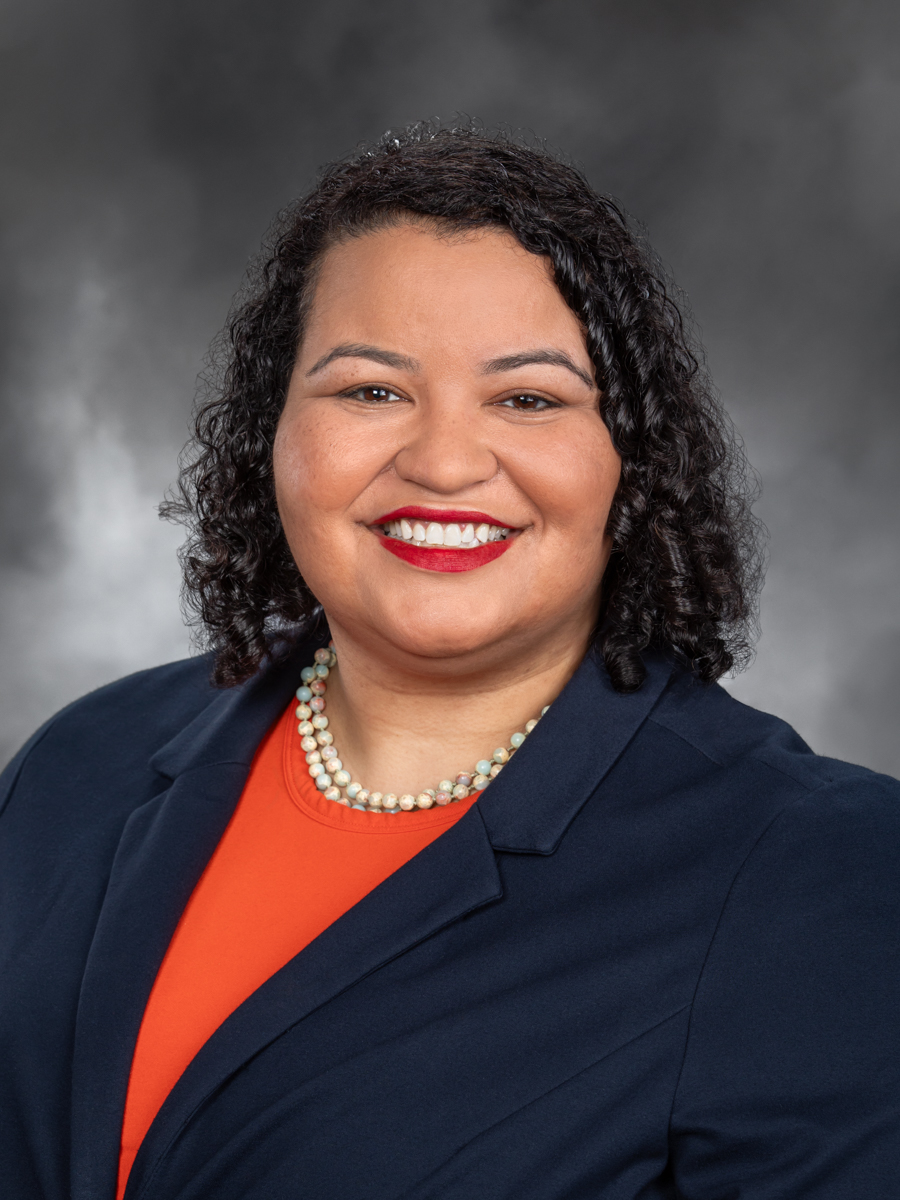
Rep. Julia Reed
Sponsored bills
Maddy summaryHB 1651 establishes formal frameworks for teacher residency and apprenticeship programs in Washington state. It defines a teacher residency as a preparation model integrating a full year of collaborative classroom teaching with academic coursework, requiring partnerships between schools and approved teacher preparation programs. Residents must receive at least 900 hours of clinical practice, and both residents and their preservice mentors receive funding or stipends. The bill also defines teacher apprenticeships as programs providing 2,000 hours of on-the-job mentored teaching experience, approved by both the state apprenticeship and training council and the professional educator standards board. These programs aim to provide structured, hands-on training for aspiring teachers.
Maddy summaryHouse Bill 1409 modifies Washington's clean fuels program, directing the Department of Ecology to establish rules that reduce the carbon intensity of transportation fuels. It assigns compliance obligations to fuel providers whose products exceed carbon intensity standards and awards credits to those whose fuels are below standards, allowing these credits to be traded. The bill sets a target to reduce greenhouse gas emissions from transportation fuels to 55 percent below 2017 levels by no earlier than January 1, 2038, following a specified annual reduction schedule. It also outlines penalties for non-compliance with reporting and credit requirements, while exempting exported fuels.
Maddy summaryHouse Bill 1497 aims to enhance waste material management systems, particularly for organic materials, in Washington State. It directs the Department to develop a statewide education and outreach program by January 1, 2029, focusing on residential organic waste separation and contamination reduction, providing resources for local governments. The bill also updates eligibility for grant programs that support waste management initiatives for various entities, including local governments and businesses. Additionally, it mandates that new waste collection containers provided to customers, such as for residential and commercial services, be color-coded starting January 1, 2028, to help reduce contamination.
Maddy summaryHouse Bill 1733 increases the maximum reimbursement amounts for moving and relocation expenses for individuals, businesses, farms, and nonprofit organizations displaced by government agency projects. The bill raises the general cap for reestablishing a displaced business, farm, or nonprofit to $200,000. Additionally, it sets a temporary cap of $100,000 for state agency displacements until August 1, 2030, and mandates an annual 2% inflation adjustment to these caps starting in August 2025.
Maddy summaryHB 1213 expands protections for workers in Washington's state paid family and medical leave program. The bill requires the department to enhance outreach to employees, explaining their eligibility, application process, and reinstatement and nondiscrimination rights. It also mandates increased outreach to employers about their responsibilities and authorizes the department to audit employer records for compliance. Additionally, the bill clarifies premium collection and calculation methods, and ensures the confidentiality of employee information within the program.
Maddy summaryHB 1633 modifies bidding requirements for prime contractors on public works projects costing $1,000,000 or more for state and local entities. It requires prime contractors to submit the names and proof of license for HVAC, plumbing, and electrical subcontractors *at* the bid submittal time, allowing 48 hours for license corrections. Additionally, prime contractors must submit names of structural steel and rebar subcontractors within 48 hours after the bid submittal. The bill prohibits "bid shopping" or "bid peddling" and specifies valid reasons for substituting a listed subcontractor.
Maddy summaryHouse Bill 1946 clarifies the process for tribal membership on local boards of health in Washington state. The bill mandates that local boards of health must allow a representative from each federally recognized Indian tribe or qualified urban Indian organization with a presence in the county to serve as a member. These representatives are selected by their respective tribe or organization, and the local board of health must notify the American Indian Health Commission. This ensures that tribal and urban Indian organization perspectives are formally integrated into local public health governance.
Maddy summaryHouse Bill 1587 encourages local governments, including municipalities, counties, and federally recognized Indian tribes, to establish their own "promise scholarship programs" for Washington students. These local programs will operate within the existing Washington state opportunity scholarship program, which will administer the scholarships, but local governments can set their own student eligibility rules and determine which educational programs to support. The scholarships aim to cover tuition and fees not met by other state aid, with local governments having the option to provide additional funds for expenses like books. The bill also authorizes state matching funds, up to $300,000 per local program annually, to support these efforts and expand access to postsecondary education.
Maddy summaryHB 1018 expands Washington state's energy facility site certification process to include fusion energy facilities. This means that proposed fusion energy projects will now be eligible for review and approval by the Energy Facility Site Evaluation Council (EFSEC). The bill integrates fusion energy into the existing framework for siting major energy infrastructure, aiming to streamline the application process for such facilities. This policy change aligns with the state's goals to develop clean energy sources and reduce greenhouse gas emissions.