

Maddy summaryHB 1107 requires large fashion producers (those with over $100 million in annual gross income) to annually disclose specific environmental information to Washington’s Department of Ecology starting January 1, 2027. It mandates reporting on high-priority chemicals in products, definitions of sustainability claims like "green" or "eco-friendly," disposal methods for unsold inventory, and current environmental initiatives. The bill directly affects major fashion brands, manufacturers, and importers selling products in Washington, aiming to increase transparency about the industry’s environmental footprint. Key provisions include requiring clear definitions of marketing terms and data on waste disposal volumes, with penalties for noncompliance.
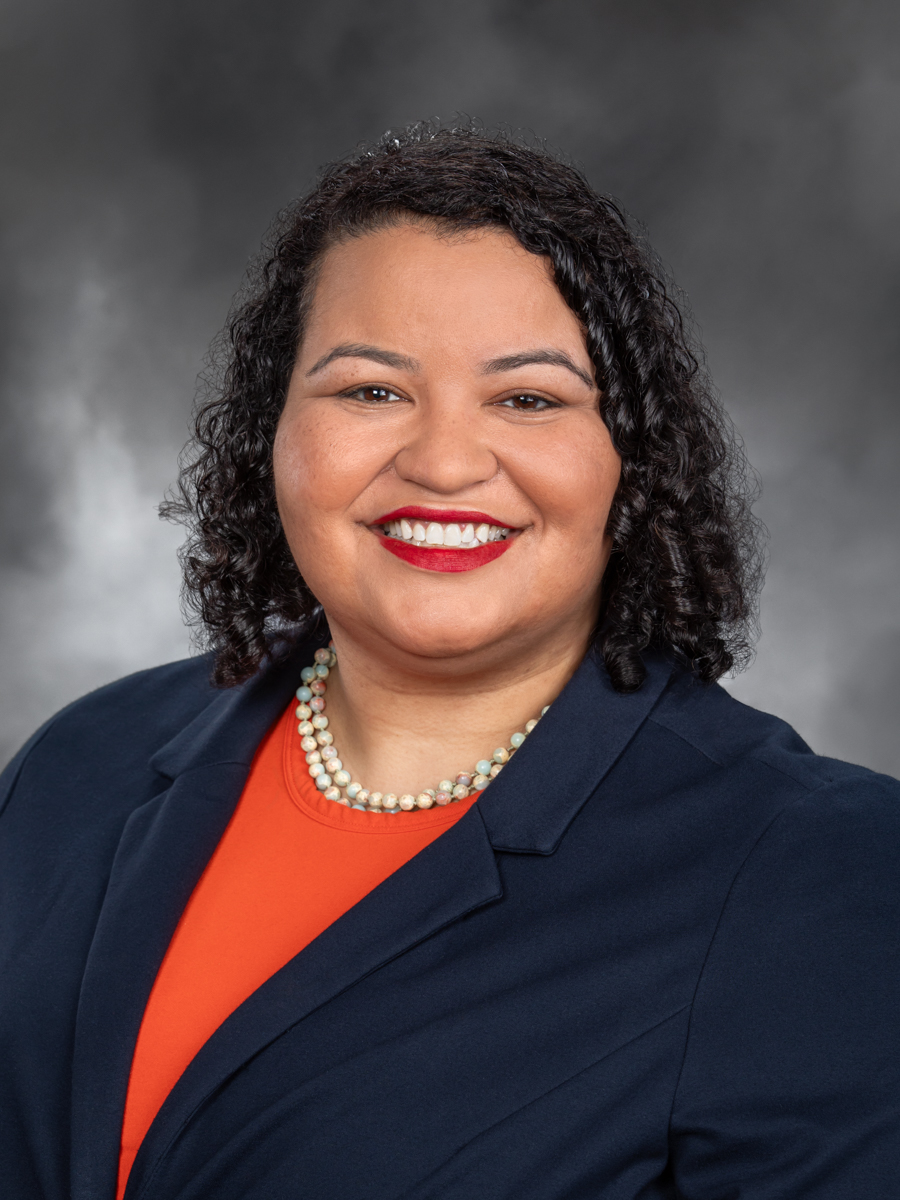
Rep. Julia Reed
Sponsored bills
Maddy summaryHouse Bill 2084 seeks to increase state funding for K-12 education, health care, and public safety by modifying certain tax preferences. The bill repeals an existing tax exclusion, making sales of precious metal bullion and monetized bullion subject to state taxes. Additionally, it clarifies that businesses operating self-service storage facilities are subject to the state's business and occupation (B&O) tax for renting or leasing individual storage spaces. These changes aim to generate revenue for the specified public services.
Maddy summaryHouse Bill 2081 modifies Washington's business and occupation (B&O) tax structure, affecting various businesses operating in the state. It increases B&O tax rates for several business activities, including extraction, manufacturing, retail sales, and digital goods. The bill also establishes a temporary B&O tax surcharge for large companies with annual revenues exceeding $250 million. Additionally, it clarifies the B&O tax deduction available for certain business investments.
Maddy summaryHB 1296, "Promoting a safe and supportive public education system," enacts new requirements for public schools, charter schools, and state-tribal education compact schools in Washington. The bill prioritizes student safety, access to education free of discrimination, and privacy within the school system. It expands protected characteristics to include ethnicity, gender expression, gender identity, homelessness, immigration or citizenship status, and neurodivergence in anti-discrimination policies. Furthermore, the bill mandates that schools develop and share a "Statement of Student Rights" through educational and promotional materials, including civics education, to inform students of their entitlements.
Maddy summaryHB 1163 enhances requirements for firearm purchases, transfers, and possession in Washington state. The bill mandates that individuals obtain a valid permit to purchase firearms from the Washington State Patrol firearms background check program before acquiring a firearm. It also specifies requirements for firearms safety training programs, outlines circumstances for delayed firearm transfers, and requires recordkeeping for all transfers. These changes directly affect individuals seeking to purchase or transfer firearms and licensed firearm dealers, modifying the existing background check and sales processes.
Maddy summaryHB 2049 aims to enhance funding for K-12 education and communities by modifying state and local property tax authority and adjusting the school funding formula. The bill revises the maximum dollar amount school districts can levy for enrichment, setting it as the lesser of $2.50 per $1,000 of assessed value or a per-pupil limit. This per-pupil limit is updated with specific "inflation enhancements" through 2030 and establishes a new base amount starting in 2031, impacting funding based on student enrollment. Additionally, it adjusts how the state provides local effort assistance funding to supplement these school district enrichment levies.
Maddy summaryHouse Bill 1902 establishes a temporary work group to develop recommendations for making the permitting process for transportation projects more efficient. This group will involve various state agencies, local government representatives, industry groups, and tribal representatives. The work group's main goal is to identify ways to reduce project costs and completion times by aligning permitting requirements and processes, while ensuring environmental and regulatory protections are maintained. The group must submit an interim report by January 1, 2026, and a final report, including any legislative recommendations, by November 1, 2026, after which the group will expire.
Maddy summaryHB 1552 extends and increases the fee assessed on real estate broker and managing broker licenses in Washington state. The bill changes the fee's expiration date from September 30, 2025, to September 30, 2035, and doubles the fee from $10 to $20 for each original and renewal license. Funds collected from this fee are deposited into the Washington real estate research account. This account supports the Washington center for real estate research, which provides studies, information, and educational services on real estate topics, including affordable housing.
Maddy summaryHB 1709 authorizes trained, parent-designated adults to provide care, including administering emergency medication, to students with adrenal insufficiency in Washington public schools. The bill requires school districts to develop individual health plans for these students and adopt policies for their care, such as medication storage and emergency procedures. Parent-designated adults must volunteer, be authorized by the student's parents, and complete specific training. This legislation also extends liability protection to school districts, employees, and these designated adults who act in good faith according to the student's health plan. This measure aims to ensure students with adrenal insufficiency receive necessary medical support when a school nurse is not available.
Maddy summarySubstitute House Bill 1811 aims to enhance crisis response services in Washington state by integrating and supporting "co-response" teams. The bill formalizes co-response as a multidisciplinary partnership between first responders (like law enforcement and EMTs) and human services professionals (such as social workers and behavioral health clinicians). These teams respond to emergency situations, including 911 and 988 calls, involving behavioral health crises and complex medical needs. The goal is to de-escalate situations, divert individuals from the criminal justice system, and provide immediate medical and behavioral health care in the field, benefiting vulnerable populations.