

Maddy summaryHB 2389 modifies Washington state's juvenile sentencing system to reduce racial disparities and replace an outdated 1978 sentencing grid with individualized approaches. It creates new alternatives to confinement for youth offenders, particularly for non-violent offenses like robbery (which disproportionately impacts Black youth), and eliminates mandatory minimums for most cases. The bill requires courts to consider rehabilitation progress and community-based supervision instead of long-term incarceration (over 6 months), which research shows increases health risks without reducing recidivism. It directly affects youth under 18 in Washington's juvenile justice system, aiming to provide equitable sentencing options while reducing reliance on secure confinement.
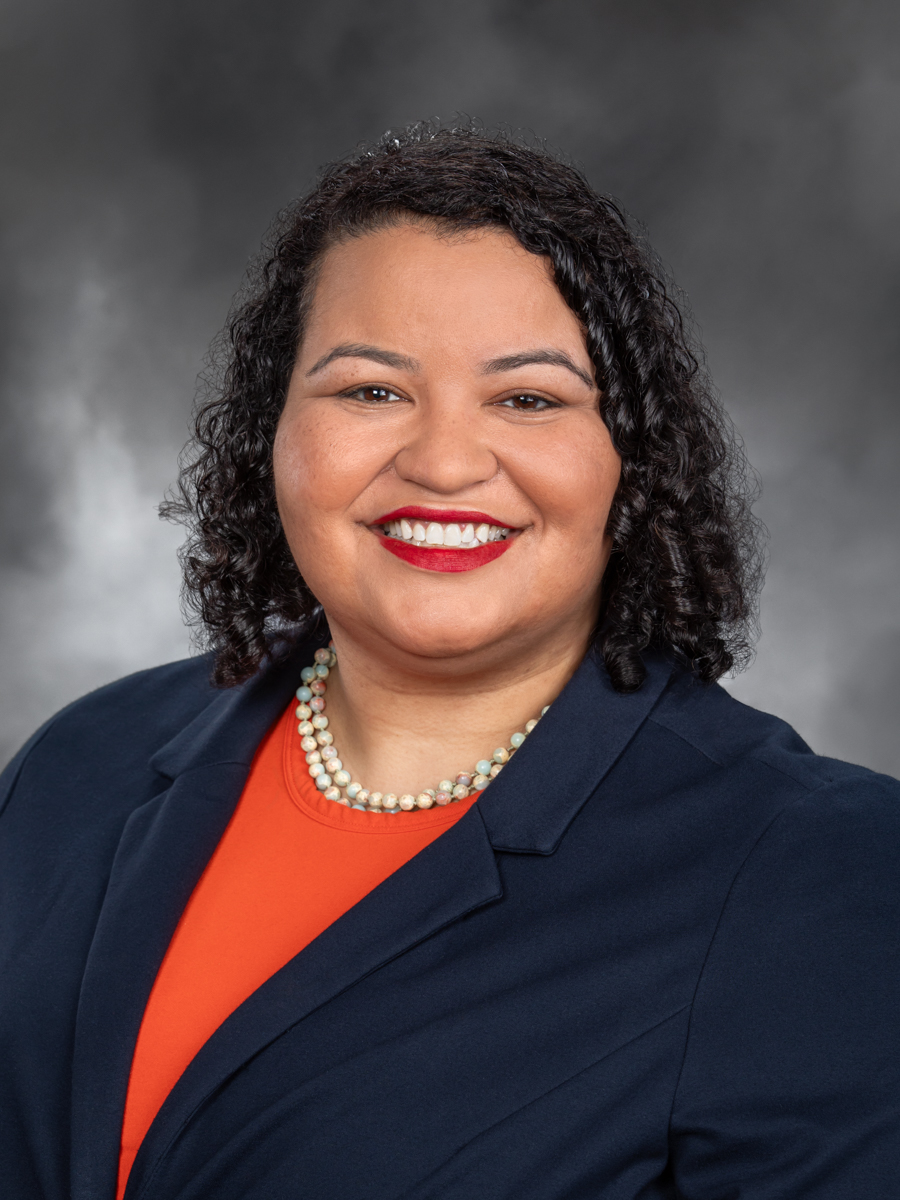
Rep. Julia Reed
Sponsored bills
Maddy summaryHB 2401 establishes the Washington State Boys and Men Commission to address systemic challenges faced by boys and men, particularly those who are boys of color, in rural areas, identifying as LGBTQ+, or socioeconomically disadvantaged. The commission will identify needs, recommend policy changes, and coordinate with state agencies on issues like mental health access, education pathways, and vocational opportunities. Crucially, the commission’s creation is contingent on securing non-state funding (grants or private contributions) sufficient to cover operational costs through December 2029, with the Office of Financial Management required to identify funding needs by June 2026. It will consist of nine appointed members (including tribal representation and a majority identifying as male) and operate under an executive director appointed by the governor. The commission’s duties include serving as a policy information hub and producing biennial reports with recommendations to the legislature and governor.
Maddy summaryHB 2298 authorizes Washington county auditors to create a voluntary property title protection program to prevent land record fraud. Property owners can opt to record a "fraud protection instrument" with their county auditor, which requires a secure ID or court-approved process for any transfer of ownership. The program allows county auditors to delay recording transfers for up to five business days if fraud protection is active and includes an emergency override via court orders or authorized legal actions. This directly affects property owners who choose to enroll in the program to safeguard against unauthorized title changes.
Maddy summaryHB 2351 strengthens protections for emergency responders in Washington by expanding the definition of "obstruction" to cover firefighters, EMTs, and other emergency personnel during active incidents. It makes it a gross misdemeanor to willfully hinder these responders when they are identifiable as such, with specific provisions allowing defense if a mental health crisis was involved. The bill also prohibits local government agencies (cities, counties, and emergency command systems) from using public funds to investigate or assist federal programs targeting emergency responders based on immigration status, race, religion, or national origin - except for required legal compliance or non-immigration-related duties. These changes apply to all emergency responders as defined in the law, effective January 1, 2027.
Maddy summaryHB 2364 revises Washington State's poverty reduction task force, renaming it the "economic justice and well-being task force" and expanding its structure to better align with the state's 10-year poverty reduction plan. The bill requires the task force to include diverse statewide representation from legislative bodies and 11 state agencies, with additional voting members from equity-focused commissions. It directs the task force to develop evidence-based strategies, monitor progress on poverty reduction goals, and collaborate with community stakeholders to address systemic inequities - particularly for historically underrepresented groups like immigrants, refugees, and communities of color. The bill focuses on structural changes to coordinate state efforts rather than creating new programs.
Maddy summaryHB 2501 updates the required disclosure statement for sellers of residential properties with oil heating systems. It replaces outdated language about "no cost insurance" with a notice stating that "remediation assistance for heating oil contamination may be available" through the Washington State Pollution Liability Insurance Agency. The bill specifically affects real estate sellers in Washington who must provide this notice to buyers before closing. The revised disclosure applies only to property sales occurring on or after January 1, 2027, and does not change the insurance program itself.
Maddy summaryHB 2388 allows solar and small-scale wind energy projects to be built on agricultural lands without disrupting farming operations. It specifically defines "agrivoltaic facilities" (solar panels paired with crop production or grazing) and "pivot corner facilities" (solar next to irrigated fields) as acceptable uses, requiring projects to maintain soil productivity, allow farm machinery access, and not degrade land after decommissioning. The bill amends zoning laws to permit these projects on farmland while requiring counties to prioritize agricultural use and limit nonfarm development on suitable land. It directly affects farmers, landowners, and energy developers by creating clear rules for coexisting energy and agriculture.
Maddy summaryHB 2134 requires regional transportation planning organizations (RTPOs) serving specific counties to include measurable reductions in greenhouse gas emissions and vehicle miles traveled (VMT) in their transportation plans. It applies only to counties meeting strict criteria: those with high population density (100+ people/sq mi, 200,000+ population), river-bordering counties with growth rates ≥1.65%, or counties west of the Cascades with ≥130,000 residents. The bill mandates RTPOs to develop integrated regional plans that prioritize cost-effective projects, coordinate across county lines, and include financial strategies, while requiring biennial plan reviews. These plans must balance regional mobility with climate goals, focusing on existing infrastructure efficiency and transportation demand management.
Maddy summaryWashington State's HB 2157 regulates high-risk artificial intelligence systems that make consequential decisions affecting major life areas like housing, employment, healthcare, loans, and education. It applies to developers (with over $100,000 annual revenue) and deployers operating in Washington who use AI systems for these decisions. The law prohibits algorithmic discrimination - unlawful bias based on protected characteristics - and requires systems to be designed and tested to prevent such outcomes, while excluding research activities and certain facial recognition uses.
Maddy summaryHB 2206 aligns Washington state voting laws with federal standards to improve voting access for military personnel, overseas citizens, and their dependents. It requires the Secretary of State to implement a new electronic system for sending voter registration materials and ballots, create standardized ballot envelopes and authentication forms, and provide clear instructions for covered voters. This bill directly affects Washington residents serving in the military abroad, citizens living overseas, and their dependents who qualify as "covered voters" under the law. The changes apply to all federal, state, and local elections, ensuring these voters can cast ballots using federally prescribed procedures.