

Maddy summaryHB 2191 requires owners and direct contractors to jointly pay unpaid wages and benefits (including health insurance, retirement contributions, and tool reimbursements) to construction workers when subcontractors fail to pay. It creates a direct legal path for workers, their representatives, or the attorney general to sue owners or direct contractors for withheld payments, rather than only pursuing subcontractors. The bill establishes a rebuttable presumption that workers are employees (not independent contractors), prevents liability waivers for nonpayment, and sets a 3-year deadline for filing claims. This directly affects construction workers, subcontractors, and higher-tier contractors across all project tiers in Washington state.
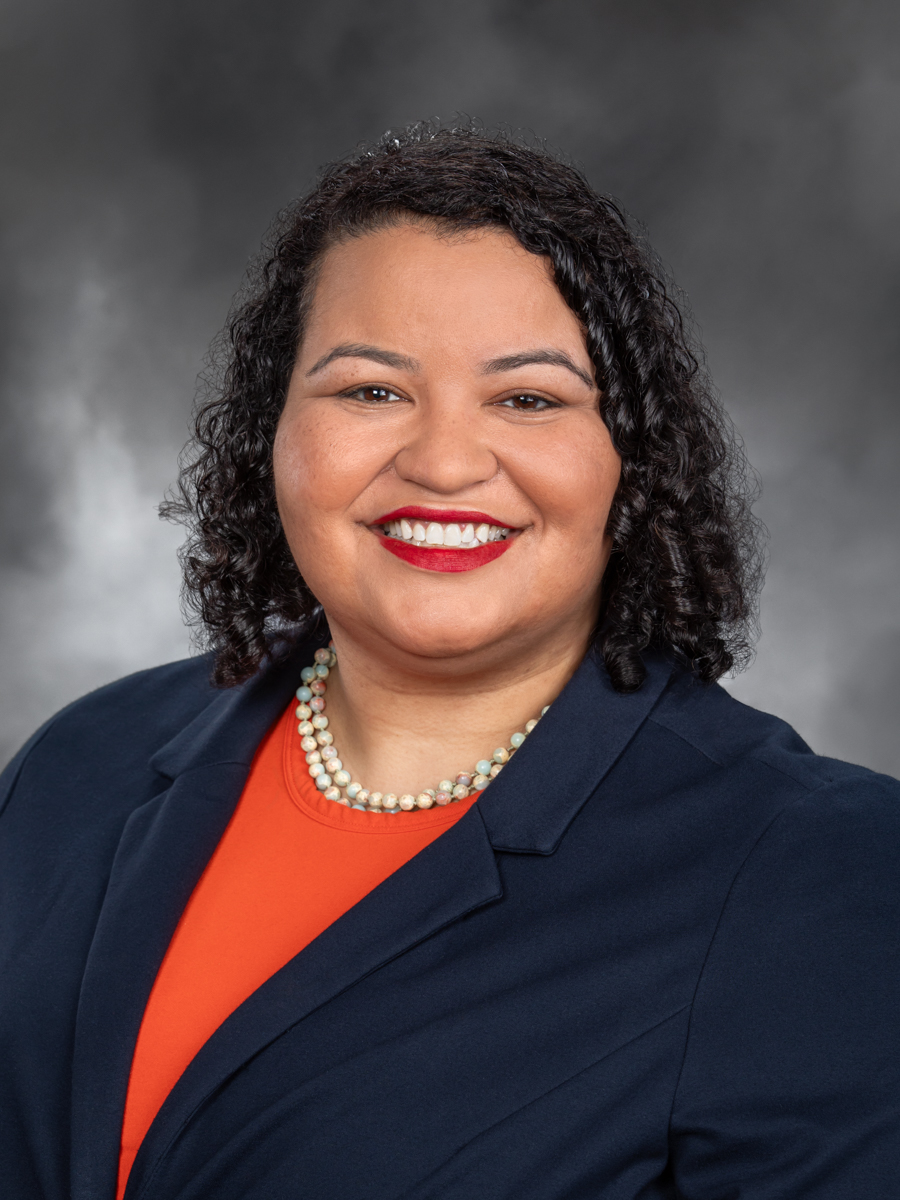
Rep. Julia Reed
Sponsored bills
Maddy summaryHB 2092 establishes a passenger rail advisory committee for Washington State's Amtrak Cascades route. Counties with rail stations will appoint committee members (three from counties with over 750,000 residents, two from other counties) to provide community input on rail service challenges to the state transportation department. The committee must include rail users, commerce representatives, and local government staff, meeting three times yearly to advise on passenger rail concerns. This procedural bill creates a formal channel for community feedback but does not change rail service, funding, or operations.
Maddy summaryHB 2185 creates a new Office of Homeless Youth Prevention and Protection Programs within Washington's state agency responsible for youth services. The office must coordinate statewide efforts to reduce youth homelessness by collecting data, developing strategies to address root causes, and improving permanency rates for homeless youth. It requires a 12-member advisory committee - including youth representatives, advocates, law enforcement, service providers, and individuals with lived experience - to guide the office's work on funding, policy, and practice gaps. The office must be operational by January 1, 2016, with the advisory committee holding its first meeting by March 1, 2016.
Maddy summaryHB 2205 expands Washington's regulated sports wagering industry by allowing tribal casinos to offer sports betting under existing gaming compacts. The bill defines sports wagering to include professional, collegiate, Olympic, and esports events (excluding minor leagues and individual collegiate athletes in-state), while requiring tribal compacts to address licensing, regulation, and problem gambling. It permits internet betting only when customers are physically present at tribal facilities, and clarifies that tribal sports wagering is authorized bookmaking exempt from certain penalties. This directly affects federally recognized tribes in Washington operating under gaming compacts.
Maddy summaryHB 2176 exempts collaborative drug therapy agreements - written plans between pharmacists and physicians for managing patient medications - from public disclosure under Washington’s public records law. These agreements, which outline how pharmacists can independently adjust medications under physician supervision, would remain confidential unless used as evidence in disciplinary actions against a licensed healthcare provider. The bill specifically prohibits disclosure of personally identifiable information (like names or contact details) in these agreements, except when the agreement directly leads to a disciplinary finding. This change primarily affects pharmacists, physicians, and healthcare facilities using such agreements, ensuring their operational details stay private while maintaining transparency in disciplinary cases.
Maddy summaryHB 1544 requires Washington's Department of Children, Youth, and Families (DCYF) to study and improve its risk assessment tool for child abuse and neglect cases. The study must address identifying family strengths, risks from substance use (including fentanyl), cultural needs, and reducing bias in assessments. DCYF must report findings to the legislature by November 1, 2025, and the law expires July 1, 2026. This directly affects DCYF staff conducting investigations and families receiving child protective services in Washington.
Maddy summaryHB 1443 would require Washington cities and counties to allow at least one mobile dwelling (such as tiny homes on wheels or recreational vehicles) on residential lots that already have an existing home, provided the lot is in an urban growth area and not in protected shorelines or critical areas. It mandates specific utility connections for these dwellings, including dedicated electrical circuits and plumbing links to the main home's systems, while prohibiting property associations (like HOAs) from banning them on qualifying lots. The bill applies to lots zoned for residential use and expires January 1, 2028. This directly affects local governments, property associations, and residents seeking to add mobile dwellings to existing residential properties.
Maddy summaryHB 1152 requires firearm owners in Washington to securely store firearms in vehicles and residences under specific conditions. In vehicles, unloaded firearms must be in a locked, concealed container (hard-sided for pistols, soft-sided with trigger locks for rifles/shotguns), with exemptions for farm vehicles, people living in vehicles, law enforcement, hunters, and military personnel. At residences, firearms must be locked or stored in a safe when not being carried or controlled by the owner or authorized user, with similar exemptions for antique firearms. The bill creates the Washington Office of Firearm Safety and Violence Prevention to coordinate prevention efforts and imposes penalties ranging from $1,000 civil fines to felonies if prohibited persons access firearms.
Maddy summaryHB 1343 would repeal existing state law (RCW 28B.10.281) that allowed students to lose financial aid for certain activities. This bill directly affects Washington state college students receiving financial aid by removing a specific eligibility restriction. The key mechanism is the deletion of the provision that tied aid loss to particular student conduct, replacing it with a broader, undefined standard. The bill does not create new requirements but eliminates a specific cause for aid termination. (Note: The bill did not pass, as indicated by "Minority; do not pass" on its legislative record.)
Maddy summaryHB 1591 allows Washington courts to reduce criminal sentences or use alternative sentencing for defendants who were victims of domestic violence, sexual assault, or human trafficking at the time of their offense. To qualify, the court must find that the abuse significantly contributed to the defendant's criminal conduct and that standard sentencing would be excessively severe. If eligible, the court may impose a reduced prison term combined with extended community supervision instead of full incarceration, while excluding certain serious offenses like murder or sex crimes requiring registration. The bill also permits resentencing for current inmates serving eight+ year sentences who meet the criteria.