

Maddy summaryThis bill changes Washington's unemployment insurance rules for part-time workers, effective August 3, 2025. It revises the definition of "suitable work" for part-time workers (those who earned wages in at least 40 base-year weeks with an average of under 35 weekly hours) to require them to seek work matching their historical average hours, rather than the previous 17-hour limit. It also adds protections: workers needing to care for family members or address domestic violence/stalking may not lose benefits for seeking at least 20-hour workweeks instead of full-time. The policy directly affects part-time workers who qualify under these new base-year criteria.
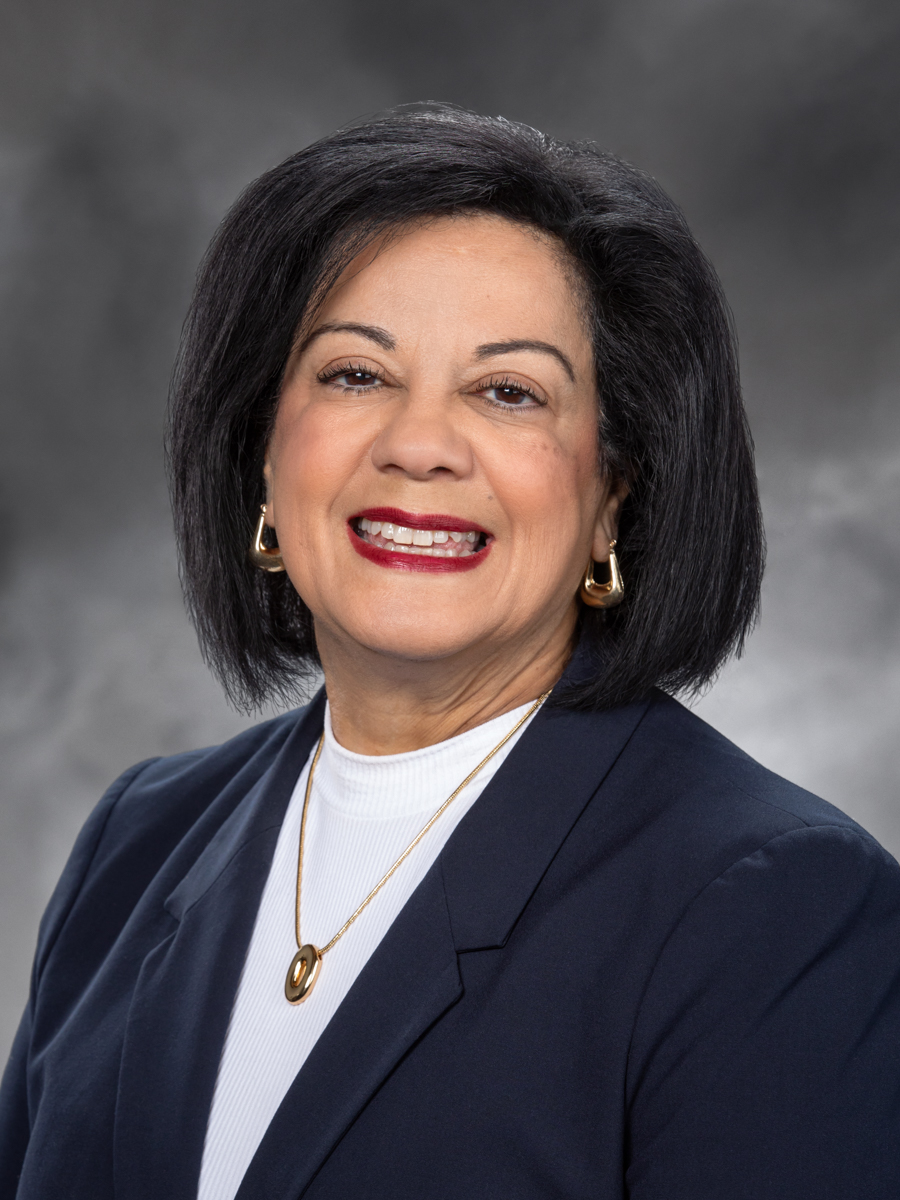
Rep. Lillian Ortiz-Self
Sponsored bills
Maddy summaryHB 1623 prohibits employers from deducting credit card processing fees from employee tips. It requires that when customers pay tips via credit card, employees receive the full amount indicated on the credit card slip, without any reduction for transaction fees charged by the credit card company. This law directly affects tipped workers in Washington, such as servers and bartenders, and applies to all employers accepting credit card tips. The bill amends state law to ensure tips paid by credit card are paid in full to employees, eliminating employer deductions for processing costs.
Maddy summaryHB 1356 adjusts Washington state's K-12 school funding by updating local enrichment levy limits and creating a state matching program. It sets new per-pupil funding caps ($2,500 for districts under 40,000 students, $3,000 for larger districts) through 2030, adjusted annually for inflation plus a temporary 3.33% annual increase (2027-2030), then raises the cap to $5,035 starting in 2031. The bill requires school districts to get approval for how they spend local levy funds before voting on them and links state funding to local effort - matching districts that raise less than $1.50 per $1,000 in property value. This directly affects all public school districts and state-tribal education compact schools by changing how local taxes and state funds combine to support school programs.
Maddy summaryHB 1510 expands Washington's judicial retirement benefit program to include supreme court and court of appeals commissioners, who were previously excluded. It allows current commissioners to elect a 1.5% annual benefit multiplier for future service (effective 2026) and permits past commissioners to retroactively purchase higher benefits for prior service (2028 window), subject to a 75% cap on total benefits. Commissioners must pay 5% of salary plus 5.5% interest for retroactive purchases, with costs limited to the actuarial value of the increased benefit. This applies to members of the Public Employees' Retirement System (PERS) under Plans 1 or 2.
Maddy summaryHB 1059 strengthens oversight of self-insured employers and their third-party administrators in Washington State by requiring them to act in good faith when handling workers' compensation claims. It creates a new rule that allows the state director to withdraw a self-insurer's certification after three proven violations of good faith within three years (e.g., coercing workers to accept less compensation or hiding injury reports). Employers found violating this duty must pay penalties ranging from 1 to 52 times the worker’s average weekly wage, with investigations triggered by written complaints. The law applies to all workers’ compensation claims regardless of injury date and takes effect January 1, 2026.
Maddy summaryHB 1557 establishes Washington's Guaranteed Admissions Program, which guarantees admission to public four-year colleges for eligible high school seniors meeting specific criteria. It requires participating colleges (including tribal institutions and state universities) to simplify application processes starting in 2026-27, and mandates high schools to share student data with colleges to identify qualified applicants. The bill also requires all high schools to provide annual notifications to students in grades 9-12 about this program, the Washington College Grant, dual credit options, and other college pathways. Institutions may opt out of the program by reporting their reasons to the legislature, but must still pursue alternative access initiatives.
Maddy summaryHB 1189 modifies Washington state school policies regarding parental volunteers with criminal convictions. It requires schools to inform parents about submitting rehabilitation documents (like expungements or certificates of rehabilitation) and prohibits denying volunteer applications based solely on past convictions if such documents are provided. For parents without these documents, schools must consider factors like time since conviction, whether minors were involved, and other relevant details before denying applications, and must provide written reasons for denials within five days. Parents denied access can appeal to the superintendent of public instruction, with specific appeal procedures to be established by that office. The bill directly affects parents seeking school volunteer roles who have criminal histories, aiming to balance safety considerations with opportunities for parental involvement.
Maddy summaryHB 1070 creates a legal presumption that posttraumatic stress disorder (PTSD) is an occupational disease for correctional facility workers in Washington state, directly affecting staff employed at prisons, jails, or community corrections facilities. The bill establishes that after 90 consecutive days of full-time, compensated employment, PTSD claims for these workers are presumed work-related unless the employer provides evidence to the contrary. It also requires employers to cover reasonable appeal costs (including attorney fees) if workers win their claims in court or before the Industrial Insurance Appeals Board. This applies to claims filed within three months per year of employment, up to a maximum of 60 months after leaving the job. The law takes effect January 1, 2026.
Maddy summaryHB 1357 (Washington State) updates special education funding to incentivize inclusive classrooms. It revises the funding formula so school districts receive higher per-student allocations (1.18 multiplier) for students with disabilities spending 80%+ of their day in general education settings, versus a lower rate (1.09) for less inclusive placements. The bill also creates a grant program for up to 20 "pilot schools" to become centers of excellence in inclusionary practices, requiring demonstrated leadership commitment, staff training plans, and data on current inclusion efforts. These schools would receive funding to reach a 1.5 inclusion multiplier over four years. The bill directly affects school districts and students with disabilities in Washington state, focusing on concrete funding changes and support mechanisms to promote inclusive education.
Maddy summaryHB 1554 expands eligibility for Washington's College Bound Scholarship to include students who qualified for free or reduced-price lunch in 7th or 8th grade (even if they later lost that status) and those who qualified in 9th grade after being ineligible earlier. It also adds protections for adopted youth (adopted between 14-18 with specific agreements) to retain eligibility. The bill requires automatic enrollment for eligible students with no application needed, and mandates schools to notify students about the program. This change removes barriers that previously excluded low-income students due to temporary income fluctuations.