

Maddy summaryHB 2105 requires Washington employers to notify workers within 72 hours if federal agencies plan I-9 form or worker record inspections. It mandates posting notices in five common non-English languages at workplaces, sending written notices to workers' last known addresses, and sharing federal inspection results with affected workers. The law directly affects all Washington employers and immigrant workers who may face federal immigration verification checks. Key provisions include multilingual notice requirements, timelines for employer communication, and a template for compliance developed by the Attorney General. This bill creates a formal process for transparency during federal I-9 audits, aiming to protect workers' rights during inspections.
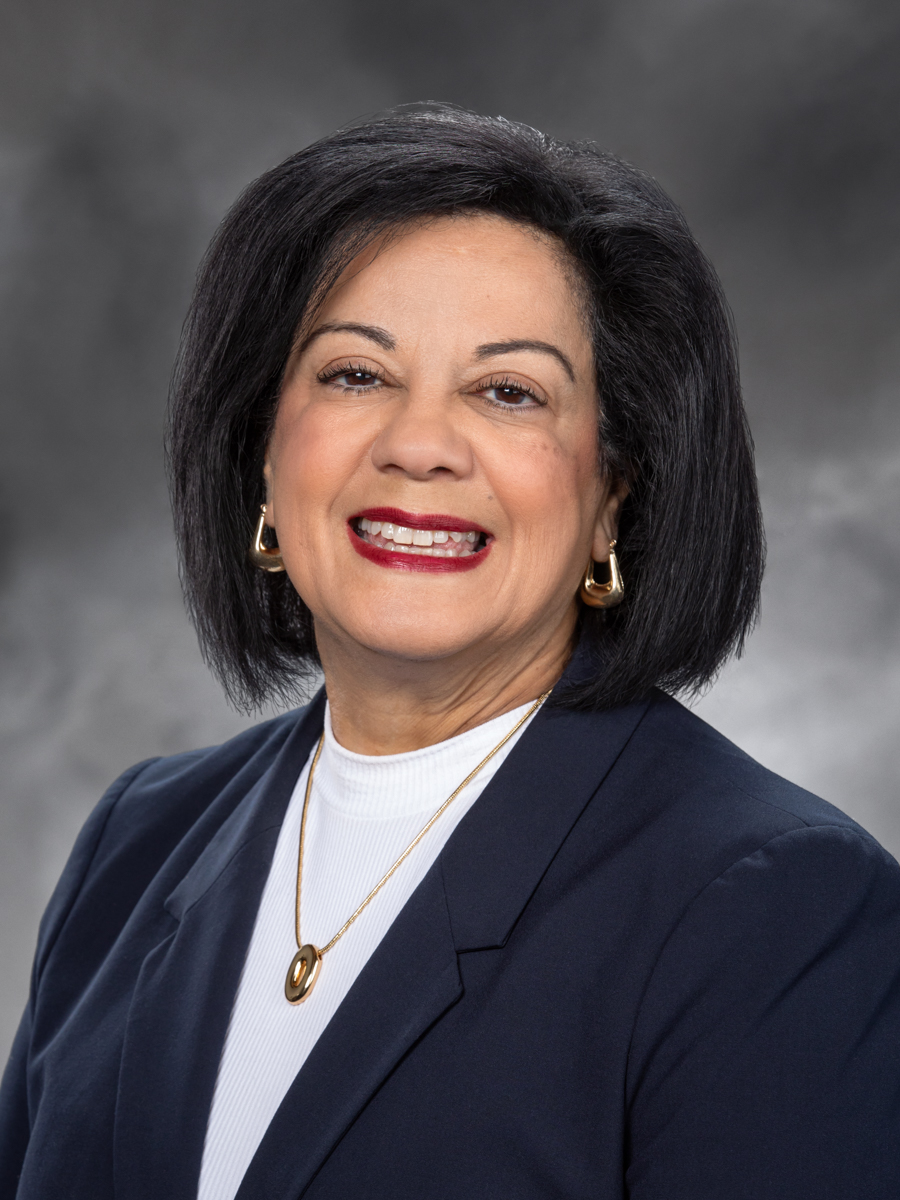
Rep. Lillian Ortiz-Self
Sponsored bills
Maddy summaryHB 1909 establishes a court unification task force to study Washington’s fragmented court system. The task force will analyze disparities in local court rules, technology adoption, and funding that create barriers for people seeking legal help - especially those in rural areas, low-income communities, and underserved populations. It will identify inefficiencies and inequities in court operations and explore potential solutions through a diverse group including judges, court clerks, legal aid representatives, and community advocates with lived experience. The bill does not implement changes but directs the task force to provide recommendations for improving consistency and access to justice. This study aims to inform future policy decisions, not alter current court structures.
Maddy summaryHB 1069 amends Washington state law to allow collective bargaining between public employers and employee organizations regarding contributions for certain supplemental retirement benefits. Currently, state law prevents bargaining over retirement plans and benefits administered by the Department of Retirement Systems. This bill clarifies that employers can now negotiate over contributions for additional retirement benefits, including medical plans, as long as these benefits are administered by or on behalf of an employee organization. This change enables discussions over these specific benefit contributions, while still excluding the core state retirement plans from collective bargaining.
Maddy summaryHB 2475 requires Washington state agencies to provide language-accessible public programs, activities, and services in individuals' primary languages (including sign language) across all communication methods. It directly affects non-English speakers, particularly those with limited English proficiency, by mandating consistent service delivery for state benefits, health care, emergency response, and other programs. The bill requires the state office of equity to develop uniform guidelines by December 2027, address interpreter shortages for less common languages, and update guidelines every three years. This law clarifies existing language access obligations under state law without creating new rights or expanding protected classes.
Maddy summaryHB 1128 creates a Washington state Child Care Workforce Standards Board to set minimum compensation and employment standards for child care workers. The board, composed of nine members including worker representatives (from family child care, center workers, and school-age programs), employer representatives, parent advocates, and state agency officials, will address low pay and poor working conditions that contribute to workforce instability. It requires the board to hold public hearings, establish standards with a six-member vote, and protect workers from retaliation for participating in the process. The law aims to improve child care quality and affordability by ensuring fair compensation and stable employment for workers directly serving children.
Maddy summaryHB 2429 establishes a Children and Youth Behavioral Health Work Group to address barriers in accessing care for children, youth, and young adults in Washington State. The work group, composed of diverse stakeholders including providers, families, youth representatives, tribal leaders, and agency officials, will monitor existing programs, improve coordination between education and health systems, and recommend strategies to expand access to services - particularly for young children (prenatal to age 5) and underserved communities. Key provisions include advising on implementing a statewide strategic plan, removing systemic barriers, and promoting equal insurance coverage for behavioral health compared to physical health. The bill directly affects children and families seeking mental health support by aiming to create a more integrated, equitable system.
Maddy summaryHB 2219 creates unified licensing standards for all child care providers in Washington, replacing separate rules for different settings like family care, nature-based programs, and centers. It allows child care centers to combine age groups for up to 4 hours daily (with 90 minutes for staff breaks) while maintaining required staff-to-child ratios, and waives redundant orientation requirements for providers who already completed similar training. The bill directly affects licensed child care providers, early learning programs, and the Department of Children, Youth, and Families, which must implement these standards within available funding. Key changes streamline operations by reducing administrative complexity and aligning quality standards with existing programs like Early Achievers.
Maddy summaryThis bill is a House resolution that formally recognizes Representative Virginia "Jenny" Graham for her public service in the Washington State House of Representatives. It highlights her eight-year tenure, her advocacy for public safety, and her work on community safety and veterans' issues. The resolution does not create new laws or policies but serves as an official acknowledgment of her contributions and legacy.
Maddy summaryThis bill is a House resolution that formally honors John Michael Sattgast for his 35 years of dedicated service as a communications professional for the House Republican Caucus in the Washington State Legislature. It recognizes his work producing over 4,000 radio stories and coordinating media coverage for state representatives, as well as his leadership roles with the National Conference of State Legislatures. The resolution acknowledges his contributions to sharing legislative history and public information, noting his receipt of the 2023 Legislative Staff Achievement Award. This measure serves as a commemorative tribute rather than establishing new policy or affecting government operations.
Maddy summaryThis bill formally acknowledges the service of Representative Steve Tharinger to his district and the Washington state legislature. It recognizes his long career in public service, including his time as a Clallam County Commissioner, his work on the House Capital Budget Committee, and his advocacy for environmental protection and healthcare. The resolution serves as a commemorative tribute to his contributions and personal qualities rather than establishing new laws or policies.