

Maddy summaryHB 1592 shifts public defense funding responsibility in Washington State starting in 2026. The state will cover 50% of public defense costs based on counties' and cities' average spending over the previous five years, with the state paying all costs exceeding that average. Counties and cities must report case data, attorney caseloads, and training requirements for public defense attorneys to qualify for state funds. This bill directly affects local governments managing public defense systems and aims to standardize funding while requiring transparency in service delivery.
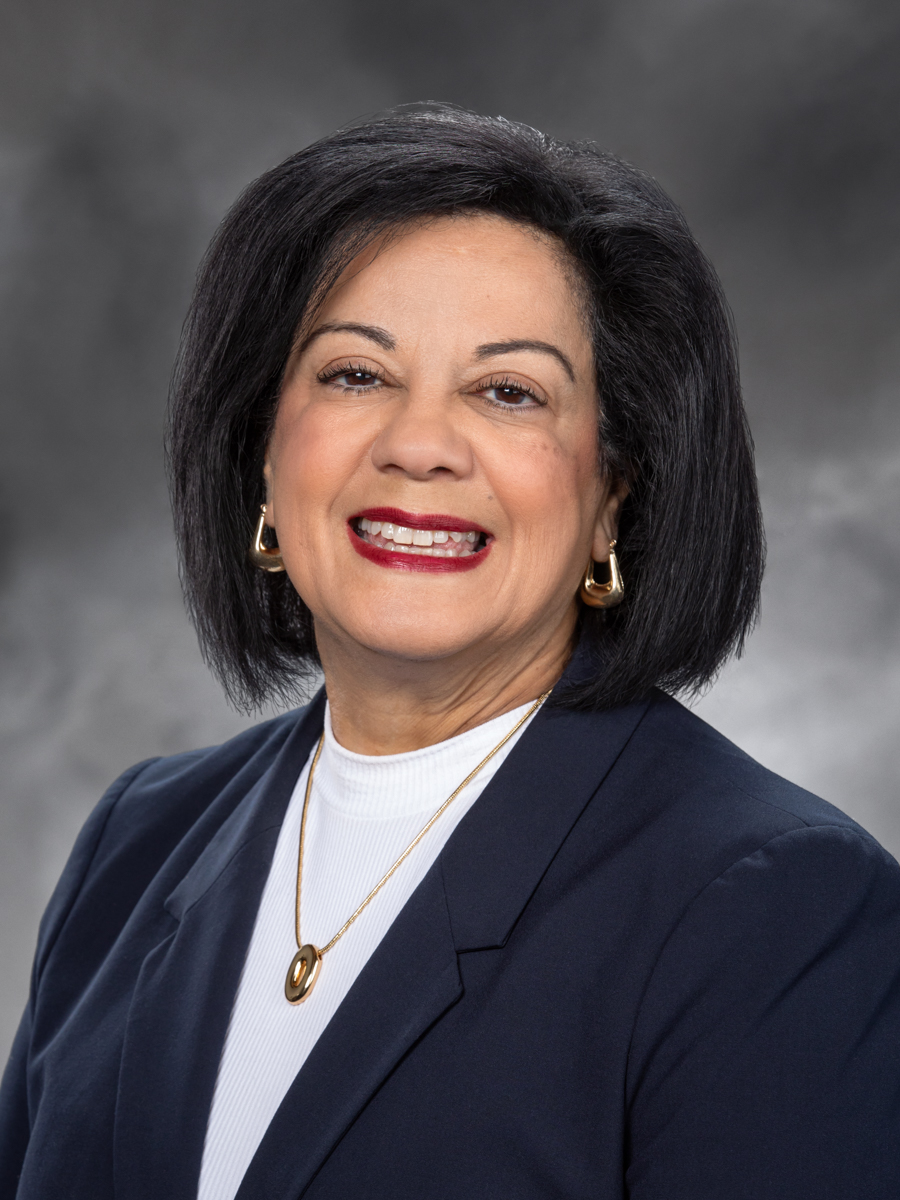
Rep. Lillian Ortiz-Self
Sponsored bills
Maddy summaryHB 2724 proposes a new tax on Washington residents with annual adjusted gross income of $1 million or more, affecting approximately the top 0.5% of households. The tax revenue would be deposited into the state general fund to support K-12 education, health care, higher education, human services, and the working families' tax credit. Key provisions include exempting sales of family-owned small businesses and real property from the tax, aligning the state definition of taxable income with federal rules (modified for state purposes), and reducing other taxes like sales tax on essential items. The bill aims to make the state tax system less regressive by shifting more burden to high earners while maintaining current tax rates for lower-income residents.
Maddy summaryHB 2218 establishes a state-approved network of healthcare providers for workers' compensation cases in Washington. It requires injured workers to choose a provider within 15 miles of home for initial care (with non-network visits limited to emergencies), prohibits employers from directing workers to specific clinics, and sets quality standards for network inclusion (e.g., malpractice insurance, licensing status). The bill creates a second tier of providers recognized for using advanced occupational health practices, with financial incentives for meeting these standards. This directly affects injured workers, healthcare providers seeking to treat workers' compensation cases, and employers managing claims.
Maddy summaryHouse Bill 1622 allows public sector employees in Washington state to collectively bargain with their employers over the use of artificial intelligence (AI) in the workplace. The bill amends existing state law to remove the "use of technology" from a list of management rights that are typically not subject to negotiation for employees in higher education and other state agencies. It defines artificial intelligence as machine learning and related technologies that enable computer systems to perform tasks like computer vision or natural language processing. This change empowers unions and public employers to negotiate agreements on the implementation and utilization of AI technologies.
Maddy summaryHB 2132 protects student privacy for Washington state financial aid applications by making personally identifying and financial information exempt from public records requests. It limits how long institutions and the state council retain application records (one year after the award year ends, unless an audit or appeal is pending) and restricts sharing this data with other entities, including the federal government, without a court order or specific data-sharing agreements. The bill directly affects students applying for state financial aid (excluding the federal FAFSA) and state agencies handling these applications. Key provisions include strict privacy safeguards for sensitive data and clear limits on data sharing to prevent unauthorized disclosure.
Maddy summaryThis bill requires school districts with over 3,000 students to elect school board members from specific geographic districts instead of at-large elections. By 2027, districts with 5,001+ students must elect at least four directors from designated districts, while those with 3,001-5,000 students must elect at least three. Smaller districts (3,000 students or fewer) are exempt. The change aims to create more representative school boards reflecting community diversity, replacing the current system where all members are elected citywide.
Maddy summaryHouse Resolution 4675, adopted on January 28, 2026, is a ceremonial resolution expressing the Washington State House of Representatives' gratitude to the Washington National Guard for their service. It specifically acknowledges the Guard's roles in emergency response (including flood operations and search-and-rescue missions), disaster recovery efforts (like adapting from the Oso landslide), and national defense support (such as aerial refueling capabilities). The resolution directs copies to the Adjutant General, Governor, and other officials but does not create new laws or alter policies. It directly honors National Guard members, their families, and employers without imposing any financial or operational requirements.
Maddy summaryHB 2190 grants language access providers (like interpreters for state agencies) the right to collectively bargain with the governor as their employer, but only for specific services. It creates three statewide bargaining units: one for health/social services appointments, one for workers' compensation/crime victims, and one for other state agency services. Bargaining is limited to pay, training, grievance procedures, and benefits - excluding retirement - and requires the governor to request funding approval from the legislature for any agreement. The bill clarifies these providers are not state employees for other purposes and includes strict budget processes for implementing agreements.
Maddy summaryHB 2662 requires Washington's state investment board to integrate environmental, social, and governance principles into managing public retirement and trust funds. It prohibits investments in companies involved in forced labor, coal production, tobacco manufacturing, severe environmental harm, or violations of international humanitarian law, while still prioritizing strong financial returns. The board must annually report on how these principles guide investment decisions and develop proxy voting guidelines to address related risks. This directly affects the board’s management of billions in state funds, including retirement accounts and public trust assets.
Maddy summaryThis is a ceremonial House resolution (not a policy bill) introduced on January 19, 2026, by multiple Washington State Representatives. It formally recognizes Dr. Martin Luther King Jr.'s life, legacy of nonviolent activism, and contributions to civil rights, including his role in the Civil Rights Act of 1964 and Voting Rights Act of 1965. The resolution expresses the House's commitment to upholding Dr. King's ideals of equality, justice, and opportunity for all. As a symbolic gesture, it does not create new laws, allocate funds, or affect any specific individuals or groups.