

Maddy summaryHB 1637 requires Washington public schools to implement nonfirearm safety measures, directly affecting all public schools and school districts in the state. Key provisions include creating a public school safety dashboard to track and rate incidents by severity (e.g., bullying, violence), establishing security grants for physical improvements like keycard access and panic buttons, and mandating a full-time school resource officer at every public school. The bill also requires an evaluation of prior school safety reforms enacted in 2019. These changes aim to improve transparency, fund physical security upgrades, and ensure consistent safety staffing to address reported safety concerns among students and staff.
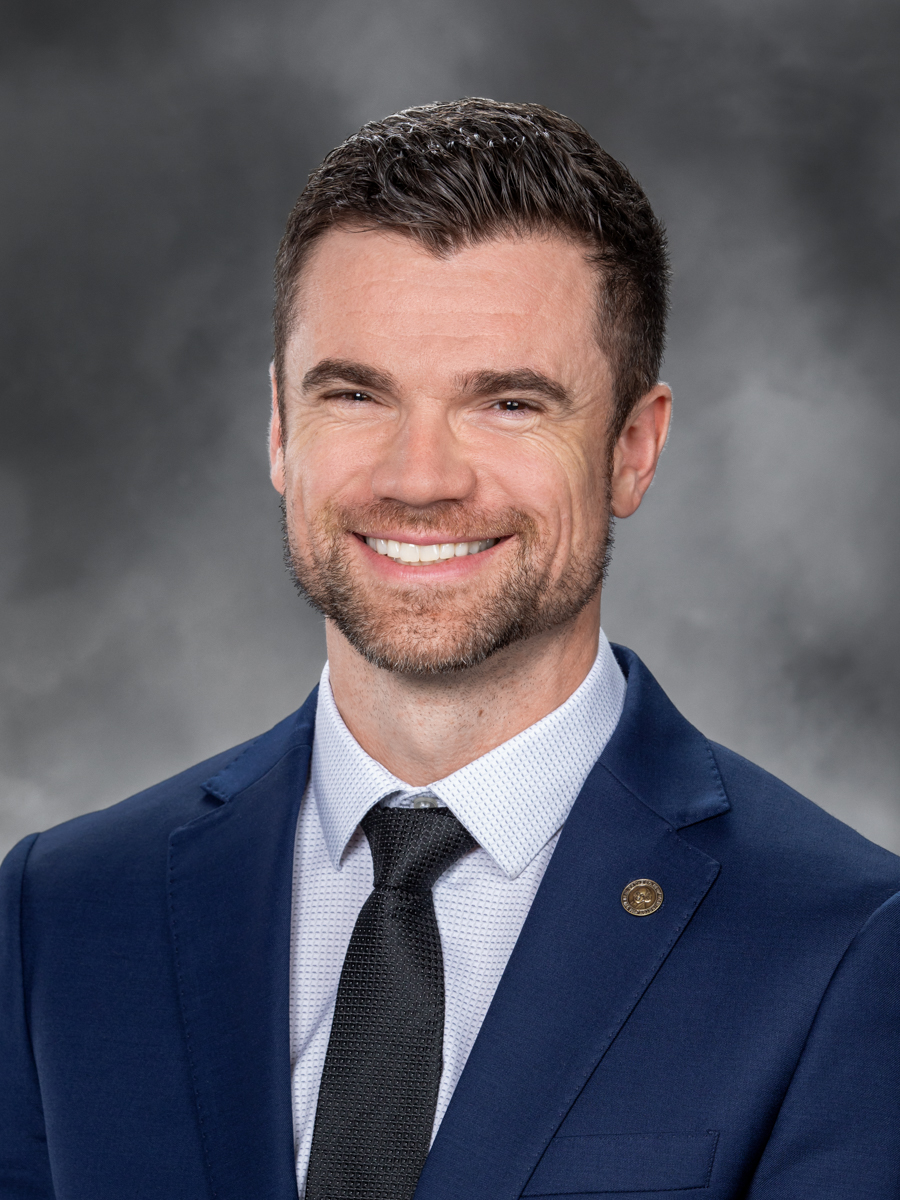
Rep. Skyler Rude
Sponsored bills
Maddy summaryHB 1676 allows charter school contracts that were surrendered, revoked, or not renewed to be reassigned to new applicants meeting standard application requirements. It requires the charter school commission to prioritize applications for schools serving at-risk student populations when reassigning these contracts. The bill exempts these reassignments from the existing cap limiting new charter schools to 40 total over five years and 24 operating simultaneously. This change directly affects charter school authorizers, applicants, and students in schools previously operating under canceled contracts.
Maddy summaryHB 1310 eliminates the enrollment cap on students eligible for state special education funding in Washington, directly affecting all public school districts and students with disabilities. The bill increases funding multipliers for districts serving students with disabilities in inclusive settings (80%+ time in general education), raising the multiplier from 1.12 to 1.5289 for those students, while lowering it to 1.447 for less inclusive placements. It also requires the state superintendent to monitor racial disproportionality in special education identification and provide technical assistance to districts. These changes aim to ensure equitable state funding without requiring local district contributions and support inclusive educational practices.
Maddy summaryHB 1092 modifies Washington state law to clarify when children may be removed from homes due to safety concerns. It expands grounds for removal to include un-prescribed use of strong opioids or other Schedule I/II drugs while caring for a child, and requires courts to prioritize health/safety during removal decisions. The bill mandates a shelter care hearing within 72 hours (excluding weekends/holidays) to determine if a child can safely return home, and requires courts to ensure parents receive notice of their rights and access to legal counsel. It also requires efforts to place children with relatives before long-term shelter care and specifies that parental waiver of hearings must be fully informed.
Maddy summaryHB 1956 creates two programs to address Washington's public defense staffing shortage. It mandates a training program for new public defense mitigation specialists and paralegals by June 2027, covering legal standards, ethics, and networking, with outreach to justice-impacted individuals. It also establishes a paralegal support pool to assist contracted attorneys - prioritizing solo practitioners and small firms - with a goal of 10 full-time paralegals by June 2027, requiring similar outreach in recruitment. The bill takes effect July 1, 2026, focusing on concrete recruitment and retention mechanisms for public defense staff.
Maddy summaryHB 1438 sets strict time limits for Washington cities and counties to approve housing permit applications, requiring final decisions within 65 days for simple permits, 100 days for those needing public notice, and 170 days for projects requiring public hearings. If deadlines are missed, local governments must refund 10-20% of permit fees based on how long they exceed the timeline. The law applies specifically to housing projects in urban growth areas with residential units and excludes certain permit types or planning processes. It aims to streamline housing development by creating predictable, enforceable review timelines for local governments.
Maddy summaryHB 1404 expands access to free school meals in Washington state by removing income-based eligibility requirements. It mandates that all public school students who request a meal receive it at no cost, regardless of family income, to address food insecurity and support academic success. The bill amends several education funding statutes (including RCW 28A.235.135 and 28A.235.160) to align meal access with this new policy. It directly affects every public school student in Washington, ensuring no child experiences hunger during the school day. The policy change replaces previous tiered eligibility systems with universal free meals for all requesting students.
Maddy summaryHB 1307 would remove Washington state sales and use tax on diapers and essential child care products starting January 1, 2026. The bill specifically exempts items like car seats, baby clothing (size 5T and smaller), incontinence products for infants and adults, baby monitors, strollers, and other products designed for children under five. It defines "essential child care products" to include items commonly recognized as necessary for infant and toddler care, as well as products for adults needing incontinence supplies. This tax exemption directly affects families with young children and caregivers of vulnerable adults who face high costs for these essentials. The policy aims to reduce financial strain without altering existing tax rates for other goods.
Maddy summaryHB 1354 amends Washington state law to explicitly include temporary legislative session employees under the public employees' benefits board insurance programs. It clarifies that "employee" definitions now cover these temporary staff members (e.g., aides or support personnel hired specifically for legislative sessions), ensuring they receive the same health insurance benefits as other state employees. The bill makes this change through targeted amendments to existing statutes (RCW 41.05.011 and 41.05.065), without creating new benefits or altering coverage terms. This is a procedural clarification affecting only temporary legislative staff, not elected officials or permanent employees.
Maddy summaryHB 1832 aims to improve student performance in Washington state by focusing on evidence-based literacy and math instruction, primarily affecting public schools, students in grades K-4, and educators. It mandates schools to implement science-based reading programs by 2027-28 (emphasizing phonics, fluency, and comprehension), prohibits guessing-word methods, and requires hiring reading coaches in elementary schools. The bill allocates $250 per eligible student (adjusted for inflation) to school districts for targeted support, calculated based on the percentage of students not meeting grade-level standards in math and English language arts. Additionally, it updates teacher training standards to align with the science of reading and requires the superintendent to monitor school compliance with new literacy requirements.