

Maddy summarySB 209 designates 911 ambulance services as essential services and clarifies the roles of Utah's Department of Health and Human Services, Department of Public Safety, and Bureau of Emergency Medical Services (Bureau). It creates the Emergency Medical Services Critical Needs Account to fund rural county ambulance grants, increasing the maximum vehicle purchase amount for rural recipients. The bill also requires the Bureau to set training center designation standards, subject training centers to Bureau disciplinary oversight, and establishes a class B misdemeanor for willfully ignoring Bureau subpoenas or cease-and-desist orders. These changes aim to strengthen EMS oversight, funding, and compliance across Utah.
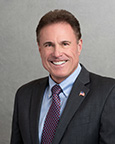
Rep. Jim Dunnigan
Sponsored bills
Maddy summaryHB 37 lowers the minimum population requirement for new towns from 100 to 75 people, making it easier to establish small communities. It allows cities and counties to permit higher housing density in exchange for affordable housing requirements and authorizes incentives for owner-occupied, affordable housing in designated areas. The bill also requires the Governor’s Office to develop a state housing plan by December 2025 and update reporting rules for moderate-income housing projects. These changes directly affect local governments, developers, and residents seeking more housing options in Utah.
Maddy summarySB 142, the App Store Accountability Act, requires app stores operating in Utah to verify users' age categories (child, younger teen, older teen, or adult) and obtain parental consent for minors before allowing app downloads, purchases, or in-app transactions. It mandates app stores to notify users and parents of significant app changes (like new ads or privacy policies) and share age verification data with developers. Developers must verify age status through app stores and cannot enforce contracts with minors without confirmed parental consent. The law treats violations as deceptive trade practices, creates a private right for parents to seek remedies, and gives Utah's Division of Consumer Protection authority to set age verification standards.
Maddy summarySB 190 amends Utah's Workers' Compensation Act to strengthen protections for injured workers. It expands the Labor Commission's authority to require health care providers to disclose information and sets new rules prohibiting "balance billing" (charging workers the difference between what the provider charges and what the workers' comp insurer pays) for covered medical services. The bill also clarifies definitions and reporting requirements for medical records and injury notifications. These changes directly affect workers filing injury claims, their health care providers, and the Labor Commission, which gains enhanced oversight powers over provider fees and disclosures. The bill makes technical adjustments without appropriating new funds.
Maddy summarySB 31 creates a Refugee Services Office within Utah's Department of Workforce Services to provide resettlement services and a cash assistance program for refugees. The office will coordinate with community partners, report annually on refugee services, and manage a Refugee Services Fund funded by state appropriations, federal grants, and donations (excluding administrative costs). It replaces outdated sections of law and makes technical updates without appropriating new state funds. This bill directly affects refugees in Utah who qualify under federal definitions and receive resettlement support.
Maddy summaryHB 23 amends Utah's insurance code to update regulations for insurers and captive insurance companies. It directly affects insurers, captive insurance companies (including those formed as non-profits), and stop-loss insurers by reducing capital requirements for association captives, allowing non-profit structures, and clarifying rules for stop-loss contracts with small employers. Key provisions simplify compliance - such as eliminating certification needs for non-English policies - and clarify exemptions for public agency insurance mutuals. The bill makes technical adjustments to licensing, reporting, and preexisting condition rules without appropriating new funds or changing core insurance coverage.
Maddy summaryHB 68 amends Utah's insurance laws to provide specific exemptions and operational changes for public agency insurance mutuals (like those covering government employees) and reserve funds. It clarifies when these entities are exempt from the Insurance Code, exempts them from the State Money Management Act, and allows them to create captive insurance companies (insurers owned by the public agency itself). The bill also establishes requirements for how the state treasurer must handle investments of these funds, requiring them to be invested for reserve funds. These changes directly affect public agencies operating their own insurance programs, streamlining their regulatory compliance and investment options without appropriating new funds.
Maddy summaryHB 27 allows Utah counties to establish voting precincts covering noncontiguous areas (e.g., separate neighborhoods within the same city or adjacent cities) under specific conditions, such as when all areas share the same elected offices. It requires precinct names to be unique statewide and authorizes county clerks to adjust precinct boundaries to match changes in local political subdivisions (like city borders), provided they file a 65-day notice with the state geospatial center and the county legislature before elections. The bill also clarifies that counties must maintain at least two polling places per election and ensures common polling places include accessible voting devices. This directly affects county election administrators, local governments, and voters by streamlining precinct management to align with municipal boundary changes.
Maddy summaryHB 347 amends multiple Utah social services programs to update regulations and funding. It revises Medicaid funding rules, including the Medicaid ACA Fund, updates mental health and substance use program licensure requirements, modifies rules for certified community health workers, and adjusts Medicaid drug list policies for certain medications. The bill appropriates $1.1 million from the General Fund for fiscal year 2026 to support these program changes. These amendments directly affect Utah residents enrolled in Medicaid and social services programs, as well as healthcare providers and agencies administering these services. The changes aim to modernize program administration and align with current healthcare practices.
Maddy summaryHB 64 replaces the requirement for public officials and employees to post bonds protecting against misconduct with a mandate to obtain crime insurance instead. The bill removes outdated bond-related rules, establishes government-paid crime insurance requirements (including coverage scope and rate-setting), and repeals provisions about bond enforcement. It directly affects municipal officers, elected officials, and public employees who previously needed bonds. The change eliminates individual bond costs while shifting responsibility to government entities to cover insurance premiums.