

Maddy summarySB 221 amends definitions and administrative procedures for Utah's Housing and Transit Reinvestment Zones, directly affecting municipalities and planning authorities managing these zones. It redefines "base year" for property tax calculations, introduces the term "extraterritorial affordable housing," and adjusts requirements for boundary changes and project approvals. Key provisions include clarifying terms like "developable area" and modifying processes for reviewing investment zone proposals. The bill makes technical updates to Utah Code sections without adding new funding or creating new zones, focusing solely on refining existing framework language.
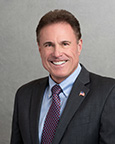
Rep. Jim Dunnigan
Sponsored bills
Maddy summaryThis procedural bill (HJR 1) amends the Utah Legislature's internal operating rules. It defines terms like "minority leader" and "sunset bill," modifies journal publication requirements for the Senate and House, updates procedures for extraordinary sessions, and allows legislators to co-sponsor bills from the opposite chamber. The resolution also establishes specific handling rules for sunset bills (requiring the Senate to table House sunset bills on third reading and the House to refer Senate sunset bills to Rules Committee). As a procedural measure, it affects only legislative operations, not public policy or funding.
Maddy summaryThis House Rules Resolution (HR 1) amends internal procedural rules for the Utah House of Representatives, affecting House members, committee staff, and leadership. It defines "minority leader" and "minority party," clarifies daily convening times (10 a.m. daily except weekends), and removes the requirement for the House Rules Committee to prepare minutes of its meetings. The resolution also modifies how committee chairs handle motions and makes technical adjustments to multiple rule sections (including HR1-3-102 and HR3-1-102). As a procedural bill, it does not change substantive policy or affect the public.
Maddy summarySB 1010 makes technical corrections to fix outdated cross-references in Utah's legal code following the recodification of Title 17 (Counties). It updates references to specific county-related sections across over 50 Utah Code provisions to ensure consistency in the law. The bill contains no new policy changes or funding, only administrative adjustments to the code's structure. It directly affects how county laws are cited and referenced in official legal documents, but does not alter any substantive rights or obligations.
Maddy summarySB 1006 reorganizes and renumbers existing provisions in Utah's Title 17 (County Code) to improve clarity and structure. It modifies definitions, updates organizational language for county operations, and repeals outdated sections, without creating new policies or allocating funds. The bill affects how county-related laws are referenced in the state code, streamlining navigation for officials and the public. All changes take effect on November 6, 2025, and involve technical adjustments to 39 specific Utah Code sections.
Maddy summarySB 1008 reorganizes and renumbers existing sections of Utah’s Municipal Land Use, Development, and Management Act to improve clarity and structure within the legal code. It does not change land use policies or regulations but updates how the law is organized, defines terms, and makes technical corrections to code sections. The bill affects the administrative structure of municipal land use law, not the public or businesses that follow land use rules. It requires no new funding and takes effect on November 6, 2025.
Maddy summarySB 1007 reorganizes and renumbers existing provisions in Utah's state code related to counties, primarily changing section numbers and definitions without altering substantive policies. It affects the state's legal code system by consolidating and updating references across over 30 county-related sections, such as those governing county organization, finances, and administrative procedures. The bill makes technical changes to improve code structure, including renaming sections like 17-75-101 (formerly 17-33-2) and adding new sections like 17-78-503. No new funding or policy changes are introduced, and it applies to the state's legal framework rather than specific individuals or entities. The bill was enacted with a special effective date of November 6, 2025, and signed by the governor in October 2025.
Maddy summarySB 1009 makes technical corrections to update references in Utah's county code (Title 17) following recent recodification. It modifies cross-references in approximately 40 existing code sections to ensure they align with current provisions, preventing confusion in legal documents. The bill does not create new policies, change county government rules, or allocate funding. It affects how county laws are cited but has no direct impact on residents or local government operations. The changes take effect on November 6, 2025.
Maddy summaryHB 495 amends Utah's health care laws to improve payment processes and expand dental care options. It updates rules for credit card payments to healthcare providers, revises dental claims practices, and allows dentists to dispense certain medications under specific circumstances. These changes directly affect healthcare providers, insurers, and dentists by streamlining claim handling and broadening dental medication access. The bill makes no new funding commitments and focuses on clarifying existing procedures in Utah Code sections related to health care claims.
Maddy summaryHB 425 adjusts fees collected by Utah's Department of Public Safety for concealed firearm permits and offender registry compliance. It increases fees for out-of-state concealed permit applicants and annual fees for offenders on the Sex, Kidnap, and Child Abuse Offender Registry before July 1, 2026, while allowing the Bureau to set future fees for both after that date per established procedures. The bill also changes when funds from concealed weapons permit fees are transferred to the Suicide Prevention and Education Fund. These changes directly affect out-of-state permit seekers and registered offenders subject to annual fees. The bill contains coordination language with another related bill (S.B. 41) but does not appropriate new funding.