

Maddy summaryS 1923 prohibits the Environmental Protection Agency (EPA) from finalizing, implementing, or enforcing its proposed rule (88 Fed. Reg. 33240, May 23, 2023) that would establish greenhouse gas emission standards for fossil fuel power plants. The bill argues this rule exceeds EPA authority under the Clean Air Act, as the required carbon capture and clean hydrogen technologies are not yet commercially proven or cost-effective. This directly prevents the implementation of the specific proposed rule without creating new regulatory requirements. The bill does not alter existing laws but blocks this particular EPA action.
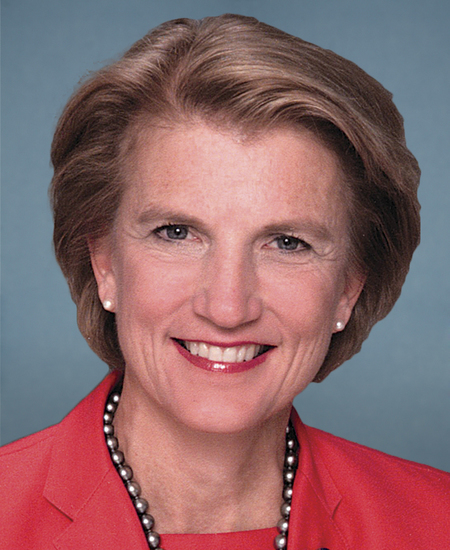
Sen. Shelley Moore Capito
Sponsored bills
Maddy summaryThis joint resolution (SJRES 31) seeks to block an Environmental Protection Agency (EPA) rule implementing the "Federal Good Neighbor Plan" for ozone air quality standards established under the 2015 National Ambient Air Quality Standards. If approved, it would nullify the EPA rule (published June 5, 2023) that would have required certain states to address ozone pollution crossing state borders. The resolution uses a specific congressional disapproval process under Title 5 of the U.S. Code to prevent the rule from taking effect. This would directly affect states and industries subject to the ozone pollution regulations outlined in the EPA's submitted rule.
Maddy summaryS 1907, the Federal Firearms Licensee Protection Act of 2023, increases penalties for crimes committed against licensed firearm businesses. It amends federal law to impose a maximum 20-year prison term for knowingly violating firearm licensing rules or attempting to do so. If a burglary or robbery occurs on a licensed dealer’s, manufacturer’s, or importer’s business premises, the law mandates minimum sentences of 3 years for burglary and 5 years for robbery. This bill directly affects federal firearms licensees by strengthening criminal penalties for attacks on their business locations.
Maddy summaryS 1883 increases funding for existing FAA workforce development grants and creates a new program specifically for aviation manufacturing technical workers. It authorizes $10 million annually (2024-2029) for three grant types: workforce training programs, educational partnerships, and recruitment initiatives. The bill directly affects aviation manufacturers, vocational schools, community colleges, and workers seeking careers as pilots, engineers, or maintenance technicians. Key provisions include funding for classroom training, equipment upgrades, scholarships, outreach to underrepresented groups, and a national strategic plan to address aviation workforce shortages.
Maddy summaryS 1906, the Promising Pathway Act, creates a faster FDA approval pathway for new drugs treating serious or life-threatening conditions, allowing provisional approval within 90 days of application. It requires drug sponsors to establish patient registries tracking usage and outcomes (with 90% participation minimum), mandates insurers to cover these drugs identically to fully approved drugs, and sets 2-year provisional approval periods renewable up to three times (max 8 years total). The bill includes safety monitoring, with withdrawal if serious side effects outweigh benefits or if full approval isn’t sought within 180 days. This directly affects drug manufacturers, patients with serious conditions, and health insurers by altering approval timelines, coverage rules, and post-approval monitoring.
Maddy summaryThe Save Our Gas Stoves Act (S 1859) prevents the U.S. Department of Energy from implementing new energy efficiency standards for gas stoves that could make them unavailable in the U.S. market. It amends energy law to require the Secretary to confirm that any new standard won't eliminate gas stove options before proceeding. The bill also directly prohibits the Department from finalizing, implementing, or enforcing the specific 2023 proposed rule on gas stove energy standards (titled "Energy Conservation Program: Energy Conservation Standards for Consumer Conventional Cooking Products"). This bill primarily affects gas stove manufacturers and consumers who rely on gas stoves as their primary cooking option.
Maddy summaryLeveling the Playing Field 2.0 Act makes significant changes to U.S. antidumping and countervailing duty investigations. It establishes special rules for successive investigations (follow-up investigations on the same merchandise), addresses cross-border subsidies and foreign market distortions that affect pricing, and requires importers to provide certifications to prevent duty evasion. The bill also includes provisions for investigating currency undervaluation as a countervailable subsidy. These changes primarily affect U.S. manufacturers competing with foreign imports and importers of goods from countries with potentially distorted markets. The bill aims to improve the accuracy and effectiveness of trade remedy investigations to better protect U.S. industries.
Maddy summaryThis bill authorizes $5 million annually (2024-2028) to fund grants for family community organizations that support families with a loved one struggling with substance use disorder. It directs these organizations to develop research-backed programs focused on reducing stigma, connecting families to treatment resources, and educating healthcare providers about family impacts. Key provisions include funding for family resilience training, navigating treatment systems, avoiding predatory programs, and building connections between support networks. The bill directly affects families impacted by addiction and the community organizations serving them, with no direct impact on individuals with substance use disorder themselves.
This resolution expresses support for the designation of DIPG Awareness Day. DIPG refers to diffuse intrinsic pontine glioma, a terminal childhood brain cancer.
Maddy summaryThe CARE Act of 2023 modifies the VA's program supporting family caregivers of veterans. It requires the VA Secretary to submit annual reports to Congress detailing application volumes, approvals, denials, and appeals, broken down by race, gender, service era, and branch of service. The bill also establishes a process for the VA to recognize non-profit organizations and individuals who assist veterans, family members, and caregivers in navigating VA services - without charging fees for these services. These changes directly affect veterans' family caregivers and the VA's administrative procedures for eligibility assessments and appeals.