
Home / States / West Virginia
2026 Regular Session · Adjourned

West Virginia Legislature

Follow 2,975 active bills, 134 legislators, and every floor vote of 2026 Regular Session.

Adjourned
Ended Mar 14, 2026
Bills filed
2,975
this session
Bills passed
607
20% pass rate
Legislators
134
34 Senate · 100 House of Delegates
Committees
52
active bodies

Your address is never stored.

Loading map...

2026 general election in West Virginia

Races & candidates

See who is on the ballot this cycle: incumbents, challengers, and the races shaping West Virginia's next legislature.

Want to keep track of what matters to you?

Follow bills and legislators: we'll keep you updated as things change.

Sign in

Recent legislative activity

vetoed · West Virginia · House of Delegates Apr 2, 2026

HB 5074: Relating to changing the allocation of proceeds in the Medical Cannabis Program Fund.

HB 5074 changes how revenue from West Virginia's medical cannabis program is allocated. For fiscal year 2026, it directs $3 million to the Supreme Court for a child protection pilot, $10 million each to West Virginia University and Marshall University for ibogaine research, and $5 million to homelessness services, with remaining funds reverting to general revenue. Starting July 1, 2026, annual allocations will be: 15% to the Medical Cannabis Bureau for administration, 15% to the Department of Agriculture for cannabis testing, and 45% split among the Fight Substance Abuse Fund (20%), university research (10% each to Marshall and WVU), a Child Protection Commission (10%), and law enforcement training programs (40%). These changes apply to ongoing revenue from medical cannabis taxes, not new taxes or fees.
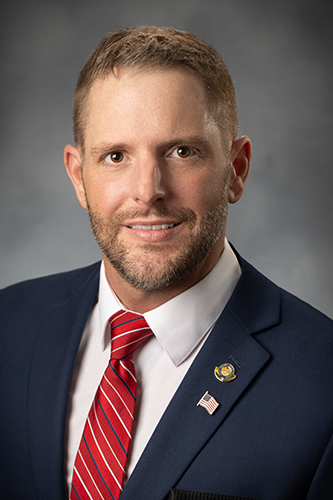
Evan Worrell (R) · 3 co-sponsors
vetoed · West Virginia · House of Delegates Apr 2, 2026

HB 4730: Developing a Continuum of Independent Living and Transitional Support Services for Youth Aging Out of Foster Care

HB 4730 requires West Virginia's Department of Human Services to create a coordinated system of support for youth aging out of foster care or preparing to exit foster care, directly affecting these young adults statewide. The bill mandates a three-phase housing model (on-site living, scattered-site arrangements, and supportive independent living) plus services to build daily living, social-emotional, and education/career skills. It establishes specific funding rules including per diem rates for providers, annual cost-of-living adjustments, and direct monthly stipends to youth for housing costs, while maximizing federal Title IV-E funding. The department must implement annual data collection and reporting to the legislature on outcomes like housing stability and employment, starting in 2027.
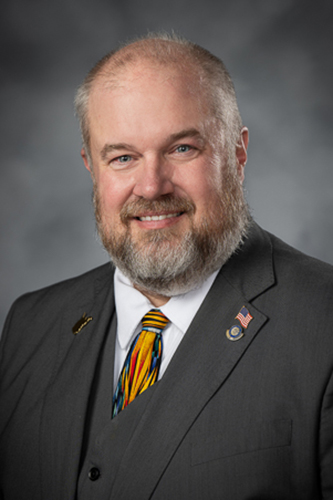
Adam Burkhammer (R)
vetoed · West Virginia · House of Delegates Apr 2, 2026

HB 4002: Establishing the West Virginia Collaboratory

HB 4002 establishes the West Virginia Collaboratory at Marshall University to connect state university research with practical needs of government and citizens. It directs the Collaboratory to focus on workforce development, education, economic growth, and environmental research, requiring state and local agencies to provide free access to infrastructure, personnel, and data for its projects. The bill sets specific funding rules, prohibiting university overhead fees on allocated funds and ensuring funds remain available until spent. An advisory group of legislators, university leaders, and public experts will guide research priorities and review reports, all while exempting advisory meetings from public record requirements.
Lori Dittman (R) · 10 co-sponsors
vetoed · West Virginia · House of Delegates Apr 2, 2026

HB 4393: Requiring the development and implementation of statewide prevention plan

HB 4393 requires West Virginia's Department of Human Services (DoHS) to create and implement a statewide prevention plan by February 1, 2027. The plan must provide trauma-informed, evidence-based services to children under 18 and their families - including youth in foster care, pregnant and parenting youth, those aging out of foster care (up to age 21), post-adoption youth, and families with economic or safety needs. DoHS must ensure providers offer accessible services (combining telehealth and physical locations), track outcomes, and report annually on service usage, costs, and results by county. The plan also aims to qualify for federal matching funds under the Family First Prevention Services Act by 2028.
Adam Burkhammer (R) · 2 co-sponsors
vetoed · West Virginia · House of Delegates Apr 2, 2026

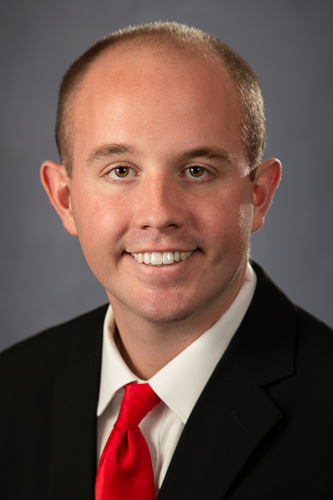
HB 4893: Increase the penalties for contempt of court in a magistrate court

HB 4893 increases penalties for contempt of court in West Virginia magistrate courts. It raises maximum fines for contempt: from $50 to $200 for a first offense, $100 to $500 for a second offense, and $100 to $1,000 (or up to 10 days in jail) for a third or subsequent offense related to the same matter. The bill applies directly to individuals disrupting court proceedings, including witnesses, jurors, parties, or officers who commit contempt. These changes take effect for offenses occurring after the bill's passage, with appeals still allowed to circuit court as in criminal cases.
Jeff Stephens (R) · 1 co-sponsor
Ask Maddy · AI policy assistant

Bills, votes, and legislation, in plain English.

Ask about any West Virginia or federal bill. Maddy reads the full text and answers with cited sources.

Scope: WV
M Maddy
I'm Maddy, your AI guide to West Virginia legislation. I can explain bills in plain English, look up voting records, or surface bills on topics you care about. What would you like to know?
Try one of these
i Maddy answers using official bill text and legislative records. Always verify before sharing.
Sources cited inline

Are you registered to vote in West Virginia?

WV voter portal

Make your voice heard. Confirm your registration or sign up through West Virginia's official voter resources.

Recently passed

Bills that made it through

signed · West Virginia · House of Delegates Aug 21, 2026

HB 5682: Supplemental Appropriation to expire funds to surplus balance of General Revenue

HB 5682 redirects $72 million in unused funds from previous fiscal years to support biomedical research at West Virginia medical schools. It expires $37 million from the 2023 Governor’s Civil Contingent Fund and $35 million from the 2017 fund, adding these to the General Revenue surplus for the 2026 fiscal year. The funds are specifically allocated to: $30 million for Marshall University School of Medicine, $5 million for West Virginia University Dental School, $32 million for West Virginia University School of Medicine, and $5 million for the West Virginia School of Osteopathic Medicine. This supplemental appropriation expands biomedical research capacity without creating new taxes or spending.
Vernon Criss (R) · 1 co-sponsor
signed · West Virginia · House of Delegates Aug 13, 2026

HB 4354: Relating to necessity allowance

HB 4354 establishes requirements for clothing and essential item allowances for children in foster care in West Virginia. It mandates that foster care providers assess a child's clothing and necessity needs at placement, with the state providing an initial allowance of at least $375 if items are missing. The allowance can be paid via a reloadable card (issued within 48 hours), a child welfare worker's purchasing card, or reimbursement to the provider. The bill requires an inventory of the child's wardrobe and necessities that must be updated and follow the child through all placements. This directly affects foster children, placement providers, and the Department of Human Services.
Adam Burkhammer (R) · 1 co-sponsor
signed · West Virginia · House of Delegates Aug 13, 2026

HB 5692: Supplemental appropriation, State Road Fund

This bill provides additional funding from the State Road Fund to the West Virginia Department of Transportation's Division of Highways for the 2026 fiscal year. It authorizes the use of unappropriated money already available in the state treasury to supplement existing budget allocations for road maintenance and construction projects. The legislation does not create new spending categories but rather increases the amount of money designated for the department's current operational fund. Once passed, the additional funds become available for the department to allocate toward its approved highway and infrastructure initiatives during the fiscal year ending June 30, 2026.
Vernon Criss (R) · 3 co-sponsors
signed · West Virginia · House of Delegates Aug 13, 2026

HB 4106: Allowing constitutional carry for 18- to 20-year-olds

HB 4106 would allow West Virginia residents aged 18 to 20 to carry concealed handguns without a license in specific lawful situations, such as on their own property, while traveling to or from a hunting site, or transporting a firearm to a repair shop. The bill repeals the current requirement for a license and the criminal penalty for carrying without one for this age group, while clarifying that minors under 18 who carry unlawfully may be treated as delinquents. It does not change the existing license requirement for residents aged 21 and older. This bill directly affects 18- to 20-year-olds by removing barriers to concealed carry in the specified scenarios.
Chuck Horst (R) · 10 co-sponsors
signed · West Virginia · House of Delegates Aug 13, 2026

HB 5214: Relating to drug testing of parents who have had abuse and/or neglect claims substantiated against them prior to reunification.

HB 5214 requires parents who have been legally found to have abused or neglected their child to pass a lab-confirmed drug test before their child can return home from foster care. The test covers alcohol and specific drugs (including opioids, cocaine, and marijuana), and a positive result without a valid prescription or medical marijuana card blocks reunification. If a parent fails the initial test, the court must hold a hearing within 10 days. This policy directly affects parents seeking to reunify with children after substantiated abuse or neglect cases in West Virginia.
Scot Heckert (R)

State Leadership

Legislative Leadership

Legislative session

2026 Regular Session

Adjourned
Convened
Jan 14, 2026
Wednesday
Duration
59days
session ended
Adjourns
Mar 14, 2026
Saturday
Chamber control
Senate R maj.32 – 2
0 18 for majority 34
House of Delegates R maj.91 – 9
0 51 for majority 100
Bills this session
Passage rate
607 of 2,975 introduced bills have passed at least one chamber.
20.4%

Leaders by Topic

Bipartisan Leaders

Cross-party voting Party cohesion →

State Legislators

Contested battles

Most likely to pass