

Maddy summaryThe REMAIN in Mexico Act of 2024 would require the U.S. government to reinstate the Migrant Protection Protocols (MPP), a policy that forces certain asylum seekers to wait in Mexico while their U.S. immigration cases are processed. It directly affects asylum seekers from Mexico and Central America who are seeking entry to the United States and would be subject to the MPP under this law. The bill mandates implementation of the MPP as described in a 2019 policy memo by former Homeland Security Secretary Nielsen. This would reverse the current administration's decision to end the program, requiring asylum seekers to remain in Mexico during their immigration proceedings.
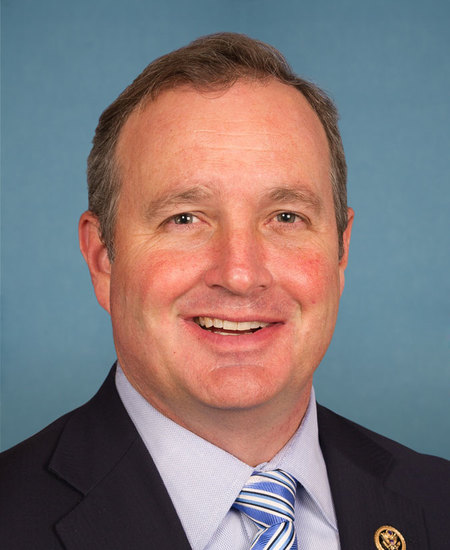
Rep. Jeff Duncan
Sponsored bills
Maddy summaryThe Count Only Citizens Act requires the U.S. Census Bureau to include a citizenship or lawful presence question on the 2030 and future decennial census forms. It mandates that the Secretary of Commerce adjust population counts for congressional apportionment to exclude non-citizens and individuals not lawfully present in the U.S. This change directly affects how congressional seats are allocated among states, potentially reducing representation for states with large non-citizen populations. The bill does not alter census counts used for other purposes, such as federal funding distribution.
Maddy summaryHR 6934, the Families’ Rights and Responsibilities Act, protects parents' fundamental right to direct their child's upbringing, education, and health care without government interference. It prohibits government actions that substantially burden these parental rights - including withholding benefits, imposing penalties, or excluding families from programs - unless the government proves a "compelling interest" and uses the "least restrictive means." The bill explicitly applies to all federal laws and requires courts to consider parental rights as a fundamental right under the Constitution, with exceptions only for actions causing serious child injury or death. It also adds parental rights to existing legal frameworks for recovering attorney fees in court cases involving these protections.
Maddy summaryThe Default Prevention Act (HR 187) requires the Treasury to pay interest and principal on U.S. debt held by the public and Social Security trust funds (including Old-Age and Survivors Insurance and Disability Insurance Trust Funds) if the national debt limit is reached. To do this, the Treasury would issue special obligations exempt from the debt ceiling, meaning they wouldn’t count toward the limit, and these funds couldn’t be used to pay Congress members’ salaries. The bill mandates weekly reports to the House Ways and Means and Senate Finance Committees detailing payments made and obligations issued. This mechanism aims to prevent a government default on critical debt obligations without altering the statutory debt limit.
Maddy summaryThis bill permanently cancels unused funds from the Department of Commerce's Nonrecurring Expenses Fund, which were set aside under the 2023 Fiscal Responsibility Act. It specifies that this cancellation won't count toward federal budget caps or allocation rules under existing budget laws. The bill directly affects how leftover government funds are handled within the Commerce Department's budget, eliminating a specific account for nonrecurring expenses.
Maddy summaryThis bill would amend federal law to require the rejection of a state's electoral votes for president if a candidate nominated by a major political party did not appear on that state's ballot. It defines "major political party" using the IRS's criteria for "major party" status under the Internal Revenue Code. The change directly affects states' ability to certify presidential election results, as electoral votes from any state failing to include a major party candidate would be disqualified from counting. The bill does not alter voting procedures or ballot access but modifies the federal process for certifying electoral votes.
Maddy summaryThis bill, titled "SAFER Voter Act" but focused on firearms, amends federal law to require federal firearms licensees to verify that buyers of handguns (not shotguns or rifles) are at least 21 years old. It directly affects gun dealers and individuals under 21 seeking to purchase handguns. The key provision removes existing exceptions allowing sales of handguns to those under 21, requiring licensees to confirm age before transferring handguns. The bill does not address voting rights or voter registration, despite its misleading title. (Note: The bill's title conflicts with its actual provisions, which relate to firearm age restrictions.)
This resolution expresses the sense of the House of Representatives that regular journalistic activities, including the obtainment and publication of information, are protected under the First Amendment and that the federal government should drop all charges against and attempts to extradite Julian Assange.
Maddy summaryHR 6734 prohibits the use of federal funds to finalize, implement, or enforce the Bureau of Alcohol, Tobacco, Firearms, and Explosives' (ATF) proposed rule (2022R-17) defining "engaged in the business as a dealer in firearms." This bill directly affects the ATF by blocking funding for this specific regulatory rule, which was proposed in August 2023. The legislation does not create new requirements but prevents federal resources from being used to advance this particular ATF regulation.
Maddy summaryHJRES 88 is a resolution seeking to block a Department of Education rule that would have improved income-driven repayment options for federal student loan borrowers. The rule, published in the Federal Register on July 10, 2023, targeted the William D. Ford Direct Loan Program and the Federal Family Education Loan (FFEL) Program. This resolution uses the Congressional Review Act process to disapprove the rule, preventing it from taking effect and preserving the current repayment structure. If enacted, it would stop the proposed changes to repayment terms without altering existing loan policies.