

Default Prevention Act
The Default Prevention Act (HR 187) requires the Treasury to pay interest and principal on U.S. debt held by the public and Social Security trust funds (including Old-Age and Survivors Insurance and Disability Insurance Trust Funds) if the national debt limit is reached. To do this, the Treasury would issue special obligations exempt from the debt ceiling, meaning they wouldn’t count toward the limit, and these funds couldn’t be used to pay Congress members’ salaries. The bill mandates weekly reports to the House Ways and Means and Senate Finance Committees detailing payments made and obligations issued. This mechanism aims to prevent a government default on critical debt obligations without altering the statutory debt limit.
Bill status
in committee
1 of 4 stages cleared
Introduction
Jan 2023
Committee Review
Floor Vote
President
Introduced Jan 9, 2023
Last action Jan 9, 2024
Floor votes
How they voted
No floor votes recorded yet.
Full legislative history
Actions timeline
Total actions
6
Key actions
2
Committee
3
Amendments
1
Jan 9, 2024
Lower · Passed
Reported (Amended) by the Committee on Ways and Means. H. Rept. 118-340.
lower
Mar 9, 2023
Introduced
Ordered to be Reported in the Nature of a Substitute (Amended) by the Yeas and Nays: 21 - 17.
lower
Mar 9, 2023
Lower · Passed
Committee Consideration and Mark-up Session Held.
lower
Jan 9, 2023
Committee
Referred to the House Committee on Ways and Means.
lower
Jan 9, 2023
Introduced
Introduced in House
lower
1 primary · 4 co-sponsors
Sponsors
Role
Legislator
Party
State
District
P
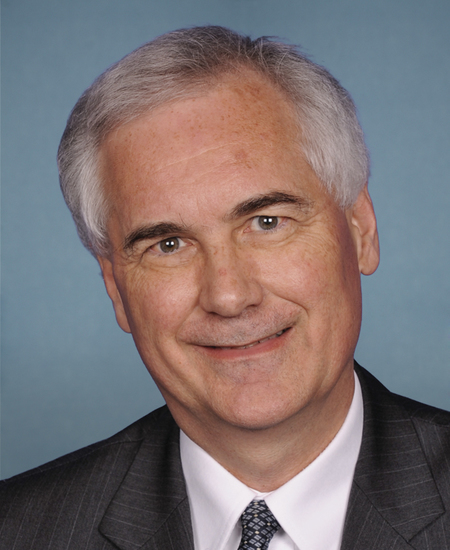
Tom McClintock
RRepublican
Co

Debbie Lesko
RRepublican
Co

Glenn Grothman
RRepublican
Co
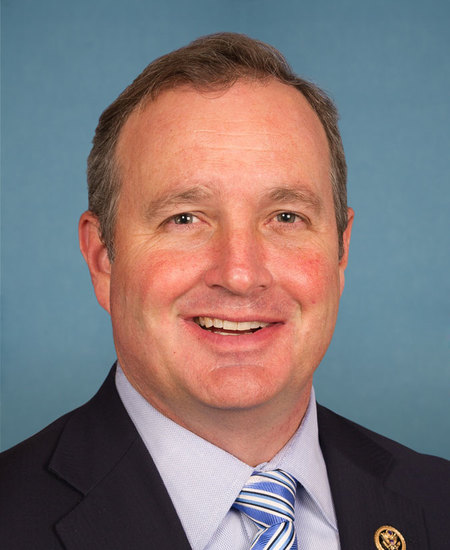
Jeff Duncan
RRepublican
Co

Matt Gaetz
RRepublican
Ask Maddy
·
AI policy assistant
Ask Maddy about HR 187
Scope: US
Hi! I can help you understand HR 187. What would you like to know?
Try one of these
i
Maddy answers using official bill text and legislative records. Always verify before sharing.
Sources cited inline