

Maddy summaryThe SVB Act (HR 1602) repeals Title IV of the 2018 Economic Growth, Regulatory Relief, and Consumer Protection Act, which had relaxed banking regulations. It directly affects banks previously subject to those relaxed rules, particularly smaller institutions that benefited from the 2018 changes. The bill’s key mechanism is restoring the pre-2018 regulatory framework, reversing the specific provisions that eased oversight. This returns banking oversight to the structure that existed before the 2018 law took effect, without creating new rules.
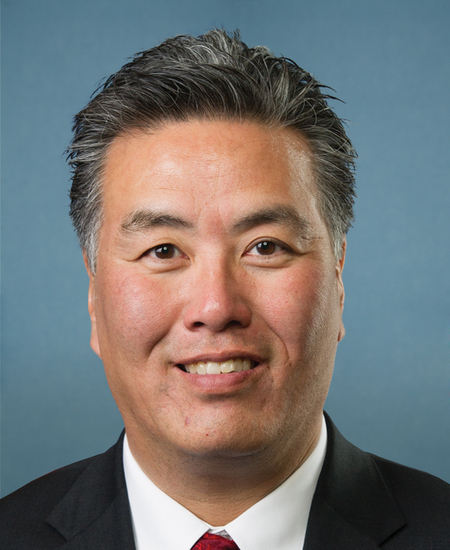
Rep. Mark Takano
Sponsored bills
Maddy summaryHRES 219 is a symbolic resolution (not a binding bill) expressing the House’s support for inclusive public schools. It urges schools to adopt historically accurate, diverse educational materials that reflect the nation’s diversity, foster parent-educator partnerships, and eliminate discrimination based on race, disability, LGBTQ+ identity, or other factors. The resolution emphasizes creating safe, well-rounded learning environments that prepare all students for success while protecting students’ civil rights. It directly affects public school districts, educators, families, and students by encouraging practices that promote equity and inclusion.
This resolution expresses support for the designation of COVID-19 Victims and Survivors Memorial Day to memorialize the lives lost to the COVID-19 pandemic.
Maddy summaryHR 1328, the Medical Device Nonvisual Accessibility Act of 2023, requires certain home-use medical devices (like blood pressure monitors and sleep apnea machines) to include nonvisual accessibility features - such as voice commands or audio feedback - by 2025. It directly affects blind or low-vision users who rely on these devices for independent, safe, and private care at home. The bill mandates that devices classified as Class II or III (and cleared via FDA processes) must meet accessibility standards ensuring equal usability for blind or low-vision individuals, with limited waivers allowed for manufacturers facing undue hardship. The FDA will develop and enforce these standards within two years, consulting with accessibility experts and blind users.
Maddy summaryThe Paycheck Fairness Act (HR 17) strengthens equal pay protections by amending the Fair Labor Standards Act. It prohibits pay discrimination based on sex, pregnancy, childbirth, sexual orientation, gender identity, and sex characteristics. The bill modifies employer defenses for pay differences to require demonstration that any disparity is job-related, consistent with business necessity, and accounts for the entire pay differential. It also prohibits employers from relying on wage history when making hiring decisions or setting pay, enhances penalties for violations, and requires the EEOC to collect compensation data disaggregated by sex, race, and national origin.
Maddy summaryHCONRES 22 is a symbolic resolution recognizing the persistent gender pay gap in the U.S., documenting that women earn significantly less than men across racial groups (e.g., Black women earn 67 cents for every dollar earned by White men). It highlights the economic impact of this disparity, noting women lose over $958 billion annually in wages and face barriers like occupational segregation and workplace harassment. The resolution does not create new laws or policies but formally acknowledges the issue and reaffirms Congress’s commitment to addressing the gap. It references specific Equal Pay Days (e.g., March 14 for all women) to underscore the time women must work to earn what men did the previous year.
Maddy summaryHR 1510, the Improving Access to Nutrition Act of 2023, removes work requirements for Supplemental Nutrition Assistance Program (SNAP) recipients. It directly affects approximately 6.1 million people, including many Black, Hispanic, and Native American households disproportionately impacted by food insecurity (with rates 2-4x higher than White households), as well as families with children and individuals with health barriers to employment. The bill amends the Food and Nutrition Act by striking provisions requiring work for SNAP eligibility and related administrative requirements. This change aims to prevent vulnerable households from losing critical food assistance during the pandemic and beyond.
Maddy summaryThe Stop Corporate Capture Act requires agencies to disclose conflicts of interest when industry-funded studies or research are submitted for rulemaking consideration. It mandates that such studies be made publicly available and requires agencies to assess the social equity impacts of proposed rules. The bill creates an Office of the Public Advocate to help improve public participation in rulemaking, particularly for historically excluded groups. These provisions aim to increase transparency in regulatory decision-making and ensure rulemaking considers broader public interests beyond corporate interests.
Maddy summaryHR 1511 amends Section 249 of the Immigration and Nationality Act to change eligibility criteria for certain immigration provisions. The bill replaces outdated language about entry dates (prior to July 1, 1924, or January 1, 1972) with a requirement that applicants must have been long-term residents of the United States for at least seven years before applying. This change would directly affect individuals seeking immigration status under the amended provisions who meet the new residency timeline. The bill is procedural in nature, updating the legal definition of qualifying residency without creating new benefits or restrictions. (Note: The bill's title incorrectly references the "Immigration Act of 1929," which never existed; the actual law amended is part of the 1952 Immigration and Nationality Act.)
Maddy summaryHR 1269, the Healthy Meals Help Kids Learn Act of 2023, increases federal funding for school meals. It adds 45 cents per lunch and 28 cents per breakfast served by school food authorities (like school districts) starting July 1, 2023, covering all meal types (free, reduced-price, and full-price). The extra payments are adjusted annually beginning July 1, 2024, based on inflation. This directly affects schools serving meals under the National School Lunch and Child Nutrition programs, providing them with additional funding to support meal costs.