

Maddy summaryHR 7801, the Sultana Steamboat Disaster Commemorative Coin Act of 2024, authorizes the U.S. Mint to produce commemorative coins honoring the 1865 Sultana steamboat disaster - the worst maritime disaster in U.S. history, which killed nearly 1,200 people. The bill specifies three coin types ($5 gold, $1 silver, and half-dollar clad) to be minted between January 1, 2027, and December 31, 2027, with surcharges from sales directed to the Sultana Historical Preservation Society for museum development and artifact preservation. The coins will be sold at face value plus surcharges ($5-$35 per coin), and the funds must support constructing a museum, exhibits, and preserving disaster-related history. This bill does not create new laws but enables commemorative coin sales to fund a specific historical preservation effort.
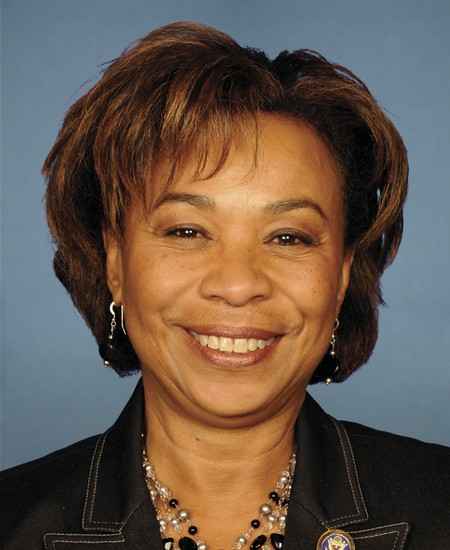
Rep. Barbara Lee
Sponsored bills
Maddy summaryHR 7799, the CATCH Act, requires the U.S. Department of Justice to submit annual reports to Congress on prosecutions related to firearms trafficking to the Caribbean. The bill mandates detailed reporting on investigations, prosecutions, firearm types, transportation methods, and coordination with Caribbean law enforcement partners like CARICOM's Crime Gun Intelligence Unit. It directly affects Caribbean nations (such as Haiti, Jamaica, and the Bahamas) where U.S.-sourced firearms fuel violence and migration, and U.S. agencies prosecuting these cases. The law aims to strengthen oversight of the existing Coordinator for Caribbean Firearms Prosecutions without altering current prosecution authorities.
Maddy summaryHR 7812, the National Parent and Youth Helpline Act, creates a federal grant program to establish a 24/7 national toll-free helpline for parents, caregivers, and youth facing personal challenges like emotional distress, substance abuse, or educational concerns. The grant, worth $20 million annually from 2025-2030, will fund one nonprofit to operate the helpline (via phone, text, and chat), host weekly evidence-based support groups, and maintain a resource website. It specifically prioritizes serving diverse groups, including LGBTQ+ individuals, and requires annual performance reports to the Secretary and a congressional report after three years. The bill directly affects millions of parents and youth by providing accessible, trauma-informed support to strengthen families and prevent issues like child maltreatment.
Maddy summaryHR 7795, the ProTECT Act of 2024, bans trophy hunting and importing trophies of threatened wildlife species in the U.S. and prohibits issuing permits for such activities. It amends the Endangered Species Act to extend existing protections - previously only covering endangered species - to threatened species, making it unlawful to take or import trophies (including parts or derivatives) of these species. The bill defines "trophy" broadly to cover whole animals, parts, or processed items obtained under hunting authorization, aiming to prevent legal trade from masking illegal wildlife trafficking.
Maddy summaryHR 7766, the Protecting Consumers from Deceptive AI Act, requires AI developers and major online platforms to clearly label AI-generated content. It mandates that audio or visual content created by generative AI include machine-readable disclosures about its origin (e.g., "AI-generated"), with measures to prevent tampering, and platforms must display these labels without removal. The law applies to companies with significant revenue ($50M+ annually) or user scale (25M+ monthly active users), such as social media platforms and content services. The Federal Trade Commission will enforce these labeling requirements as deceptive practices, treating violations under existing FTC authority.
Maddy summaryHRES 1101 is a non-binding resolution expressing the House of Representatives' support for collaborating with the Congressional Black Caucus to develop a "Black Wealth Agenda." It commits the House to outlining legislative priorities focused on closing the racial wealth gap through key areas like expanding Black entrepreneurship, reforming housing policies, building workforce development programs, and updating the federal minimum wage. The resolution emphasizes addressing systemic barriers in homeownership, education access, employment discrimination, and tax policy to advance economic equity for Black communities. It does not create new laws but directs the House to coordinate with the CBC on policy solutions targeting wealth-building opportunities.
Maddy summaryThis bill would provide federal grants to public housing agencies to modernize public housing through energy efficiency upgrades, infrastructure improvements, and renewable energy systems. It requires all public housing to become "zero-carbon homes" that produce enough renewable energy to meet their own consumption within 10 years. The bill includes specific requirements for workforce development, hiring from low- and very low-income communities (40% in year 1, 50% in year 2, 90% after that), and contracting with resident-owned businesses (20% in year 1, 30% in year 2, 50% after that). It also mandates resident and community engagement in planning, and requires public housing agencies to meet specific energy efficiency and water quality standards. The bill directly affects all public housing agencies managing housing for low- and very low-income residents across the United States, including tribal housing entities.
Maddy summaryHR 7770, the Rosie the Riveter Commemorative Coin Act, authorizes the U.S. Mint to produce and sell three commemorative coins honoring women who worked on the U.S. home front during World War II. It specifies $5 gold coins (max 50,000), $1 silver coins (max 400,000), and half-dollar coins (max 750,000), all to be issued between January 1, 2025, and December 31, 2025. Each coin sale includes a surcharge ($35 for gold, $10 for silver, $5 for half-dollar), with all surcharge funds directed to the Rosie the Riveter Trust for maintaining the Rosie the Riveter WWII Home Front National Historical Park and educational programs. The coins will feature designs reflecting the legacy of diverse women workers and must meet specific weight, diameter, and composition standards.
Maddy summaryHR 7746, the "Destroy Zombie Guns Act," requires businesses that destroy firearms to destroy every component of a firearm during the process, not just parts of it. This law directly affects licensed firearm destruction businesses and individuals operating as regular business to destroy firearms for profit. The bill amends federal law (18 U.S.C. § 922) to make it unlawful to fail this complete destruction, adding penalties including fines, up to 2 years in prison, and license suspension or revocation for licensed destroyers who violate the rule. The key mechanism ensures no firearm parts remain usable after destruction, targeting incomplete destruction practices.
Maddy summaryThe PTO Act establishes a standard for paid annual leave, requiring most employers to provide employees with 1 hour of paid leave for every 25 hours worked, up to a maximum of 80 hours per 12-month period. It directly affects private sector employees and certain government workers, including those at the Government Accountability Office, Library of Congress, and federal agencies covered under the Congressional Accountability Act. The bill prohibits employers from interfering with employees' use of leave for any reason, requires clear notice of leave policies, and protects employees from retaliation for taking leave. It includes enforcement mechanisms through the Department of Labor, allowing employees to file complaints or lawsuits for violations of their leave rights. The Act takes effect 180 days after enactment, with specific provisions for collective bargaining agreements.