Issue · Labor & Employment

Labor & Employment

Every labor & employment bill, vote, and legislator stance in United States, automatically classified by Maddy, our AI policy reader.

Total bills
1,543
119th Congress
Top supporter
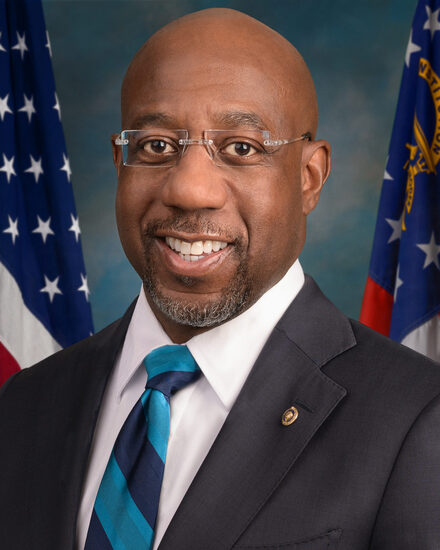
Raphael G. Warnock
100% support rate
Top opponent
Eric Burlison
31% support rate
Ranked legislators
10
5 support · 5 oppose
Key legislators

Who's moving labor & employment in United States

Legislators moving labor & employment in United States
Legislator Party Stance Support rate Votes
Raphael G. Warnock
Raphael G. Warnock Senate
D
Strong +
100% 211
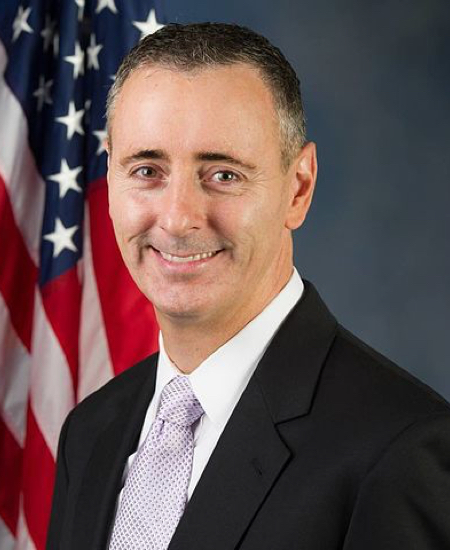
Brian K. Fitzpatrick
Brian K. Fitzpatrick House · District 1
R
Strong +
92% 194
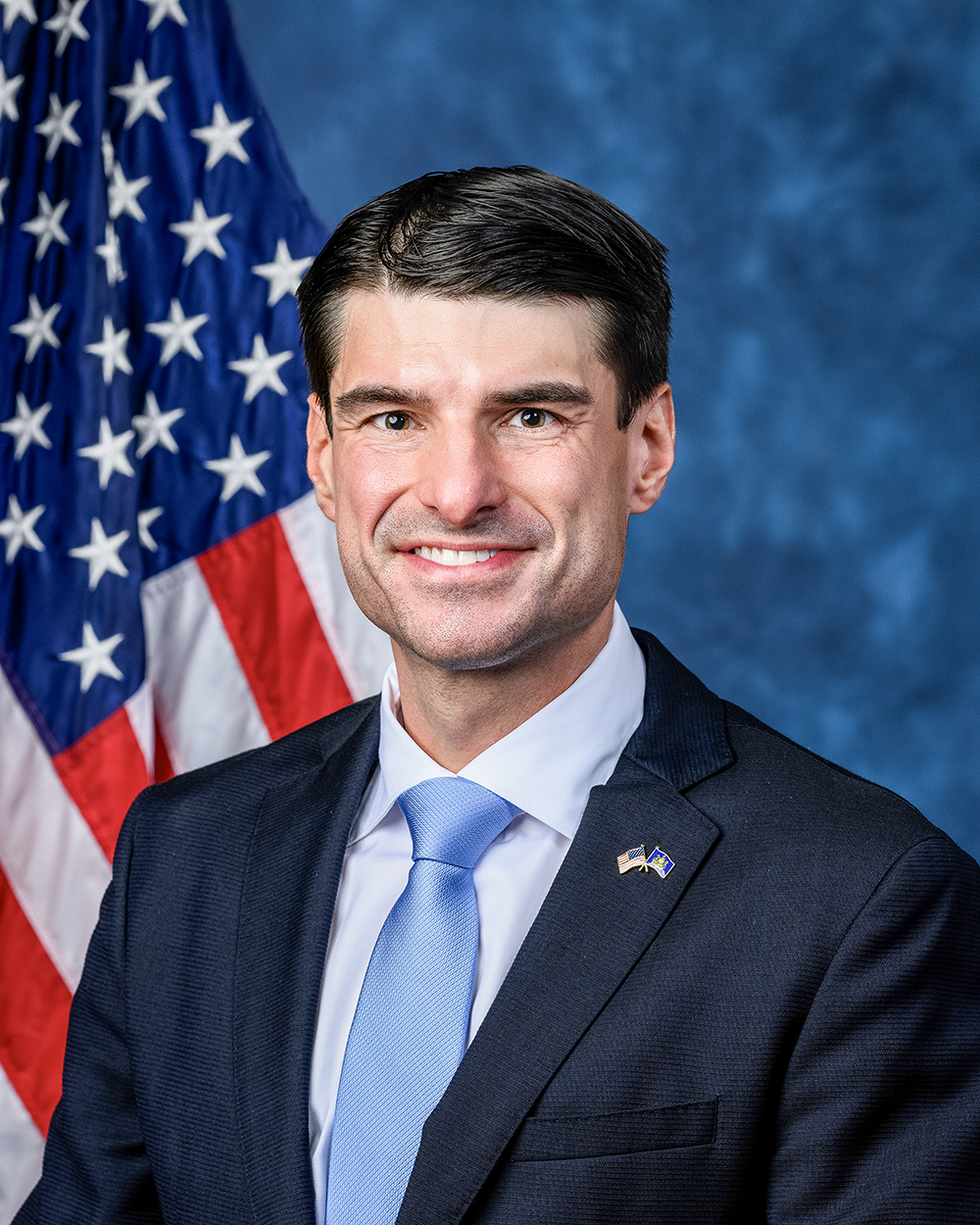
Robert P. Bresnahan, Jr.
Robert P. Bresnahan, Jr. House · District 8
R
Strong +
92% 197
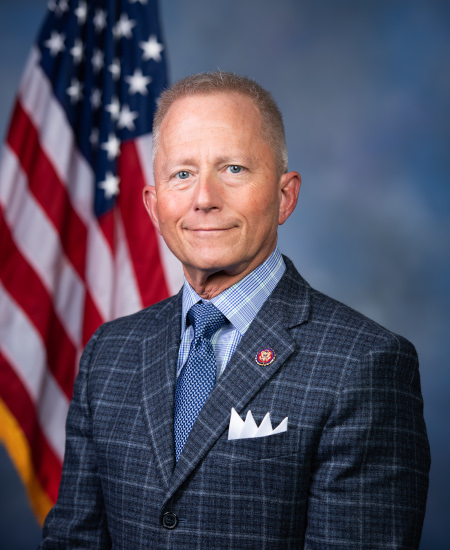
Jefferson Van Drew
Jefferson Van Drew House · District 2
R
Strong +
92% 197
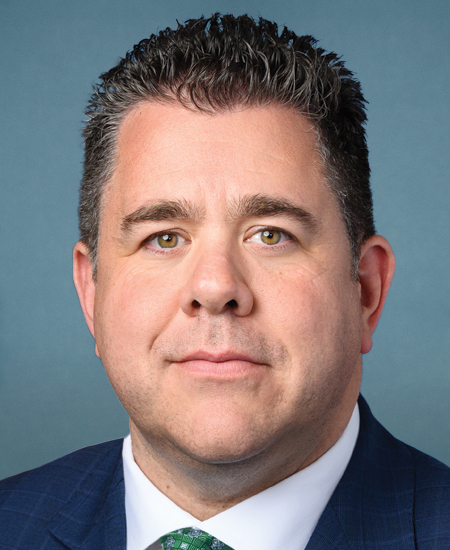
Nick LaLota
Nick LaLota House · District 1
R
Strong +
92% 195
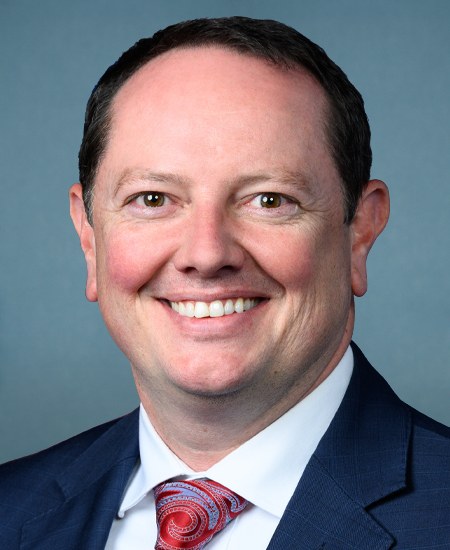
Eric Burlison
Eric Burlison House · District 7
R
Oppose
31% 197
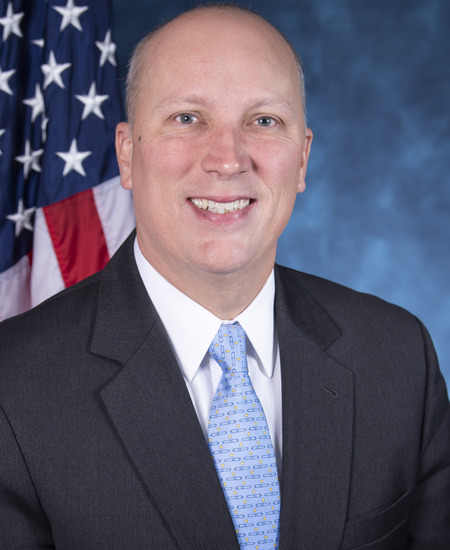
Chip Roy
Chip Roy House · District 21
R
Oppose
31% 190
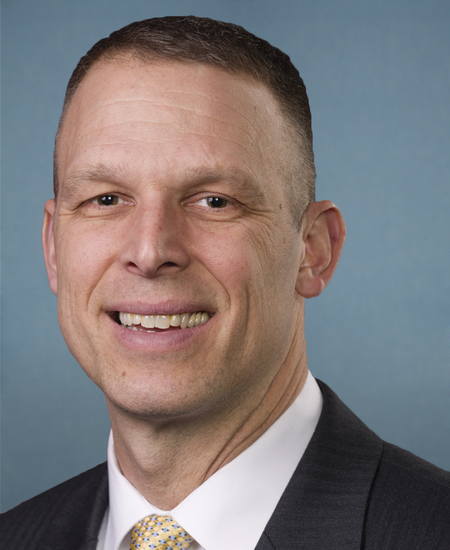
Scott Perry
Scott Perry House · District 10
R
Oppose
31% 194
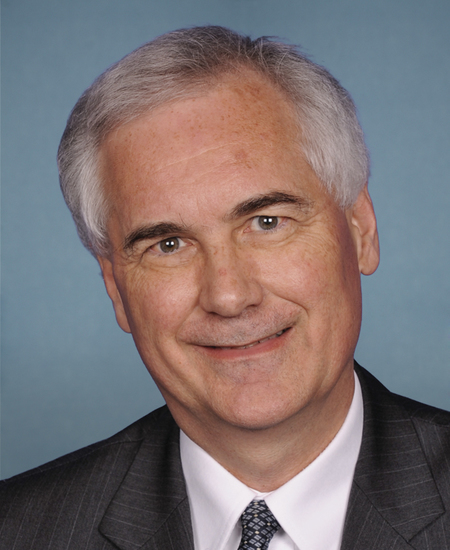
Tom McClintock
Tom McClintock House · District 5
R
Oppose
31% 190
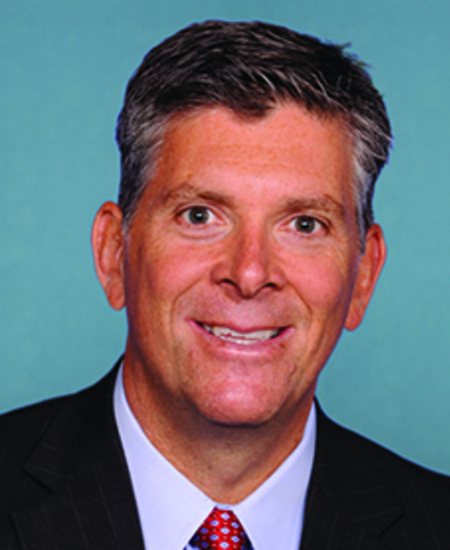
Darin LaHood
Darin LaHood House · District 16
R
Oppose
33% 175
Showing 151–160 of 1,543 bills

All labor & employment bills

in committee · United States · House Jun 18, 2026

HR 9352: AI-Related Job Impacts Clarity Act

This bill requires publicly traded companies and certain government agencies to report quarterly data on how artificial intelligence affects their U.S. workforce. Specifically, these organizations must disclose the number of employees laid off due to AI automation, new hires resulting from AI integration, unfilled positions caused by AI, and individuals receiving AI-related retraining. The Department of Labor will collect this information, analyze the net impact of these changes, and publish the reports on its website while also submitting them to Congress. Additionally, the bill establishes a process for the Department of Labor to determine which non-publicly traded companies should be included in these reporting requirements based on factors like company size and industry.
Sub-Topics Gig Economy Tags Artificial Intelligence
in committee · United States · House May 29, 2026

HR 9063: Hire American Act

The Hire American Act mandates that only U.S. citizens or nationals can be employed by the federal government, with specific exceptions for translators, emergency field workers, international broadcasters, and short-term wildland firefighters. To enforce this rule, the bill requires new hires to sign an affidavit confirming their citizenship status and allows for penalties of fines or imprisonment for individuals who knowingly provide false information. The Office of Personnel Management is tasked with issuing implementation guidance within 180 days and must publish reports detailing any non-citizen appointments made under the allowed exceptions. Additionally, the law extends these employment restrictions to include employees of the United States Postal Service and the Postal Regulatory Commission.
in committee · United States · House Jun 24, 2026

HR 9438: SKILL Act

The SKILL Act creates a new tax credit for employers who partner with public colleges and community colleges to develop short-term training programs lasting two years or less. To qualify, employers must be certified by their state agency for contributing to these programs through activities like co-designing curricula, offering apprenticeships, or donating equipment. The credit allows eligible businesses to claim up to $2,500 per student who earns a credential or is hired full-time after completing the program, with a total national spending cap of $500 million per year from 2027 to 2031. State agencies will distribute the available funds to employers on a competitive basis, and the law takes effect for tax years ending after December 31, 2026.
in committee · United States · House Jun 10, 2026

HR 9245: Beginning Educator Mentorship and Retention Act

This bill creates a federal grant program to help states and school districts establish two-year mentoring and induction programs for new teachers and school leaders. The legislation aims to reduce teacher turnover and improve student learning by providing structured support, including experienced mentors, regular feedback, and collaboration time for educators in their first two years. Funds awarded under this act must be used to supplement existing resources, with a requirement that mentors receive additional compensation or reduced workloads for their participation. The program prioritizes schools with high concentrations of economically disadvantaged students and those facing high rates of new teacher turnover, while also offering specific support for rural areas and underrepresented groups.
in committee · United States · House Jun 11, 2026

HR 9308: Tax Relief for First Responder Beneficiaries Act

The Tax Relief for First Responder Beneficiaries Act expands tax benefits for families of public safety officers who die in the line of duty. It allows surviving beneficiaries, not just dependents, to receive certain compensation without paying federal income tax, and it extends survivor annuity benefits to children or beneficiaries of life insurance policies. These changes apply to taxable years starting after December 31, 2022, ensuring broader financial support for the families of fallen first responders.
Sub-Topics Income Tax
in committee · United States · House Jun 15, 2026

HR 9315: Workforce Dignity Act

The Workforce Dignity Act updates federal laws to replace the term "sheltered workshop" with "community rehabilitation program" across various statutes. This change directly affects government programs and regulations related to employment for blind and disabled individuals, as well as tax deductions and veteran preference rules. The bill amends specific sections of the Small Business Act, Internal Revenue Code, and Social Security Act to ensure consistent terminology throughout these legal frameworks. By standardizing the language, the legislation aims to modernize references without altering the underlying application of existing laws.
Sub-Topics Workforce Development Tags People with Disabilities
in committee · United States · House Jun 15, 2026

HR 9312: To amend the Immigration and Nationality Act to include the processing of crawfish as agricultural labor or services, and for other purposes.

This bill amends federal immigration laws to officially classify crawfish processing as agricultural labor. It directly affects workers involved in washing, sorting, grading, boiling, peeling, and transporting crawfish, allowing them to be treated similarly to those working in apple cider production. By adding these specific tasks to the legal definition of agricultural services, the legislation ensures that individuals performing this work can access the same visa categories available to other farm laborers. The change is a straightforward update to existing statutes without altering other immigration rules or creating new programs.
in committee · United States · House Jun 26, 2026

HR 9280: Veterans to Advanced Manufacturing Plan Act

The Veterans to Advanced Manufacturing Plan Act directs the Secretary of Veterans Affairs to create a strategic action plan aimed at increasing veteran employment in advanced manufacturing industries. This plan requires the Department to identify specific barriers veterans face in hiring and training, as well as challenges employers encounter when recruiting and retaining these workers. The Secretary must also analyze regional needs, highlight the unique skills veterans bring to the field, and consult with industry leaders and educational institutions to develop effective solutions. Ultimately, the bill mandates the publication of a document outlining short- and long-term actions to improve veteran participation in this specific workforce sector.
in committee · United States · Senate Jun 10, 2026

S 4737: Volunteer First Responder Housing Act

The Volunteer First Responder Housing Act expands housing benefits for unpaid firefighters and other first responders who have served for at least two years. Under this bill, eligible volunteers can receive an $18,000 reduction in their income when applying for USDA single-family housing loans and qualify for discounted home prices through government sales programs. To access these advantages, volunteers must submit a verification letter from their employer confirming their service history and certification status. The law defines specific criteria for who counts as a qualified volunteer, requiring continuous service and adherence to minimum activity standards set by the employer.
in committee · United States · House Jun 26, 2026

HR 9261: Comprehensive Paid Leave for Federal Employees Act

The Comprehensive Paid Leave for Federal Employees Act expands paid family and medical leave benefits for federal workers, including those in the Executive Office of the President, the Postal Service, and the District of Columbia courts. Key provisions increase the standard leave entitlement to 12 weeks plus any accrued annual or sick leave, while also extending coverage to include pregnancy loss, fertility issues, and failed adoptions. The bill specifically adds a new category of leave allowing employees to take time off to address the needs of family members who are victims of dating violence, domestic violence, sexual assault, stalking, or sex trafficking. To fund this expanded coverage, the legislation requires employees to agree to work for a period equal to the time taken off, with exceptions made for death or serious health conditions.
Sub-Topics Paid Leave
Showing 151 to 160 of 1,543 bills
Previous 1 15 16 17 155 Next