Issue · Healthcare

Healthcare

Every healthcare bill, vote, and legislator stance in United States, automatically classified by Maddy, our AI policy reader.

Total bills
3,079
119th Congress
Top supporter
Christopher Murphy
81% support rate
Top opponent
Bill Hagerty
13% support rate
Ranked legislators
10
5 support · 5 oppose
Key legislators

Who's moving healthcare in United States

Legislators moving healthcare in United States
Legislator Party Stance Support rate Votes
Christopher Murphy
Christopher Murphy Senate
D
Strong +
81% 221
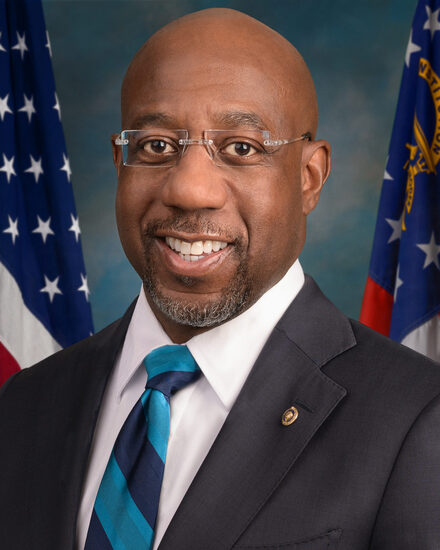
Raphael G. Warnock
Raphael G. Warnock Senate
D
Strong +
81% 222
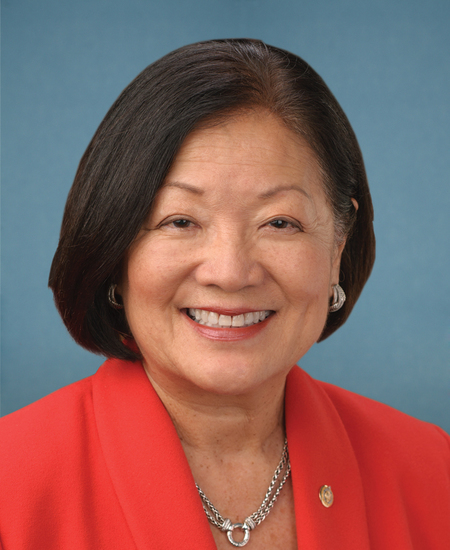
Mazie K. Hirono
Mazie K. Hirono Senate
D
Support
76% 223
Ron Wyden
Ron Wyden Senate
D
Support
76% 223
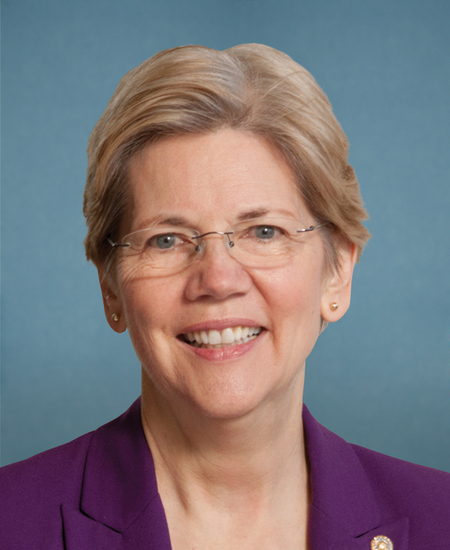
Elizabeth Warren
Elizabeth Warren Senate
D
Support
76% 223
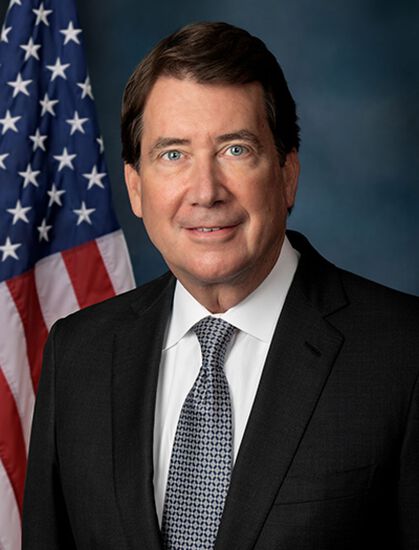
Bill Hagerty
Bill Hagerty Senate
R
Strong −
13% 218
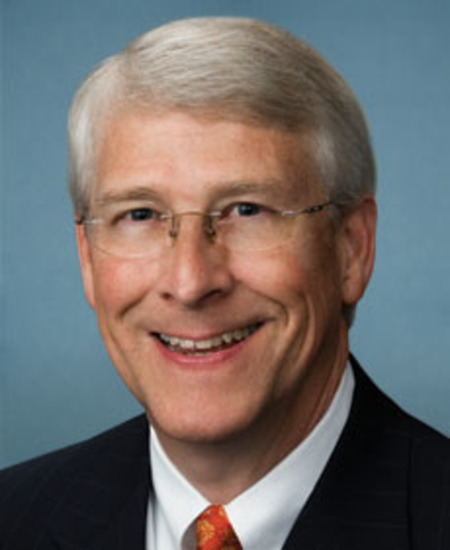
Roger F. Wicker
Roger F. Wicker Senate
R
Strong −
13% 220
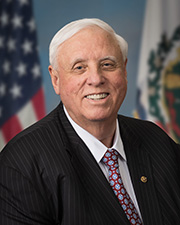
James C. Justice
James C. Justice Senate
R
Strong −
19% 216
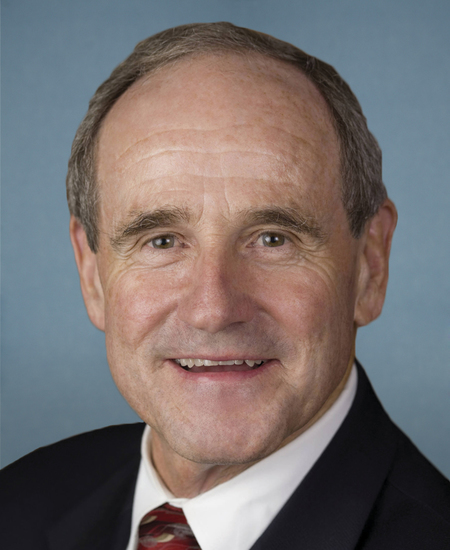
James E. Risch
James E. Risch Senate
R
Strong −
19% 221
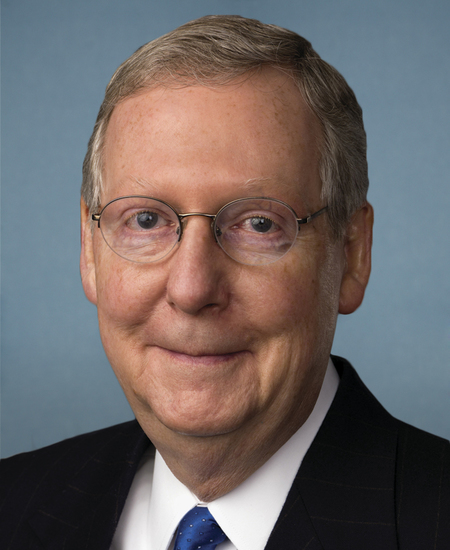
Mitch McConnell
Mitch McConnell Senate
R
Strong −
19% 197
Showing 71–80 of 3,079 bills

All healthcare bills

in committee · United States · Senate Aug 4, 2026

S 5236: Improving CARE for Youth Act

The Improving CARE for Youth Act amends the Social Security Act to prevent state Medicaid plans from denying payment for mental health or primary care services provided on the same day as a qualifying service. This legislation directly affects individuals receiving Medicaid coverage, particularly those who visit outpatient facilities for both physical and mental health treatments during a single visit. By establishing that states cannot prohibit reimbursement for these concurrent services, the bill ensures that patients are not financially penalized for combining different types of care in one appointment. The measure defines "same-day qualifying services" as primary or mental health visits occurring at the same facility on the same day, regardless of whether the providers are identical.
Sub-Topics Children's Health Medicaid Mental Health Tags Children
in committee · United States · Senate Aug 6, 2026

S 5292: GREEN Hospitals Act

The GREEN Hospitals Act authorizes $100 billion in Hill-Burton grants for the construction or modernization of medical facilities, with priority given to projects that incorporate climate resilience features such as renewable energy systems, air quality improvements, and flood protection. The bill also establishes a separate $5 billion Planning and Evaluation Grant Program to help states, tribal governments, and nonprofits develop sustainability plans for hospitals and clinics. To receive funding, applicants must demonstrate that their facilities serve vulnerable populations or environmental justice communities and certify that they respect employee labor rights by maintaining collective bargaining agreements or non-interference policies. Additionally, the legislation requires that at least 50 percent of planning grant funds be allocated to projects located in environmental justice communities and prohibits the use of training repayment agreements for employees and apprentices.
in committee · United States · Senate Aug 4, 2026

S 5231: Equity in Pretrial Health Coverage Act

The Equity in Pretrial Health Coverage Act removes federal restrictions that currently prevent individuals awaiting trial from accessing certain government health benefits. The bill amends laws governing Medicaid, Medicare, the Children's Health Insurance Program (CHIP), and Department of Veterans Affairs services to ensure these programs cover medical care for people in custody while their charges are pending. For children enrolled in CHIP, the legislation also mandates coverage for specific screenings and case management services during the 30 days leading up to their release. These changes take effect shortly after enactment, with the Department of Veterans Affairs provision becoming active immediately upon the bill's passage.
in committee · United States · House Aug 6, 2026

HR 10056: Nurse Overtime and Patient Safety Act of 2026

The Nurse Overtime and Patient Safety Act of 2026 prohibits healthcare providers from requiring registered, licensed practical, or licensed vocational nurses to work mandatory overtime beyond a previously scheduled shift, 48 hours in a week, or 12 consecutive hours. The bill allows exceptions during declared emergencies or disasters but requires that alternative staffing measures be attempted first and that the extended work does not extend past the end of the emergency response. Providers who violate these limits face civil money penalties of up to $10,000 per violation, with harsher fines for repeated offenses, and are required to post nurse schedules and rights notices in visible locations. Additionally, the legislation protects nurses from retaliation if they refuse mandatory overtime or report violations, while mandating that the Department of Health and Human Services study safe working hour standards and the Office of Management and Budget review practices in federally operated medical facilities.
passed · United States · Senate Aug 7, 2026

SRES 843: A resolution expressing support for the designation of the first week of August 2026, as "National Community Health Center Week", encouraging all people of the United States to participate by visiting their local community health center, and celebrating the important partnership between community health centers and the communities they serve.

This Senate resolution designates the first week of August 2026 as "National Community Health Center Week" to recognize the role these facilities play in providing affordable primary care across the United States. The bill highlights that community health centers serve a diverse range of populations, including those in rural and urban areas, by offering integrated services such as mental health, dental, and pharmacy care. It encourages the general public to participate in the observance by visiting local centers and celebrating the partnership between these organizations and their communities.
in committee · United States · Senate Aug 4, 2026

S 5237: Stop Superbugs Act

The Stop Superbugs Act directs the National Institute of Allergy and Infectious Diseases to award a competitive grant for an Antibiotic Resistance Leadership Group. This group will establish a clinical research network focused on speeding up the recruitment of trial participants and conducting outreach in community settings. The bill also requires the network to integrate new diagnostic tools with pharmaceutical innovations during trials and develop patient-reported outcome measures. Funding is authorized to cover the costs associated with implementing these specific research initiatives.
in committee · United States · Senate Aug 6, 2026

S 5319: Nurse Overtime and Patient Safety Act

The Nurse Overtime and Patient Safety Act prohibits healthcare providers from requiring registered, licensed practical, or licensed vocational nurses to work mandatory overtime beyond specific limits, including a cap of 48 hours per week or 12 consecutive hours in a 24-hour period. The bill mandates that facilities post nurse schedules and rights notices, while protecting nurses from retaliation if they refuse excessive shifts or report violations. Limited exceptions allow for mandatory overtime during declared emergencies or disasters, provided the facility has made reasonable efforts to fill staffing needs through other means. Providers who knowingly violate these rules face civil money penalties of up to $10,000 per violation, with harsher fines for repeated offenses, and the Secretary of Health and Human Services is required to conduct studies on safe working hour standards.
in committee · United States · Senate Aug 4, 2026

S 5232: Rural Residency Planning and Development Act of 2026

The Rural Residency Planning and Development Act of 2026 authorizes the Secretary of Health and Human Services to provide grants to eligible entities for establishing new physician residency programs in rural areas. These three-year grants support training pathways in general primary care, high-need specialties, and maternal health, with a requirement that residents spend more than half their training time in rural settings. The bill also creates a separate four-year technical assistance program to help organizations apply for and manage these residency initiatives. Eligible recipients include public or private nonprofit and for-profit entities, Indian Tribes, rural hospitals, and medical schools. The legislation authorizes $12.7 million annually for fiscal years 2027 through 2031 to fund these programs.
Sub-Topics Healthcare Workforce Primary Care Women's Health Tags Rural Communities
in committee · United States · House Aug 13, 2026

HR 10086: Diabetes Prevention Program Reauthorization Act of 2026

The Diabetes Prevention Program Reauthorization Act of 2026 extends funding for the National Diabetes Prevention Program through fiscal year 2031. This legislation directly affects individuals at risk for type 2 diabetes by ensuring continued access to evidence-based prevention services. The bill appropriates specific amounts for each year, starting with $39.3 million in fiscal year 2027 and increasing by $5 million annually to reach $59.3 million in fiscal year 2031.
in committee · United States · Senate Aug 6, 2026

S 5305: Campus Lifeline Act

The Campus Lifeline Act expands federal grant programs to support student-led mental health and substance use disorder interventions at institutions of higher education. It authorizes funding for peer awareness activities, such as suicide prevention education and digital campaigns that encourage students to seek help, while requiring grantees to provide accessible resources for online and distance-learning students. Additionally, the bill directs the National Suicide Prevention Lifeline program to coordinate with schools and universities to list hotline numbers on student identification cards and promote behavioral health resources through public service announcements.
Showing 71 to 80 of 3,079 bills
Previous 1 7 8 9 308 Next