Issue · Healthcare

Healthcare

Every healthcare bill, vote, and legislator stance in United States, automatically classified by Maddy, our AI policy reader.

Total bills
3,079
119th Congress
Top supporter
Christopher Murphy
81% support rate
Top opponent
Bill Hagerty
13% support rate
Ranked legislators
10
5 support · 5 oppose
Key legislators

Who's moving healthcare in United States

Legislators moving healthcare in United States
Legislator Party Stance Support rate Votes
Christopher Murphy
Christopher Murphy Senate
D
Strong +
81% 221
Raphael G. Warnock
Raphael G. Warnock Senate
D
Strong +
81% 222
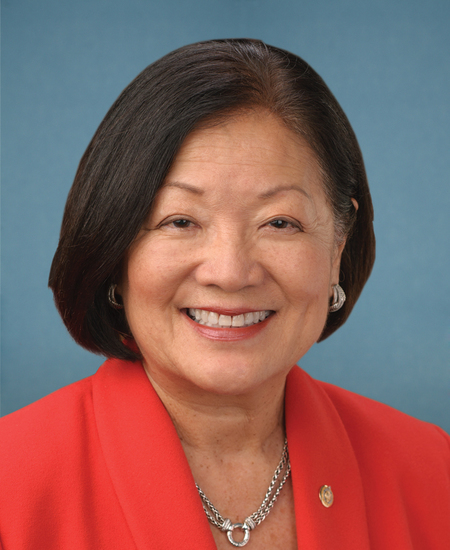
Mazie K. Hirono
Mazie K. Hirono Senate
D
Support
76% 223
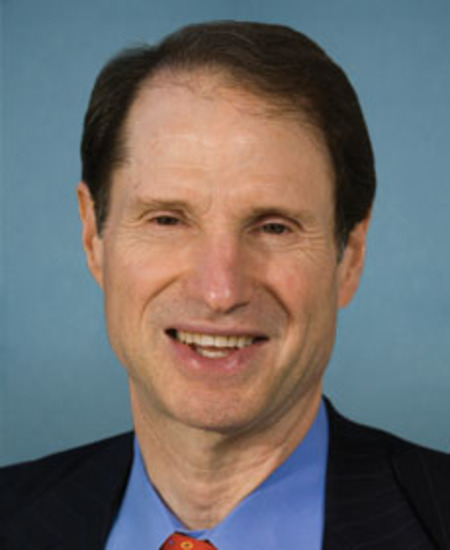
Ron Wyden
Ron Wyden Senate
D
Support
76% 223
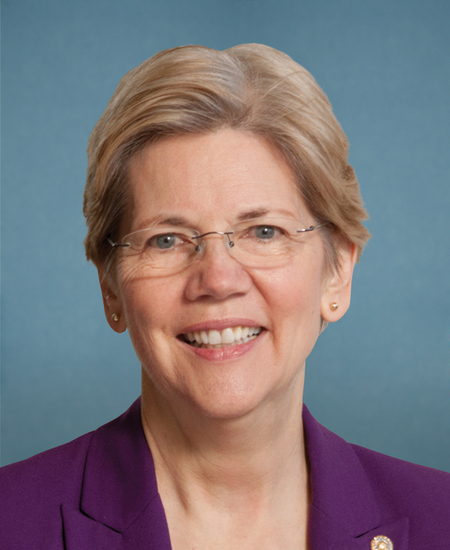
Elizabeth Warren
Elizabeth Warren Senate
D
Support
76% 223
Bill Hagerty
Bill Hagerty Senate
R
Strong −
13% 218
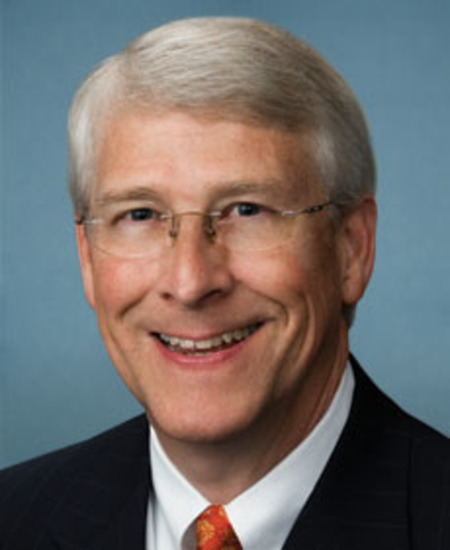
Roger F. Wicker
Roger F. Wicker Senate
R
Strong −
13% 220
James C. Justice
James C. Justice Senate
R
Strong −
19% 216
James E. Risch
James E. Risch Senate
R
Strong −
19% 221
Mitch McConnell
Mitch McConnell Senate
R
Strong −
19% 197
Showing 81–90 of 3,079 bills

All healthcare bills

in committee · United States · Senate Aug 5, 2026

S 5267: Accountable Produce is Medicine Act of 2026

The Accountable Produce is Medicine Act of 2026 directs the Center for Medicare and Medicaid Innovation to launch a five-year pilot program that tests a bundled payment model for chronic disease management. This initiative targets patients with conditions such as diabetes, obesity, or cardiovascular disease who reside in rural, medically underserved, or health professional shortage areas. Participating programs must provide a comprehensive package of services, including personalized nutrition counseling, remote patient monitoring, telehealth, and access to nutrient-dense foods, while prioritizing locally grown produce and regenerative agriculture. The model requires regular tracking of patient health metrics like weight and blood pressure, with the option for programs to assume financial risk for performance starting in the third year. All services under this pilot are provided without deductibles or copayments, aiming to evaluate whether these integrated food and medical interventions can improve health outcomes and reduce overall healthcare costs.
in committee · United States · Senate Aug 6, 2026

S 5296: Pathways to Health Careers Act

The Pathways to Health Careers Act establishes a federal grant program effective October 1, 2026, to train low-income individuals for careers in health professions such as nursing, emergency medical services, and allied health fields. The legislation allocates $435 million annually from fiscal years 2027 through 2031 to fund these initiatives, with specific requirements ensuring that at least two grants are awarded in each state and the District of Columbia, along with dedicated funding for tribal entities and U.S. territories. Key provisions mandate that grant recipients provide comprehensive support services, including adult basic education, childcare, transportation assistance, and cash stipends, while also requiring rigorous evaluations of demonstration projects focused on individuals with criminal records and maternal health career pathways.
in committee · United States · Senate Aug 6, 2026

S 5331: Protect American Values Act of 2026

The Protect American Values Act of 2026 prohibits the use of federal funds to implement or enforce a specific Department of Homeland Security rule regarding the "Public Charge" ground of inadmissibility. This legislation directly affects immigrants and their families by preventing the government from using financial resources to carry out policies that could restrict access to essential services like food, medical care, and housing. The bill includes a statement of congressional intent arguing that the targeted rule would harm community health, increase poverty, and circumvent established immigration laws. By blocking funding for this specific regulatory action, the act aims to maintain current eligibility standards for public assistance without altering the underlying statutory framework.
in committee · United States · Senate Aug 6, 2026

S 5326: Health Care Fraud Prevention and Enforcement Act

The Health Care Fraud Prevention and Enforcement Act mandates increased funding for federal agencies, including the Department of Justice, the Department of Health and Human Services, and the Federal Bureau of Investigation, to combat health care fraud and abuse starting in fiscal year 2027. The bill expands the investigative authority of the HHS Office of Inspector General to cover programs established under the Affordable Care Act and includes the State Children's Health Insurance Program in Medicare-Medicaid data matching efforts. Additionally, it requires the Government Accountability Office to conduct a study on the program's performance and effectiveness, with results due to Congress within 16 months of enactment.
in committee · United States · Senate Aug 5, 2026

S 5258: PREFERRED Screening Act

The PREFERRED Screening Act directs the Secretary of Health and Human Services to implement a seven-year payment model that reimburses healthcare providers for conducting comprehensive breast cancer risk assessments and creating personalized screening plans for Medicare beneficiaries aged 40 to 75. These assessments combine genetic testing, family history, and lifestyle factors to categorize patients by risk level, which then guides specific recommendations for screening frequency, imaging types, and preventive medications. The model prioritizes participation from providers in rural areas, medically underserved communities, and states with high breast cancer mortality rates, while allowing services to be delivered through both in-person visits and remote methods such as mailed genetic testing kits. Throughout the program, the government will evaluate whether this approach changes patient behavior, affects healthcare costs, and improves early detection of breast cancer before deciding if the model should be expanded or made permanent.
Sub-Topics Medicare
in committee · United States · Senate Aug 6, 2026

S 5287: Colorectal Cancer Early Detection Act

The Colorectal Cancer Early Detection Act authorizes the Centers for Disease Control and Prevention to provide competitive five-year grants to states, the District of Columbia, and U.S. territories to improve awareness and early detection of colorectal cancer in individuals under age 45. These funds are intended to support outreach and education campaigns that target young people with specific risk factors, such as a family history of the disease or inflammatory bowel conditions, as well as underserved populations including rural residents and certain racial and ethnic groups. Grant recipients must partner with healthcare providers and community organizations to facilitate diagnostic testing, offer patient navigation services, and train medical professionals on recognizing symptoms in younger patients. States receiving these grants are required to submit reports detailing their use of funds and the effectiveness of their implemented programs after five years.
in committee · United States · Senate Aug 7, 2026

S 5361: MMU Rural Expansion Act of 2026

The Mobile Medical Unit Rural Expansion Act of 2026 directs the Department of Veterans Affairs to designate a specific office to oversee its mobile medical unit program and conduct a nationwide inventory of these vehicles. The bill requires the Secretary of Veterans Affairs to assess the feasibility of mandating annual deployments of these units to rural or underserved areas to improve healthcare access for veterans. Additionally, it mandates a comprehensive report to Congress identifying gaps in current capabilities, staffing, and funding barriers, as well as strategies for better engaging local veterans service organizations to optimize deployment locations.
in committee · United States · Senate Aug 5, 2026

S 5260: Stroke Act

The Stroke Act directs the Department of Health and Human Services to conduct research on stroke care delivery and award grants to improve national stroke data collection and quality. The legislation authorizes funding for a national stroke registry that gathers standardized information from various types of hospitals to support quality improvement and benchmarking. Additionally, it provides grants for training emergency medical personnel, expanding telestroke services in underserved areas, and coordinating post-stroke rehabilitation. Finally, the bill funds a national public education campaign aimed at promoting stroke prevention and encouraging individuals to seek immediate treatment for symptoms.
in committee · United States · Senate Aug 5, 2026

S 5269: Pay PCPs Act of 2026

The Pay PCPs Act of 2026 authorizes the Secretary of Health and Human Services to implement a hybrid payment model for Medicare primary care providers, combining predictable monthly payments with traditional fee-for-service reimbursements. This new structure aims to fund activities that are currently difficult to bill individually, such as patient communications and team-based care coordination, while allowing providers to opt into the program voluntarily. Additionally, the bill reduces beneficiary out-of-pocket costs by 50% for covered primary care services when patients designate a specific provider as their usual source of care. To support these changes, the legislation appropriates $10 billion over five years and establishes a temporary technical advisory committee to review and improve how Medicare values physician services.
Sub-Topics Medicare Primary Care
in committee · United States · Senate Aug 6, 2026

S 5283: Momnibus Act

The Momnibus Act is a comprehensive legislative package designed to address maternal health disparities by expanding access to care, improving data collection, and funding community-based interventions for pregnant and postpartum individuals. Key provisions include extending WIC nutrition benefits for new mothers from six months to two years, establishing a federal task force to coordinate efforts across government agencies, and creating grant programs to support social determinants of health such as housing, transportation, and mental health services. The bill also mandates respectful maternity care training for hospital staff, requires states to restrict the shackling of pregnant individuals in prison to maintain federal funding eligibility, and authorizes significant research funding through the National Institutes of Health to study maternal mortality causes and climate change impacts on pregnancy outcomes.
Showing 81 to 90 of 3,079 bills
Previous 1 8 9 10 308 Next