Issue · Environment

Environment (Coastal & Flood Protection)

Every environment bill, vote, and legislator stance in United States, automatically classified by Maddy, our AI policy reader.

Total bills
148
119th Congress
Top supporter
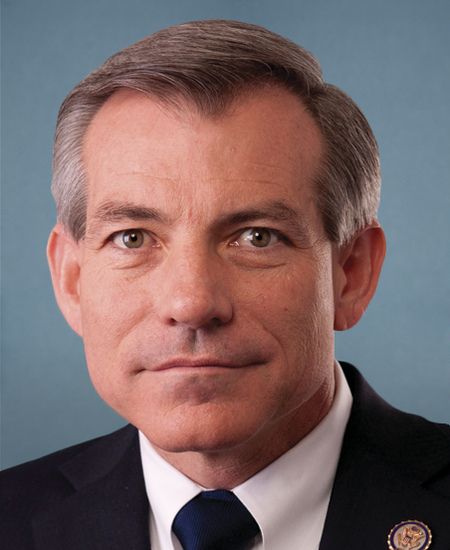
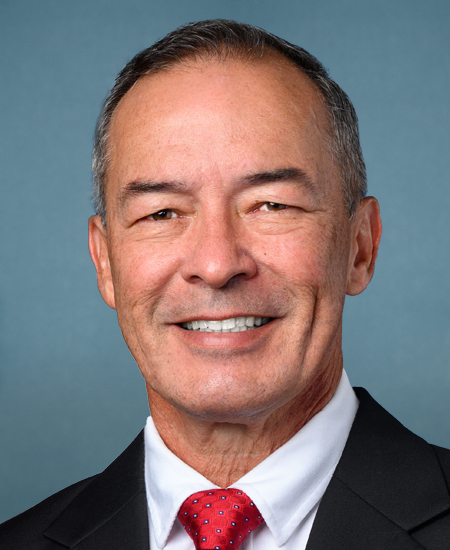
David Schweikert
78% support rate
Top opponent
Eleanor Holmes Norton
0% support rate
Ranked legislators
10
5 support · 5 oppose
Key legislators

Who's moving coastal & flood protection in United States

Legislators moving coastal & flood protection in United States
Legislator Party Stance Support rate Votes
David Schweikert
David Schweikert House · District 1
R
Support
78% 18
Lauren Boebert
Lauren Boebert House · District 4
R
Support
78% 18
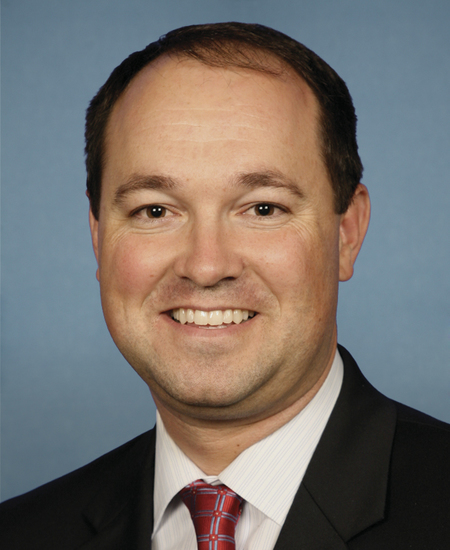
Marlin A. Stutzman
Marlin A. Stutzman House · District 3
R
Support
76% 17
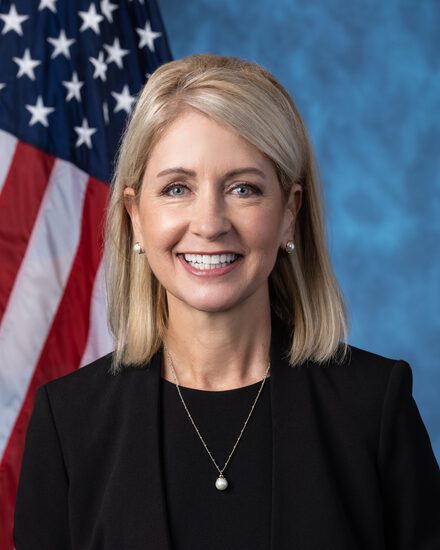
Mary E. Miller
Mary E. Miller House · District 15
R
Support
76% 17
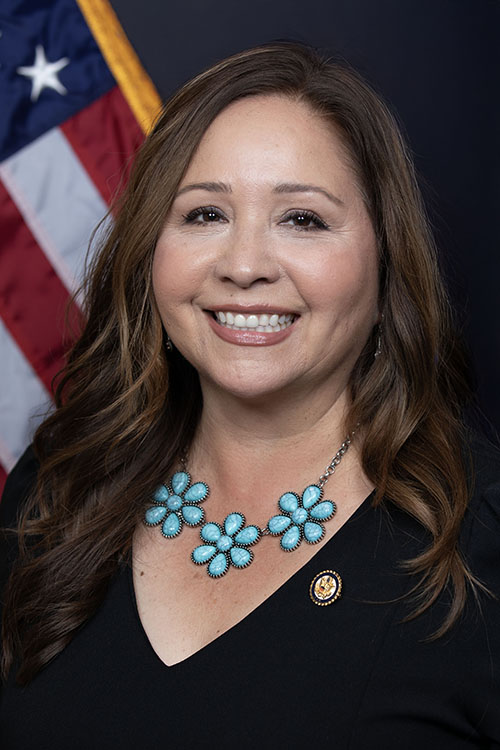
Adelita S. Grijalva
Adelita S. Grijalva House · District 7
D
Support
75% 4
Eleanor Holmes Norton
Eleanor Holmes Norton House · District At-Large
D
Strong −
0% 11
Pablo José Hernández
Pablo José Hernández House · District At-Large
D
Strong −
0% 10
James C. Moylan
James C. Moylan House · District At-Large
R
Strong −
0% 8
Stacey E. Plaskett
Stacey E. Plaskett House · District At-Large
D
Strong −
0% 8
Susan M. Collins
Susan M. Collins Senate
R
Strong −
0% 4
Showing 1–10 of 148 bills

All environment bills

in committee · United States · House Sep 3, 2026

HR 9497: Water Resources Development Act of 2026

This bill, titled the Water Resources Development Act of 2026, authorizes the U.S. Army Corps of Engineers to improve rivers, harbors, and water resources across the United States while establishing new administrative offices to better manage inland navigation, water supply, and community outreach. It introduces specific mechanisms such as creating a new board for levee owners to advise on flood safety, allowing for categorical permissions to streamline certain environmental reviews, and mandating a prohibition on diverting water from the Missouri River without approval from all relevant state governors. The legislation also authorizes numerous specific projects for flood risk management, ecosystem restoration, and water supply in locations ranging from Alaska to Texas, while simultaneously deauthorizing or modifying older projects that are no longer needed or require changes to better align with current environmental and safety standards.
in committee · United States · House Sep 10, 2026

HRES 1524: Expressing support for the designation of the week of September 19 through September 26, 2026, as "National Estuaries Week".

This House resolution expresses support for designating the week of September 19 through September 26, 2026, as National Estuaries Week to raise public awareness about the importance of these coastal ecosystems. The bill highlights that estuaries support a significant portion of the U.S. population and economy while providing critical services such as flood control, water filtration, and habitat for fish and wildlife. It acknowledges ongoing threats to estuary health, including pollution and sea level changes, and recognizes the efforts of government agencies, organizations, and individuals working to protect and restore these areas.
in committee · United States · House Sep 8, 2026

HR 10318: PACMESA

The Pacific Minerals Economic Security Act amends the Outer Continental Shelf Lands Act to regulate mineral leasing activities in waters adjacent to Guam, American Samoa, and the Northern Mariana Islands. The bill prohibits the government from reducing or waiving royalty payments for these leases and requires lessees to provide initial and supplemental financial bonds to cover potential environmental cleanup and decommissioning costs. Starting in fiscal year 2027, fifty percent of all leasing revenues will be distributed to the affected territories based on their proximity to the leased areas, with funds restricted for use in coastal restoration, infrastructure development, environmental mitigation, or debt reduction. Additionally, the Secretary of the Interior must conduct a study on environmental impact mitigation methods and provide immediate notice to territorial governors when new mining plans are submitted.
in committee · United States · Senate Aug 6, 2026

S 5292: GREEN Hospitals Act

The GREEN Hospitals Act authorizes $100 billion in Hill-Burton grants for the construction or modernization of medical facilities, with priority given to projects that incorporate climate resilience features such as renewable energy systems, air quality improvements, and flood protection. The bill also establishes a separate $5 billion Planning and Evaluation Grant Program to help states, tribal governments, and nonprofits develop sustainability plans for hospitals and clinics. To receive funding, applicants must demonstrate that their facilities serve vulnerable populations or environmental justice communities and certify that they respect employee labor rights by maintaining collective bargaining agreements or non-interference policies. Additionally, the legislation requires that at least 50 percent of planning grant funds be allocated to projects located in environmental justice communities and prohibits the use of training repayment agreements for employees and apprentices.
in committee · United States · Senate Jul 23, 2026

S 5115: Farmers Lifeline Options for Overcoming Disasters (FLOOD) Act

The FLOOD Act amends the Food Security Act to incorporate specific emergency watershed protection measures from the Agricultural Credit Act of 1978. This change directly affects farmers and agricultural operations by integrating existing disaster response protocols into the broader food security framework. The bill does not create new programs but rather expands the scope of current emergency measures to include watershed protection. By linking these two statutes, the legislation ensures that watershed safeguards are formally recognized as part of the emergency response options available to the agricultural sector.
Sub-Topics Coastal & Flood Protection Natural Disasters Water Quality Tags Agriculture Emergency Management
in committee · United States · Senate Jul 28, 2026

S 5151: MRRRI Act

The Mississippi River Restoration and Resilience Initiative Act establishes a new nonregulatory program within the Environmental Protection Agency to protect and restore the ecological health of the Mississippi River and its floodplain. This initiative directly affects federal agencies, state and local governments, Tribal organizations, and non-Federal entities by creating a dedicated National Program Office to coordinate funding and projects across ten specific states. Key provisions include setting measurable goals for improving water quality, enhancing community resilience against floods, restoring fish and wildlife habitats, and preventing the spread of invasive species. The bill authorizes grants for specific restoration actions such as removing dams, protecting wetlands, and managing stormwater, while requiring a science plan and research centers to guide these efforts. Additionally, the act mandates that at least 5 percent of funds be transferred to the Bureau of Indian Affairs to support projects led by Tribal governments.
in committee · United States · Senate Jul 14, 2026

S 4970: Wildfire Prevention and Recovery Act

The Wildfire Prevention and Recovery Act authorizes the Secretary of the Army to conduct periodic wildfire risk assessments for federally authorized dams and reservoirs in Arizona. These evaluations aim to identify threats to infrastructure functions like flood control and water supply, as well as potential dangers to nearby communities if a structure fails. The bill requires the Army to consider factors such as sediment buildup, debris flows, and existing data when planning mitigation strategies to improve preparedness and response capabilities.
in committee · United States · House Jul 21, 2026

HR 9804: SAFE Rural Act

The SAFE Rural Act creates a new funding program to help rural communities, Tribal lands, and territories prepare for floods before disasters occur. It establishes a dedicated fund that receives 2% of annual disaster relief money to provide formula-based grants to States and Tribal governments for projects like restoring wetlands, upgrading drainage, and building resilient infrastructure. To ensure these funds reach smaller towns, the bill requires States to pass the money down as subgrants to local governments with populations of 50,000 or fewer, while also offering a simplified application process for small projects under $500,000. The legislation further mandates that recipients submit streamlined plans for maintaining their projects long-term and sets aside specific grants to build local capacity for managing hazard mitigation programs.
Sub-Topics Coastal & Flood Protection Natural Disasters Tags Rural Communities
in committee · United States · House Jul 13, 2026

HR 9647: To prohibit the National Science Foundation from obligating or expending Federal funds to descope or decommission the Ocean Observatories Initiative instruments, and for other purposes.

This bill prevents the National Science Foundation from stopping or dismantling the Ocean Observatories Initiative instruments located off the coasts of Oregon, Washington, Alaska, North Carolina, and in the Irminger Sea. It requires the agency to conduct a thorough review of the program with input from scientists and coastal communities before any such actions can occur. Until that review is finished, the bill mandates that the initiative continue operating normally in all areas where instruments were previously removed. The legislation directly affects the federal funding and operational status of this specific scientific research network.
in committee · United States · House Jul 23, 2026

HR 9927: Farmers Lifeline to Overcoming Disasters (FLOOD) Act

The FLOOD Act amends the Food Security Act of 1985 to incorporate emergency watershed protection measures from the Agricultural Credit Act of 1978. This change directly affects farmers and landowners by expanding the legal framework available for addressing urgent water-related issues on agricultural land. By adding this specific reference to existing law, the bill ensures that current emergency protocols for watershed protection are formally recognized within the broader food security legislation. The provision does not create new funding or alter eligibility criteria but rather integrates an existing set of measures into the statutory text.
Showing 1 to 10 of 148 bills
1 2 3 15 Next