Issue · Environment

Environment (Air Quality)

Every environment bill, vote, and legislator stance in United States, automatically classified by Maddy, our AI policy reader.

Total bills
128
119th Congress
Top supporter
Adam B. Schiff
85% support rate
Top opponent
Thomas H. Kean, Jr.
0% support rate
Ranked legislators
10
5 support · 5 oppose
Key legislators

Who's moving air quality in United States

Legislators moving air quality in United States
Legislator Party Stance Support rate Votes
Adam B. Schiff
Adam B. Schiff Senate
D
Strong +
85% 13
Alex Padilla
Alex Padilla Senate
D
Strong +
85% 13
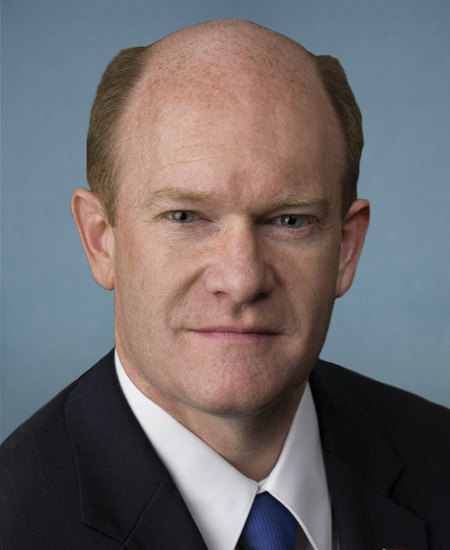
Christopher A. Coons
Christopher A. Coons Senate
D
Strong +
85% 13
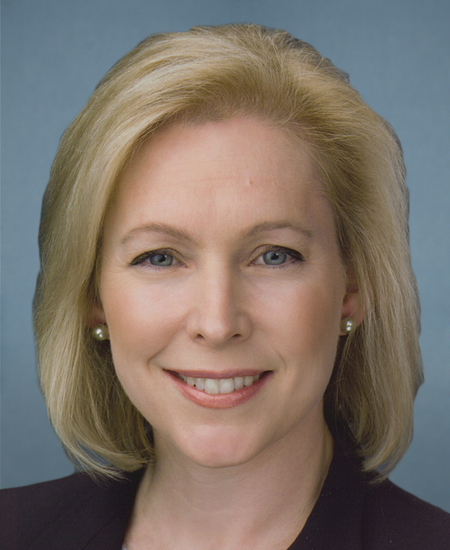
Kirsten E. Gillibrand
Kirsten E. Gillibrand Senate
D
Strong +
85% 13
Angela D. Alsobrooks
Angela D. Alsobrooks Senate
D
Strong +
83% 12
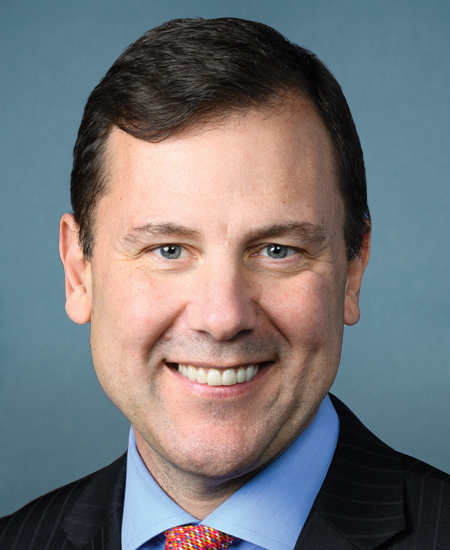
Thomas H. Kean, Jr.
Thomas H. Kean, Jr. House · District 7
R
Strong −
0% 6
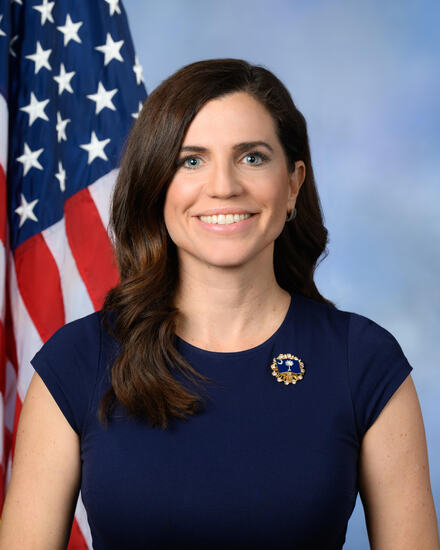
Nancy Mace
Nancy Mace House · District 1
R
Strong −
12% 8
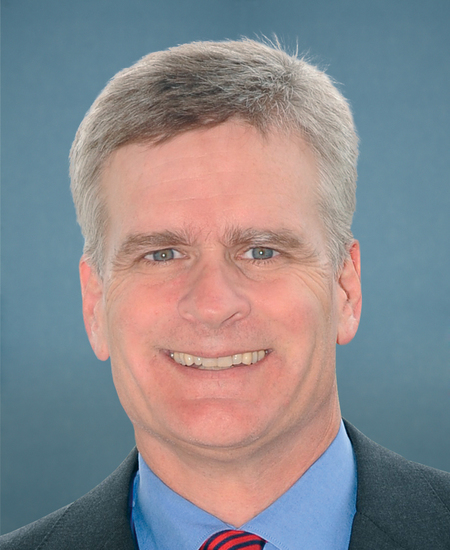
Bill Cassidy
Bill Cassidy Senate
R
Strong −
15% 13
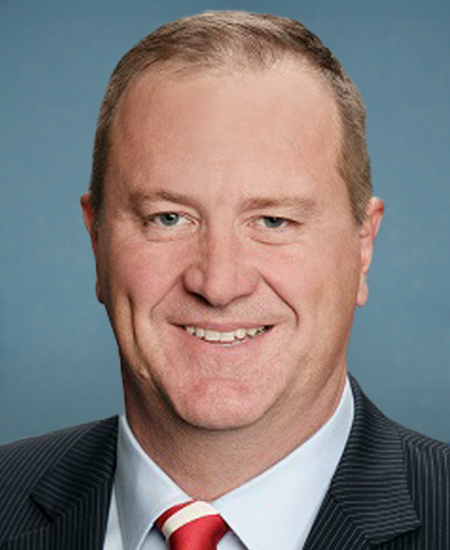
Eric Schmitt
Eric Schmitt Senate
R
Strong −
15% 13
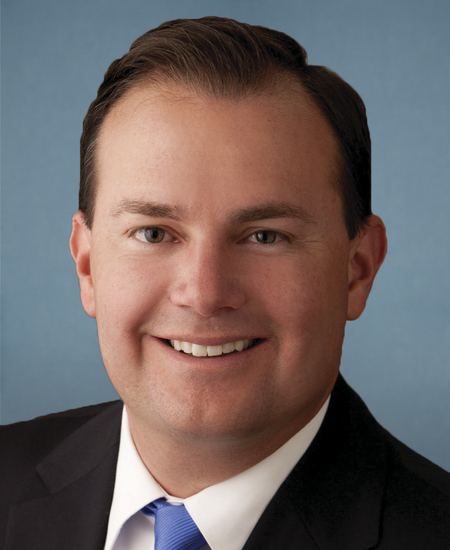
Mike Lee
Mike Lee Senate
R
Strong −
15% 13
Showing 1–10 of 128 bills

All environment bills

in committee · United States · House Sep 8, 2026

HR 10321: Responsible Data Center Siting Act of 2026

The Responsible Data Center Siting Act of 2026 directs the Secretary of Energy to create and publish best practices for selecting locations for new data centers. These guidelines must evaluate how proposed sites affect electricity prices, water availability, air quality, local communities, national security, and regional economies. The Department of Energy is required to release these initial recommendations within one year of the bill's passage and update them at least every two years thereafter.
Sub-Topics Air Quality
in committee · United States · House Aug 27, 2026

HR 10154: Protect America from CARB Act of 2026

The Protect America from CARB Act of 2026 amends the Clean Air Act to require that state emissions standards receive approval from four federal cabinet secretaries before they can be implemented. Specifically, states must obtain concurrence from the Secretaries of Agriculture, Energy, Interior, and Transportation in addition to completing standard public notice and hearing procedures. This change directly affects state environmental agencies seeking waivers or authorizations for air quality rules, adding a layer of federal oversight to the process. The new requirements apply to any waiver requests submitted on or after the date the bill is enacted into law.
Sub-Topics Air Quality
in committee · United States · House Jul 27, 2026

HR 9959: Green New Deal for Public Schools Act

The Green New Deal for Public Schools Act directs over $700 billion in federal funding to public schools, prioritizing those serving the most vulnerable communities based on CDC social vulnerability rankings. The legislation establishes a new Office of Sustainable Schools and authorizes grants for "healthy green retrofits" that convert school buildings into zero-carbon facilities with clean air, water, and energy systems, while also providing funds to hire additional educators, mental health professionals, and support staff. Additionally, the bill mandates increased federal funding for special education under the Individuals with Disabilities Education Act and creates a climate resiliency program that allows schools to function as community centers during natural disasters. All grant recipients must adhere to strict labor standards, including prevailing wage requirements, Buy American provisions, and local hiring goals that prioritize residents of the surrounding community.
in committee · United States · Senate Aug 6, 2026

S 5292: GREEN Hospitals Act

The GREEN Hospitals Act authorizes $100 billion in Hill-Burton grants for the construction or modernization of medical facilities, with priority given to projects that incorporate climate resilience features such as renewable energy systems, air quality improvements, and flood protection. The bill also establishes a separate $5 billion Planning and Evaluation Grant Program to help states, tribal governments, and nonprofits develop sustainability plans for hospitals and clinics. To receive funding, applicants must demonstrate that their facilities serve vulnerable populations or environmental justice communities and certify that they respect employee labor rights by maintaining collective bargaining agreements or non-interference policies. Additionally, the legislation requires that at least 50 percent of planning grant funds be allocated to projects located in environmental justice communities and prohibits the use of training repayment agreements for employees and apprentices.
in committee · United States · House Aug 6, 2026

HR 10065: Methane Pollution Accountability Act

The Methane Pollution Accountability Act requires that royalties be paid on all natural gas extracted from federal lands and the outer Continental Shelf, including gas that is vented, flared, or lost through equipment failures during operations. This mandate applies to leases issued after the bill's enactment but includes exceptions for short-term emergency releases, gas used directly within the lease area, and unavoidable losses. Additionally, the legislation directs the Bureau of Land Management to enforce existing waste prevention rules and prohibits the agency from finalizing new regulations that would alter these standards unless they can demonstrate that the changes will further reduce gas waste or improve public health and air quality.
in committee · United States · Senate Aug 7, 2026

S 5363: New Source Review Permitting Improvement Act

The New Source Review Permitting Improvement Act amends the Clean Air Act to clarify when industrial facilities must obtain permits for changes that could increase air pollution. It defines a "modification" as a change that raises the maximum hourly emission rate of a pollutant compared to the highest level achievable in the preceding ten years, while explicitly excluding projects designed to improve safety, reliability, or reduce emissions per unit of production unless they pose an adverse health or environmental risk. Additionally, the bill narrows the scope of "construction" to physical work on specific emissions-generating parts of a facility, ensuring that other costly or permanent on-site activities do not automatically trigger permitting requirements if they do not result in a significant increase in actual annual emissions.
Sub-Topics Air Quality
in committee · United States · Senate Aug 5, 2026

SJRES 208: A joint resolution providing for congressional disapproval under chapter 8 of title 5, United States Code, of the rule submitted by the Environmental Protection Agency relating to "California State Motor Vehicle Pollution Control Standards; Advanced Clean Car Program; Reconsideration of a Previous Withdrawal of a Waiver of Preemption; Notice of Decision".

This bill allows Congress to reject a specific rule issued by the Environmental Protection Agency that concerns vehicle pollution standards in California. The measure would effectively cancel the EPA's decision to reinstate a waiver that previously let California set its own stricter air quality rules for cars. If passed, the rule would have no legal force, meaning California would lose the ability to enforce its Advanced Clean Car Program under the current framework. The legislation directly impacts the relationship between federal environmental regulations and state-level automotive policies.
in committee · United States · Senate Jul 28, 2026

S 5145: Wildfire Air Quality Sensor Expansion Act of 2026

The Wildfire Air Quality Sensor Expansion Act of 2026 directs the Environmental Protection Agency to provide grants and loans to help local air pollution control agencies purchase and operate portable air sensors in rural and remote areas. These low-cost devices are intended to measure smoke pollutants like PM2.5 and ozone in locations where traditional monitoring equipment is scarce, thereby improving the accuracy of air quality data for communities affected by wildfires. To ensure success, the bill also authorizes funding for technical assistance to help agencies install and maintain these sensors, while requiring that the data collected be shared with the EPA to update public air quality maps. The legislation authorizes $10 million annually through 2032 for grants and provides additional unspecified funding for loan programs and technical support, with a specific focus on expanding coverage to Indian tribes and areas lacking existing monitoring infrastructure.
Sub-Topics Air Quality Forestry
in committee · United States · Senate Aug 5, 2026

SJRES 207: A joint resolution providing for congressional disapproval under chapter 8 of title 5, United States Code, of the rule submitted by the Environmental Protection Agency relating to "California State Motor Vehicle Pollution Control Standards; Notice of Decision Granting a Waiver of Clean Air Act Preemption for California's Advanced Clean Car Program and a Within the Scope Conformation for California's Zero Emission Vehicle Amendments for 2017 and Earlier Model Years".

This joint resolution seeks to overturn a specific rule issued by the Environmental Protection Agency that allowed California to set its own stricter vehicle emission standards. By using a congressional disapproval mechanism, the bill aims to nullify this waiver, which would otherwise let California enforce unique pollution control requirements for cars and trucks. If passed, the measure would require all states to follow the federal government's uniform vehicle emission rules instead of California's separate standards. The legislation directly impacts automakers, state regulators, and consumers by ensuring a single set of national rules applies to motor vehicle pollution.
in committee · United States · House Aug 6, 2026

HJRES 211: Providing congressional disapproval under chapter 8 of title 5, United States Code, of the rule submitted by the Environmental Protection Agency relating to "California State Motor Vehicle Pollution Control Standards; Notice of Decision Granting a Waiver of Clean Air Act Preemption for California's 2009 and Subsequent Model Year Greenhouse Gas Emission Standards for New Motor Vehicles".

This joint resolution seeks to overturn a 2009 Environmental Protection Agency rule that allowed California to set its own stricter greenhouse gas emission standards for new motor vehicles. By using a congressional disapproval process, the bill aims to cancel this waiver, which would force California to adopt the same vehicle pollution rules as the rest of the United States. If passed, the measure would directly affect vehicle manufacturers and the state of California by eliminating their ability to enforce unique environmental regulations for cars and trucks. The legislation does not propose new emission limits but instead restores the federal Clean Air Act's preemption over state-level vehicle standards.
Showing 1 to 10 of 128 bills
1 2 3 13 Next