Issue · Education

Education

Every education bill, vote, and legislator stance in United States, automatically classified by Maddy, our AI policy reader.

Total bills
1,215
119th Congress
Top supporter
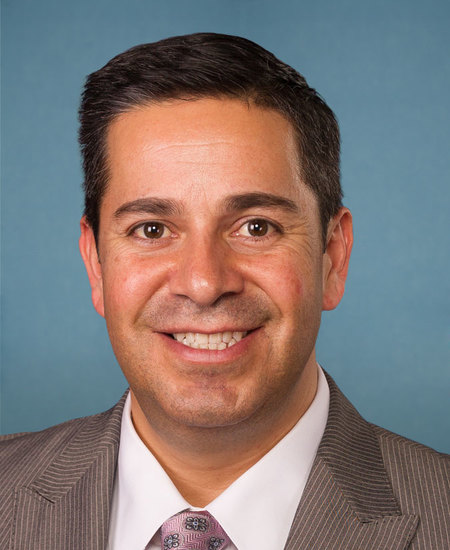
Ben Ray Luján
90% support rate
Top opponent
Thomas Massie
12% support rate
Ranked legislators
10
5 support · 5 oppose
Key legislators

Who's moving education in United States

Legislators moving education in United States
Legislator Party Stance Support rate Decisive votes
Ben Ray Luján
Ben Ray Luján Senate
D
Strong +
90% 10
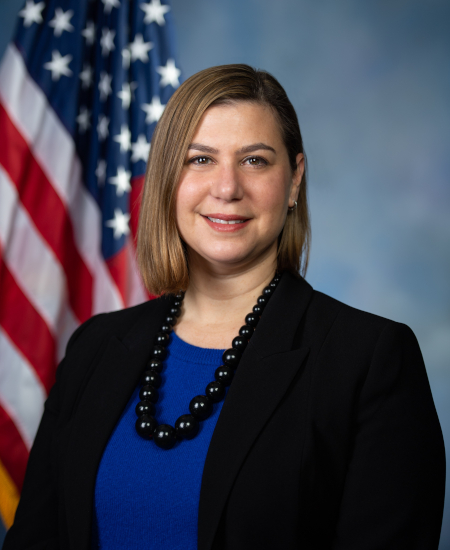
Elissa Slotkin
Elissa Slotkin Senate
D
Strong +
90% 10
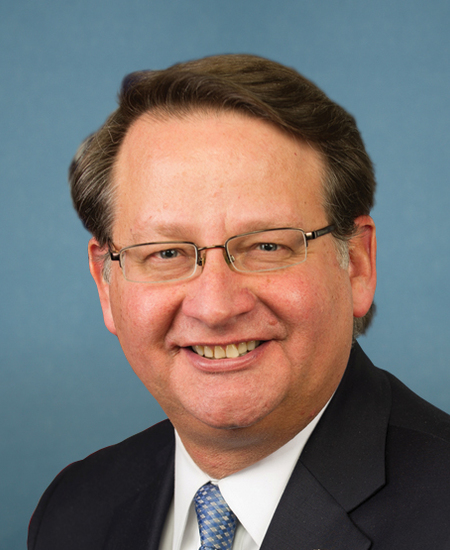
Gary C. Peters
Gary C. Peters Senate
D
Strong +
90% 10
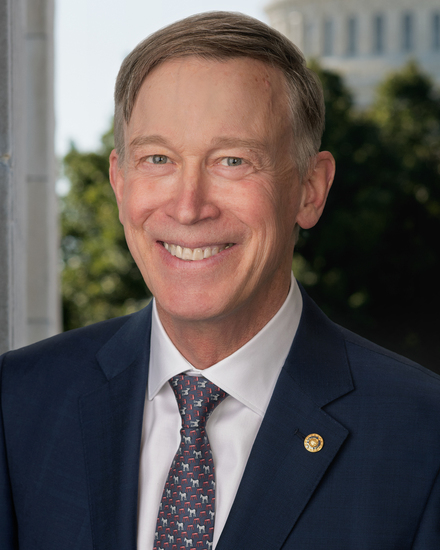
John W. Hickenlooper
John W. Hickenlooper Senate
D
Strong +
90% 10
Maria Cantwell
Maria Cantwell Senate
D
Strong +
90% 10
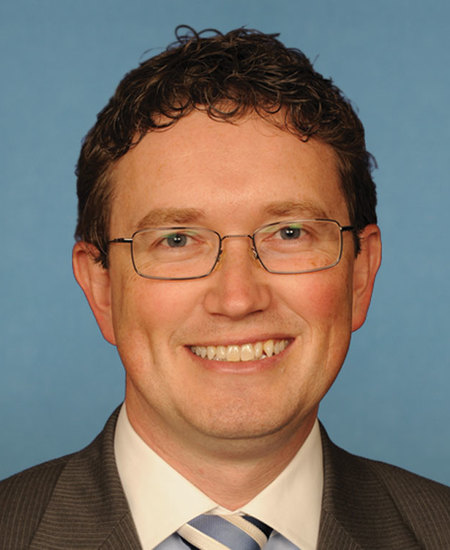
Thomas Massie
Thomas Massie House · District 4
R
Strong −
12% 8
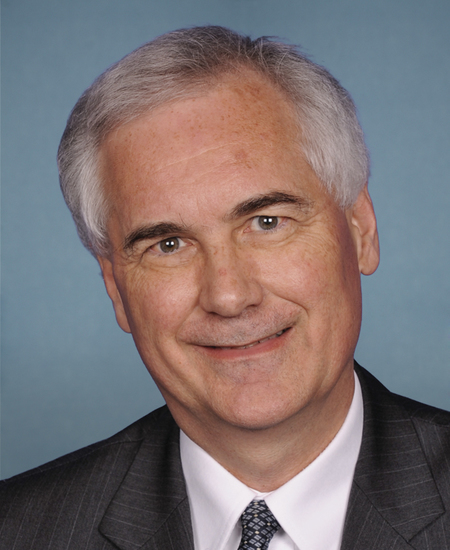
Tom McClintock
Tom McClintock House · District 5
R
Strong −
12% 8
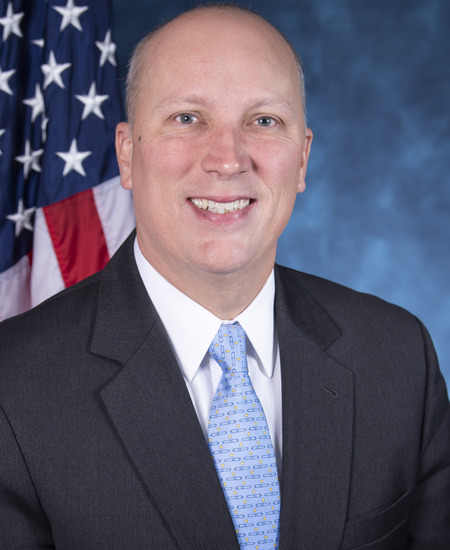
Chip Roy
Chip Roy House · District 21
R
Strong −
14% 7
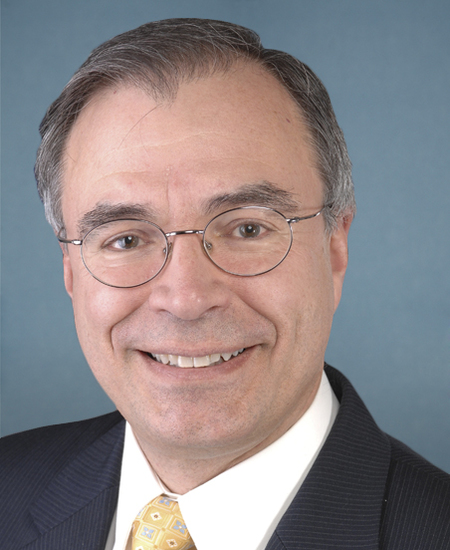
Andy Harris
Andy Harris House · District 1
R
Strong −
20% 10
Keith Self
Keith Self House · District 3
R
Strong −
20% 10
Showing 671–680 of 1,215 bills

All education bills

in committee · United States · House Mar 31, 2025

HR 2521: American Family FAFSA Opportunity Act of 2025

This bill removes a financial penalty for families with multiple children in college by amending the FAFSA formula. It changes how the expected family contribution is calculated so that the amount cannot drop below zero when dividing by the number of college-enrolled children (excluding parents). This directly affects families with two or more children enrolled full-time in higher education who qualify for federal financial aid. The change applies starting with the 2025-2026 academic year, ensuring these families receive full aid eligibility without reduced benefits due to multiple students.
in committee · United States · House Jan 15, 2025

HR 455: Protecting Higher Education from Foreign Threats Act

This bill prohibits U.S. colleges and universities receiving federal student aid from employing instructors who received funding from the Chinese Communist Party (CCP) while working at the institution. Institutions that employ such instructors lose eligibility for federal funds during the affected academic year. They may regain eligibility the following year by proving they no longer employ CCP-funded instructors. The policy directly affects all higher education institutions participating in federal financial aid programs.
in committee · United States · Senate Mar 6, 2025

S 906: Peer to Peer Mental Health Support Act

S 906 establishes a federal pilot program to fund peer-led mental health support in secondary schools (grades 6-12). States and tribes can apply for competitive grants to implement evidence-based programs where trained student peers help classmates navigate mental health challenges, with oversight by school counselors. The program requires measuring participation rates, mental health outcomes, and connections to professional care, and mandates an evaluation report to Congress. The pilot will run until September 30, 2029, with funds limited to existing mental health programs.
in committee · United States · House Jun 4, 2025

HR 3711: POST GRAD Act

This bill reinstates the federal government's authority to provide Direct Stafford Loans to graduate and professional students, preventing them from losing access to these loans after 2012. It temporarily extends this loan program through June 30, 2025, by modifying the Higher Education Act to remove a prior termination clause. The key provision allows graduate students to continue borrowing for education costs during this temporary period. This directly affects graduate and professional students who rely on these loans to cover tuition and expenses.
in committee · United States · House May 8, 2025

HR 3267: PSLF Payment Completion Fairness Act

This bill amends the Higher Education Act to clarify eligibility for Public Service Loan Forgiveness (PSLF). It corrects a technical wording error in the law that previously required borrowers to be *currently employed* in public service at the time of application. The change specifies that borrowers only need to have *completed* 10 years (120 payments) of qualifying public service employment to qualify. This directly affects federal student loan borrowers working in government or nonprofit roles who were previously disqualified due to the outdated wording. The amendment removes a barrier preventing eligible borrowers from receiving loan forgiveness they earned.
in committee · United States · House May 8, 2025

HR 3298: Know Before You Owe Federal Student Loan Act of 2025

This bill requires colleges to provide new pre-loan counseling to students before they accept federal student loans, explaining projected monthly payments compared to estimated income after expenses. It mandates institutions to show borrowers the estimated total debt (including private loans and future costs) and warn about high debt-to-income risks before they accept loan amounts. During periods when borrowers aren’t required to make payments (like while in school), lenders must send quarterly statements showing loan balances, interest rates, total paid, and how unpaid interest accumulates. The law directly affects federal student loan borrowers and colleges that disburse loans, focusing on transparency before borrowing and during repayment gaps.
in committee · United States · Senate Jan 28, 2026

S 3710: SOAR Permanent Authorization Act

The SOAR Permanent Authorization Act extends the District of Columbia's Scholarships for Opportunity and Results (SOAR) program permanently, replacing its temporary authorization. It allows scholarship grants to be renewed for up to five additional years without competitive bidding, expands the eligible service area to include the Washington metropolitan region (adding Maryland and Virginia counties), and updates school accreditation requirements to include U.S. Immigration and Customs Enforcement-approved bodies. The bill increases annual funding from $60 million to $75 million starting in fiscal year 2027, extends scholarships to cover pre-kindergarten, and requires more frequent program evaluations focused on student academic progress, graduation rates, and school safety comparisons. These changes directly affect D.C. students using SOAR scholarships, participating schools, and the entities administering the program.
in committee · United States · House Mar 26, 2025

HR 2374: American Students First Act

HR 2374, the American Students First Act, restricts federal funding for public universities that charge non-citizens not lawfully present in the U.S. lower tuition rates than in-state residents or provide them with state financial aid. The bill amends existing law to require public institutions of higher education to charge undocumented immigrants the same tuition rates as in-state citizens and not offer state-based aid to them. If a university violates these rules, it loses all federal financial assistance for the following fiscal year, as determined by the Secretary of Education. This directly affects public colleges in states with such tuition or aid policies for undocumented students.
in committee · United States · House Mar 5, 2025

HR 1886: Affordable College Textbook Act

HR 1886, the Affordable College Textbook Act, creates a federal grant program to help colleges develop and adopt free digital textbooks (open educational resources), directly reducing costs for students. It requires colleges to publicly disclose textbook prices and indicate if materials are open textbooks on course schedules, while mandating accessibility standards for digital resources. The bill funds faculty training, quality reviews, and research on open textbook effectiveness, with grants prioritizing projects that maximize student savings and expand adoption across institutions. It aims to lower textbook costs - averaging $1,290 annually per student - by incentivizing the creation of freely accessible, high-quality digital course materials.
in committee · United States · House Mar 3, 2025

HR 1810: Safe Schools Improvement Act

Safe Schools Improvement Act This bill requires states to direct their local educational agencies (LEAs) to establish policies that prevent and prohibit bullying and harassment of elementary and secondary school students. In particular, these policies must prohibit bullying and harassment based on race, color, national origin, disability, religion, or sex. Sex includes sexual orientation, gender identity, and sex characteristics (including intersex traits). Further, LEAs must provide (1) students, parents, and educational professionals with annual notice of the conduct prohibited in their disciplinary policies; (2) students and parents with grievance procedures that target such conduct; and (3) the public with annual data on the incidence and frequency of that conduct at the school and LEA level. The Department of Education must conduct and report on an independent biennial evaluation of programs and policies to combat bullying and harassment in elementary and secondary schools. The National Center for Education Statistics must collect state data to determine the incidence and frequency of the conduct prohibited by LEA disciplinary policies.
Showing 671 to 680 of 1,215 bills
Previous 1 … 67 68 69 … 122 Next