Issue · Education

Education

Every education bill, vote, and legislator stance in United States, automatically classified by Maddy, our AI policy reader.

Total bills
1,215
119th Congress
Top supporter
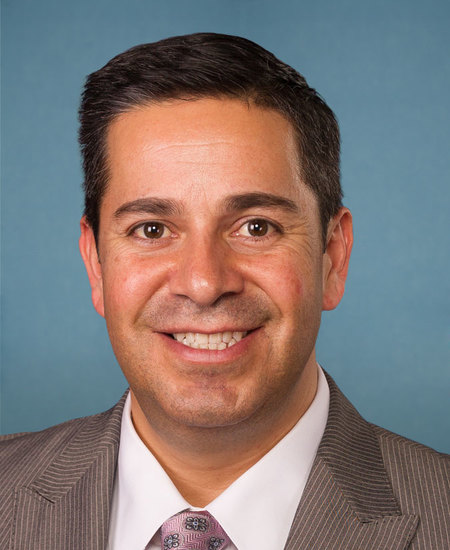
Ben Ray Luján
90% support rate
Top opponent
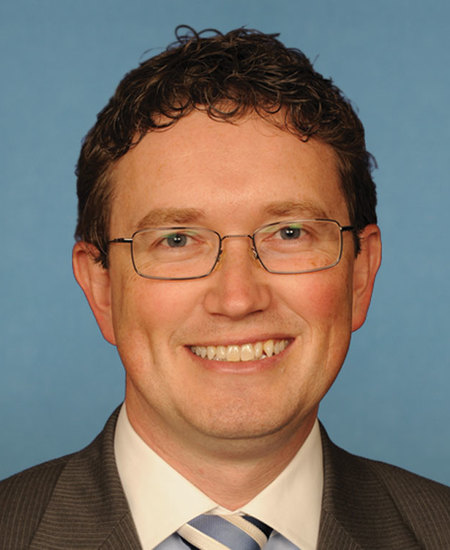
Thomas Massie
12% support rate
Ranked legislators
10
5 support · 5 oppose
Key legislators

Who's moving education in United States

Legislators moving education in United States
Legislator Party Stance Support rate Decisive votes
Ben Ray Luján
Ben Ray Luján Senate
D
Strong +
90% 10
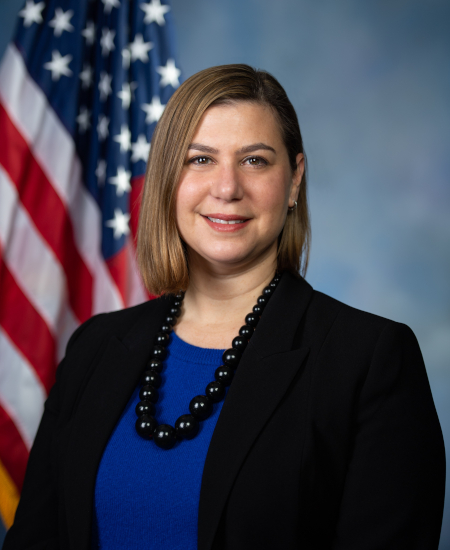
Elissa Slotkin
Elissa Slotkin Senate
D
Strong +
90% 10
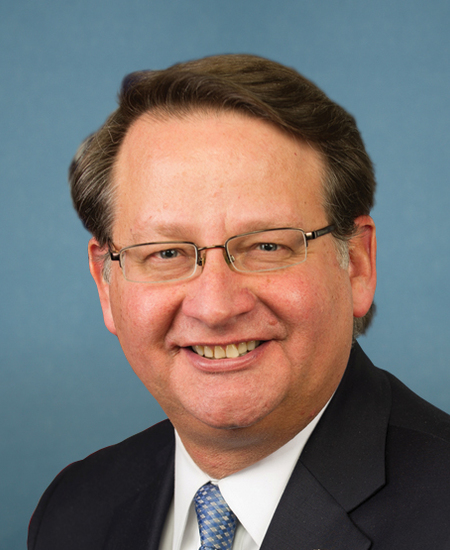
Gary C. Peters
Gary C. Peters Senate
D
Strong +
90% 10
John W. Hickenlooper
John W. Hickenlooper Senate
D
Strong +
90% 10
Maria Cantwell
Maria Cantwell Senate
D
Strong +
90% 10
Thomas Massie
Thomas Massie House · District 4
R
Strong −
12% 8
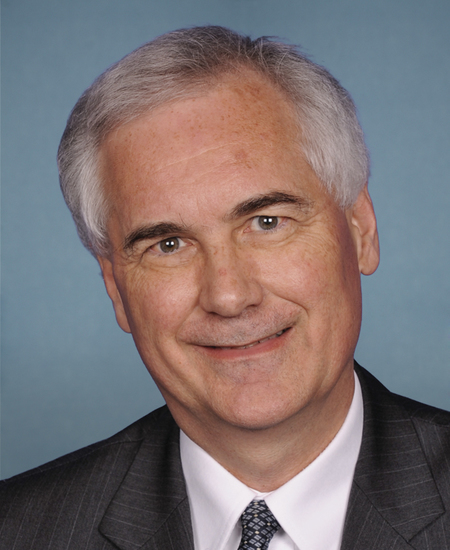
Tom McClintock
Tom McClintock House · District 5
R
Strong −
12% 8
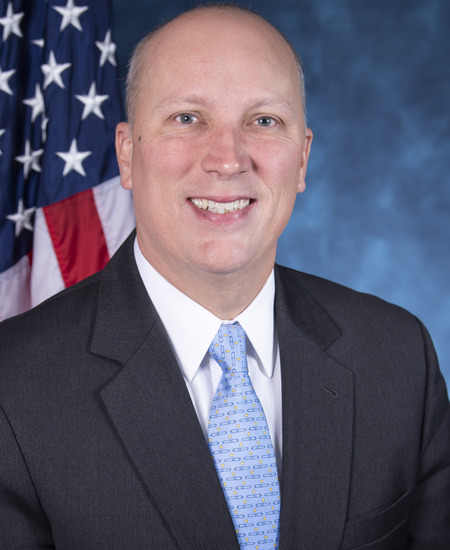
Chip Roy
Chip Roy House · District 21
R
Strong −
14% 7
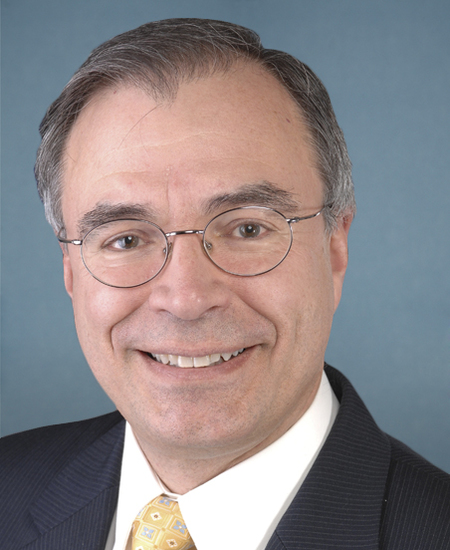
Andy Harris
Andy Harris House · District 1
R
Strong −
20% 10
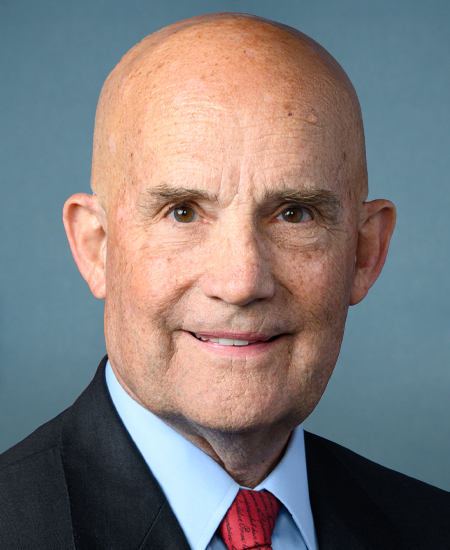
Keith Self
Keith Self House · District 3
R
Strong −
20% 10
Showing 661–670 of 1,215 bills

All education bills

in committee · United States · House Apr 7, 2025

HR 2686: University Accountability Act

HR 2686, the University Accountability Act, imposes financial penalties on tax-exempt universities found to have violated civil rights laws. Specifically, it requires a penalty of $100,000 or 5% of the institution’s administrative compensation (whichever is greater) for each federal court ruling finding a violation of Title VI of the Civil Rights Act. Universities must report all such violations on their annual tax returns, including details about the violation and prior determinations. Additionally, a university facing a third or subsequent violation must undergo a mandatory review of its tax-exempt status by the IRS. This bill directly affects tax-exempt educational institutions subject to IRS reporting requirements under Section 501(c).
Sub-Topics Higher Education
in committee · United States · House Feb 13, 2025

HR 1282: Eliminate DEI in Colleges Act

HR 1282 prohibits federal funding for colleges that operate diversity, equity, and inclusion (DEI) programs or offices. It requires institutions to certify they do not run any initiative primarily focused on classifying students by race, gender, or other protected characteristics, or providing preferential treatment based on those factors. Schools receiving federal funds (including student loans) must provide this certification, and the government can verify it or appeal funding termination through a formal process. This bill directly affects nearly all colleges and universities that accept federal financial aid, fundamentally changing eligibility for those programs.
in committee · United States · Senate Jan 27, 2026

S 3707: Nurse Faculty Shortage Reduction Act of 2026

The Nurse Faculty Shortage Reduction Act of 2026 creates a federal grant program to help nursing schools address faculty shortages by supplementing salaries. Nursing schools applying for grants must submit detailed salary data comparing clinical nurse pay to current faculty pay (adjusted for inflation), then receive funding to cover the difference for eligible faculty - those who previously worked in clinical practice or are new hires. Grants last up to three years ($15 million annually from 2027-2031) and require schools to maintain the salary supplement level throughout the grant period. Priority is given to schools in health professional shortage areas, serving vulnerable populations, or focusing on underrepresented faculty. The program requires schools to demonstrate plans for sustaining salary support after the grant ends.
in committee · United States · Senate Mar 14, 2025

S 1087: Rebuild America’s Health Care Schools Act of 2025

Rebuild America’s Health Care Schools Act of 2025 This bill allows hospitals to receive reimbursement under Medicare for certain costs associated with training nursing and allied health students in settings other than the hospital itself.  Currently, hospitals may receive reimbursement under Medicare for the reasonable costs associated with training nursing and allied health students if certain conditions are met; the criteria vary depending on whether the students are enrolled in an educational program that is operated by the hospital or another entity. If the students are part of a program that is operated by another entity, the training must occur at the hospital itself or in areas immediately surrounding the hospital in order to qualify for reimbursement (among other requirements). The bill allows hospitals to receive reimbursement for these costs if the training is conducted at an entity that is related to the hospital (i.e., common ownership or control). The bill requires the Centers for Medicare & Medicaid Services (CMS) to update regulations to reflect these changes. Additionally, the CMS may not recoup or reduce payments to hospitals with respect to costs that are allowed under the bill and must refund any such recoupments or reductions that occurred during the six-year period prior to the bill's enactment.
in committee · United States · House Jun 5, 2025

HR 3793: Minority Entrepreneurship Grant Program Act of 2025

HR 3793, the Minority Entrepreneurship Grant Program Act of 2025, establishes a Small Business Administration grant program to support minority student entrepreneurs at eligible institutions. It provides minimum $250,000 grants to minority-serving institutions (MSIs) and historically Black colleges or universities (HBCUs) to create or expand business development programs. These programs offer free legal, accounting, marketing, and capital resources to minority student entrepreneurs seeking to start or grow businesses. The bill requires annual reporting on program participation, businesses created, and grant usage, with a $50 million authorization for implementation.
Tags Small Business
in committee · United States · House Feb 13, 2025

HR 1335: MSD Act

The MSD Act requires all public, private, and parochial elementary and secondary schools receiving federal education funding to develop emergency response plans and notify parents during covered emergencies like active shooters, bomb threats, natural disasters, or weapons incidents. It directs the Cybersecurity and Infrastructure Security Agency (CISA) to form a committee to create standards for reinforced school doors and issue a final rule requiring door modifications within six months of a congressional report. The law allocates $100 million from the Homeland Security Grant Program to fund these door installations over ten years. This bill directly affects schools receiving federal education funds by mandating specific safety protocols and infrastructure changes.
in committee · United States · Senate Jun 4, 2025

S 1957: No Place for LGBTQ+ Hate Act

S 1957, the "No Place for LGBTQ+ Hate Act," repeals five specific executive orders that the bill identifies as harming LGBTQI+ rights. It prohibits federal funding for implementing or enforcing those orders, which include policies restricting transgender healthcare, military service, school sports participation, and requiring schools to deny transgender identities. The bill directly affects LGBTQI+ individuals by reversing discriminatory executive actions in key areas like employment, education, healthcare, and military service. It does not create new policies but formally nullifies existing executive actions through legislative repeal and funding restrictions.
in committee · United States · House Apr 7, 2025

HR 2682: STOP Bullying Act

HR 2682, the STOP Bullying Act, requires each state to establish a state anti-bullying task force using federal grants. The task force must study bullying in K-12 schools, including policies, education efforts, and bullying-related violence or self-harm, and include specific members like teachers, students, parents, psychologists, and LGBTQ+ advocates. States must submit a public report with findings, recommendations for legislation or actions, and best practices for addressing bullying within one year. This bill directly affects all public K-12 schools and students across the country, particularly focusing on reducing bullying against marginalized groups like LGBTQ+ students, Jewish students, and students with disabilities. The law creates a structured process for states to develop evidence-based anti-bullying strategies but does not provide direct funding for school programs.
in committee · United States · House Dec 2, 2025

HR 6358: Veteran Education Empowerment Act

HR 6358, the Veteran Education Empowerment Act, creates a federal grant program to help colleges establish or improve dedicated Student Veteran Centers. These centers provide veterans, active-duty service members, and their families with lounge space, benefits counseling, academic support, and mental health services. Institutions must serve significant numbers of veterans and have sustainability plans to qualify for grants, with funding capped at $500,000 per institution over four years. The bill directly affects colleges serving veterans and aims to address challenges like isolation and transition difficulties through centralized campus support.
in committee · United States · House Mar 27, 2025

HR 2447: New Collar Jobs Act of 2025

The New Collar Jobs Act of 2025 creates tax credits for employers who fund cybersecurity training for staff, covering up to $5,000 per employee annually. It also offers student loan forgiveness of up to $25,000 for cybersecurity workers employed in economically distressed areas for 36 consecutive months. The bill expands CyberCorps scholarships for cybersecurity education and increases funding for cybersecurity programs at colleges. These provisions directly affect employers, cybersecurity workers, and educational institutions seeking to address workforce shortages in critical security roles.
Showing 661 to 670 of 1,215 bills
Previous 1 … 66 67 68 … 122 Next