Issue · Education

Education

Every education bill, vote, and legislator stance in United States, automatically classified by Maddy, our AI policy reader.

Total bills
1,194
119th Congress
Top supporter
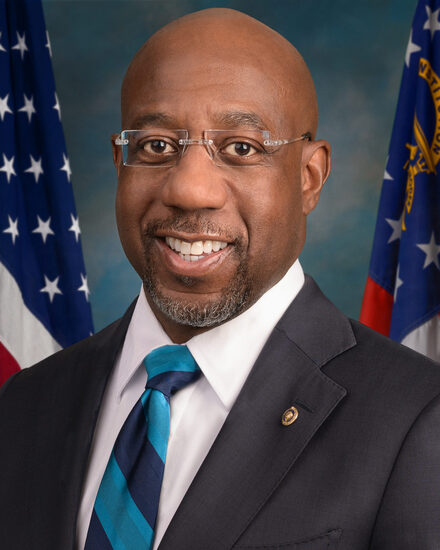
Raphael G. Warnock
100% support rate
Top opponent
Thomas Massie
12% support rate
Ranked legislators
10
5 support · 5 oppose
Key legislators

Who's moving education in United States

Legislators moving education in United States
Legislator Party Stance Support rate Decisive votes
Raphael G. Warnock
Raphael G. Warnock Senate
D
Strong +
100% 6
Adam B. Schiff
Adam B. Schiff Senate
D
Strong +
86% 7
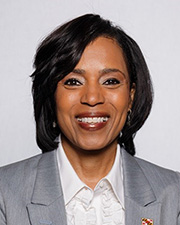
Angela D. Alsobrooks
Angela D. Alsobrooks Senate
D
Strong +
86% 7
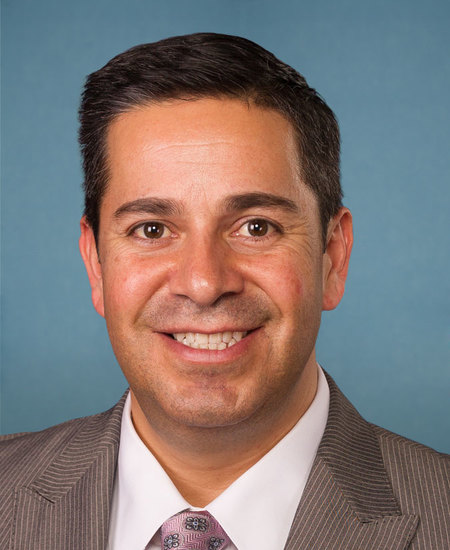
Ben Ray Luján
Ben Ray Luján Senate
D
Strong +
86% 7
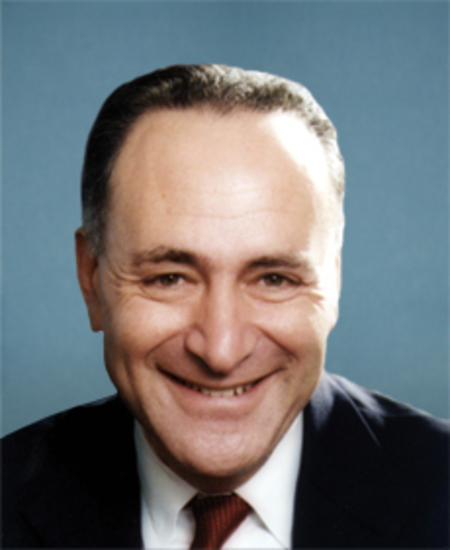
Charles E. Schumer
Charles E. Schumer Senate
D
Strong +
86% 7
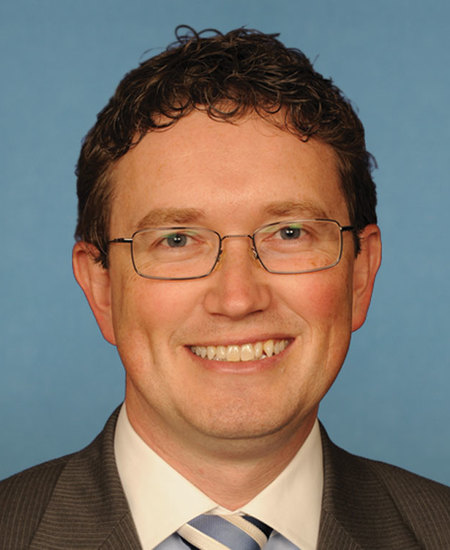
Thomas Massie
Thomas Massie House · District 4
R
Strong −
12% 8
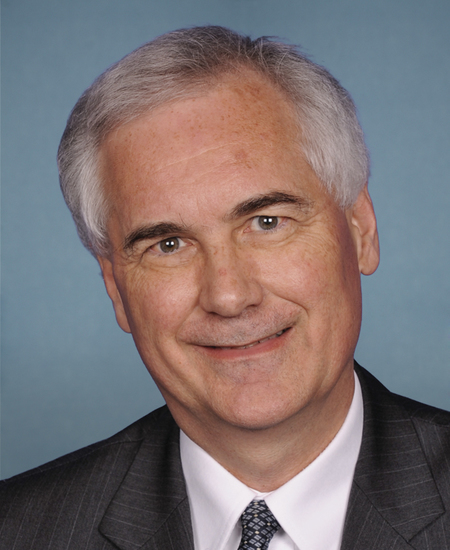
Tom McClintock
Tom McClintock House · District 5
R
Strong −
12% 8
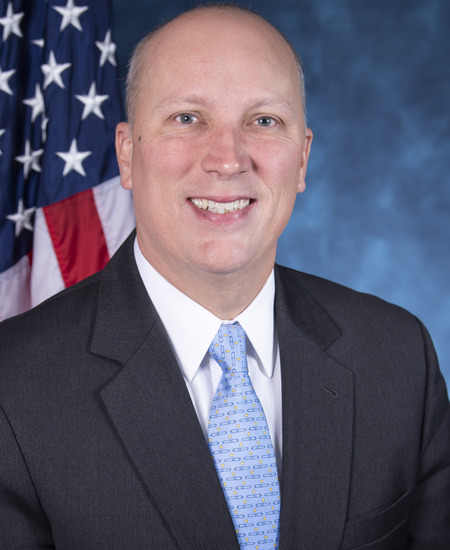
Chip Roy
Chip Roy House · District 21
R
Strong −
14% 7
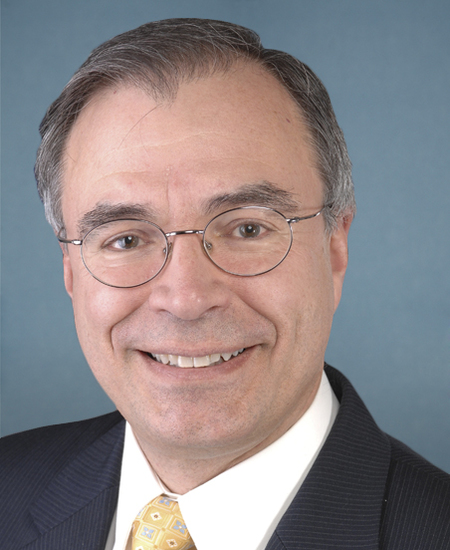
Andy Harris
Andy Harris House · District 1
R
Strong −
20% 10
Keith Self
Keith Self House · District 3
R
Strong −
20% 10
Showing 311–320 of 1,194 bills

All education bills

in committee · United States · House Apr 16, 2026

HR 8351: Clean Slate through Repayment Act of 2026

This bill, titled the "Clean Slate through Repayment Act of 2026," establishes a process for individuals who have defaulted on federal student loans. It mandates that if a borrower fully repays the entire amount due on their defaulted federal student loan, the Secretary of Education, a guaranty agency, or the loan holder must request the removal of the default. This request is sent to any consumer reporting agency that was informed of the default. Consequently, the default and any related adverse information would be removed from the borrower's credit history.
in committee · United States · House Mar 12, 2026

HR 7918: Kids in Classes Act

The "Kids in Classes Act" amends federal education law by requiring local educational agencies (LEAs) to establish a direct payment plan for parents to be eligible for Title I funds. This plan is triggered if a Title I-funded public school fails to provide in-person instruction for more than three days in a school year due to a public health emergency or collective bargaining. Parents of students attending the affected school would receive daily payments, calculated based on the school's Title I funding per student, for use on "qualified educational expenses" such as curriculum materials, tutoring, or private school tuition. Parents are required to submit receipts for these expenses or return any unused funds to the LEA.
in committee · United States · House Apr 16, 2026

HR 8360: Commission on Advancing Restorative Justice in Elementary and Secondary Education Act of 2026

This bill establishes the Interagency Advisory Commission on Advancing Restorative Justice in Elementary and Secondary Education, affecting elementary and secondary schools, their personnel, and students, particularly students of color. The Commission is tasked with developing guidelines for tracking restorative practices and creating official definitions for "restorative justice" and "restorative practices" for the Department of Education. It will also develop and distribute training materials to school personnel aimed at reducing bias, enhancing cultural competency, and improving responses to student behavior. Furthermore, the Commission will work to increase school staff's ability to provide culturally competent mental health support and recommend ideal school psychologist and counselor-to-student ratios for federally funded schools. The Commission will submit annual reports on its progress and a final report with its comprehensive findings and recommendations.
in committee · United States · House Apr 23, 2026

HRES 1212: Expressing support for the staff of public, school, academic, and special libraries in the United States and the essential services those libraries provide to communities, recognizing the need for funding commensurate with the broad scope of social service and community supports provided by libraries, preserving the right of all citizens of the United States to freely access information and resources in their communities, supporting a strong union voice for library workers, and defending the civil rights of library staff.

This House Resolution expresses support for the staff of public, school, academic, and special libraries across the United States and the essential services they provide to communities. It recognizes libraries as critical infrastructure and supports prioritizing full funding for their services at federal, state, and local levels. The resolution also reaffirms the public's right to access information, the right of library workers to organize and collectively bargain, and their civil rights to perform their duties without intimidation.
in committee · United States · House Apr 23, 2026

HR 8485: No Rogue Jurors Act

The "No Rogue Jurors Act" prohibits the use of federal funds for organizations, schools, or entities that promote jury nullification. Specifically, it bans federal grants, contracts, and financial assistance to any group that conducts training, produces materials, or engages in outreach to encourage individuals to seek jury service in federal or District of Columbia courts with the intent to vote contrary to evidence or applicable law. This includes promoting the deliberate act of voting to acquit a defendant regardless of whether the elements of the charged offense have been established. This bill directly affects organizations that advocate for or educate on jury nullification and receive federal funding.
in committee · United States · House Apr 23, 2026

HR 8465: Funding Early Childhood is the Right IDEA Act

The "Funding Early Childhood is the Right IDEA Act" proposes to increase authorized funding for specific programs under the Individuals with Disabilities Education Act (IDEA). This bill sets new appropriation levels for Part C of IDEA, which provides early intervention services for infants and toddlers with disabilities and their families. It also increases authorized funding for Section 619 of IDEA, which supports preschool special education for children aged three to five. These funding authorizations are scheduled for fiscal years 2027 through 2031, directly affecting children with disabilities and the state and local agencies that provide these services.
in committee · United States · House Apr 22, 2026

HR 8445: Stop DEI Act

The Stop DEI Act proposes to prohibit federal funding for institutions of higher education. Specifically, it states that colleges and universities would be ineligible for funds from federal education programs. This ineligibility would occur if an institution considers an individual's race, sex, ethnicity, color, or national origin in ways that violate existing civil rights laws. The bill's aim is to prevent federal funds from being used by institutions whose practices related to these characteristics are deemed to be in violation of those laws.
Sub-Topics Higher Education
in committee · United States · House Apr 14, 2026

HR 8264: HBCU Research Capacity Act

The HBCU Research Capacity Act establishes a Federal Clearinghouse within the Department of Education, in coordination with several other federal agencies, to provide Historically Black Colleges and Universities (HBCUs) with comprehensive information on federal grant opportunities. This Clearinghouse will identify grants supporting research and development and institutional capacity building at HBCUs, while also sharing best practices for securing federal funding. The Department of Education will notify HBCUs and Congress about the Clearinghouse and offer quarterly updates to participating institutions. Additionally, several federal agencies, including Defense, Energy, and the National Science Foundation, are mandated to review their grant programs to align with the Clearinghouse's recommendations and report any identified funding gaps to Congress annually.
in committee · United States · House Apr 16, 2026

HR 8356: Clean Slate through Consolidation Act

This bill, titled the Clean Slate through Consolidation Act, amends the Higher Education Act of 1965. It directly affects federal student loan borrowers who have previously defaulted on their loans. The bill mandates that if such a borrower obtains a Federal Direct Consolidation Loan that resolves their defaulted loan, the loan holder must request that consumer reporting agencies remove the record of the default from the borrower's credit history. This provision ensures that the default is no longer reported on credit reports once the underlying defaulted federal student loan is consolidated.
in committee · United States · House Apr 16, 2026

HR 8333: YouthBuild for the Future Act

The YouthBuild for the Future Act aims to strengthen and expand the existing YouthBuild program, which provides education and job training to young people. The bill increases authorized funding for the program and creates a new grant program to foster partnerships between YouthBuild programs and employers, aiming to develop more employment opportunities for participants. It reserves a portion of increased funds for rural areas and programs serving Native American, Alaska Native, and Native Hawaiian communities. Furthermore, the bill expands the types of supportive services YouthBuild programs can offer, including meals and assistance with applying for federal and state benefit programs.
Showing 311 to 320 of 1,194 bills
Previous 1 31 32 33 120 Next