Issue · Budget & Taxes

Budget & Taxes

Every budget & taxes bill, vote, and legislator stance in United States, automatically classified by Maddy, our AI policy reader.

Total bills
2,374
119th Congress
Top supporter
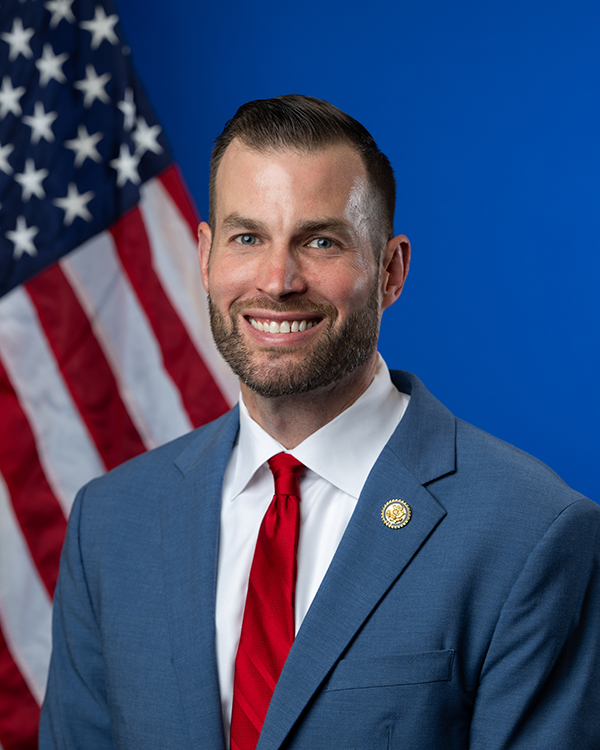
Clay Fuller
87% support rate
Top opponent
Eleanor Holmes Norton
0% support rate
Ranked legislators
10
5 support · 5 oppose
Key legislators

Who's moving budget & taxes in United States

Legislators moving budget & taxes in United States
Legislator Party Stance Support rate Decisive votes
Clay Fuller
Clay Fuller House · District 14
R
Strong +
87% 46
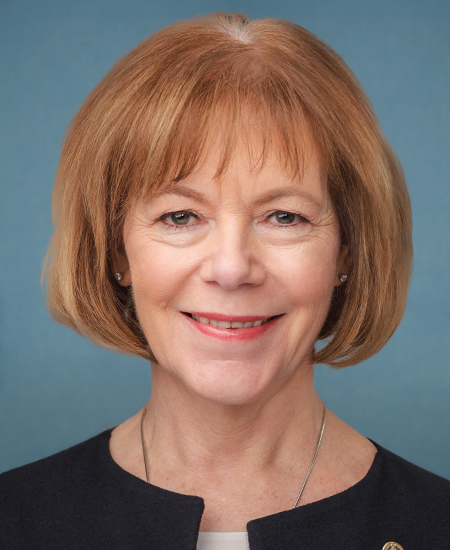
Tina Smith
Tina Smith Senate
D
Strong +
83% 77
Andrew Ogles
Andrew Ogles House · District 5
R
Strong +
83% 65
Aaron Bean
Aaron Bean House · District 4
R
Strong +
83% 69
Ben Cline
Ben Cline House · District 6
R
Strong +
83% 69
Eleanor Holmes Norton
Eleanor Holmes Norton House · District At-Large
D
Strong −
0% 26
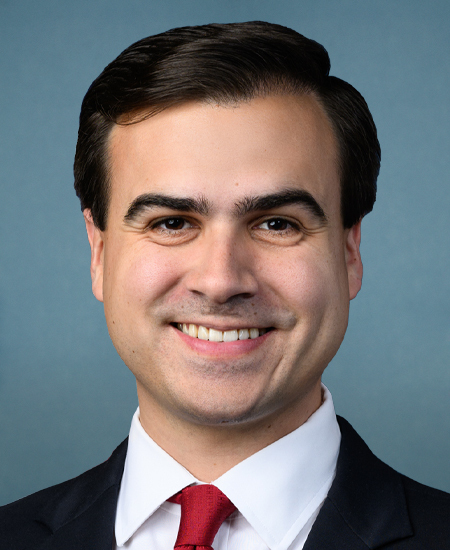
Pablo José Hernández
Pablo José Hernández House · District At-Large
D
Strong −
7% 28
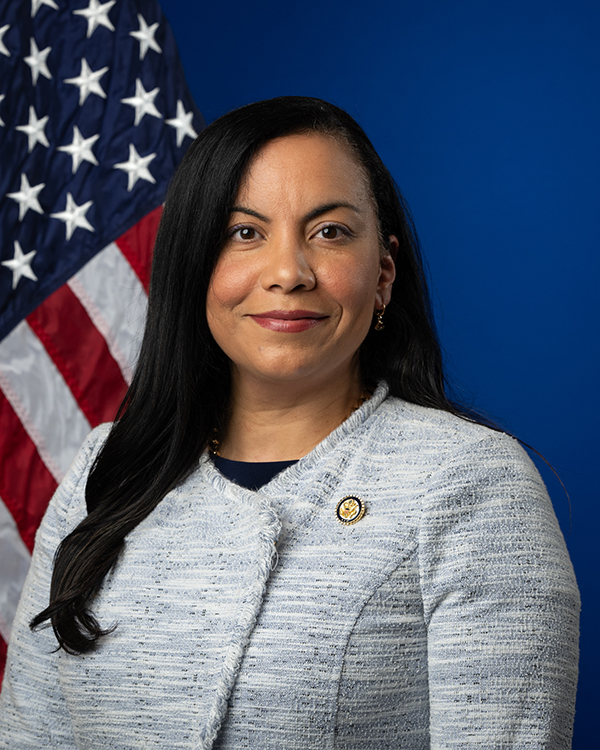
Analilia Mejia
Analilia Mejia House · District 11
D
Strong −
13% 45
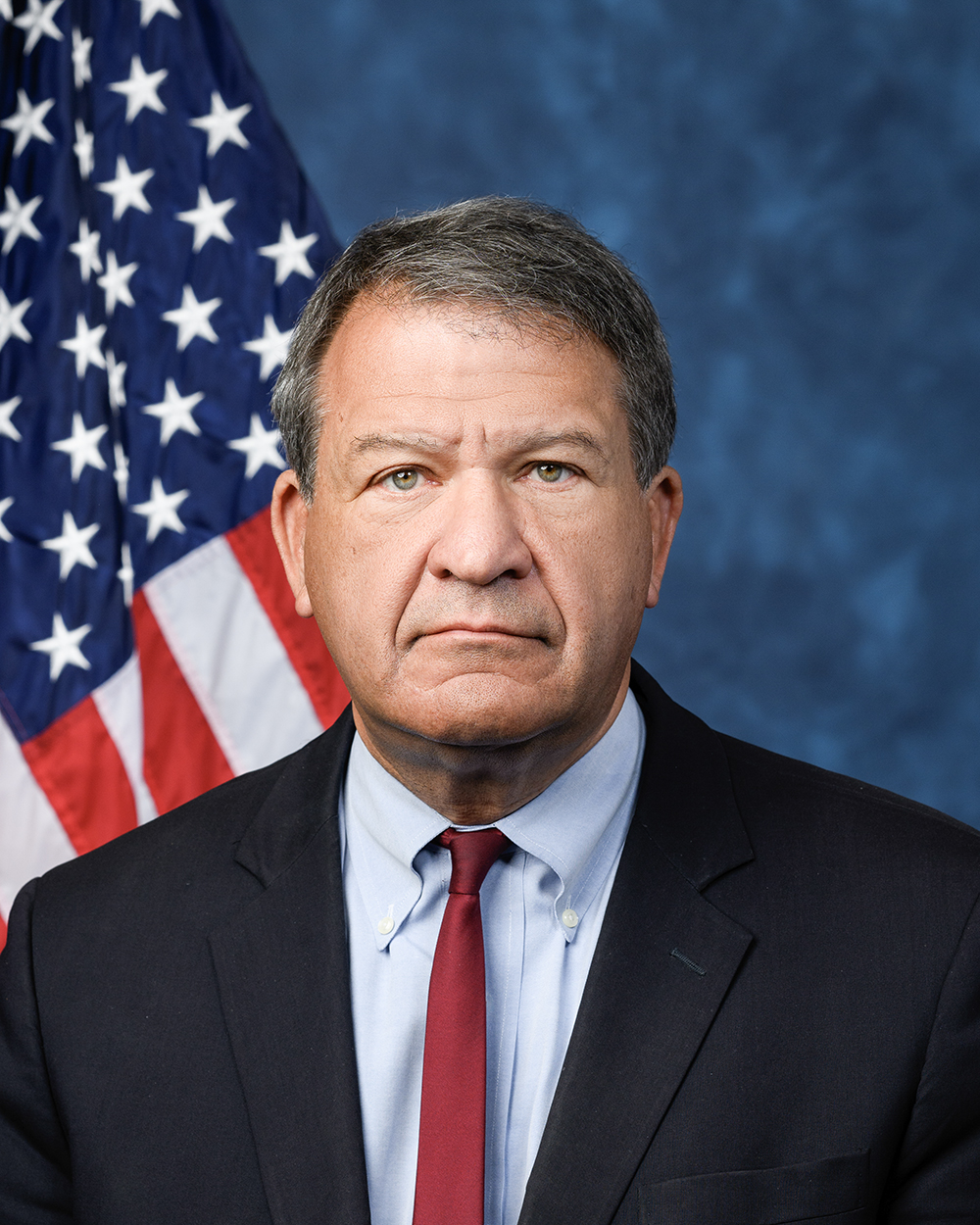
George Latimer
George Latimer House · District 16
D
Strong −
13% 67
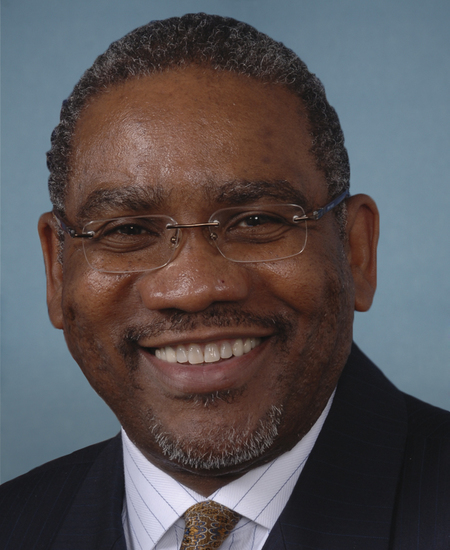
Gregory W. Meeks
Gregory W. Meeks House · District 5
D
Strong −
14% 66
Showing 1,831–1,840 of 2,374 bills

All budget & taxes bills

in committee · United States · House Nov 17, 2025

HR 5996: Veterans Healthcare Improvement Act

This bill amends an existing law to require the Comptroller General to review the Department of Veterans Affairs' medical care budget requests for fiscal years 2026, 2027, and 2028. It mandates that the Comptroller General examine the President's budget submissions for VA medical care accounts (including Medical Services, Support, Facilities, and Community Care) and report the findings to relevant congressional committees. The bill does not change healthcare services or access but establishes a specific review process to increase transparency in how the VA budgets its medical care spending. This procedural requirement directly affects the VA's budget submission process and congressional oversight committees.
in committee · United States · House Feb 7, 2025

HR 1129: Tax Relief Unleashed for Seniors by Trump Act

HR 1129 (Tax Relief Unleashed for Seniors by Trump Act) increases the income thresholds that determine when Social Security benefits become taxable for seniors. It raises the annual income limits from $25,000 to $50,000 (single filers) and $32,000 to $64,000 (single filers with higher income), while doubling similar limits for married couples filing jointly ($34,000 to $59,000 and $44,000 to $76,000). These changes apply to taxable years beginning after December 31, 2025, and include automatic inflation adjustments starting in 2026. The bill directly affects seniors whose Social Security benefits would otherwise be taxed at current income levels.
Tags Seniors
in committee · United States · Senate Nov 20, 2025

S 3246: Service Members Tax Relief Act

This bill exempts active and reserve uniformed service members' active-duty pay from federal income tax. It directly affects military personnel serving in the U.S. Armed Forces, including the Army, Navy, Air Force, Marines, and Coast Guard. The key provision adds a new tax code section (139M) excluding "compensation received in connection with service" from taxable income, but explicitly excludes retirement pay from this exemption. The change applies to income earned in tax years starting after the bill's enactment date.
Sub-Topics Income Tax
in committee · United States · Senate Apr 3, 2025

S 1277: IDEA Full Funding Act

The IDEA Full Funding Act (S 1277) mandates specific annual funding levels for the Individuals with Disabilities Education Act (IDEA) starting in fiscal year 2026. It sets fixed dollar amounts or percentage-based funding (ranging from 11.6% to 40% of a calculated base) for states providing special education services to children with disabilities aged 3-21. Funding becomes available on July 1 each year and remains accessible through September 30 of the following year, with amounts increasing annually through 2035. This directly affects all states receiving IDEA grants by guaranteeing minimum federal funding tied to the number of eligible students and national per-pupil spending averages.
in committee · United States · House Mar 31, 2025

HR 2524: REPEAL CBO Requirements Act

HR 2524, the "REPEAL CBO Requirements Act," would allow congressional committees (excluding Appropriations committees) to replace Congressional Budget Office (CBO) budget estimates with estimates from private accounting firms. Specifically, committee chairs could obtain budget cost estimates from the top 10 accounting firms by revenue instead of the CBO for any bill or resolution, using these private estimates for budget enforcement under key laws like the Balanced Budget Act and Pay-As-You-Go rules. The bill requires that if a private firm's estimate is used, the CBO would no longer prepare an estimate for that measure. This change would shift the responsibility for budget scoring from the nonpartisan CBO to for-profit accounting firms for most legislative measures.
in committee · United States · Senate Feb 26, 2025

S 757: Tribal Adoption Parity Act

S 757, the Tribal Adoption Parity Act, expands eligibility for the federal adoption tax credit by allowing Indian tribal governments to determine if a child has special needs for tax credit purposes. This directly affects Native American families adopting children within tribal jurisdictions, as it removes a current barrier where only state determinations counted. The bill amends the Internal Revenue Code to add "Indian tribal government" to the definition used for qualifying children under the adoption credit, effective after enactment. This change ensures tribal governments have equal standing with states in this tax benefit process.
Sub-Topics Tax Credits Tags Tribal Nations
in committee · United States · House Feb 4, 2026

HR 7340: Rebuild America’s Schools Act of 2026

The Rebuild America's Schools Act of 2026 authorizes $20 billion annually from 2027 to 2031 to improve public school facilities nationwide. The bill provides grants to states to fund school construction, renovation, and modernization projects that focus on safety, energy efficiency, and accessibility, with priority given to schools serving high percentages of students eligible for free or reduced-price lunch. Funds cannot be used for routine maintenance, athletic facilities, or vehicles, and must meet specific environmental, safety, and energy efficiency standards. The bill also includes specific provisions for repairing school foundations affected by pyrrhotite, a mineral that causes concrete deterioration, and requires use of American-made materials for construction projects.
in committee · United States · Senate Jun 10, 2025

S 2017: S Corporation Modernization Act of 2025

This bill modernizes S corporation tax treatment with several key changes. It increases the passive investment income limit from 25% to 60% and removes excessive passive income as a termination event, making it easier for S corporations to maintain their status. The bill also allows nonresident aliens and IRAs to be shareholders, and creates a deduction for shareholders who inherit S corporation stock, allowing them to amortize built-in gains over 15 years. These changes aim to make S corporations more flexible and attractive for business owners and investors.
in committee · United States · Senate May 14, 2025

S 1763: Motorsports Fairness and Permanency Act of 2025

The Motorsports Fairness and Permanency Act of 2025 makes permanent a 7-year recovery period for motorsports entertainment complexes, which was previously temporary. This change directly affects businesses that own or operate motorsports facilities, such as race tracks and related entertainment venues. The bill amends the Internal Revenue Code by removing a temporary provision (subparagraph (D) of Section 168(i)(15)), ensuring these businesses can use the 7-year recovery period indefinitely. This provides long-term tax certainty for the motorsports industry without altering other tax rules.
in committee · United States · House Apr 21, 2025

HR 2982: Fair Taxation of Digital Assets in Puerto Rico Act of 2025

This bill changes how digital asset income is taxed for Puerto Rican residents under federal law. It specifies that income from digital assets - such as mining, staking, holding (including forks/airdrops), or selling/exchanging them - will no longer be treated as derived from Puerto Rico for tax purposes. This means such income would not be subject to Puerto Rico's tax jurisdiction under the Internal Revenue Code. The provision applies to taxable years beginning after the bill's enactment, directly affecting Puerto Rican residents earning income through these digital asset activities. The bill defines "digital asset" as a cryptographically secured digital representation of value recorded on a distributed ledger.
Showing 1,831 to 1,840 of 2,374 bills