

Issue · Budget & Taxes
Budget & Taxes
Every budget & taxes bill, vote, and legislator stance in United States, automatically classified by Maddy, our AI policy reader.
Total bills
2,374
119th Congress
Top supporter
Clay Fuller
87% support rate
Top opponent
Eleanor Holmes Norton
0% support rate
Ranked legislators
10
5 support · 5 oppose
Key legislators
Who's moving budget & taxes in United States
| Legislator | Party | Stance | Support rate | Decisive votes |
|---|---|---|---|---|
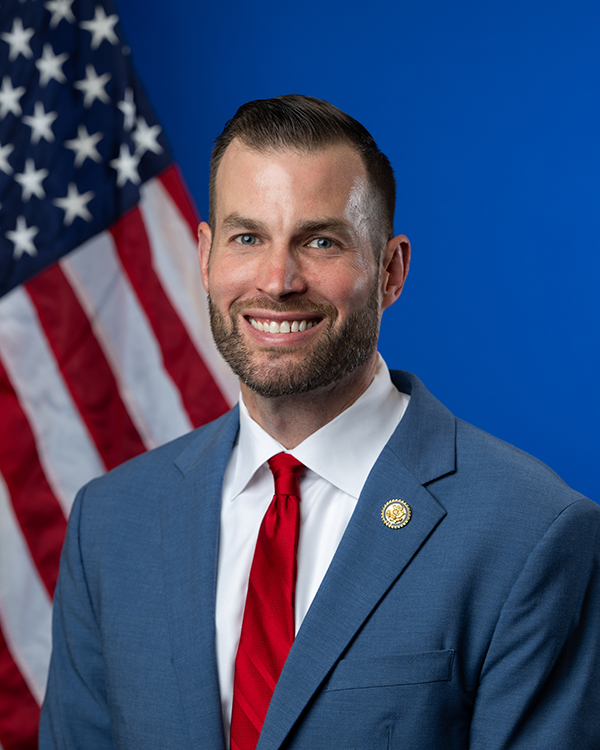
Clay Fuller
House · District 14
|
R |
Strong +
|
87% | 46 |

Tina Smith
Senate
|
D |
Strong +
|
83% | 77 |

Andrew Ogles
House · District 5
|
R |
Strong +
|
83% | 65 |
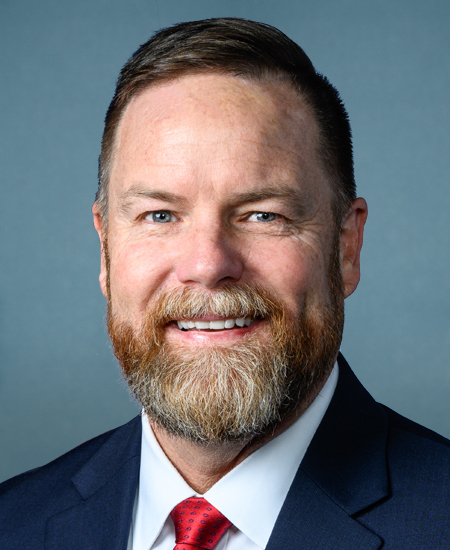
Aaron Bean
House · District 4
|
R |
Strong +
|
83% | 69 |
Ben Cline
House · District 6
|
R |
Strong +
|
83% | 69 |
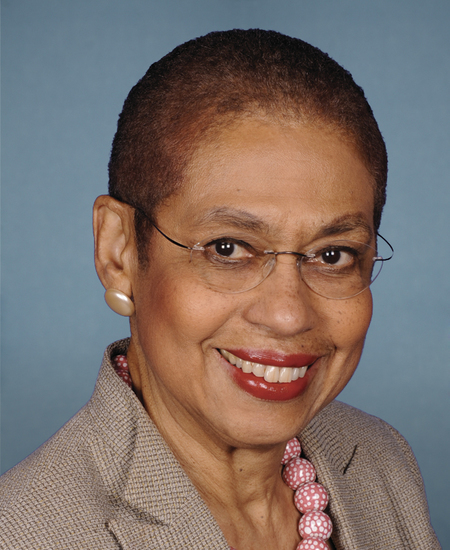
Eleanor Holmes Norton
House · District At-Large
|
D |
Strong −
|
0% | 26 |
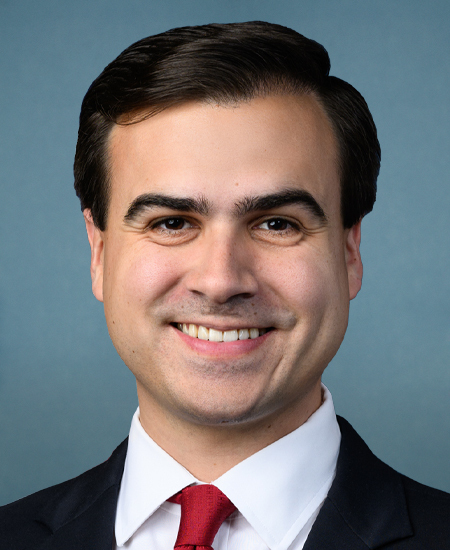
Pablo José Hernández
House · District At-Large
|
D |
Strong −
|
7% | 28 |
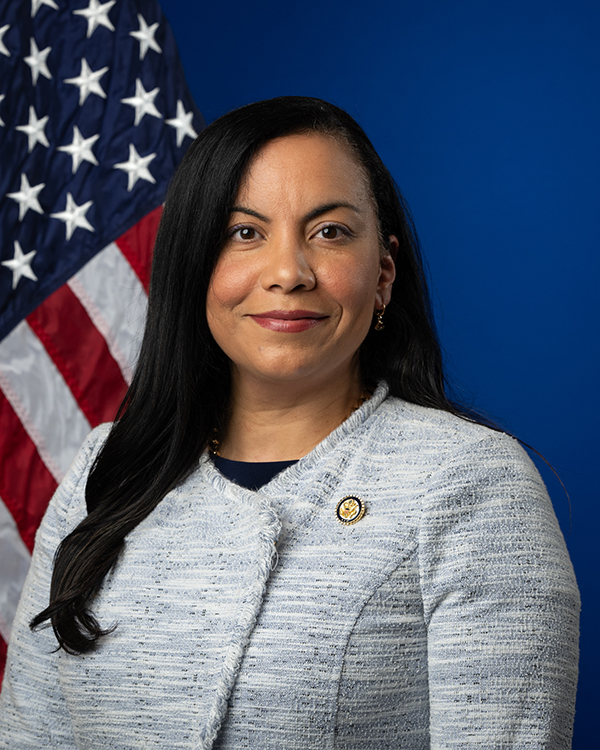
Analilia Mejia
House · District 11
|
D |
Strong −
|
13% | 45 |
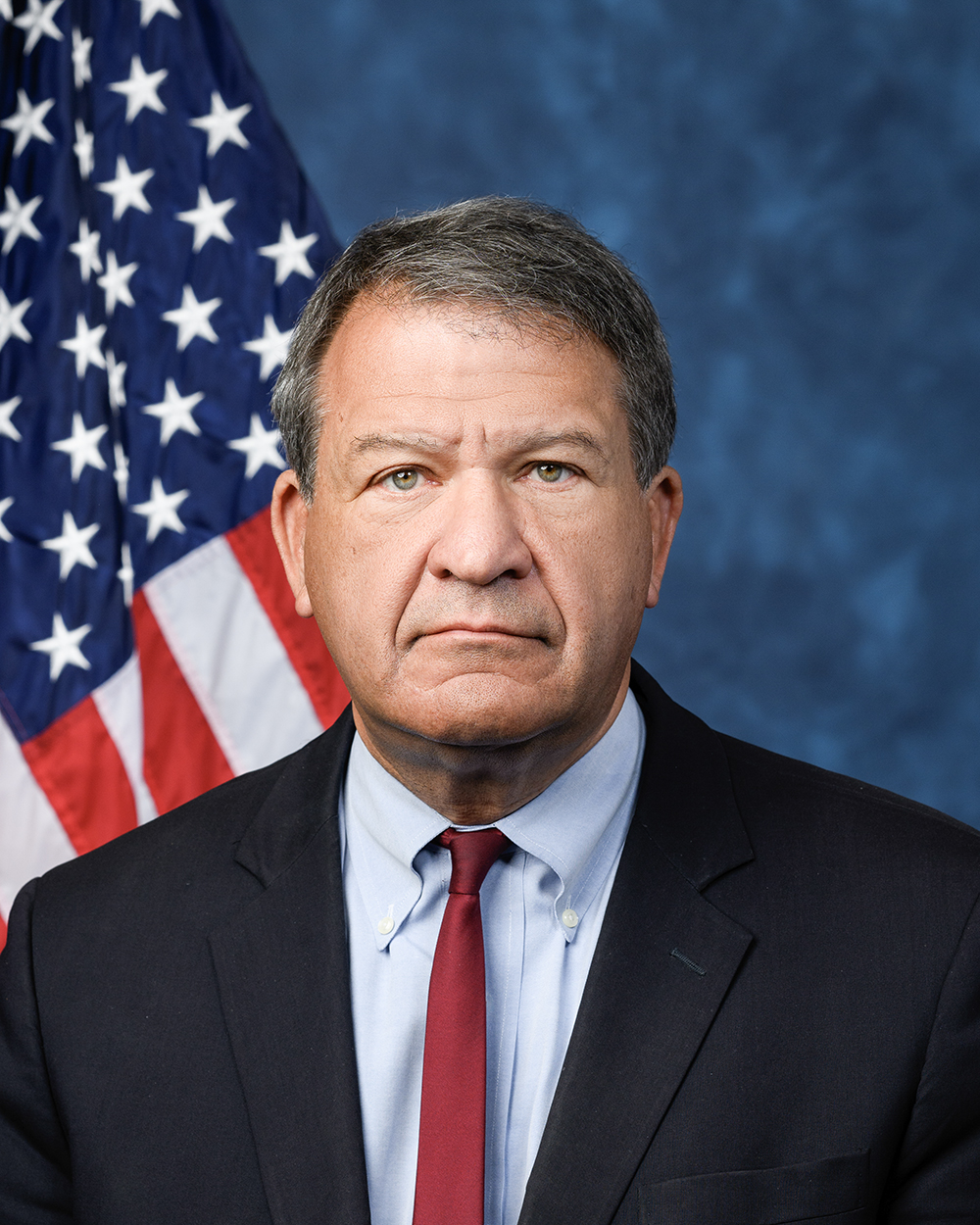
George Latimer
House · District 16
|
D |
Strong −
|
13% | 67 |
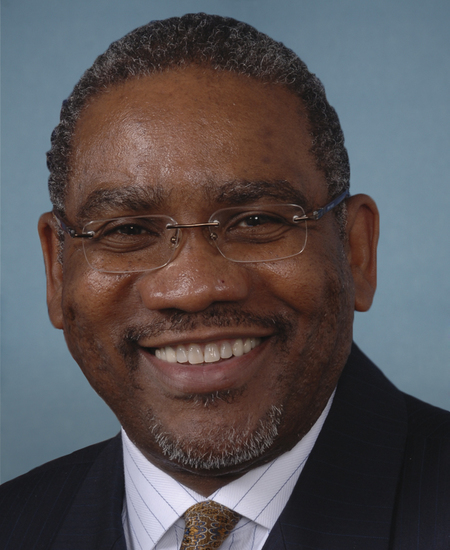
Gregory W. Meeks
House · District 5
|
D |
Strong −
|
14% | 66 |
Showing 1,821–1,830 of 2,374
bills
All budget & taxes bills
S 788: A bill to amend the Internal Revenue Code of 1986 to impose an excise tax on the failure of certain hedge funds owning excess single-family residences to dispose of such residences, and for other purposes.
Topics
✓ Budget & TaxesSupports Budget & TaxesImposes new taxes on hedge funds for holding excess homes and disallows tax deductions, closing a loophole to promote fiscal responsibility.
✓ HousingSupports HousingBill forces hedge funds to sell excess single-family homes via taxes, increasing housing supply and potentially affordability by reducing owner-occupancy by institutional investors.
HR 684: Protecting American Savers and Retirees Act
Sub-Topics
Sales Tax
S 3217: Skills Investment Act of 2025
Topics
✓ Budget & TaxesSupports Budget & TaxesExpands tax-advantaged account uses for career training and increases contribution limits, providing tax benefits for skill development expenses.
✓ EducationSupports EducationExpands educational access by broadening Coverdell account use to career training, adult literacy, and skill development beyond traditional education, increasing funding limits for non-traditional learning.
✓ Labor & EmploymentSupports Labor & EmploymentExpands access to career training funding for workers aged 16+, supporting workforce development and employment standards through skill-building programs.
S 1459: Historic Tax Credit Growth and Opportunity Act of 2025
Topics
✓ Budget & TaxesSupports Budget & TaxesIncreases tax credit rate for historic building rehab from 20% to 30%, providing tax relief to property owners/developers, aligning with tax relief indicators for support.
✓ HousingSupports HousingIncreases tax credits for historic building rehabilitation, incentivizing housing development and preservation through financial incentives for developers.
S 2570: Energy Savings and Weatherization Reauthorization Act of 2025
Topics
✓ Budget & TaxesSupports Budget & TaxesIncreases funding limits for weatherization program, raising per-unit assistance from $6,500 to $15,000, directly advancing public service funding under fiscal management.
✓ EnergySupports EnergyReauthorizes weatherization program with increased funding ($6,500→$15,000) and stricter efficiency standards, directly advancing energy conservation.
✓ EnvironmentSupports EnvironmentBill reauthorizes and expands Weatherization Assistance Program with increased funding ($6,500→$15,000) and stricter energy efficiency standards, directly reducing energy consumption and emissions per environmental protection goals.
✓ HousingSupports HousingBill increases Weatherization Program funding ($6,500→$15,000/unit) to improve energy efficiency in housing, directly reducing costs for low-income residents and advancing affordable housing goals.
S 2126: Integrated Ocean Observation System Reauthorization Act of 2025
Topics
✓ Budget & TaxesSupports Budget & TaxesAuthorizes $56M annually for ocean observation system, directly funding a government program per budget & taxes topic indicators.
✓ EnvironmentSupports EnvironmentFunds $56M annually for ocean/climate observation system, expanding data collection to support environmental monitoring and conservation efforts.
Sub-Topics
Coastal & Flood Protection
S 1840: Retirement Investment in Small Employers Act
Topics
✓ Budget & TaxesSupports Budget & TaxesIncreases tax credit for small businesses to establish retirement plans, providing direct tax relief to qualifying employers.
✓ Labor & EmploymentSupports Labor & EmploymentBill expands retirement benefits for small business workers by increasing tax credits for employer-sponsored plans, strengthening employee benefits and financial security.
S 1804: Presidential Airlift Security Act of 2025
HR 6320: Improving Medicaid Precision and Cancer Test Act of 2025
Topics
✓ Budget & TaxesSupports Budget & TaxesMandates Medicaid coverage for lung cancer testing, increasing state government spending on healthcare services as a public benefit.
✓ HealthcareSupports HealthcareBill mandates Medicaid coverage for lung cancer biomarker testing, expanding health services access for cancer patients. Directly increases coverage and improves patient access to critical diagnostics under healthcare policy.
Sub-Topics
Medicaid