

Maddy summaryHB 3110 is a procedural bill that names the "Utilities Reform Act of 2026" and sets its effective date as November 1, 2026. It contains no substantive policy provisions or mechanisms, as the bill text only establishes the act's name and effective date. The bill does not directly affect any specific entities or individuals, as it serves solely as a naming convention for future legislation. No voting record or additional details about the bill's content are provided in the context.
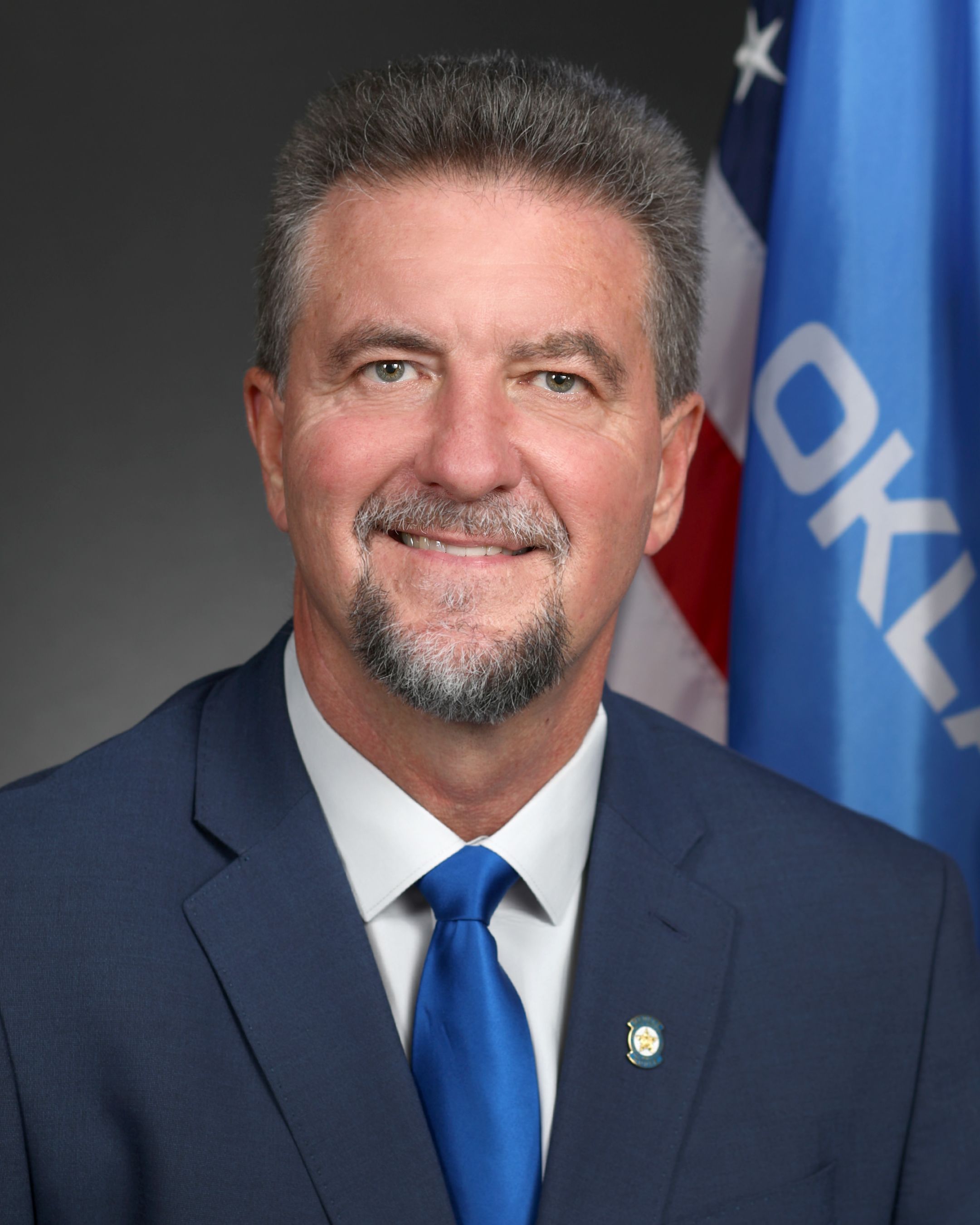
Rep. Mike Dobrinski
Sponsored bills
Maddy summarySB 263 expands Oklahoma's Terry Peach North Canadian Watershed Water Restoration Act to address harmful woody species like Eastern Redcedar and salt cedar. It creates a revolving fund for water restoration, allowing cost-sharing with landowners, state agencies, and nonprofits for removal methods such as prescribed burns and herbicides. The bill mandates the Oklahoma Conservation Commission to manage the program across at least three project areas in the North Canadian Watershed, focusing on improving water flow, reducing wildfire risks, and restoring grazing lands. It updates definitions, expands eligible participants, and requires studies comparing treated and untreated watersheds. The policy directly affects landowners and local entities managing watersheds in the North Canadian River basin.
Maddy summaryHB 2162 creates the "Terry Peach North Canadian Watershed Water Restoration Act" to establish a pilot program for removing harmful woody species like Eastern Redcedar and salt cedar in Oklahoma's North Canadian Watershed. The Oklahoma Conservation Commission will administer the program using a new revolving fund, which can receive state, federal, and private funds, to cost-share with landowners for removal methods like prescribed burns and herbicides. The program aims to improve water flow into the North Canadian River, reduce wildfire risks, protect grazing lands, and restore wildlife habitat by targeting specific invasive plant species. The bill also designates two active project areas (above and below Canton Lake) and requires the Commission to measure species density, create comparison studies, and develop grant programs with local groups. The fund becomes effective November 1, 2025, but the bill died in conference committee on May 30, 2025.
Maddy summaryHB 2162 creates the "Terry Peach North Canadian Watershed Water Restoration Act" to address invasive plant species harming Oklahoma's North Canadian River watershed. It establishes a revolving fund to support a pilot program administered by the Oklahoma Conservation Commission, focusing on removing invasive plants like juniper trees and salt cedar that reduce water flow, increase wildfire risks, and damage grazing lands. The program allows cost-sharing with landowners for removal methods like prescribed burns and herbicides, requires collaboration with local agencies, and mandates two active project areas. The bill directly affects landowners in the North Canadian Watershed and aims to improve water resources through targeted ecosystem management. The bill was introduced in 2025 but died in committee before becoming law.
Maddy summarySB 263 expands the Terry Peach Water Restoration Act to include new requirements for managing invasive species in state waterways. It would require water management agencies to implement specific control strategies and monitor invasive species impacts, directly affecting state water authorities and ecosystems vulnerable to species like zebra mussels. Key provisions include updated reporting rules and funding allocations for early detection efforts. However, the bill died in conference committee on May 30, 2025, and did not become law.
Maddy summaryHB 2160 updates Oklahoma's regulations for new motor vehicle and powersport vehicle dealers, salespersons, and related licensing. It revises definitions (like clarifying what constitutes a "new motor vehicle dealer" or "salesperson"), modifies license fee schedules, requires dealers to visibly display licenses, and updates procedures for establishing or relocating dealerships. The bill directly affects dealers selling new cars or powersport vehicles (like ATVs), their sales staff, and the Oklahoma New Motor Vehicle Commission that enforces these rules. These changes aim to clarify requirements for dealer operations and registration while maintaining existing protections for consumers and fair competition.
Maddy summaryHB 2160 modernizes Oklahoma's licensing and regulatory framework for new motor vehicle dealers and salespeople. It updates definitions (excluding powersport dealers from "new motor vehicle dealer" status), requires salespersons to work exclusively for licensed dealers, modifies license fees, and clarifies requirements for dealer registrations and franchise agreements. The bill also specifies procedures for license suspension/revocation and mandates physical posting of licenses at dealer locations. As enacted on May 29, 2025, it directly affects new vehicle dealers, their sales staff, manufacturers, and distributors operating in Oklahoma.
Maddy summaryHB 2157, also known as the "Oklahoma Agrivoltaics Act," aims to encourage renewable energy development in Oklahoma in a way that supports agriculture, ranching, and forestry. The bill establishes the Oklahoma Agrivoltaics Advisory Committee, composed of 17 members from various state agencies, universities, and relevant industries. This Committee is tasked with identifying tools, developing policy options, and encouraging educational materials for siting renewable energy projects while minimizing their impact on agricultural lands. The bill also requires the Corporation Commission, in consultation with the Committee, to submit a report to the Legislature by January 1, 2026, detailing existing initiatives, policy recommendations, and research needs. Finally, it creates the Oklahoma Agrivoltaics Cash Revolving Fund to support these efforts.
Maddy summaryHB 2155 creates the Renewable Energy Facility Act, which will be overseen by the Corporation Commission. This act aims to establish regulations and definitions for renewable energy facilities. A key amendment to the bill clarifies that the scope of activities or infrastructure associated with these facilities explicitly excludes transmission or distribution lines that provide services to the facility itself. This modification helps define what aspects of renewable energy projects fall under the purview of this new act.
Maddy summaryHB 2158 updates Oklahoma's motor vehicle licensing rules for car dealers and related entities. It prohibits manufacturers (factories) from directly engaging in dealership operations, clarifies who qualifies as a "new motor vehicle dealer," and requires dealer management system providers to meet new data security standards. The bill also modifies procedures for license revocation or suspension and updates definitions for terms like "manufacturer" and "distributor." These changes directly affect car dealers, manufacturers, and businesses managing dealer data systems.