

Maddy summaryHB 2161 clarifies Oklahoma museums' legal rights to claim ownership of property without clear ownership records or unreturned loans. It allows museums to claim title to "undocumented property" (items without verified owner records) after seven years of possession, following a two-step public notice process. For loaned property, museums may claim title after two years of no contact with the lender, requiring certified mail notices and public publication if contact fails. The law requires museums to maintain detailed records, notify lenders of changes, and provides a two-year window for claimants to challenge ownership. This law, enacted May 8, 2025, directly affects Oklahoma museums and individuals with potential claims to museum-held items.
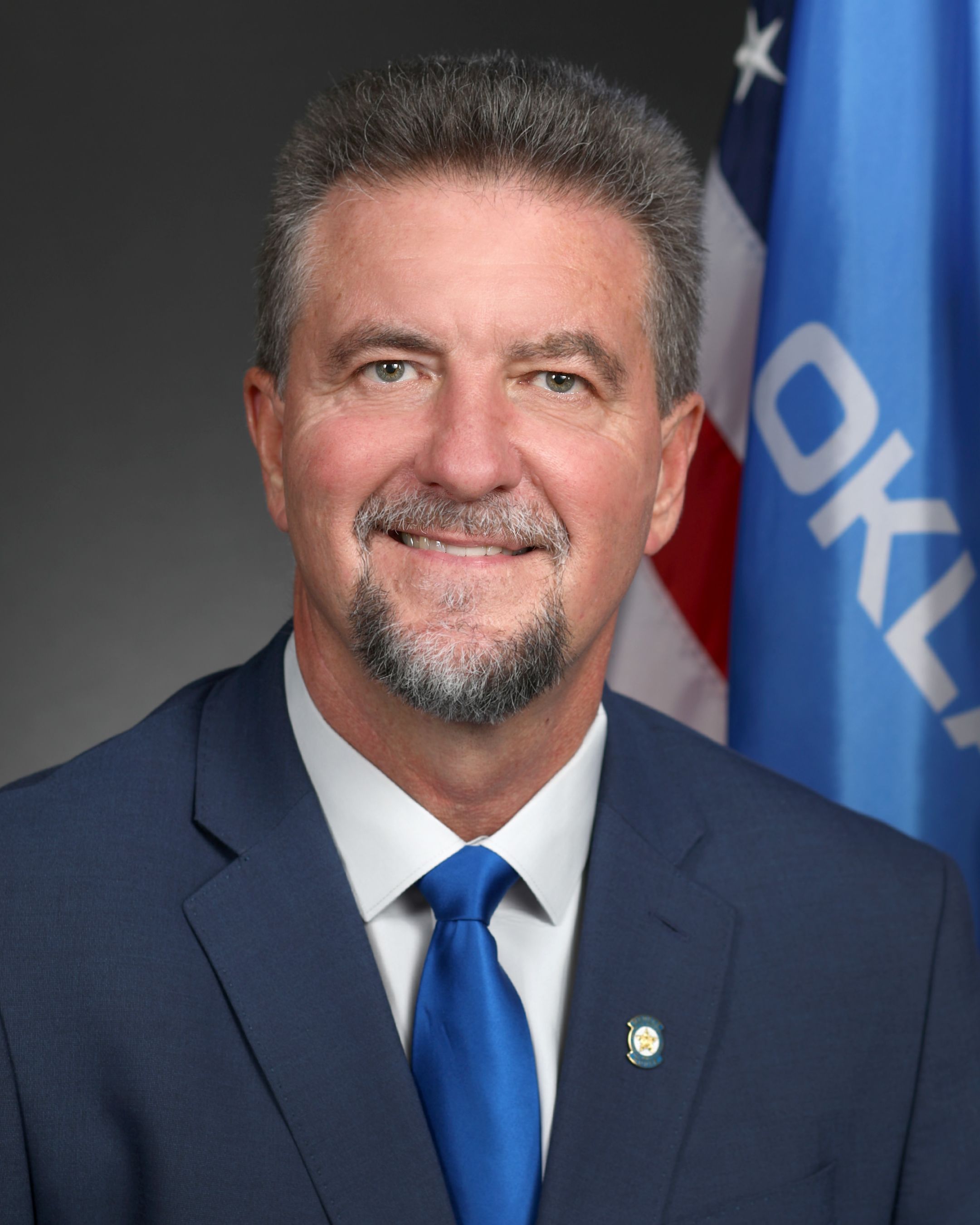
Rep. Mike Dobrinski
Sponsored bills
Maddy summaryHouse Bill 2161 establishes procedures for museums in Oklahoma to manage and acquire legal title to undocumented or unclaimed loaned property. It affects museums, individuals who loan items to museums, and those whose property is held by museums without clear ownership records. Museums can gain ownership of undocumented property held for seven years or more after publishing two public notices if no valid claim is made within 90 days. For loaned property, museums can acquire title if a loan has expired and there's been no contact for two years, following attempts to notify the lender by certified mail and public notice. The bill also outlines museum obligations for record-keeping and informing lenders, and sets a two-year limit for legal actions against museums after title transfer.
Maddy summaryHB 2158 updates Oklahoma motor vehicle laws, primarily affecting new motor vehicle dealers, manufacturers, distributors, and dealer management system providers. The bill amends existing definitions related to motor vehicles and clarifies which entities require licensure, while also prohibiting certain "factory engagement." It modifies data security standards for dealer management system providers and outlines actions for the denial, revocation, or suspension of licenses for those involved in motor vehicle sales.
Maddy summaryHB 2159 prohibits the manufacture, sale, distribution, or installation of counterfeit or nonfunctional supplemental restraint system components (like fake airbags) in Oklahoma vehicles. It specifically bans devices that mimic genuine manufacturer parts without authorization, deployed/damaged airbags, or misleading objects posing as functional airbags. This law directly affects auto repair shops and parts sellers who might use or sell these unsafe replacements. The bill aligns with federal safety standards (49 U.S.C. § 301209(j)) to prevent vehicles from being equipped with parts that fail during crashes, ensuring occupant safety. The law took effect on November 1, 2025.
Maddy summarySB 940 requires the Oklahoma Conservation Commission to create a statewide plan for controlling harmful woody species (like Eastern Redcedar and salt cedar) on state-owned, leased, or operated land. State agencies - including Agriculture, Wildlife Conservation, Corrections, and Transportation - must compile a report by January 1, 2026, detailing affected properties and control plans, with annual updates submitted to the Legislature starting November 1, 2026. The bill defines "harmful woody species" as trees or shrubs rapidly encroaching and threatening the environment or economy. It becomes law without a governor's signature, effective July 1, 2025.
Maddy summaryHB 2159 prohibits the knowing or intentional manufacture, import, distribution, sale, or installation of certain supplemental restraint system components in motor vehicles. This includes "counterfeit supplemental restraint system components" and "nonfunctional airbags," which are defined as previously deployed, damaged, faulty, or misleading airbags, or other unauthorized objects installed in place of proper components. The bill defines these terms to ensure that only genuine and functional safety devices are used. It affects individuals and businesses involved in the automotive parts and repair industry, establishing penalties for violations. The law became effective on November 1, 2025.
Maddy summarySenate Bill 940 directs the Oklahoma Conservation Commission to implement a statewide plan for the control and removal of harmful woody species, like Eastern Redcedar, on state-owned, -leased, or -operated lands. It requires several state agencies, including the Department of Agriculture and the Department of Transportation, to submit a comprehensive report by January 1, 2026. This report must detail their inventory of affected areas and their plans to eradicate these species from their properties. Subsequently, these agencies must electronically submit annual progress reports to the Legislature by November 1st, starting in 2026.
Maddy summaryHB 2156 changes setback requirements for utility-scale solar energy facilities and industrial battery storage projects in Oklahoma. The bill reduces the minimum required distance between these facilities and adjacent properties from 500 feet to 300 feet. This directly affects property owners near proposed solar farms or battery storage sites, as well as developers planning such projects. The key provision is the specific reduction in the setback distance, which is the core policy change. The bill is currently in the legislative process, having advanced through committee and received a second reading.
Maddy summaryHB 2156 establishes or modifies setback requirements for utility-scale solar energy and industrial battery storage facilities. This bill directly affects developers of these energy projects and property owners located near potential facility sites. A key provision of the bill sets a minimum distance these facilities must be from certain property lines or other designated features. A committee amendment specifically changed a proposed setback distance from 500 units to 300 units.
Maddy summarySB 521 updates Oklahoma's franchise law by clarifying key definitions in Section 6005 of Title 59. It defines "franchisor" to include subfranchisors who handle both pre-sale and post-sale activities, and specifies that a "franchise" requires trademark use, franchisor control or assistance, and a payment. Crucially, the bill explicitly states that franchisors are not employers of franchisee employees, and franchisee employees are not considered employees of the franchisor. This directly affects franchise businesses and their workers in Oklahoma by clarifying legal employer-employee relationships. The bill takes effect November 1, 2025.