

Maddy summaryHB 2157 creates the Oklahoma Agrivoltaics Advisory Committee to coordinate renewable energy development with agriculture. The 17-member committee includes representatives from farming, ranching, tribal governments, renewable energy, and state agencies, tasked with advising on policies that support both industries. It requires the Corporation Commission to submit a 2026 report identifying existing tools, policy options, and research needs for siting renewable projects without harming farming, ranching, or forestry. A new revolving fund will support these efforts, with monies from public or private sources.
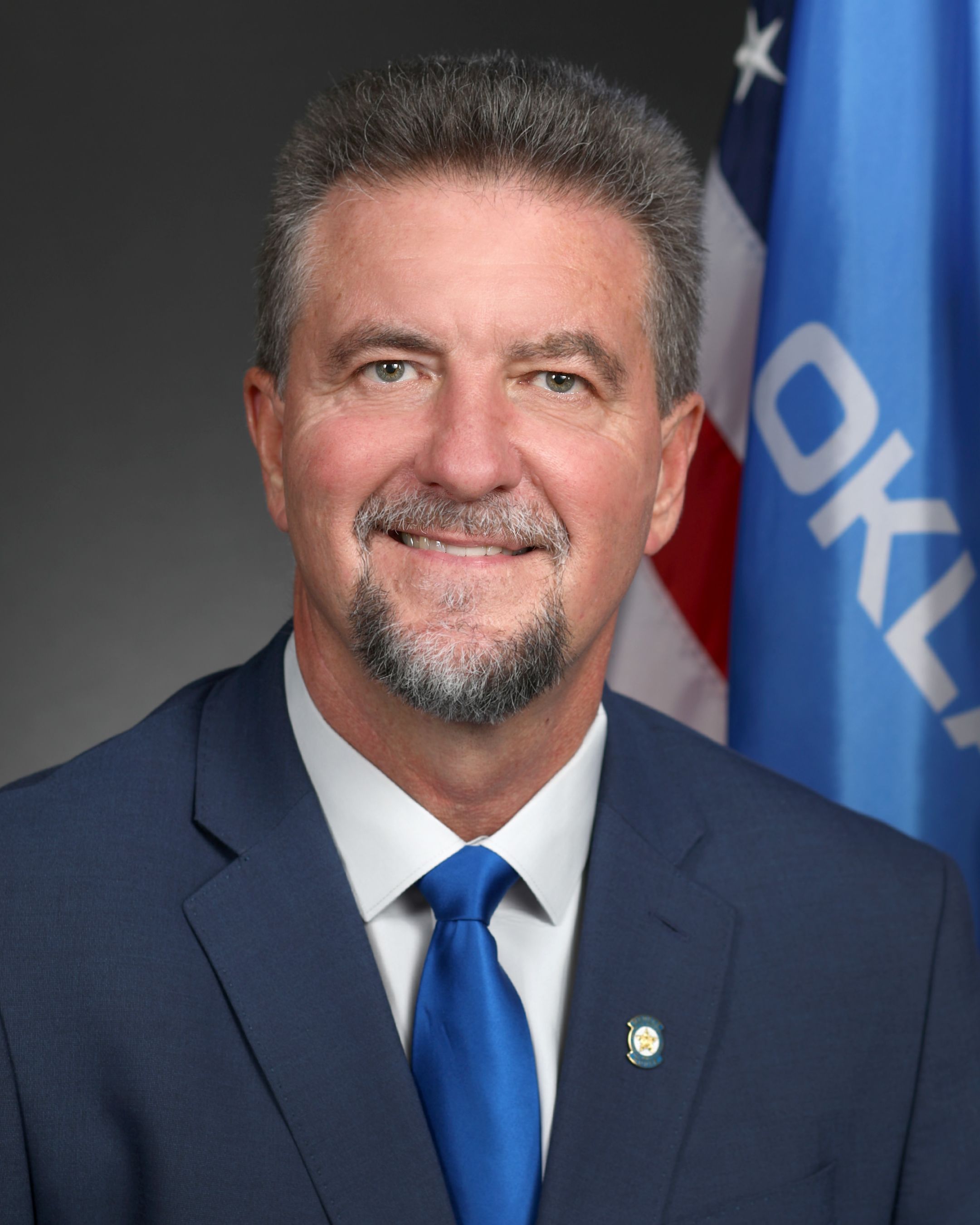
Rep. Mike Dobrinski
Sponsored bills
Maddy summaryHB 2999 prohibits elected or appointed Oklahoma public officials from being required to sign nondisclosure agreements (NDAs) related to projects that could significantly impact their jurisdiction - defined as affecting at least 10% of residents' utility infrastructure (like power, water, or other essential services). The bill specifically targets NDAs about projects that would alter infrastructure for a substantial portion of the community, ensuring transparency around such matters. It does not apply to NDAs related to personal issues or litigation unrelated to an official's duties. The law takes effect November 1, 2026.
Maddy summaryHB 3277, the Motor Vehicle Modernization Act of 2026, updates Oklahoma’s vehicle title system by clarifying definitions and adding new disclosure requirements. It requires owners applying for a title on vehicles within the last seven model years to declare if the vehicle was damaged (exceeding 60% repair cost vs. value), recovered from theft, or flooded. This directly affects vehicle owners, dealers, and title applicants when processing new or transferred titles. The bill standardizes terms like "salvage vehicle," "rebuilt vehicle," and "flood-damaged vehicle" to improve clarity in title classifications. It does not change ownership rules or fees but modifies the title application process to include these mandatory disclosures.
Maddy summaryHB 1374 requires operators of electric vehicle (EV) charging stations in multistory buildings to meet specific fire safety standards. Key provisions include compliance with national electrical and fire safety codes, placement on the ground floor within 25 feet of an accessible entry point, installation of emergency call boxes, fire extinguishers, lighting, fire alarms, and 72-hour video surveillance. Operators must annually attest to compliance with these standards and file reports with the Corporation Commission. Violations may result in daily administrative penalties up to $500, with fees collected deposited into a state revolving fund. The law becomes effective November 1, 2025.
Maddy summaryHB 2989, the Wildland Fire Mitigation Act, requires Oklahoma electric utilities to develop and maintain public "electrical wildland fire mitigation plans" addressing risks like vegetation management and infrastructure upgrades. These plans must cover geographic risk areas, inspection procedures, facility modifications, and fire response protocols, with utilities able to recover related costs through rate adjustments. The bill limits liability for utilities in fire-related lawsuits by shielding them from negligence claims if they followed safety codes, and caps property damage awards at restoration costs rather than market value. It also establishes a state program to incentivize landowners to adopt fire mitigation practices, directly affecting utilities, property owners, and land managers across Oklahoma.
Maddy summaryHB 3091 requires elected county officials in Oklahoma (such as commissioners, sheriffs, or clerks) to live in the county they serve for at least 70% of their term. Officials who fail to meet this requirement would be deemed in "dereliction of duty," allowing county commissioners or the district attorney to initiate removal proceedings. The bill uses the existing legal definition of "principal residence" (from Section 131.1 of Title 19) to determine compliance. It will take effect on November 1, 2026.
Maddy summaryHB 2998 is a procedural bill that names the "Oklahoma Revenue and Taxation Act of 2026" and sets its effective date as November 1, 2026. It does not change tax rates, create new taxes, or alter existing tax provisions. The bill solely establishes the act's name and implementation date for administrative purposes. This is a non-substantive procedural measure, not a policy change affecting taxpayers or revenue collection. The bill is currently in early committee review stages.
Maddy summaryHB 3017 is a procedural bill that names the "Career Technology Medical Services Training Act of 2026" and sets its effective date as November 1, 2026. It does not create new programs, funding, or policy changes; it is solely a naming resolution that will not be codified into Oklahoma Statutes. The bill directly affects no individuals or entities, as it serves only to formally designate the act's title. This is a standard procedural step for legislative naming, with no substantive impact on policy or regulations.
Maddy summaryThis bill creates the Utilities Efficiency Act of 2026, which serves primarily as a naming provision for a future legislative framework rather than establishing immediate policy changes. The legislation does not currently contain specific operational provisions, regulatory requirements, or funding mechanisms, as it only establishes the act's title and effective date. It will become effective on November 1, 2026, but does not directly affect utilities, consumers, or other stakeholders at this time. The bill appears to be a procedural measure that may enable future legislation related to utility efficiency standards.
Maddy summaryThis bill, HB 3109, creates the "Utilities Modernization Act of 2026" and sets its effective date as November 1, 2026. It does not establish new policy provisions or affect specific entities; instead, it formally names the future legislation and specifies its implementation date. The bill is procedural, as it is explicitly noted as "noncodified" (not to be added to Oklahoma's official statutes). No substantive changes to utility regulations or affected parties are described in the bill text.