

Maddy summaryHB 2827 creates the "DUI Reform Act of 2025" as a named legislative act, but does not include substantive policy changes. It specifies the bill's effective date as November 1, 2025, and states it will not be codified in Oklahoma Statutes. This is a procedural bill that formally names the legislation and sets its implementation date, without altering DUI laws or affecting specific individuals or groups. The bill is currently in the early stages of the legislative process (first reading introduced February 3, 2025).
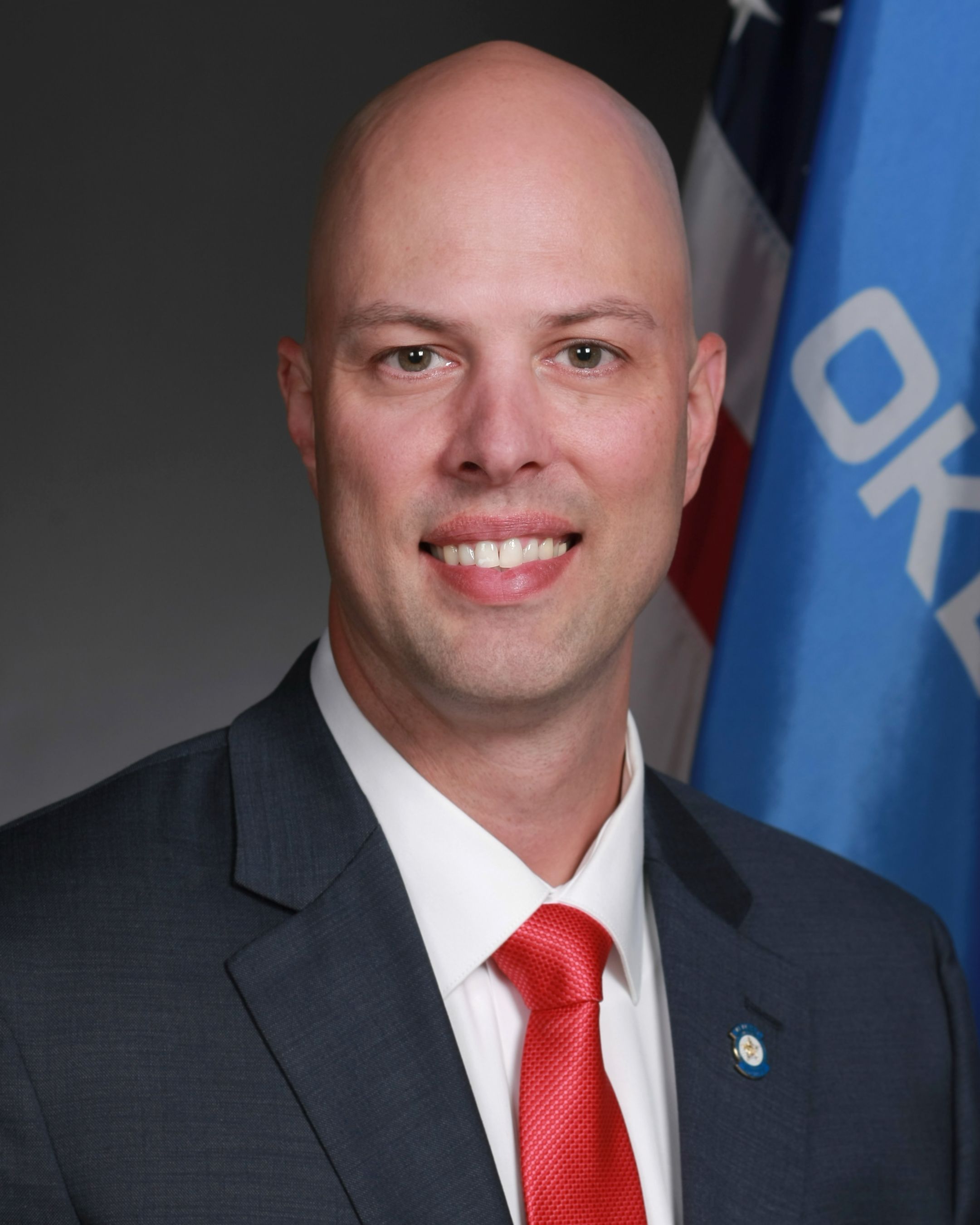
Rep. Jay Steagall
Sponsored bills
Maddy summaryHB 1009 reduces Oklahoma's individual income tax rates for tax years beginning in 2022-2024. It lowers the top marginal rate from 5.50% to 4.75% for single filers (and 5.50% to 5.25% for married couples filing jointly) on income above specific thresholds, with new brackets starting at 0.25% for the first $1,000 of taxable income. The bill directly affects all Oklahoma residents and nonresidents who file individual income tax returns. Key provisions include lowering rates across all income tiers and specifying that reductions apply to tax years ending in 2024. The bill also includes similar rate reductions for corporate income tax.
Maddy summaryHB 2824 prohibits businesses, property owners, and employers from creating or enforcing rules that ban people (except convicted felons) from storing firearms or ammunition in a locked motor vehicle on property designated for vehicles. The bill removes liability for entities that don’t restrict such storage and allows individuals to sue for violations, seeking damages, injunctions, and attorney fees. It specifically covers storage in locked vehicles on parking areas or property set aside for vehicles, while preserving existing rights to ban firearms on premises via posted signs. The law applies to all motor vehicles as defined by Oklahoma law, including cars, trucks, and motorcycles. It does not override specific prohibitions at public events or venues like sports fields during authorized events.
Maddy summarySB 819 changes how Oklahoma courts review agency decisions. It requires courts to interpret state laws and agency rules themselves (instead of accepting agency explanations) and to favor interpretations that limit agency power and protect individual rights when uncertain. The bill also prohibits civil penalties in cases where a jury trial would be available for similar private disputes. This directly affects individuals or businesses challenging agency actions and the agencies themselves facing legal reviews.
Maddy summaryHB 2821 creates the "Oklahoma Firearms Carry Act of 2025" and sets its effective date as November 1, 2025. The bill establishes this act as a new, non-codified law (meaning it won't be added to Oklahoma's official statutes). It directly affects Oklahoma residents by defining the legal framework for firearm carry under this specific act, effective from the stated date. The bill focuses solely on naming the legislation and its implementation timeline, without changing existing firearm laws.
Maddy summaryHB 2826 allows Oklahoma sheriff's offices and campus police agencies to sell unclaimed firearms (held for six months with no owner claim) through public sales, specifically authorizing licensed firearms dealers to purchase them. The bill amends Oklahoma statutes to require court approval for such sales, including public notice and a hearing if no owner appears. It maintains existing disposal methods like destruction or donation for firearms deemed unsuitable for sale, but creates a new pathway for licensed dealers to acquire unclaimed firearms. This directly affects law enforcement agencies managing unclaimed property and licensed firearms dealers seeking to purchase such items.
Maddy summaryHB 2828 creates the name "Oklahoma Criminal Procedure Act of 2025" for the state's criminal procedure framework but specifies it will not be codified in Oklahoma Statutes. The bill establishes an effective date of November 1, 2025, for this naming convention. It does not change existing criminal procedure laws or create new legal requirements. This is a purely procedural bill focused on nomenclature, not substantive policy changes.
Maddy summaryHB 2822 prohibits carrying concealed or unconcealed firearms in most government buildings, courthouses, schools (except under specific policies), public sports venues during events, and gambling facilities. It specifically allows concealed carry on Oklahoma State Fair and Tulsa State Fairgrounds during the fairs, with event organizers permitted to authorize open carry. The bill modifies school policies, allowing private schools to adopt firearm policies with liability protection for governing entities, and gives school districts limited options for designated staff to carry guns. It also defines minimum-security requirements for event spaces (like fences, staffed access points, and metal detectors) to exempt certain temporary public events from the carry ban.
Maddy summaryHB 2825, the "Firearms Manufacturing Act of 2025," establishes rules for manufacturing firearms, parts, and suppressors in Oklahoma. It defines "manufactured in Oklahoma" as using only state-sourced basic materials (excluding generic parts like screws), exempts such items from federal laws (including registration), and requires "Made in Oklahoma" stamping. The bill prohibits state and local government entities from enforcing federal firearm regulations that exceed Oklahoma law, and allows citizens to file complaints if they believe entities are unlawfully enforcing federal rules. Violations could result in denial of state grant funds and legal action by the Attorney General.
Maddy summarySB 819 amends Oklahoma's Administrative Procedures Act to change how courts review agency decisions. It requires courts to interpret statutes and rules themselves ("de novo") without deferring to agency explanations, and mandates that courts resolve ambiguities in favor of limiting agency power and protecting individual rights. The bill also prohibits civil penalties in agency enforcement actions that would otherwise qualify for a jury trial under common law. These changes apply to all administrative proceedings and take effect November 1, 2025. The bill directly affects courts, state agencies, and individuals challenging agency actions.