Issue · Technology

Technology

Every technology bill, vote, and legislator stance in Oklahoma, automatically classified by Maddy, our AI policy reader.

Total bills
159
2026 Regular Session
Top supporter
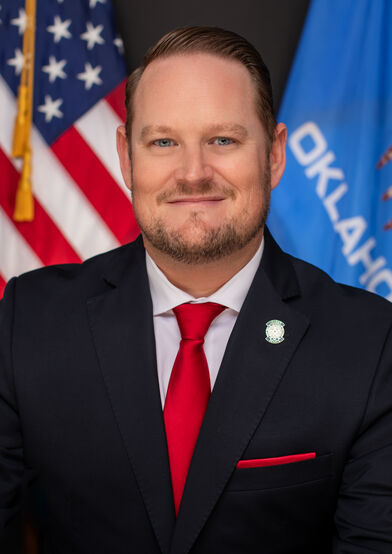
Josh West
91% support rate
Top opponent
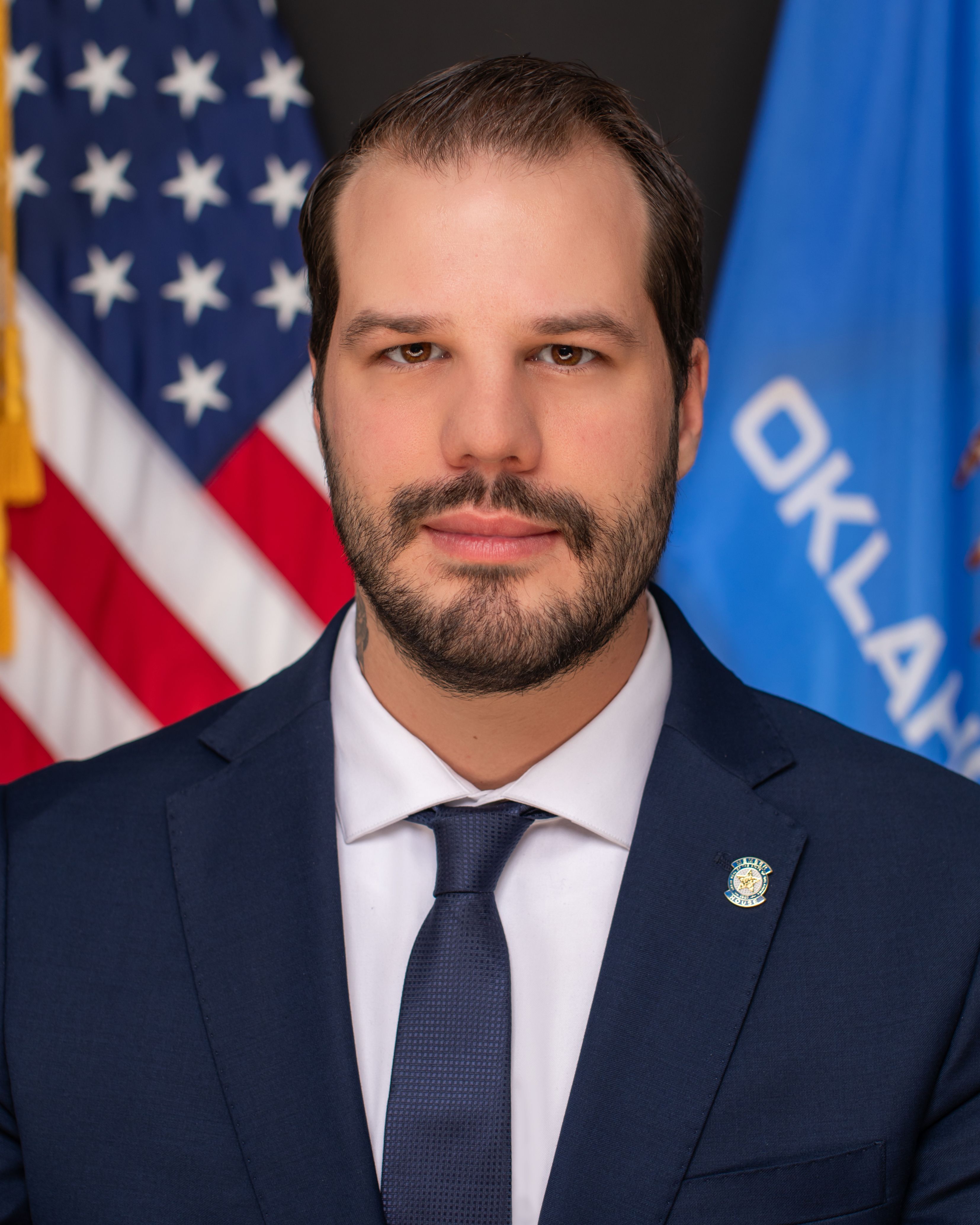
Justin Humphrey
17% support rate
Ranked legislators
10
5 support · 5 oppose
Key legislators

Who's moving technology in Oklahoma

Legislators moving technology in Oklahoma
Legislator Party Stance Support rate Votes
Josh West
Josh West House · District 5
R
Strong +
91% 140
Ken Luttrell
Ken Luttrell House · District 37
R
Strong +
90% 127
Mike Osburn
Mike Osburn House · District 81
R
Strong +
90% 173
Mark Mann
Mark Mann Senate · District 46
D
Strong +
89% 165
Toni Hasenbeck
Toni Hasenbeck House · District 65
R
Strong +
88% 151
Justin Humphrey
Justin Humphrey House · District 19
R
Strong −
17% 102
Julie McIntosh
Julie McIntosh Senate · District 3
R
Strong −
17% 142
Brian Guthrie
Brian Guthrie Senate · District 25
R
Strong −
18% 149
Gabe Woolley
Gabe Woolley House · District 98
R
Strong −
19% 180
Tom Gann
Tom Gann House · District 8
R
Strong −
19% 163
Showing 41–50 of 159 bills

All technology bills

in committee · Oklahoma · House Feb 3, 2026

HB 4083: Technology; deployers; AI chatbots; minors; age verification systems; emergency situations; effective date.

HB 4083 restricts AI chatbots from offering human-like features (such as pretending to feel emotions or build emotional bonds) to users under 18. It requires chatbot companies to implement age verification systems to prevent minors from accessing these features and mandates safety systems to detect emergencies like self-harm. Therapeutic chatbots providing mental health support may be available to minors only if approved by a licensed professional, with clear disclaimers and clinical evidence of safety. Violations can result in fines up to $7,500 per intentional violation, enforced by the Attorney General or affected minors.
signed · Oklahoma · House May 7, 2026

HB 3244: Crimes and punishments; modifying elements of certain unlawful acts; aggravated identity theft; effective date.

HB 3244 modifies Oklahoma law to strengthen penalties for patterns of criminal activity and exploitation of vulnerable individuals. It expands "pattern of criminal offenses" to include online acts (via social media, AI, or cellular networks) and adds identity theft to the list of crimes that can form a pattern, punishable by a Class D1 felony ($25,000 fine or imprisonment). The bill also increases penalties for exploiting elderly/disabled adults: theft of $100,000+ becomes a Class C1 felony, while lesser amounts trigger a Class C2 felony, with enhanced penalties for repeat exploitation. It directly affects criminals committing multiple offenses across locations or online, and those exploiting vulnerable groups (elderly, disabled, homeless, or minors) through coercion or deception.
signed · Oklahoma · House May 11, 2026

HB 3678: Crimes and punishments; electronic communication devices; threaten; intimidate; harass; public officials; municipal officials; public school board members; effective date.

HB 3678 makes it a misdemeanor to use electronic devices (like social media or text messages) to publish personal details - such as names, addresses, or Social Security numbers - of protected individuals with the intent to threaten, intimidate, or harass them. It directly affects peace officers, public officials (including municipal and school board members), election officials, medical care providers, and crime victims. Violators face up to six months in jail or a $1,000 fine for a first offense, with harsher penalties for repeat violations. The law excludes medical care provider information unrelated to their professional duties and takes effect on November 1, 2026.
in committee · Oklahoma · House Feb 3, 2026

HB 3914: Civil liberties; Civil Liberties Protection Act; definitions; state government entities; political subdivisions; prohibited actions; Attorney General; enforcement; effective date.

HB 3914, the Civil Liberties Protection Act, prohibits Oklahoma state agencies and local governments from using public funds or taking actions that assist federal efforts violating constitutional rights. It specifically bans sharing pregnancy-related data or religious affiliation information with federal authorities for enforcement purposes and invalidates existing agreements requiring such data. The law creates a legal cause of action for citizens if state entities unlawfully cooperate with federal actions, and requires the Attorney General to defend affected Oklahomans while reporting on federal requests for assistance. This bill directly affects state agencies, political subdivisions, and their contractors by restricting their interactions with federal programs.
Tags Civil Liberties
in committee · Oklahoma · House Feb 3, 2026

HB 3095: Property; Rural Landowners Protection Act; definitions; real property; shares; voting; election procedures; setback provisions; effective date.

HB 3095, the Rural Landowners Protection Act, requires landowner approval for certain large-scale projects like wind energy facilities, data centers, battery storage, and carbon capture operations. It directly affects landowners within a 5-mile radius of these projects, granting each parcel one voting share. Projects need approval from at least two-thirds of all affected landowners through a county-administered election, with a 30-day window for voting after application. Failed projects cannot be resubmitted for landowner approval for three years. The bill takes effect November 1, 2026.
Sub-Topics Energy Storage Wind
in committee · Oklahoma · Senate Mar 4, 2026

SB 1923: Prisons and reformatories; prohibiting access to social media by inmates. Effective date.

SB 1923 prohibits inmates in Oklahoma prisons and reformatories from accessing social media platforms on any electronic devices provided by the Department of Corrections (like phones, tablets, or computers). The bill defines "social media platform" as websites enabling user-generated content and interaction, such as Facebook or Instagram. The Department of Corrections must create specific rules to implement this ban, which takes effect November 1, 2026. This policy directly affects all inmates in state correctional facilities by restricting their use of social media during incarceration.
Sub-Topics Social Media
passed · Oklahoma · House Apr 1, 2026

HB 3545: Technology; artificial intelligence; state agencies; prohibited uses; permitted uses; Office of Management and Enterprise Services; effective date.

HB 3545 restricts how Oklahoma state agencies can use artificial intelligence, directly affecting all state departments, commissions, and offices. It prohibits AI from manipulating behavior, enabling discriminatory classification, conducting general public surveillance via facial recognition (except for locating missing persons), or creating malicious deepfakes. The bill requires human review and approval for high-risk AI decisions (like benefits or legal rights), mandates disclosure when AI generates content, and requires agencies to inform users they're interacting with AI. Agencies must remove prohibited systems by September 2027, report compliance to the Office of Management and Enterprise Services (OMES), and submit annual reports detailing AI use starting December 2026.
in committee · Oklahoma · Senate Feb 3, 2026

SB 2085: Artificial intelligence; establishing certain rights; prohibiting certain actions by certain entities; requiring certain actions by certain entities. Effective date.

SB 2085 establishes new rules for artificial intelligence in Oklahoma, primarily affecting residents who use AI chatbots and companies providing AI services. It prohibits companion chatbot platforms from serving minors without parental controls, requiring them to offer parents options to manage their child’s account, terminate inappropriate interactions, and disclose privacy practices. The bill also bans AI companies from selling user data without consent, using someone’s likeness in AI-generated content without permission, and restricts state government contracts with AI entities. Violations could trigger civil penalties, and the Oklahoma Attorney General would enforce these provisions.
signed · Oklahoma · Senate May 29, 2026

SB 1531: Aerospace, aircraft, and aviation infrastructure; authorizing the Oklahoma Department of Aerospace and Aeronautics to take certain actions. Effective date.

SB 1531 establishes the Oklahoma Department of Aerospace and Aeronautics as a state clearinghouse for drone (UAS) and advanced air mobility (AAM) technology. The bill authorizes the department to coordinate drone/AAM infrastructure development by maintaining registries for state agency drones and training programs, planning vertiport sites, creating detection systems, and partnering with cities, counties, and federal agencies. It directly affects state agencies using drones, educational institutions offering drone training, and local governments developing drone infrastructure. The law aims to streamline Oklahoma’s integration of drone/AAM technology into aviation systems through centralized planning and state-led coordination.
signed · Oklahoma · House May 4, 2026

HB 3622: 2030 Census; creating the U.S. Decennial Census Revolving Fund; establishing fund at Commerce; deeming funds appropriated; requirements and limitations; effective date.

HB 3622 appropriates $500,000 from Oklahoma's General Revenue Fund to the Oklahoma Department of Commerce for preparing for the 2030 Decennial Census. The funds are specifically designated for technology improvements to support census operations. This bill directly affects state agencies responsible for census coordination, ensuring Oklahoma is prepared for the nationwide count. It becomes effective July 1, 2026, and was declared an emergency to expedite funding.
Sub-Topics Revenue
Showing 41 to 50 of 159 bills
Previous 1 4 5 6 16 Next