Issue · Technology

Technology (Data Privacy)

Every technology bill, vote, and legislator stance in Oklahoma, automatically classified by Maddy, our AI policy reader.

Total bills
24
2026 Regular Session
Top supporter
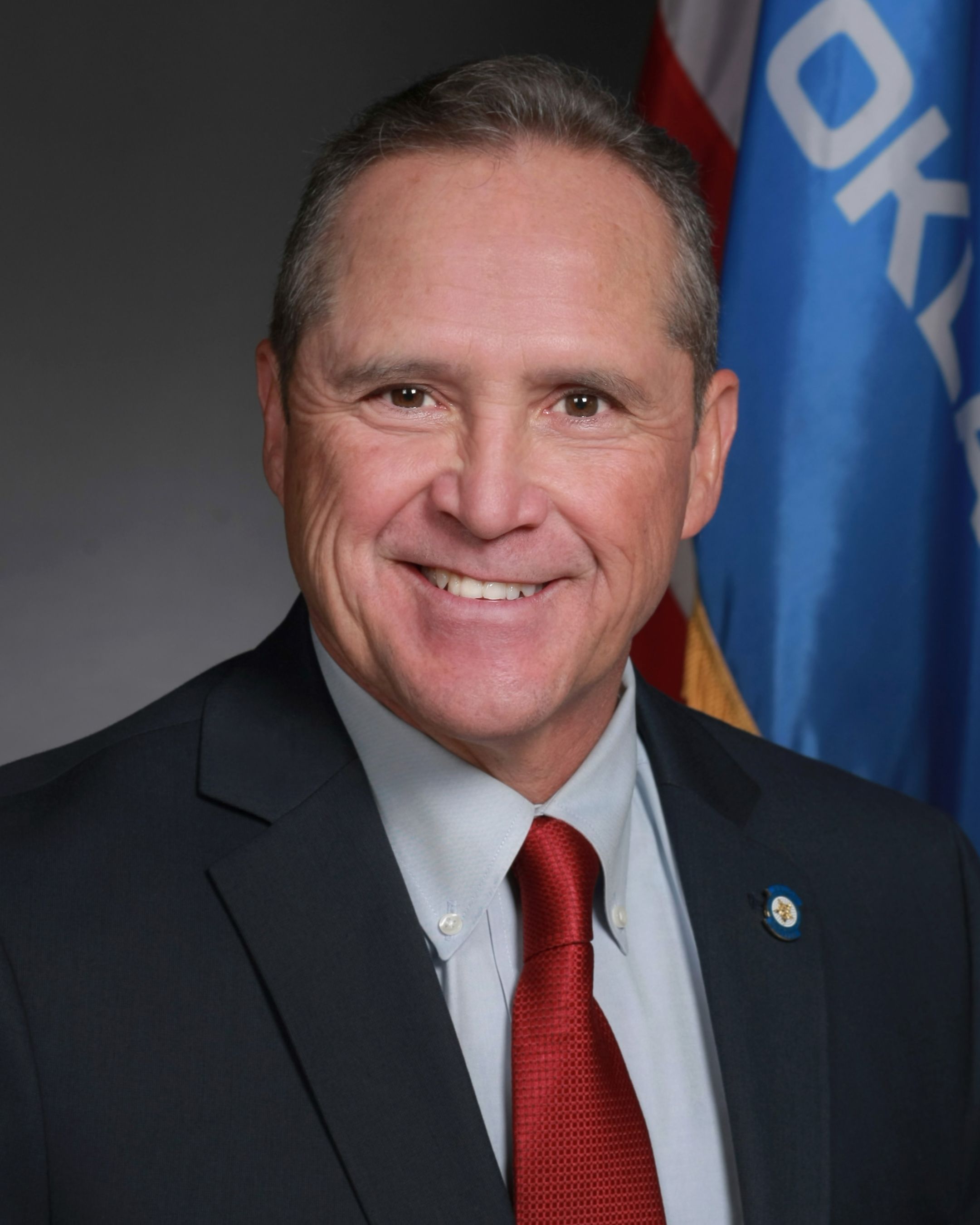
Danny Sterling
100% support rate
Top opponent
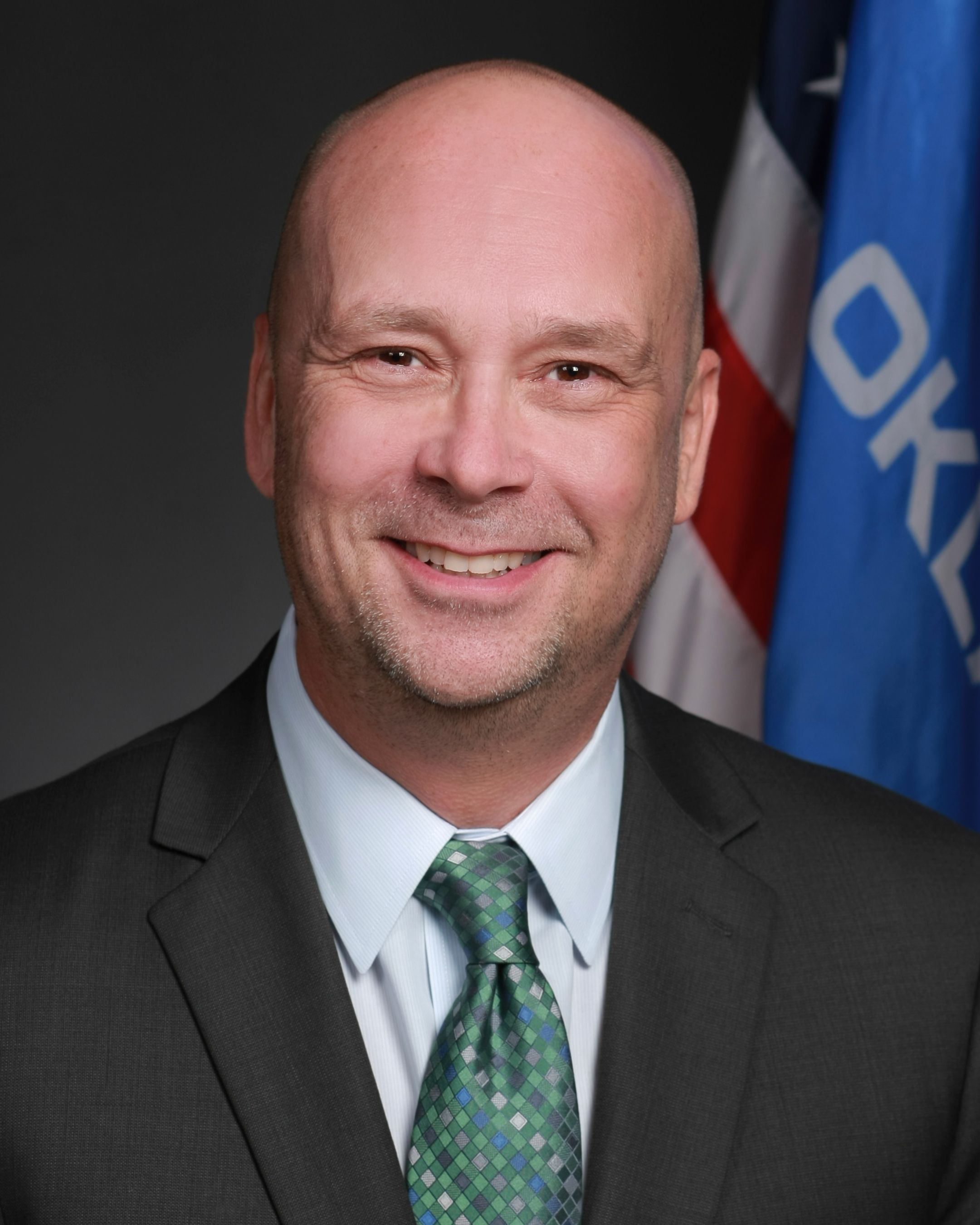
Gabe Woolley
0% support rate
Ranked legislators
10
5 support · 5 oppose
Key legislators

Who's moving data privacy in Oklahoma

Legislators moving data privacy in Oklahoma
Legislator Party Stance Support rate Votes
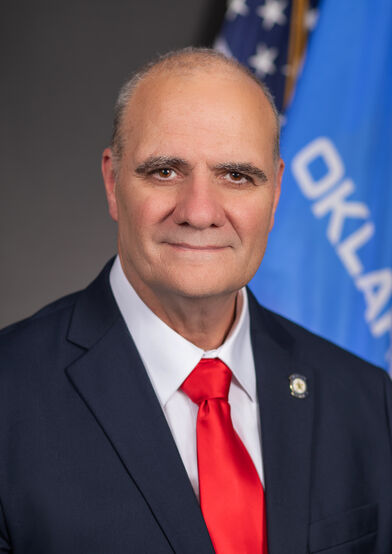
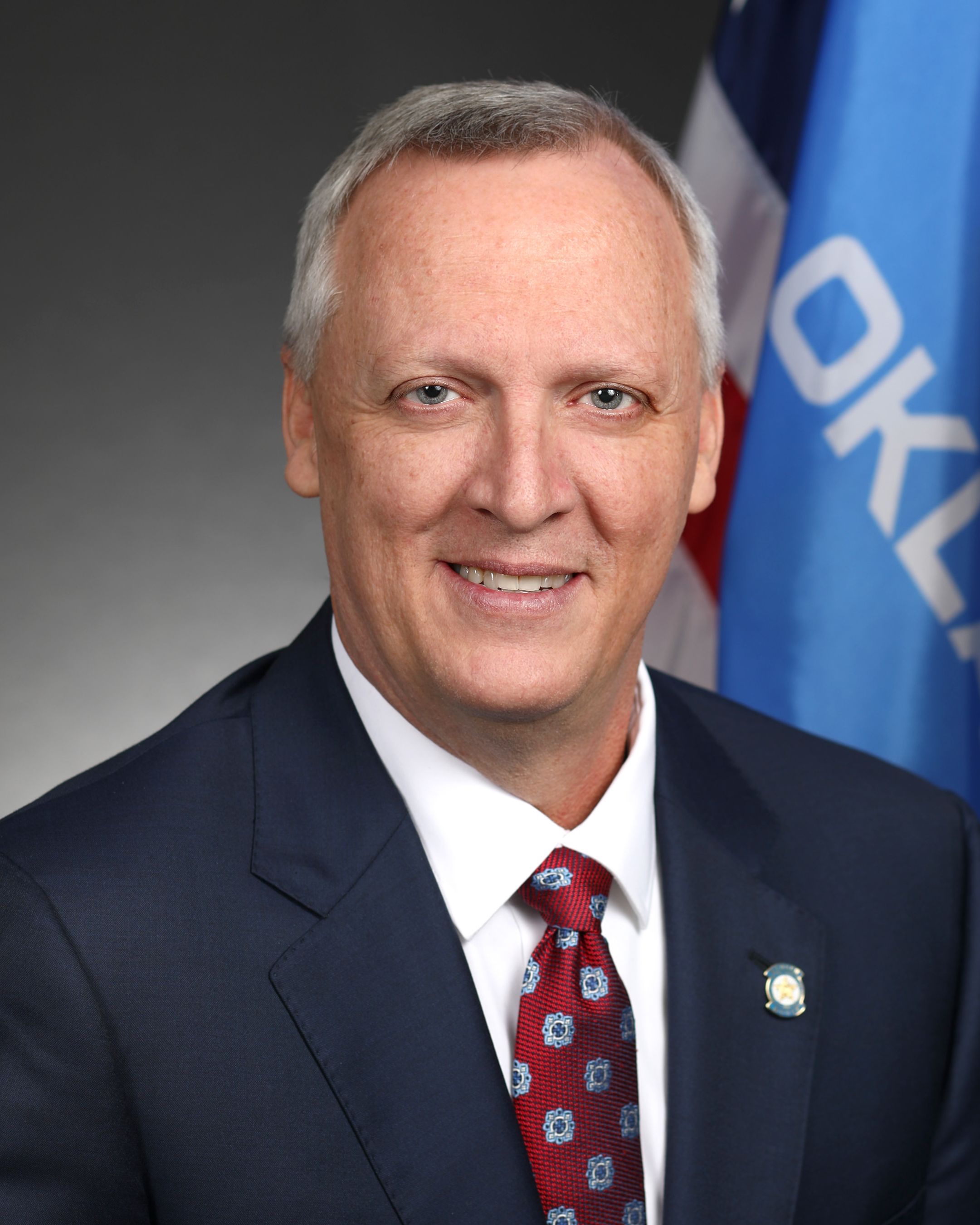
Danny Sterling
Danny Sterling House · District 27
R
Strong +
100% 9
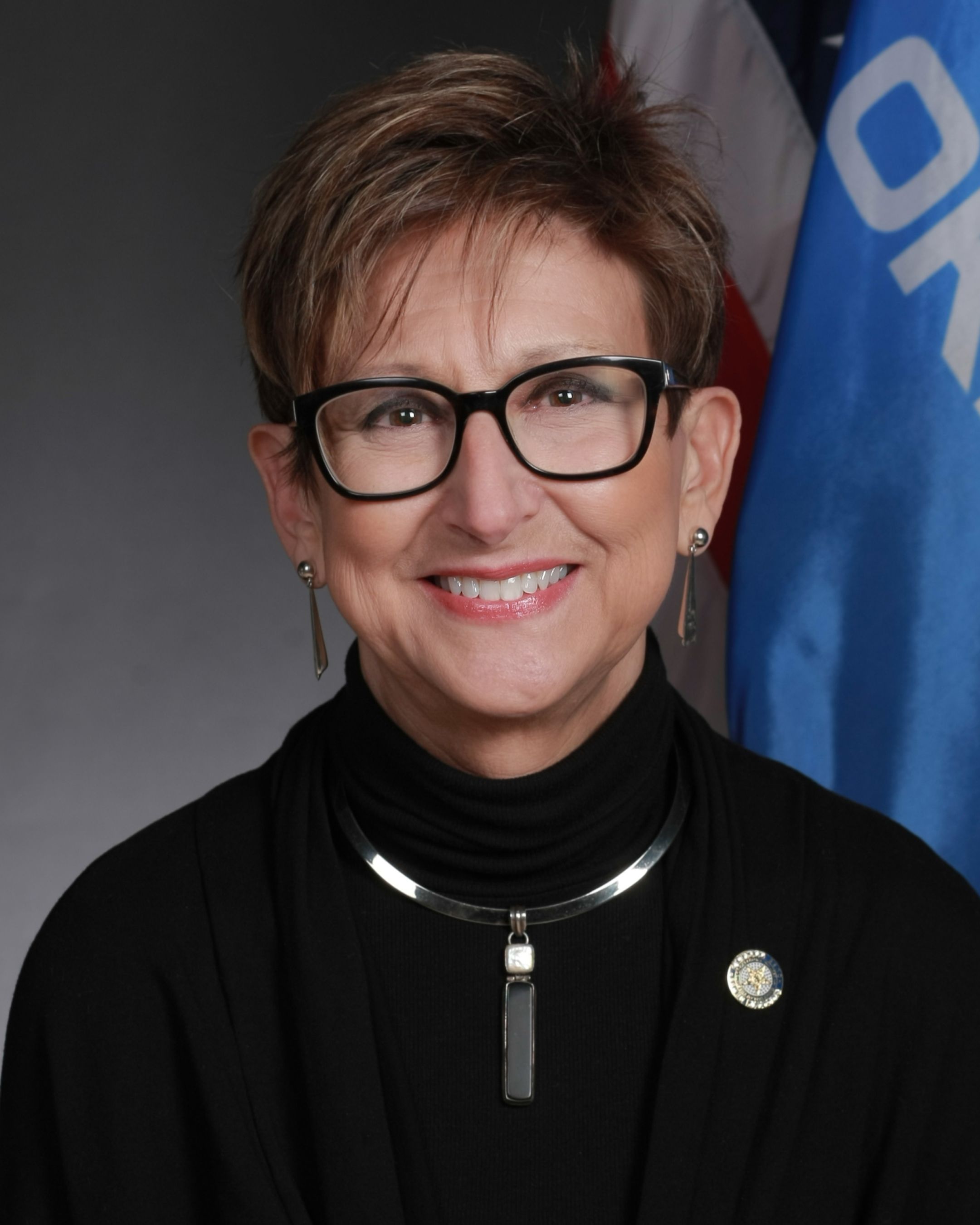
Meloyde Blancett
Meloyde Blancett House · District 78
D
Strong +
100% 9
Mike Osburn
Mike Osburn House · District 81
R
Strong +
100% 9
Ronny Johns
Ronny Johns House · District 25
R
Strong +
100% 9
Daniel Pae
Daniel Pae House · District 62
R
Strong +
100% 8
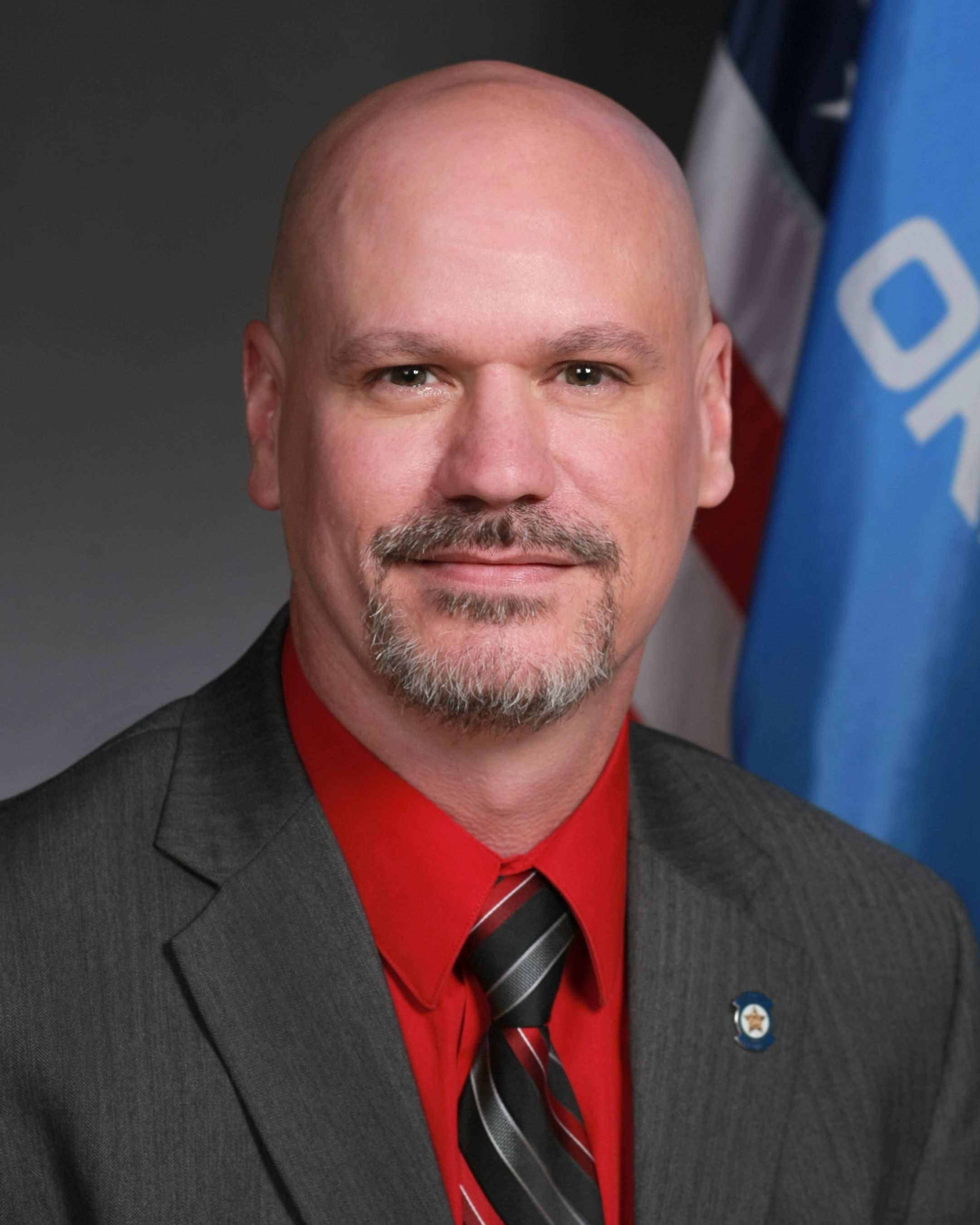
Gabe Woolley
Gabe Woolley House · District 98
R
Strong −
0% 8
Jim Grego
Jim Grego House · District 17
R
Strong −
0% 8
Kevin West
Kevin West House · District 54
R
Strong −
0% 8
Gerrid Kendrix
Gerrid Kendrix House · District 52
R
Strong −
0% 7
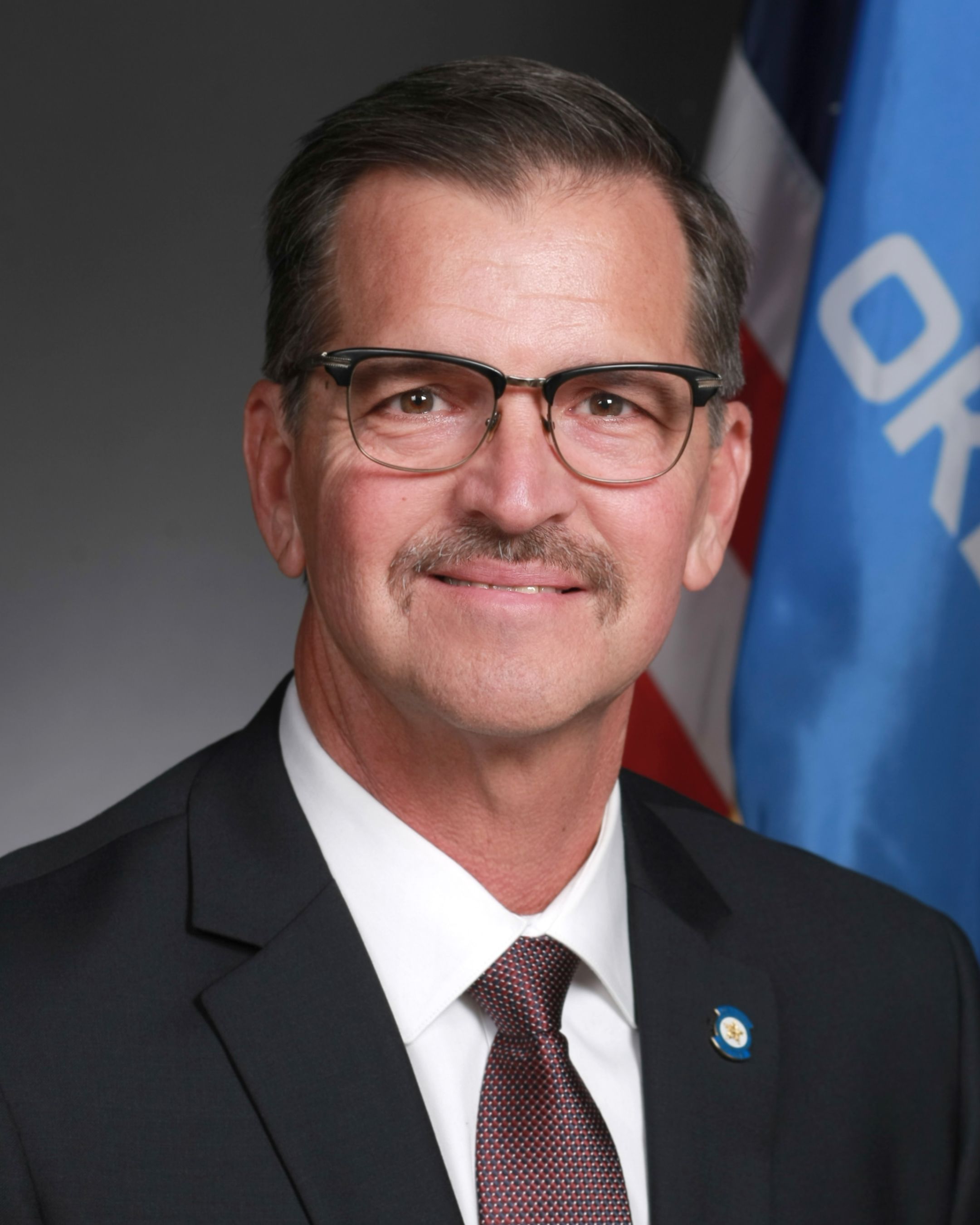
Jim Shaw
Jim Shaw House · District 32
R
Strong −
0% 7
Showing 1–10 of 24 bills

All technology bills

passed both · Oklahoma · Senate Apr 29, 2026

SB 1521: Artificial intelligence; definitions; requiring operators make certain disclosure; preventative measures for minor account holders; prohibitions; enforcement authority to Attorney General; civil penalty. Effective date.

Oklahoma's SB 1521 prohibits AI chatbots designed to simulate emotional relationships (called "companion" chatbots) if they risk encouraging minors to engage in sexual content, self-harm, or violence. It requires all AI chatbot providers to implement verified age checks using state-issued ID (not just birth dates) before allowing access, and bans minors from using companion chatbots. The bill also mandates that chatbots clearly disclose they are AI at the start of each conversation and every 30 minutes, while restricting data collection and prohibiting the sharing of age verification information. These rules apply to any AI chatbot service operating in Oklahoma, with enforcement by the Attorney General.
in committee · Oklahoma · Senate Apr 14, 2026

SB 1488: Corporation Commission; establishing moratorium; requiring certain study.

SB 1488 establishes a moratorium on building new data centers (defined as facilities with 100+ megawatts of capacity) in Oklahoma until November 1, 2029. The bill requires the Corporation Commission to study data centers' impacts on water supplies, utility rates, nearby property values, and security, and to recommend regulations for grid health, environmental protection, and data privacy. The Commission must submit an electronic report with findings and recommendations to the Legislature before the moratorium ends. This directly affects data center developers and operators seeking to expand in Oklahoma, while delaying new construction to allow for regulatory analysis.
Sub-Topics Data Privacy
passed · Oklahoma · Senate Apr 6, 2026

SB 1716: Security Breach Notification Act; prohibiting class action liability for private entity for cybersecurity event; providing exceptions. Effective date.

SB 1716 amends Oklahoma's Security Breach Notification Act to limit class action lawsuits against private entities following cybersecurity breaches. It prohibits class action liability unless a breach results from the entity's "willful and wanton conduct or gross negligence." The bill also clarifies that private entities using reasonable safeguards and providing required breach notices cannot be held liable for civil penalties, while those failing to use reasonable safeguards face reduced penalties ($75,000) but not class actions. This directly affects businesses and organizations handling personal data in Oklahoma, shifting enforcement exclusively to the Attorney General or district attorneys for most cases.
died · Oklahoma · House Feb 4, 2026

HB 3959: Technology; Protecting Consumers and Jobs from Predatory Pricing Act; personalized algorithmic pricing; consumer data; food retailers; effective date.

HB 3959 prohibits large food retailers (over 15,000 sq ft) from using personalized algorithmic pricing that targets consumers based on their data, including requiring clear disclosures like "THIS PRICE WAS SET BY AN ALGORITHM USING YOUR PERSONAL DATA." It bans electronic shelf labels (ESLs) in these stores, mandating physical price tags instead, and prohibits collecting data on minors under 17 for pricing. The bill also forbids using protected class data (like race, gender, or disability) to set different prices for goods, preventing discriminatory pricing practices. These rules directly affect major grocery chains and aim to increase transparency in pricing strategies.
passed · Oklahoma · House Apr 13, 2026

HB 3647: Health information; creating the Oklahoma Health Care Transparency Initiative Act of 2026; requiring and authorizing submission of certain data; providing data privacy and security protections; providing penalties; establishing Health Care Cost Transparency Board.

HB 3647 creates the "Oklahoma Health Care Transparency Initiative" requiring most licensed health care providers in Oklahoma to submit anonymized claims and enrollment data to a state-designated health information exchange starting July 1, 2026. It establishes an Office within the Oklahoma Health Care Authority to oversee the initiative, with limited exemptions for providers facing financial hardship, small practice size, or technological limitations. The law mandates strict confidentiality and privacy protections for patient data, aligning with federal standards like HIPAA, and prohibits misuse of the collected information. This initiative aims to build a centralized database for health care cost and utilization data, primarily affecting hospitals, clinics, and insurers participating in Oklahoma's health care system.
Sub-Topics Data Privacy
died · Oklahoma · House Feb 4, 2026

HB 3547: Schools; Parent Data Sovereignty Act of 2026; legislative findings; definitions; prohibiting student data use or transfer for commercial purposes; parental rights to student data; opt out; Data Transparency Portal; contractors and vendors protection of data; violations; rules; effective date.

HB 3547, the Parent Data Sovereignty Act of 2026, gives parents legal control over their minor children's personally identifiable educational data collected by Oklahoma schools and state education agencies. It prohibits schools and contractors from selling, licensing, or using student data for commercial purposes without parental consent, requires schools to provide parents with full access to their child's data and opt-out options for non-essential data collection, and mandates a public Data Transparency Portal listing all collected data elements and sharing agreements. The bill also requires contractors handling student data to follow strict security protocols and face civil penalties of up to $10,000 per violation for unauthorized data use or disclosure. These provisions directly affect parents of K-12 students and all public schools or vendors collecting student data in Oklahoma.
Sub-Topics Data Privacy
in committee · Oklahoma · Senate Feb 12, 2026

SB 1871: Social media; requiring certain age verification; mandating the segregation of certain user data; requiring certain parental consent. Emergency.

SB 1871 requires social media platforms operating in Oklahoma to verify the age of users using state-issued ID (not just birth dates) and obtain parental consent for users under 18. Platforms must segregate minors' personal data, set default privacy settings to restrict visibility to "connected accounts" (like family/friends), disable search indexing of minor profiles, and limit data sharing. It mandates platforms to freeze existing accounts and verify ages by a specified deadline, with strict security measures for minor user data. The bill directly affects all social media platforms serving Oklahoma residents, minors under 18, and their parents/guardians who must provide consent.
signed · Oklahoma · Senate May 13, 2026

SB 1734: Schools; creating the Oklahoma Responsible Technology in Schools Act; requiring development of guidance for use of artificial intelligence and emerging technologies. Effective date. Emergency.

SB 1734, the Oklahoma Responsible Technology in Schools Act, restricts AI tool use in public schools to educator-supervised settings, requiring all classroom AI applications to operate under teacher oversight ("human-in-the-loop") with educators reviewing outputs before use in instruction or assessment. It prohibits AI from determining high-stakes outcomes like grading, discipline, or student placement, and mandates school districts to adopt policies by the 2027-2028 school year covering data privacy, appropriate use, and transparency for families. The State Department of Education must develop guidance to help districts comply, while ensuring AI tools meet federal privacy laws (like FERPA) and minimize student data sharing. The bill takes effect July 1, 2026, and does not compel schools to adopt AI but sets guardrails for its responsible use.
in committee · Oklahoma · Senate Feb 3, 2026

SB 1972: Internet; creating the Oklahoma Children's Internet Protection Act. Effective date.

SB 1972, the Oklahoma Children's Internet Protection Act, requires online platforms (interactive computer service providers) to obtain parental or guardian consent before entering contracts with minors under 18. It prohibits platforms from sharing minors' personal information - including names, images, location data, or likeness - without this consent. Platforms must verify parental consent through specific methods like signed forms, video calls, or verified email. Violations can result in civil penalties enforced by the Oklahoma Attorney General.
passed · Oklahoma · House Apr 16, 2026

HB 3380: Children; Fostering the Future for Oklahoman Children and Families Act; Department of Human Services; tasks; time period; authority or functions; departments or agencies; applicable laws; report; codification; effective date.

HB 3380, the "Fostering the Future for Oklahoman Children and Families Act," requires Oklahoma's Department of Human Services (DHS) to modernize child welfare systems within 180 days of its effective date. It mandates improved data collection and transparency, expansion of AI-driven tools for caregiver matching and funding efficiency, and annual public scorecards tracking outcomes like reducing foster care duration and improving child safety. The bill also directs DHS to create a new initiative supporting youth transitioning from foster care through online resource platforms, educational scholarships, and reallocated funding for job training. Additionally, it requires DHS to address religious accommodations for faith-based partners and foster family placements. The law takes effect November 1, 2026.
Showing 1 to 10 of 24 bills
1 2 3 Next