Issue · Labor & Employment

Labor & Employment

Every labor & employment bill, vote, and legislator stance in Oklahoma, automatically classified by Maddy, our AI policy reader.

Total bills
249
2026 Regular Session
Top supporter
Mark Lawson
87% support rate
Top opponent
Shane Jett
21% support rate
Ranked legislators
10
5 support · 5 oppose
Key legislators

Who's moving labor & employment in Oklahoma

Legislators moving labor & employment in Oklahoma
Legislator Party Stance Support rate Votes
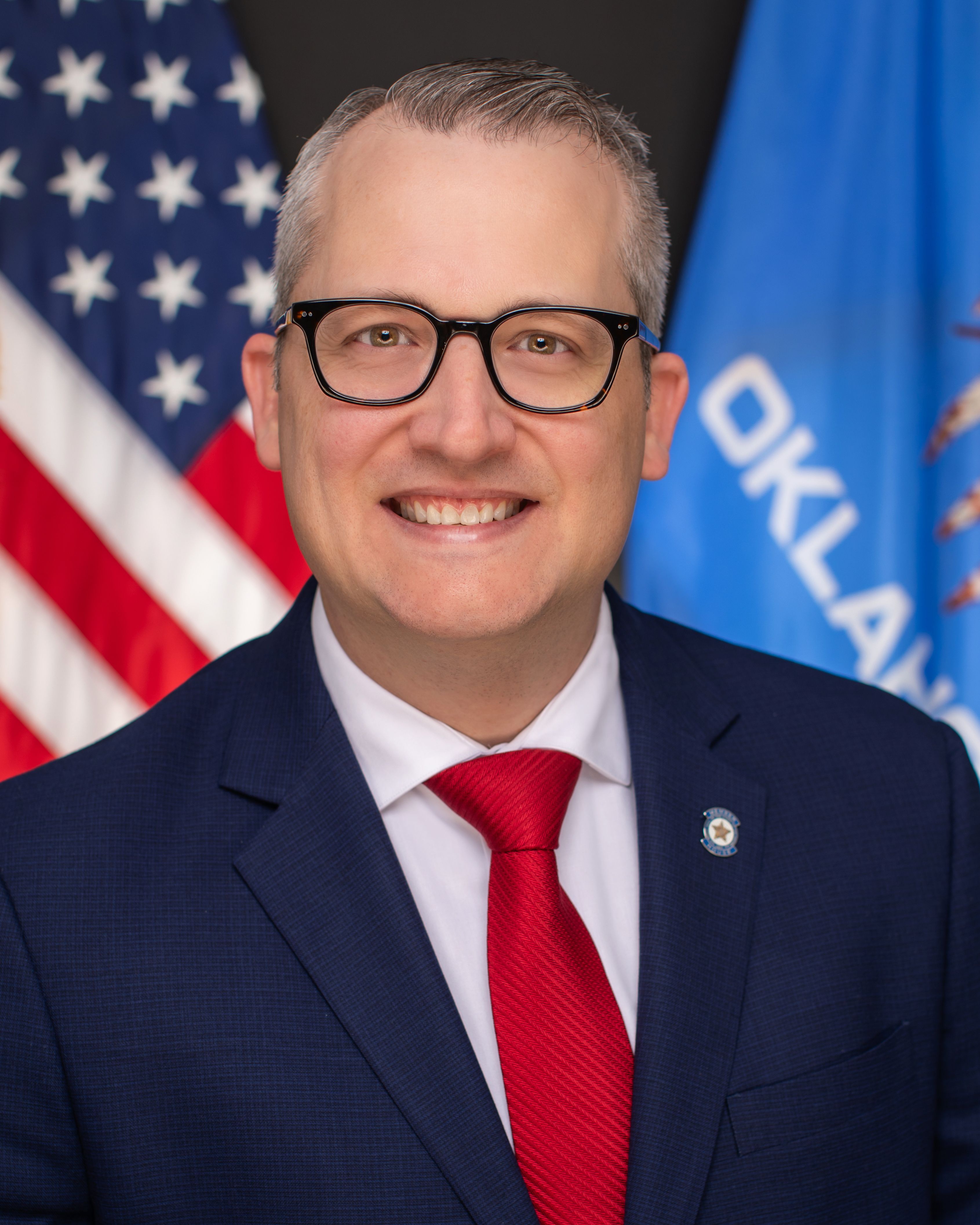
Mark Lawson
Mark Lawson House · District 30
R
Strong +
87% 175
John George
John George House · District 36
R
Strong +
86% 201
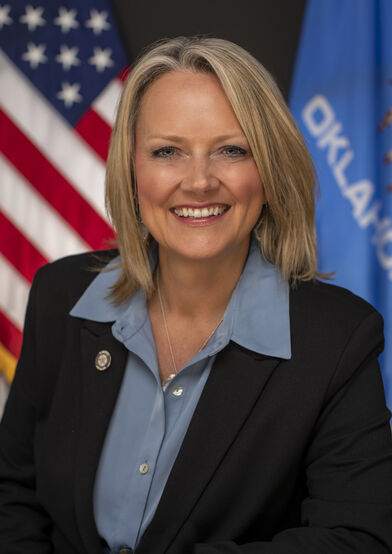
Christi Gillespie
Christi Gillespie Senate · District 33
R
Strong +
86% 174
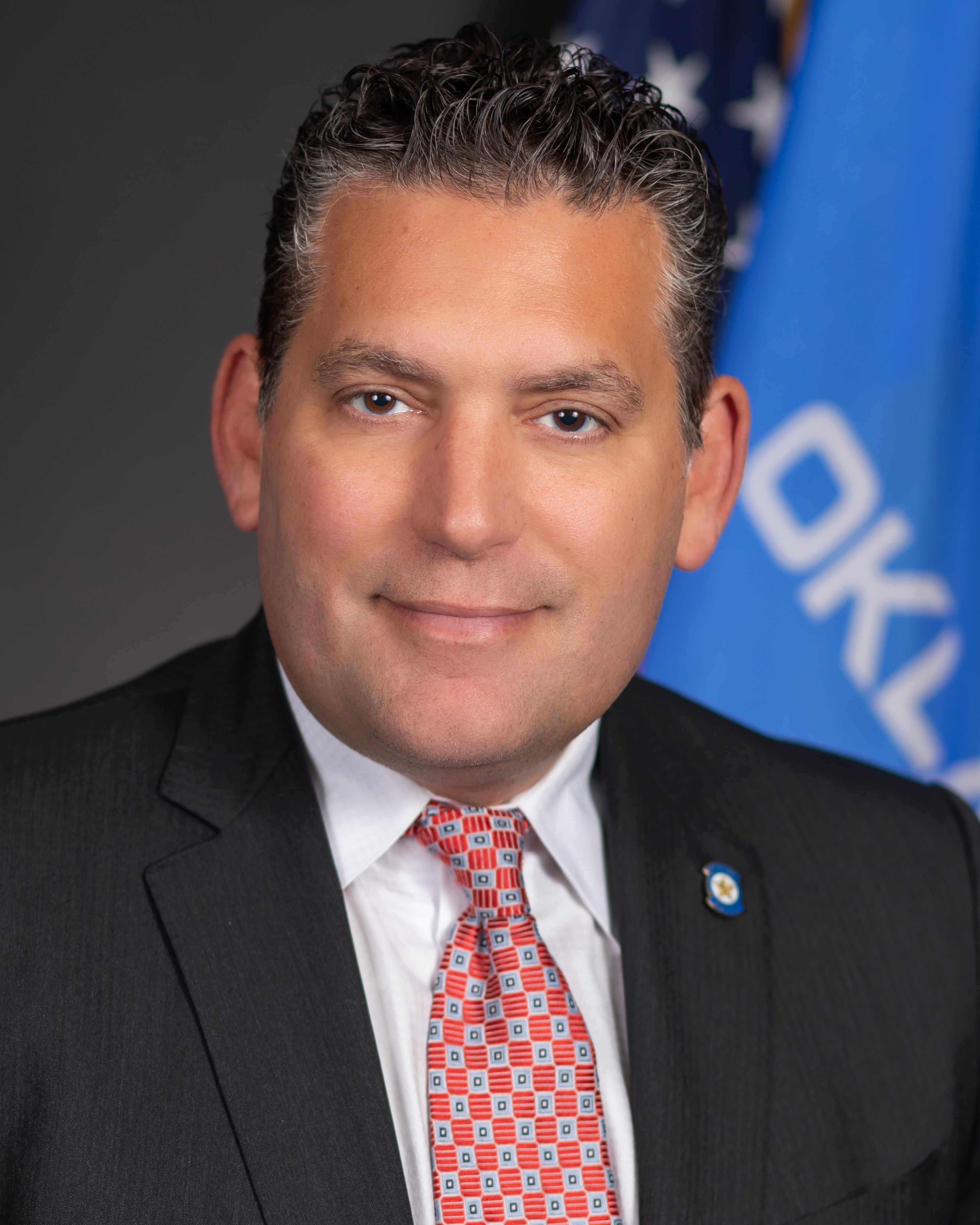
Mark Tedford
Mark Tedford House · District 69
R
Strong +
86% 141
Aaron Reinhardt
Aaron Reinhardt Senate · District 37
R
Strong +
85% 192
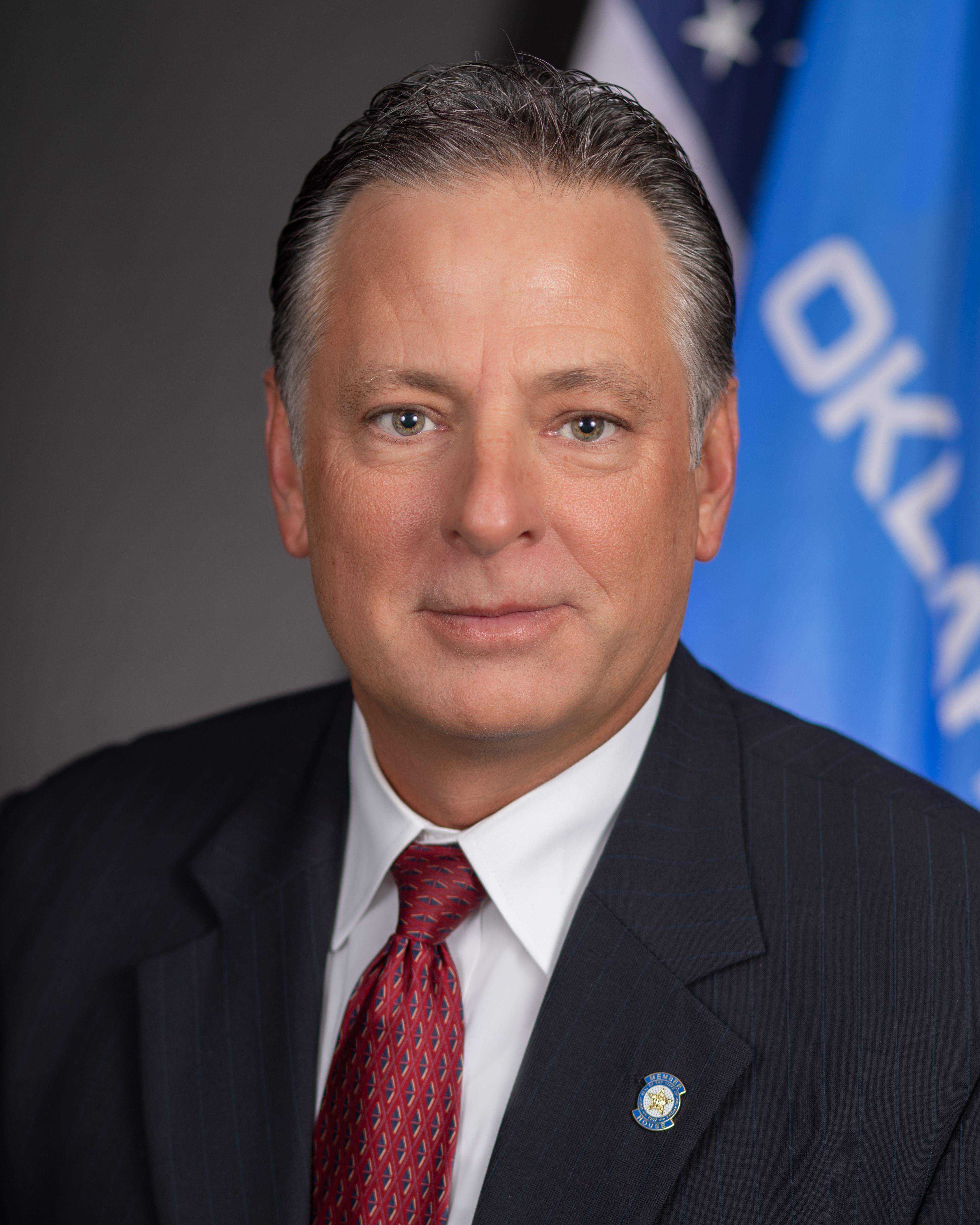
Shane Jett
Shane Jett Senate · District 17
R
Oppose
21% 175
Tom Gann
Tom Gann House · District 8
R
Oppose
22% 201
Rick West
Rick West House · District 3
R
Oppose
25% 196
Molly Jenkins
Molly Jenkins House · District 33
R
Oppose
28% 193
Jim Shaw
Jim Shaw House · District 32
R
Oppose
28% 207
Showing 201–210 of 249 bills

All labor & employment bills

in committee · Oklahoma · Senate Mar 6, 2025

SB 254: Paid family and medical leave; authorizing the Department of Labor to contract with a qualified third-party actuary for certain purpose. Effective date.

SB 254 requires Oklahoma's Department of Labor to hire an independent actuary by January 2027 to analyze the costs and structure of a potential paid family and medical leave program. The study will examine key factors like coverage for all workers (including self-employed), premium costs shared by workers and employers, wage replacement rates for low-income workers, and administrative expenses, using data from other states. It does not create the leave program itself but mandates a detailed cost analysis to inform future decisions. The actuary must model at least two program designs and report findings publicly within 30 days of completion. This study is a prerequisite step before any implementation of a state-run paid leave system.
Sub-Topics Paid Leave
in committee · Oklahoma · House Feb 4, 2025

HB 1842: Workers' compensation; mental health-related injuries; first responders; service weapon; CLEET certification; effective date.

HB 1842 modifies Oklahoma's workers' compensation rules for mental health injuries affecting first responders. It removes the requirement for a physical injury to claim PTSD-related compensation for law enforcement officers, firefighters, and EMTs responding to emergencies. The bill limits mental injury disability benefits to 52 weeks (with 26 weeks for initial coverage), caps medical treatment costs at $10,000, and requires employers to suspend CLEET certification and collect service weapons during disability. This directly affects full-time and volunteer first responders whose mental health conditions arise from emergency response duties.
in committee · Oklahoma · Senate Feb 4, 2025

SB 938: Buildings and zoning; creating the Municipal Workforce Housing Development Grant Program Act. Effective date. Emergency.

SB 938 creates a state grant program to help Oklahoma municipalities increase workforce housing availability. Workforce housing is defined as housing for households earning 60% to 120% of the county's median income. Municipalities must submit a detailed plan covering current housing supply, projected needs, land use, and existing programs to qualify for one-time grants administered by the Oklahoma Housing Finance Agency. The program uses a new revolving fund in the state treasury, funded by state appropriations and private donations, and requires grantees to submit quarterly progress reports and repay funds if they fail to meet agreement terms. The law takes effect July 1, 2025.
passed · Oklahoma · House Apr 16, 2025

HB 1424: Cities and towns; unfair labor practice; Public Employees Relations Board; arbitrator selection; fees and expenses; effective date.

HB 1424 establishes a new process for resolving unfair labor practice claims between cities/towns (local government employers) and public employee unions. It requires written notification of alleged unfair labor practices within six months, followed by a specific three-step arbitrator selection process: each party selects one arbitrator within 10 days, they jointly select a third (or use the Federal Mediation Service if needed), and the third serves as chair. The bill specifies that the first two arbitrators' fees are paid by their respective sides, while the third arbitrator's reasonable fees are shared equally. This process applies to interest arbitration, unfair labor practice disputes, and union certification matters.
in committee · Oklahoma · Senate Feb 4, 2025

SB 1013: Workers' compensation; expanding certain rights and remedies. Effective date.

SB 1013 expands workers' compensation rights in Oklahoma by clarifying when injured workers can sue employers outside the standard compensation system. It allows workers to pursue court claims if their employer fails to pay required compensation or if the injury results from an intentional tort (defined as deliberate harm with specific intent, not just negligence). The bill also clarifies contractor responsibilities, specifying that general contractors must provide workers' compensation coverage for subcontractors and defining terms like "general contractor" and "subcontractor" to prevent disputes over insurance coverage. This directly affects injured workers, employers (particularly in construction), and contractors who must now meet clearer insurance requirements. The changes aim to balance employer liability while ensuring workers have legal recourse in specific, documented cases of non-payment or intentional harm.
in committee · Oklahoma · Senate Mar 12, 2025

SB 508: Schools; making certain whistleblower protections applicable to support employees. Effective date. Emergency.

SB 508 expands existing whistleblower protections for Oklahoma teachers to include school support staff (like cafeteria workers, custodians, and administrative aides). It prohibits school districts from disciplining these employees for reporting violations of law, the Oklahoma Constitution, or safety concerns - whether disclosed directly to supervisors, school boards, or state education officials. Schools must prominently post this protection policy, while still respecting student privacy under FERPA. The bill takes effect July 1, 2025, and is designated an emergency measure.
passed · Oklahoma · House Apr 1, 2026

HB 1889: Public retirement systems; Oklahoma Pension Legislation Actuarial Analysis Act; Firefighters Pension and Retirement Board and Police Pension and Retirement Board; benefit adjustment; effective dates; contingent effective dates; emergency.

HB 1889 adjusts retirement benefits for a specific group of Oklahoma public employees called "Tweeners" who retired before 1989 or 1990 without 20 years of service by May 1983. It requires the Pension and Retirement Board to calculate a cost-of-living adjustment based on inflation (measured by the Consumer Price Index) to restore 100% of lost benefits due to price increases since their retirement start date. The adjustment applies to Tweeners receiving benefits as of June 30, 2025, and becomes effective July 1, 2025. This bill directly affects approximately 1,200 retired public employees in Oklahoma's state retirement systems who were previously ineligible for full inflation adjustments.
signed · Oklahoma · House May 5, 2025

HB 1187: Oklahoma Employees Insurance and Benefits Act; opt-out option; removing group insurance; effective date.

HB 1187 allows Oklahoma state employees to opt out of the state's basic health and dental insurance plans if they have separate group coverage, while retaining life and disability benefits. To opt out, employees must provide proof of their separate coverage and sign an annual affidavit, and they receive $150 instead of the flexible benefit amount they would otherwise receive. The state retains any savings from employees opting out of health coverage. This bill directly affects eligible state employees who qualify for separate group insurance and takes effect November 1, 2025.
in committee · Oklahoma · Senate Feb 19, 2026

SB 716: Oklahoma Police Pension and Retirement System; increasing employer contribution. Effective date. Emergency.

SB 716 increases the required pension contribution rate for Oklahoma police officers from 8% to 11% of base salary, effective July 1, 2025. It directly affects police officers in the Oklahoma Police Pension and Retirement System and their employing municipalities. The bill requires municipalities to pay the full 11% contribution (previously deducted from officers' salaries) instead of the officers, with payments due online within 10 days of payroll. Municipalities must pay this directly to the pension system, and late payments incur a 5% monthly charge. This change applies to all police officers whose compensation was earned after December 31, 1988.
in committee · Oklahoma · Senate Feb 4, 2025

SB 781: Wages; creating the Oklahoma Earned Wages Access Services Act; allowing an earned wage access services provider to provide certain services. Effective date.

SB 781 establishes the Oklahoma Earned Wages Access Services Act, regulating companies that let workers access earned but unpaid wages (like salary or hourly pay) before their regular payday. It requires providers to clearly disclose all fees, offer at least one no-cost option for accessing wages, and not link services to voluntary tips or donations. Providers must follow privacy laws and refund consumer overdraft fees if they incorrectly attempt repayment through bank accounts. This bill directly affects Oklahoma workers using these services and the companies offering them.
Sub-Topics Labor Standards
Showing 201 to 210 of 249 bills
Previous 1 20 21 22 25 Next