Issue · Healthcare

Healthcare

Every healthcare bill, vote, and legislator stance in Oklahoma, automatically classified by Maddy, our AI policy reader.

Total bills
547
2026 Regular Session
Top supporter
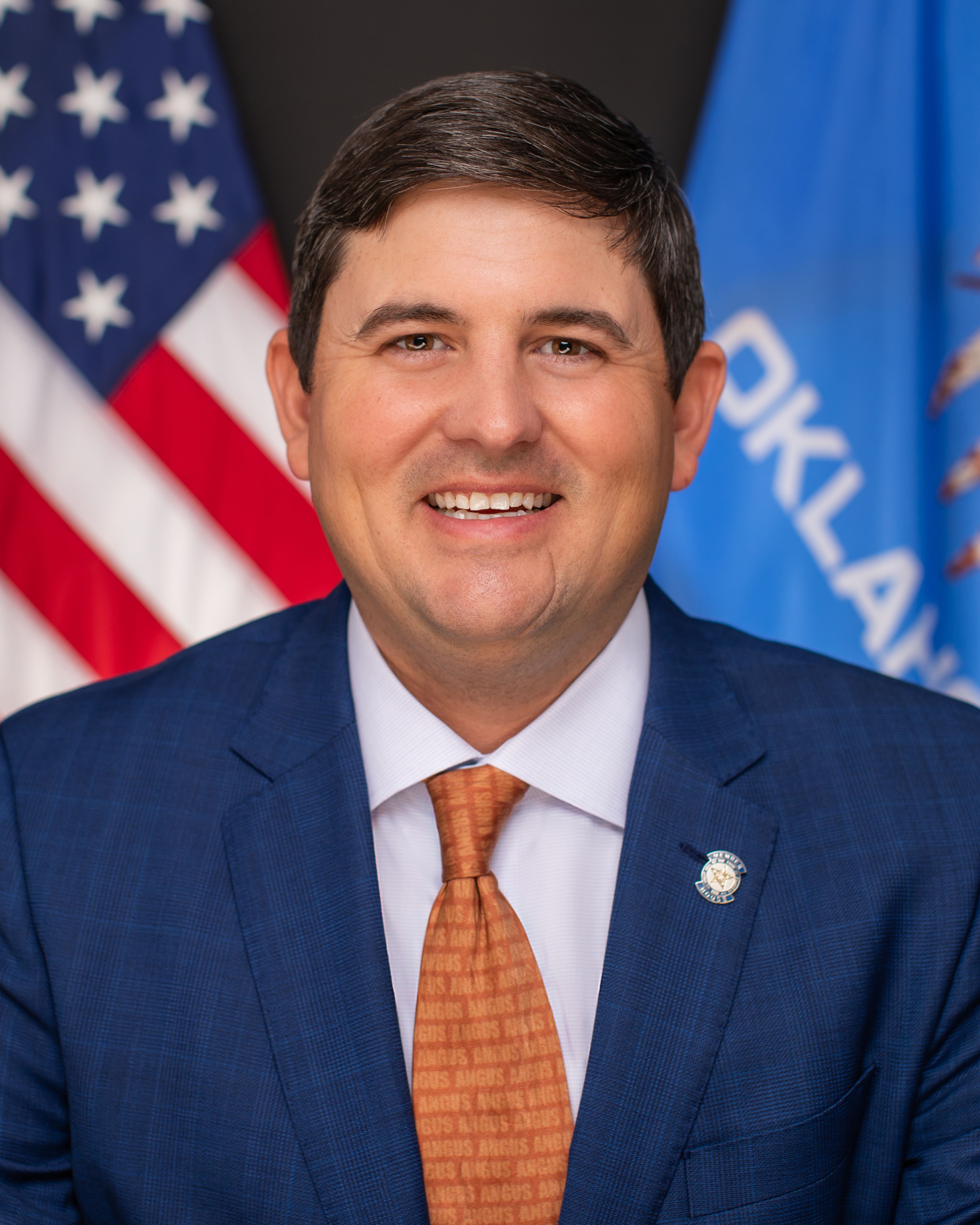
Brenda Stanley
97% support rate
Top opponent
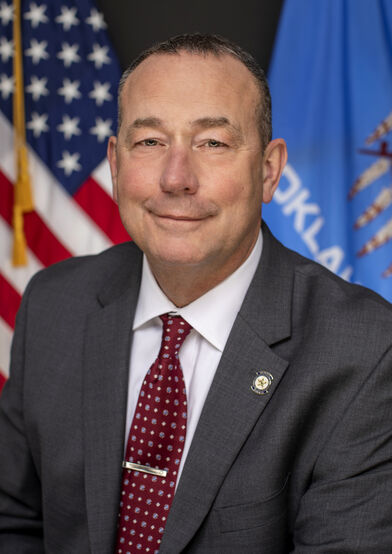
Shane Jett
16% support rate
Ranked legislators
10
5 support · 5 oppose
Key legislators

Who's moving healthcare in Oklahoma

Legislators moving healthcare in Oklahoma
Legislator Party Stance Support rate Votes
Brenda Stanley
Brenda Stanley Senate · District 42
R
Strong +
97% 214
John Pfeiffer
John Pfeiffer House · District 38
R
Strong +
96% 186
Lonnie Paxton
Lonnie Paxton Senate · District 23
R
Strong +
96% 173
Aaron Reinhardt
Aaron Reinhardt Senate · District 37
R
Strong +
96% 250
Kelly Hines
Kelly Hines Senate · District 47
R
Strong +
96% 181
Shane Jett
Shane Jett Senate · District 17
R
Strong −
16% 216
Molly Jenkins
Molly Jenkins House · District 33
R
Strong −
17% 206
Dusty Deevers
Dusty Deevers Senate · District 32
R
Strong −
19% 208
Rick West
Rick West House · District 3
R
Strong −
20% 201
Jim Shaw
Jim Shaw House · District 32
R
Oppose
20% 204
Showing 51–60 of 547 bills

All healthcare bills

in committee · Oklahoma · House Feb 9, 2026

HB 3390: Home and Community Based programs; Oklahoma Department of Human Services; rating system; inspection reports; substantiated complaints; administrator information; annual updates; effective date.

HB 3390 requires the Oklahoma Department of Human Services to update its Provider Search website to include specific information about Home and Community Based programs, directly affecting agencies providing Advantage Waiver, Living Choice, Medically Fragile Waiver, and State Plan Personal Care services. The website must display a rating system, inspection reports, substantiated complaints, administrator details, and a link to report issues to the State Department of Health. Agencies must update their information annually to maintain accuracy on the site. The bill takes effect November 1, 2026.
died · Oklahoma · House Feb 17, 2026

HB 3714: Amyotrophic Lateral Sclerosis; appropriations; Barbara Weber Amyotrophic Lateral Sclerosis (ALS) Grant Program; amount and purpose; funding; effective date; emergency.

HB 3714 appropriates $1,000,000 from Oklahoma's General Revenue Fund for the Barbara Weber ALS Grant Program during the 2026-2027 fiscal year. The funds will support the Oklahoma State Department of Health in administering grants to assist individuals diagnosed with Amyotrophic Lateral Sclerosis (ALS). The bill authorizes the use of these funds to cover program operations but does not establish new eligibility criteria or services. It becomes effective July 1, 2026, and includes an emergency clause for immediate implementation. This is a funding authorization for an existing program, not a new policy.
Sub-Topics Revenue
in committee · Oklahoma · Senate Feb 3, 2026

SB 1709: Firearms; conforming statutory reference. Effective date.

SB 1709 amends Oklahoma's Class D2 criminal offenses to include 12 abortion-related violations, such as performing an abortion without a license, after the first trimester, or on an unemancipated minor. The bill specifies that these abortion offenses will be punished under their original statutes (not standard Class D2 penalties), while other Class D2 offenses (like escape or assault) follow standard sentencing. It repeals Section 1289.18 of the Oklahoma Statutes, which previously referenced the Oklahoma Firearms Act of 1971 - a reference now deemed inconsistent. The bill takes effect November 1, 2026, and directly affects individuals convicted of these specific abortion-related crimes. Note: Despite its title referencing firearms, the bill’s content is solely about abortion criminalization.
Sub-Topics Women's Health
signed · Oklahoma · Senate May 13, 2026

SB 1562: Hospice; specifying certain penalties; defining term. Effective date.

SB 1562 updates Oklahoma's hospice care regulations by requiring hospices to coordinate services with patients' primary physicians and community providers, maintain 24/7 care availability, and provide bereavement support. It specifies penalties for hospices or employees who knowingly solicit patients from other hospices, including fines of $500-$2,000 per violation, and prohibits contracting with providers holding a conditional license within 18 months. The bill also clarifies that advertising and marketing are permitted if not false, misleading, or tied to referral volume. These changes apply directly to all hospice providers licensed in Oklahoma, aiming to improve care coordination and prevent unethical practices.
passed both · Oklahoma · Senate May 12, 2025

SB 331: Schools; creating the Emerson Kate Cole Act; requiring a school employee to call 911 if Epinephrine is administered to a student; requiring certain training. Effective date. Emergency.

SB 331, the Emerson Kate Cole Act, requires Oklahoma school employees to call 911 immediately after administering Epinephrine to a student experiencing an allergic reaction. It also mandates schools to notify parents or guardians when a student has a possible allergic reaction and to provide annual training for teachers and staff on recognizing anaphylaxis and using Epinephrine. The law amends existing school medication policies to clarify procedures for handling allergic emergencies and ensures staff are trained on emergency response. This directly affects students with severe allergies, school employees, and school districts across Oklahoma.
passed · Oklahoma · House Apr 7, 2026

HB 2144: Insurance; Insurance Consumers Protection Act; cause of action; bad faith; damages; jury; effective date.

HB 2144 creates a new legal cause of action for Oklahoma insurance policyholders and third parties who suffer unreasonable delays or denials of benefits by insurers, defining "bad faith" as violating an insurer’s duty of good faith and fair dealing. It prohibits insurers from including clauses reserving discretion to interpret policies or deny claims, eliminates the need to exhaust administrative remedies before suing, and guarantees jury trials for bad faith claims. The bill applies to all insurance policies issued in Oklahoma (including health, disability, and employee benefits), directly affecting insured individuals, businesses, and third parties who rely on insurance contracts. Key provisions clarify that insurers must pay valid claims promptly, and claimants can seek damages for unreasonable refusals or delays without first appealing to the Oklahoma Insurance Department.
Sub-Topics Insurance
in committee · Oklahoma · Senate Feb 3, 2026

SB 1513: Water quality; prohibiting political subdivisions from taking certain action. Emergency.

SB 1513 prohibits local governments (like cities or counties) and businesses from adding specific fluoride compounds to public water supplies. It bans three chemicals used in water fluoridation: fluorosilicic acid, sodium fluorosilicate, and sodium fluoride. The Oklahoma Department of Environmental Quality must create rules to enforce this prohibition. The bill takes immediate effect due to an emergency declaration.
in committee · Oklahoma · House Feb 11, 2026

HB 3928: Vision insurance; reimbursements; Medicare or Medicaid; non-Medicare reimbursements; charges; services; ophthalmic materials; nonaffiliated labs or frame vendors; effective date.

HB 3928 requires vision insurers to reimburse optometrists for covered services at no less than the 60th percentile of local usual and customary rates, as determined by an independent data source. It prohibits insurers from reducing payments for materials (like frames, lenses, and contacts) when increasing service payments, unless the change applies uniformly to all providers. The bill also mandates that insurers disclose average reimbursement rates for both affiliated and independent providers, and prevents insurers from penalizing providers for using nonaffiliated labs or vendors that meet credentialing standards. These changes directly affect optometrists, vision insurers, and patients using vision insurance plans in Oklahoma.
in committee · Oklahoma · Senate Feb 3, 2026

SB 1737: Schools; prohibiting public school districts from offering a sex education class or program. Effective date. Emergency.

SB 1737 prohibits Oklahoma public school districts from offering any sex education class or program. It removes existing statutory requirements that previously allowed districts to provide such instruction (under specific abstinence-focused guidelines) and eliminates parental opt-out procedures for sex education. The bill amends Oklahoma statutes (25 O.S. § 2003 and 70 O.S. § 11-105.1) to delete language about developing sex education policies, curriculum approval, and parental inspection rights related to sex education. This directly affects public school districts, students, and parents by preventing the provision of formal sex education in Oklahoma schools.
Sub-Topics Curriculum
signed · Oklahoma · House May 11, 2026

HB 3016: Schools; Binocular Vision Screening Pilot Program; eye disorders; students in kindergarten, first, or third grades; State Department of Education; State Department of Health; comprehensive binocular vision screenings; Binocular Screening Revolving Fund; effective date; emergency.

HB 3016 requires Oklahoma schools to provide binocular vision screenings for students in kindergarten, first, and third grades to identify convergence insufficiency (a vision disorder affecting near focus). Screenings, conducted within 30 days of the school year start by trained school nurses or vision professionals, must be performed in addition to existing vision screenings. The bill establishes a Binocular Screening Revolving Fund in the state treasury to cover program costs using state appropriations, which must supplement - rather than replace - current school vision funding. The program begins in the 2026-2027 school year.
Sub-Topics K-12 Education
Showing 51 to 60 of 547 bills
Previous 1 5 6 7 55 Next