Issue · Healthcare

Healthcare

Every healthcare bill, vote, and legislator stance in Oklahoma, automatically classified by Maddy, our AI policy reader.

Total bills
547
2026 Regular Session
Top supporter
Brenda Stanley
97% support rate
Top opponent
Shane Jett
16% support rate
Ranked legislators
10
5 support · 5 oppose
Key legislators

Who's moving healthcare in Oklahoma

Legislators moving healthcare in Oklahoma
Legislator Party Stance Support rate Votes
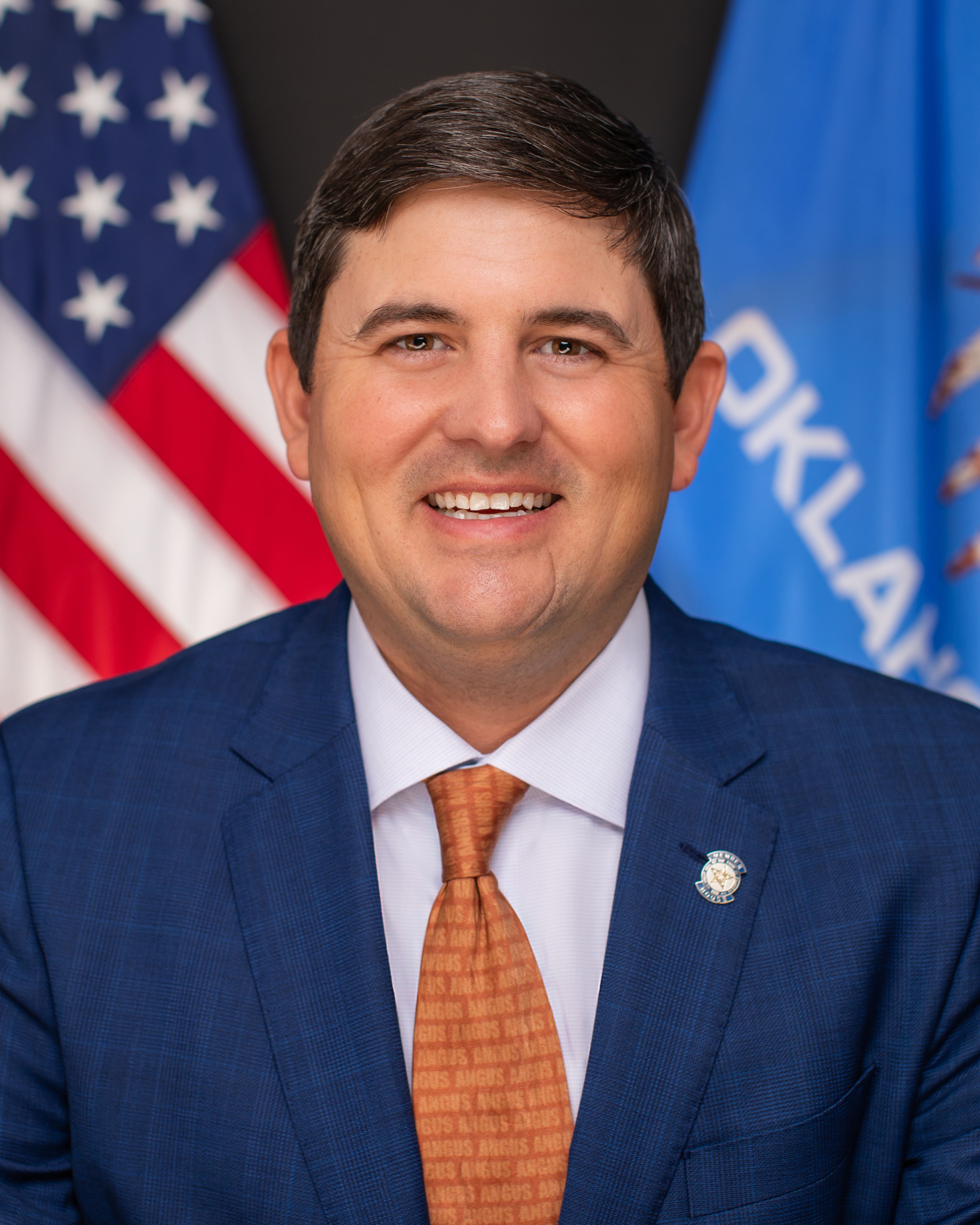
Brenda Stanley
Brenda Stanley Senate · District 42
R
Strong +
97% 214
John Pfeiffer
John Pfeiffer House · District 38
R
Strong +
96% 186
Lonnie Paxton
Lonnie Paxton Senate · District 23
R
Strong +
96% 173
Aaron Reinhardt
Aaron Reinhardt Senate · District 37
R
Strong +
96% 250
Kelly Hines
Kelly Hines Senate · District 47
R
Strong +
96% 181
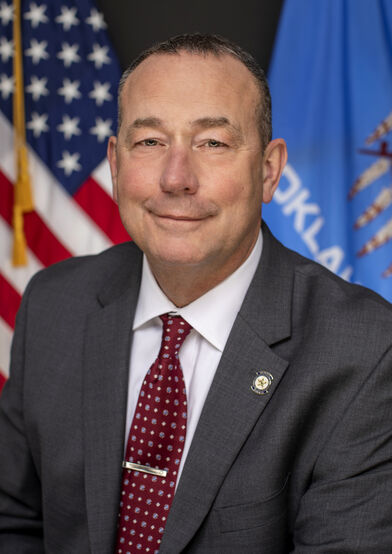
Shane Jett
Shane Jett Senate · District 17
R
Strong −
16% 216
Molly Jenkins
Molly Jenkins House · District 33
R
Strong −
17% 206
Dusty Deevers
Dusty Deevers Senate · District 32
R
Strong −
19% 208
Rick West
Rick West House · District 3
R
Strong −
20% 201
Jim Shaw
Jim Shaw House · District 32
R
Oppose
20% 204
Showing 61–70 of 547 bills

All healthcare bills

signed · Oklahoma · House May 14, 2025

HB 1811: Insurance; chronic conditions; validity period; prior authorization; inpatient; non-inpatient; timeframe; effective date.

HB 1811 changes Oklahoma insurance rules for chronic condition care. It requires insurers to keep prior authorizations valid for six months for non-inpatient treatments (like outpatient care) and 14 days for inpatient acute care. For ongoing inpatient stays, insurers must approve extensions within 72 hours or continue paying providers; they cannot use stricter criteria than the initial approval. The law does not require coverage for conditions already excluded from policies.
in committee · Oklahoma · House Feb 19, 2026

HB 3886: Nursing homes; notice of violation and right to hearing; Nursing Home Care Act; State Department of Health; personnel to remain on site; effective date.

HB 3886 requires Oklahoma's State Department of Health to provide nursing homes with written notices of violations, detailing the specific rule or standard breached and the facility's obligation to submit a correction plan within 10 working days. The bill mandates that health personnel remain on-site during emergencies (like life-endangering situations) until a facility's "Plan of Removal" is accepted. It also establishes clear procedures for facilities to dispute violations through informal resolution or formal hearings, and requires exit conferences where facilities can discuss preliminary findings before final reports are issued. This bill directly affects licensed nursing homes operating under Oklahoma's Nursing Home Care Act, enhancing transparency and due process in regulatory enforcement.
Sub-Topics Long-Term Care
signed · Oklahoma · Senate May 6, 2026

SB 1567: Practice of nursing; modifying restriction on supervision fees for Advanced Practice Registered Nurses; prohibiting certain requirements by the Oklahoma Board of Nursing. Effective date.

SB 1567 modifies Oklahoma's rules for Advanced Practice Registered Nurses (APRNs) by allowing supervising physicians to charge reasonable fees for oversight services, requiring these fees to be disclosed in written agreements and based on fair market value. The bill prohibits the Oklahoma Board of Nursing from imposing fees for maintaining supervision agreements or related administrative tasks. It also mandates that supervision agreements include specific details like fee structures, scope of practice, emergency plans, and alternate physician designations. This directly affects APRNs who rely on physician supervision and supervising physicians, streamlining oversight requirements while ensuring transparency in fee arrangements.
in committee · Oklahoma · Senate Feb 3, 2026

SB 2020: Parental rights; granting certain rights and protections to parent or legal guardian; modifying disclosure requirements; authorizing certain civil actions. Effective date.

SB 2020 strengthens parental access to information about minor children by modifying Oklahoma's medical, educational, and counseling privacy laws. It removes minors' ability to block parents from accessing confidential communications with healthcare providers (amending 12 O.S. §2503) and clarifies parental rights to review school records, direct education, and make healthcare decisions (amending 25 O.S. §2002). The bill also revises medical treatment laws (63 O.S. §2602) to limit when minors can consent to treatment without parental involvement and updates disclosure rules for counselors (59 O.S. §§1910, 1939). These changes directly affect parents, legal guardians, and minors under 18 in healthcare, education, and counseling settings.
in committee · Oklahoma · Senate Feb 3, 2026

SB 1483: Civil liability; making vaccine manufacturer liable under certain conditions; directing certain relief. Effective date.

SB 1483 makes vaccine manufacturers legally responsible to individuals harmed by vaccines they advertise in Oklahoma. It defines "advertise" broadly to include paid promotions (like social media or influencer deals) but excludes standard provider-patient discussions. If a manufacturer advertises a vaccine in Oklahoma and that vaccine causes injury, the affected person can sue within three years of the injury. A successful plaintiff would receive actual damages, court costs, and attorney fees.
in committee · Oklahoma · Senate Feb 3, 2026

SB 1508: End-of-life care; creating the Compassionate Access to Medical Marijuana Act; requiring health care facilities to permit medical marijuana use by certain patients. Effective date.

SB 1508, the Compassionate Access to Medical Marijuana Act, requires licensed Oklahoma health care facilities to permit medical marijuana use by patients with a terminal illness (expected to live one year or less) who hold a valid state medical marijuana license. Facilities must prohibit smoking/vaping, document use in medical records, enforce locked storage, and develop written guidelines, but cannot be required to recommend marijuana or include it in discharge plans. The bill excludes emergency departments and does not alter existing state marijuana laws or federal scheduling restrictions. It takes effect November 1, 2026.
in committee · Oklahoma · Senate Feb 3, 2026

SB 1785: State government; creating the Citizen's Bill of Rights. Emergency.

SB 1785, the "Citizen's Bill of Rights," prohibits Oklahoma government and businesses from forcing digital payment systems without alternatives, monitoring spending habits, or denying services based on personal characteristics like race or political views. It guarantees citizens' rights to use gold/silver as currency, opt out of medical procedures (including vaccines), choose energy sources without tracking, maintain personal gardens or rainwater collection, and avoid social credit scores. The bill specifically restricts entities from using digital identification for travel or employment restrictions, tracking carbon usage, or penalizing personal agricultural practices. It applies to all state and federal government entities, businesses, and their agents operating in Oklahoma. The law aims to prevent coercion in financial, medical, energy, and personal freedom decisions while requiring publication of AI-related reports.
signed · Oklahoma · Senate May 13, 2026

SB 1555: Medicaid home- and community-based services; modifying certain definition. Effective date.

SB 1555 updates Oklahoma's Medicaid definitions for "individual with intellectual disability" and "developmental disability" to align with current standards. It raises the age for disability manifestation from 18 to 22 years, refines IQ criteria (e.g., requiring scores below 70 or 71-75 with specific scoring), and revises adaptive skill areas to match Social Security Administration guidelines for daily living skills. These changes directly affect Medicaid eligibility for individuals seeking home- and community-based services under Oklahoma Statutes §1406-1424. The bill ensures existing Medicaid recipients as of September 1, 1991, remain eligible, and the Department of Human Services may expand services for underserved individuals within available resources. The updated definitions take effect November 1, 2026.
Sub-Topics Medicaid Tags People with Disabilities
passed · Oklahoma · House Apr 1, 2026

HB 3976: Hospitals; Rural and Small Hospital Grant Program; Rural and Small Hospital Grant Revolving Fund; codification; effective date.

HB 3976 establishes a grant program under Oklahoma's State Department of Health to help rural and small hospitals open new facilities or keep existing ones open by funding infrastructure, equipment, or technology needs. Hospitals applying must contribute at least 20% of project costs through cash or in-kind donations. The program will be funded through a new revolving fund in the state treasury, which replenishes itself and can be used continuously without annual budget limits.
Sub-Topics Hospitals
in committee · Oklahoma · Senate Feb 3, 2026

SB 1658: Health care; creating the Informed Consent and Medical Transparency Act; imposing certain duties on drug manufacturers, hospitals, and health care providers. Effective date.

SB 1658, the Informed Consent and Medical Transparency Act, requires drug manufacturers to create plain-language summaries of serious side effects for all drugs distributed in Oklahoma and provide these summaries to the State Board of Pharmacy, hospitals, and healthcare providers. Hospitals and providers must give patients these summaries before prescribing or administering drugs, document adverse events in medical records, and report them to the State Board within 10 business days. The bill also establishes civil liability for negligence in compliance, allowing patients to sue for damages and requiring discovery to prioritize transparency. It becomes effective November 1, 2026, and explicitly states it does not override federal drug approval requirements.
Sub-Topics Prescription Drugs
Showing 61 to 70 of 547 bills
Previous 1 6 7 8 55 Next