Issue · Healthcare

Healthcare

Every healthcare bill, vote, and legislator stance in Oklahoma, automatically classified by Maddy, our AI policy reader.

Total bills
547
2026 Regular Session
Top supporter
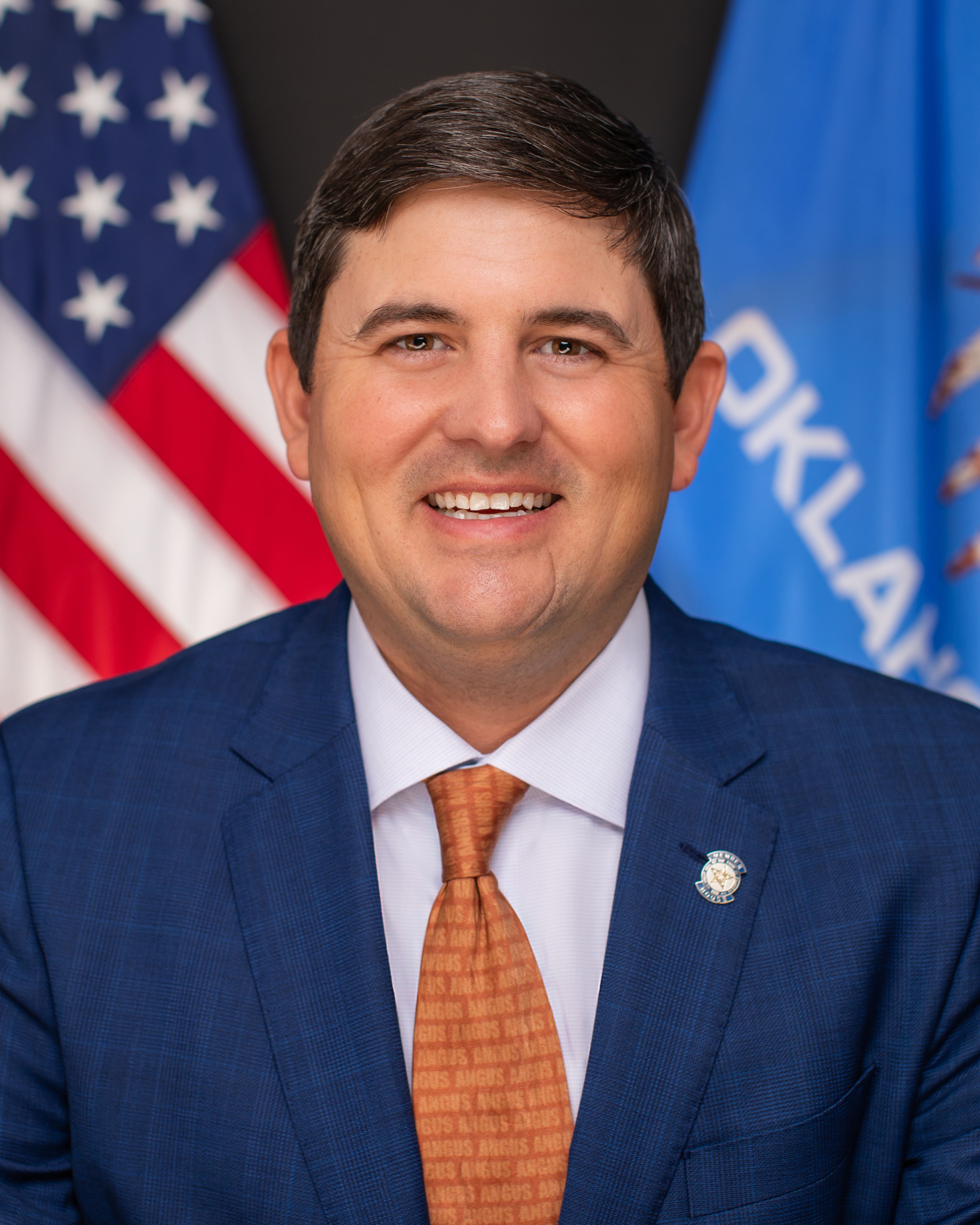
Brenda Stanley
97% support rate
Top opponent
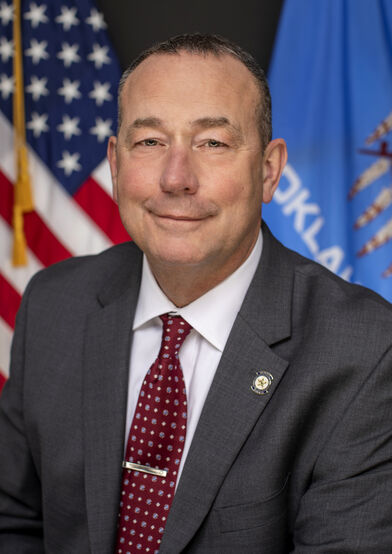
Shane Jett
16% support rate
Ranked legislators
10
5 support · 5 oppose
Key legislators

Who's moving healthcare in Oklahoma

Legislators moving healthcare in Oklahoma
Legislator Party Stance Support rate Votes
Brenda Stanley
Brenda Stanley Senate · District 42
R
Strong +
97% 214
John Pfeiffer
John Pfeiffer House · District 38
R
Strong +
96% 186
Lonnie Paxton
Lonnie Paxton Senate · District 23
R
Strong +
96% 173
Aaron Reinhardt
Aaron Reinhardt Senate · District 37
R
Strong +
96% 250
Kelly Hines
Kelly Hines Senate · District 47
R
Strong +
96% 181
Shane Jett
Shane Jett Senate · District 17
R
Strong −
16% 216
Molly Jenkins
Molly Jenkins House · District 33
R
Strong −
17% 206
Dusty Deevers
Dusty Deevers Senate · District 32
R
Strong −
19% 208
Rick West
Rick West House · District 3
R
Strong −
20% 201
Jim Shaw
Jim Shaw House · District 32
R
Oppose
20% 204
Showing 71–80 of 547 bills

All healthcare bills

in committee · Oklahoma · Senate Feb 3, 2026

SB 2017: Public health; prohibiting administration of gene-based vaccines until certain date. Emergency.

SB 2017 prohibits healthcare providers in Oklahoma from administering gene-based vaccines for infectious diseases (using mRNA, modified mRNA, self-amplifying mRNA, or DNA technology) until June 1, 2030. This directly affects doctors, clinics, and hospitals that currently provide such vaccines, excluding those used for cancer or genetic disorders. Violations carry a misdemeanor fine of up to $500 per incident and potential licensing board action. The bill takes immediate effect due to an emergency declaration.
passed · Oklahoma · House Apr 1, 2026

HB 4329: Dental insurance claims; dental plans; definition; effective date.

HB 4329 modifies Oklahoma law to clarify dental insurance claim processes. It defines "covered services" as those reimbursable under a subscriber agreement, regardless of deductibles or waiting periods. The bill requires dental plans to establish appeal procedures for denied claims based on medical necessity and mandates that written denial notices include the reviewing dentist's license details and contact information. This directly affects dentists and dental insurance plans in Oklahoma by standardizing claim denial processes and improving transparency. The law takes effect November 1, 2026.
in committee · Oklahoma · Senate Feb 3, 2026

SB 2141: Agriculture and environmental protection; creating the Oklahoma PFAS-Safe Biosolids and Farmland Protection Act. Effective date.

SB 2141 creates Oklahoma's "PFAS-Safe Biosolids and Farmland Protection Act" to regulate the land application of biosolids (treated sewage sludge) and septage on farmland. It requires mandatory PFAS testing before application using EPA Method 1633, establishes four tiered concentration limits (from unrestricted use at <20μg/kg to prohibition at >100μg/kg), and mandates that generators share test results and tier information with landowners before application. The bill directly affects wastewater treatment facilities (generators), farmers receiving land application, and the Oklahoma Department of Environmental Quality (enforcement). Landowners must provide written consent acknowledging PFAS data, and records must be kept for 10 years, with additional safeguards for food crops and sensitive areas.
Sub-Topics Drinking Water
in committee · Oklahoma · House Feb 3, 2026

HB 3485: School employees; Larry Dickerson Education Flexible Benefits Allowance Act; expanding coverage to dependents; linking flexible benefit allowance amounts to state employee amounts; effective date; emergency.

HB 3485 expands health benefit coverage under Oklahoma's Larry Dickerson Education Flexible Benefits Allowance Act to include more dependents of school district employees, such as unmarried children under 25 (regardless of residence) or dependents with pre-25 disabilities. It links the flexible benefit allowance amounts to the state employee benefit rates and updates funding mechanisms to ensure school districts receive state funds based on employee and dependent counts. The bill requires school districts to offer cafeteria plans covering health insurance options, with allowances credited directly to employees for purchasing coverage or received as taxable pay. This affects certified and support personnel (e.g., teachers, bus drivers, janitors) and their eligible dependents across Oklahoma public and technology school districts.
in committee · Oklahoma · Senate Feb 24, 2026

SB 2165: Child support; authorizing support under certain circumstances. Effective date.

SB 2165, the "Child Support Upon Conception Act," would allow mothers to seek court-ordered child support based on verified pregnancy, requiring medical proof of gestation and paternity testing before any support is awarded. It establishes temporary pre-birth support for pregnancy-related medical expenses, prenatal care, and living costs necessary for maternal and fetal health, continuing until birth when standard post-birth support begins. The bill treats the unborn child as having legal standing under Oklahoma's Children's Code, granting rights to protective orders and custody proceedings while requiring paternity verification. The bill is pending in the Oklahoma Senate Judiciary Committee after its introduction on February 2, 2026.
Sub-Topics Women's Health
in committee · Oklahoma · House Feb 3, 2026

HB 3599: Medicaid; Oklahoma Health Care Authority; waiver; state plan amendment; expansion in cost-sharing; effective date.

HB 3599 requires Oklahoma's Medicaid program to implement a $35 copayment per service for Medicaid expansion enrollees (individuals covered under the expanded Medicaid program) starting November 1, 2026. The bill mandates this cost-sharing under federal guidelines, prohibits reducing copayments below $35 for nonemergency emergency department visits, and caps total annual cost-sharing at 5% of a family's quarterly income. It directs the Oklahoma Health Care Authority to file the necessary waiver or amendment by January 1, 2027, to enact these changes. This policy directly affects Medicaid expansion recipients by adding a new cost-sharing requirement for routine care.
Sub-Topics Medicaid
died · Oklahoma · House Feb 12, 2026

HB 3387: Revenue and taxation; sales tax; exemption; prescription eyeglasses; contacts; effective date; emergency.

HB 3387 would amend Oklahoma's sales tax code to add prescription eyeglasses and contact lenses to the list of items exempt from sales tax. This change specifically affects consumers purchasing these items with a valid prescription, expanding an existing exemption for prescription drugs (covered under Section 1357, paragraph 9). The bill modifies the tax code to explicitly include these vision care products under the same exemption as prescription medications. It does not alter tax rates or create new administrative requirements, simply extending the current exemption to cover these items.
Sub-Topics Procurement Sales Tax
in committee · Oklahoma · Senate Feb 3, 2026

SB 1547: Medicaid; specifying certain condition of eligibility. Effective date.

SB 1547 requires Oklahoma Medicaid recipients to meet a community engagement requirement (as defined by federal law 42 U.S.C. §1396a(xx)) to maintain eligibility, unless exempt under that federal provision. The Oklahoma Health Care Authority Board must create rules to implement this requirement, replacing the previous eligibility rules in Section 1011.15 of state law. This bill directly affects individuals enrolled in Oklahoma's Medicaid program who must fulfill community engagement activities to continue receiving benefits. The change takes effect January 1, 2027, aligning Oklahoma's Medicaid program with a specific federal eligibility condition.
Sub-Topics Medicaid
in committee · Oklahoma · Senate Feb 3, 2026

SJR 34: Constitutional amendment; prohibiting certain acts related to abortion; imposing certain duty on health care providers; granting certain immunities.

SJR 34 is a proposed constitutional amendment that would prohibit most abortions in Oklahoma by defining "abortion" as intentionally terminating an unborn person's life from conception. It requires healthcare providers to attempt live births when a medical condition threatens the mother's life, making every reasonable effort to preserve both lives. Violating this prohibition would be classified as first-degree murder, and the amendment grants criminal immunity to providers who meet the reasonable effort standard, while allowing civil lawsuits with $10,000+ per violation and attorney fees. The amendment explicitly excludes contraceptive use before pregnancy detection and permits medical procedures for live birth, ectopic pregnancy care, or miscarriage management.
Sub-Topics Women's Health
passed · Oklahoma · Senate Apr 8, 2026

SB 2044: Practice of chiropractic; creating certain exception for imposing penalties. Effective date.

SB 2044 amends Oklahoma's chiropractic practice law to expand educational requirements for chiropractors and establish new standards for injectable procedures. It requires chiropractors performing injections to complete specific training and certification, modifying existing penalty grounds for violations. The bill also clarifies rules for animal chiropractic care, defining it as spinal manipulation for nonhuman vertebrates while prohibiting x-rays, surgery, or medication administration. These changes directly affect licensed chiropractors in Oklahoma, particularly those seeking to offer injectable treatments or provide animal care services.
Showing 71 to 80 of 547 bills
Previous 1 7 8 9 55 Next