Issue · Healthcare

Healthcare

Every healthcare bill, vote, and legislator stance in Oklahoma, automatically classified by Maddy, our AI policy reader.

Total bills
547
2026 Regular Session
Top supporter
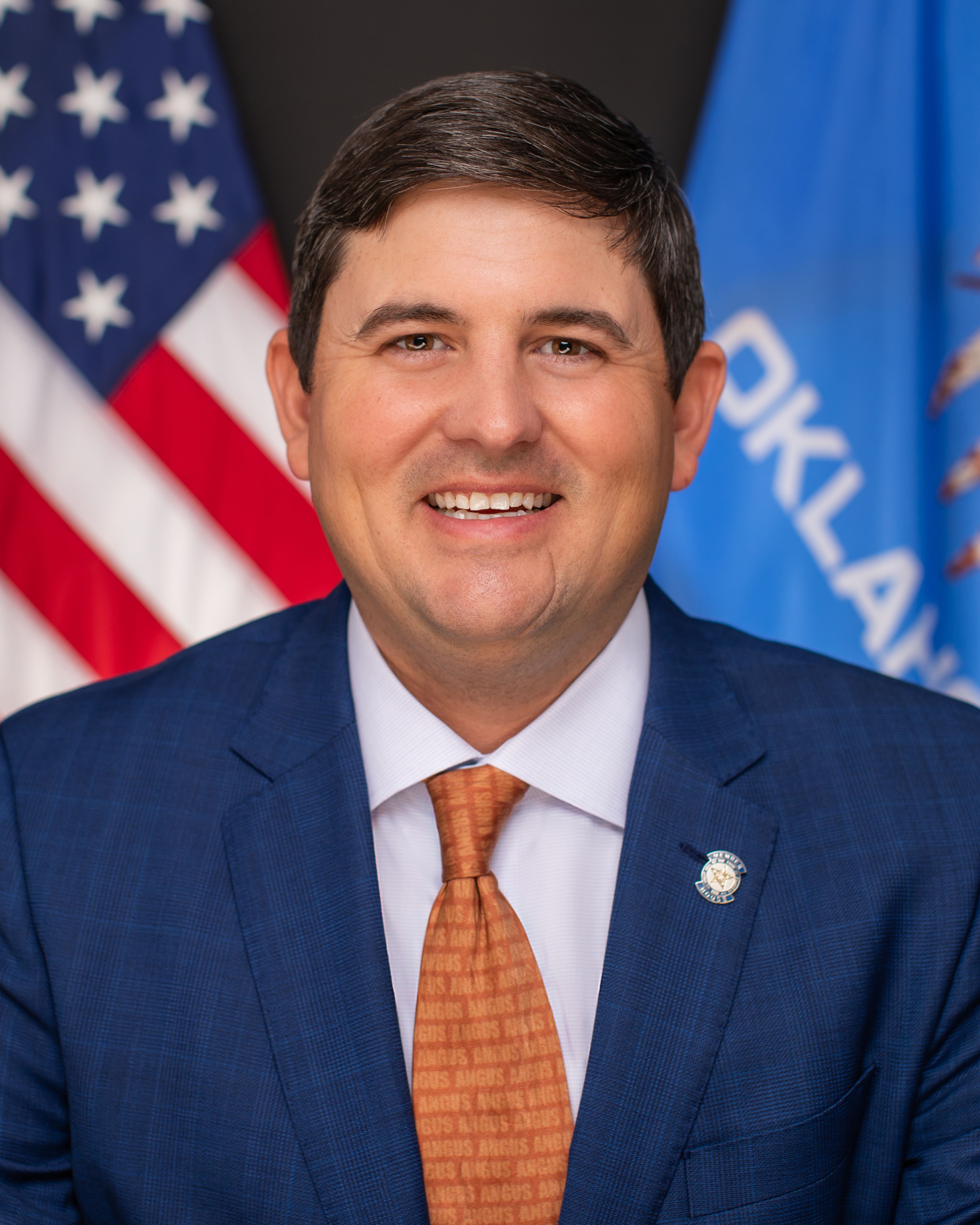
Brenda Stanley
97% support rate
Top opponent
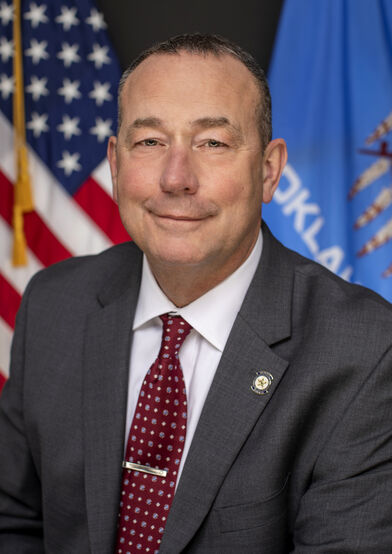
Shane Jett
16% support rate
Ranked legislators
10
5 support · 5 oppose
Key legislators

Who's moving healthcare in Oklahoma

Legislators moving healthcare in Oklahoma
Legislator Party Stance Support rate Votes
Brenda Stanley
Brenda Stanley Senate · District 42
R
Strong +
97% 214
John Pfeiffer
John Pfeiffer House · District 38
R
Strong +
96% 186
Lonnie Paxton
Lonnie Paxton Senate · District 23
R
Strong +
96% 173
Aaron Reinhardt
Aaron Reinhardt Senate · District 37
R
Strong +
96% 250
Kelly Hines
Kelly Hines Senate · District 47
R
Strong +
96% 181
Shane Jett
Shane Jett Senate · District 17
R
Strong −
16% 216
Molly Jenkins
Molly Jenkins House · District 33
R
Strong −
17% 206
Dusty Deevers
Dusty Deevers Senate · District 32
R
Strong −
19% 208
Rick West
Rick West House · District 3
R
Strong −
20% 201
Jim Shaw
Jim Shaw House · District 32
R
Oppose
20% 204
Showing 171–180 of 547 bills

All healthcare bills

in committee · Oklahoma · Senate Feb 3, 2026

SB 1568: Public health; creating the Oklahoma Parental Decision-Making and Hepatitis B Immunization Act of 2026; specifying certain restrictions on hepatitis B vaccine. Effective date.

SB 1568 changes Oklahoma's hepatitis B vaccination policy for newborns by removing the requirement for hospitals to administer a birth dose within 12 hours to all infants. It specifically allows parents of infants born to hepatitis B-negative mothers to delay or decline the birth dose through shared decision-making with healthcare providers, without penalty or impact on child welfare. Hospitals must now provide information about ACIP recommendations and obtain informed consent before administering any hepatitis B vaccine, while still requiring immediate vaccination for infants born to hepatitis B-positive mothers or those with unknown status. The bill aligns state law with current CDC guidelines and ensures hepatitis B vaccination can occur in any licensed clinical setting, not just hospitals.
Sub-Topics Public Health
in committee · Oklahoma · Senate Feb 3, 2026

SB 1563: Nonopioid drugs; modifying certain restrictions on Medicaid drug formulary; prohibiting certain carriers from imposing specified utilization controls. Effective date.

SB 1563 prevents Oklahoma Medicaid and state employee health plans from applying stricter coverage rules to nonopioid pain medications than to opioids. It requires that FDA-approved nonopioid drugs for pain management cannot face more restrictive prior authorization or step therapy requirements than opioid options. The law applies to all Medicaid formularies and state flexible benefit plans, ensuring nonopioid drugs aren't disadvantaged in coverage decisions. It takes effect January 1, 2027.
in committee · Oklahoma · Senate Feb 9, 2026

SB 1634: Schools; prohibiting the State Department of Education from accepting federal funds provided for certain purpose; requiring review of certain contracts. Effective date. Emergency.

SB 1634 prohibits Oklahoma's State Department of Education from accepting federal funds intended to expand school-based health care services or establish health centers. It requires the Department to review and terminate existing contracts related to such services, and mandates school districts to do the same. The bill also directs a review of individualized education programs (IEPs) to remove medical services not deemed educationally necessary, replacing them with Section 504 plans if appropriate. These changes directly affect public schools, charter schools, and the State Department of Education in how they manage health-related services under federal funding and student plans. The law takes effect July 1, 2026.
Sub-Topics Student Health
in committee · Oklahoma · Senate Feb 3, 2026

SB 1947: Oklahoma Employees Insurance and Benefits Act; authorizing opt out options for certain persons; requiring employees to receive certain funds in lieu of flexible benefit amount. Effective date.

SB 1947 allows Oklahoma state employees to opt out of the state's basic health plan if they have separate health insurance or belong to a health care sharing ministry (HCSM). Employees with separate insurance receive $150 monthly instead of the flexible benefit amount, while HCSM members retain their full benefit. The bill amends state law to require proof of coverage and an annual affidavit for opt-outs, with the state retaining any savings from employees opting out. This policy change directly affects active state employees enrolled in the Oklahoma Employees Insurance and Benefits Program.
Sub-Topics Insurance
died · Oklahoma · House Feb 11, 2026

HB 4176: Civil procedure; statute of limitations for medical malpractice; extending to three years; effective date.

HB 4176 extends the time limit for filing medical malpractice lawsuits in Oklahoma from two years to three years. It directly affects patients who suffered injury or death due to medical care and wish to sue a physician, hospital, or health care provider. The bill changes the rule so that for cases arising on or after November 1, 2026, plaintiffs have three years from when they reasonably discovered the injury to file a lawsuit, instead of the current two-year limit. This change applies to cases based on tort, contract, or other claims related to patient care. The bill takes effect on November 1, 2026.
Sub-Topics Hospitals
in committee · Oklahoma · Senate Feb 3, 2026

SB 1654: Mobile integrated healthcare; directing establishment of mobile integrated healthcare program; requiring certain reimbursement. Effective date.

SB 1654 requires health care benefit plans (like insurance companies) to reimburse mobile integrated healthcare (MIH) providers at specific rates. For non-transport treatments, plans must pay at least the state Medicaid program's minimum rate. For MIH providers who transport patients to alternative destinations (e.g., clinics instead of hospitals), reimbursement must match basic or advanced life support rates based on patient needs. This applies to all MIH suppliers and affects how health plans cover these services in Oklahoma. The bill directs the Oklahoma Health Care Authority to establish the reimbursement methodology.
Sub-Topics Medicaid
in committee · Oklahoma · House Feb 3, 2026

HB 3597: State welfare benefits; eligibility; immigrants; food stamps; Medicaid; effective date.

HB 3597 prohibits unauthorized immigrants (defined as individuals without proper legal documentation, including those who entered without inspection or overstayed visas) from receiving food stamp benefits or Medicaid/SooonerCare coverage in Oklahoma. The bill amends state statutes to explicitly ban these benefits for such individuals under all circumstances, with penalties for knowingly assisting them. It aligns Medicaid eligibility requirements with federal SNAP work rules but excludes Insure Oklahoma and specific exempt populations. The law takes effect November 1, 2026.
in committee · Oklahoma · Senate Feb 18, 2026

SB 1421: Mental health; requiring nonphysical intervention training for certain facilities and programs. Effective date.

SB 1421 requires all clinical staff, direct care staff, and volunteers working with minor children in Oklahoma mental health facilities or programs certified by the Department of Mental Health and Substance Abuse Services to complete nonphysical intervention training. The training covers nonviolent conflict resolution, communication skills, and promoting dignity, and must be completed within 30 days of hire with annual updates. Staff or volunteers cannot intervene with a minor child without this training. The bill takes effect November 1, 2026, applying to facilities receiving state funding through contracts with the Department.
in committee · Oklahoma · Senate Feb 12, 2026

SB 1727: Social media; authorizing certain cause of action against social media companies; establishing criteria to recover certain damages; authorizing certain rebuttable presumption. Effective date.

SB 1727 allows minors under 18 or their parents to sue social media companies if a diagnosed mental health issue (like anxiety or depression) was caused by the minor’s excessive use of algorithmically curated platforms - those using engagement-driving features like autoplay, endless scrolling, or push notifications. To win, plaintiffs must prove the mental health condition resulted from the excessive use, but courts must assume causation unless the company shows it implemented safety measures. Social media companies can avoid liability by limiting minors’ daily use to 3 hours, blocking access between 10:30 p.m. and 6:30 a.m., requiring parental consent, and disabling engagement features for minors. If liability is found, plaintiffs can recover $10,000 per incident or actual damages, plus attorney fees.
in committee · Oklahoma · Senate Feb 3, 2026

SB 1650: Long-term care; requiring assisted living centers to post certain assisted living center bill of rights. Effective date.

SB 1650 requires all assisted living centers in Oklahoma to prominently display a "bill of rights" specific to the center and its staff. This bill of rights outlines 12 key provisions, including the center's right to be treated with respect, to terminate resident contracts under defined conditions (like health or safety risks), and to file grievances without fear of retaliation. The law applies to all assisted living facilities under Oklahoma’s Continuum of Care Act and takes effect on November 1, 2026. It focuses on clarifying operational rights for facilities, not altering resident protections.
Sub-Topics Long-Term Care
Showing 171 to 180 of 547 bills
Previous 1 17 18 19 55 Next