Issue · Healthcare

Healthcare

Every healthcare bill, vote, and legislator stance in Oklahoma, automatically classified by Maddy, our AI policy reader.

Total bills
547
2026 Regular Session
Top supporter
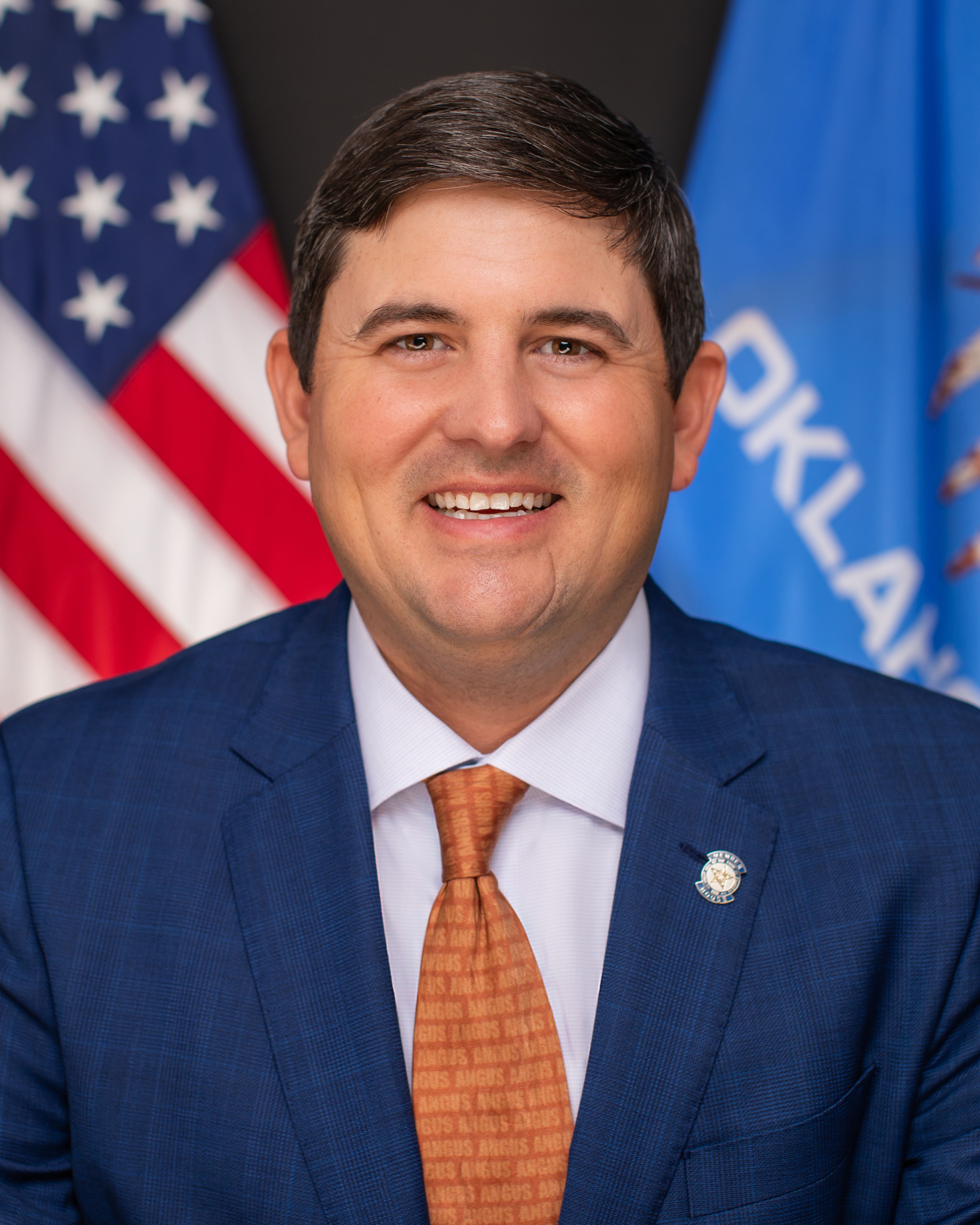
Brenda Stanley
97% support rate
Top opponent
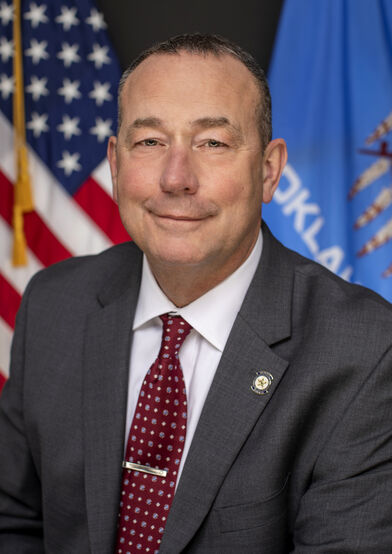
Shane Jett
16% support rate
Ranked legislators
10
5 support · 5 oppose
Key legislators

Who's moving healthcare in Oklahoma

Legislators moving healthcare in Oklahoma
Legislator Party Stance Support rate Votes
Brenda Stanley
Brenda Stanley Senate · District 42
R
Strong +
97% 214
John Pfeiffer
John Pfeiffer House · District 38
R
Strong +
96% 186
Lonnie Paxton
Lonnie Paxton Senate · District 23
R
Strong +
96% 173
Aaron Reinhardt
Aaron Reinhardt Senate · District 37
R
Strong +
96% 250
Kelly Hines
Kelly Hines Senate · District 47
R
Strong +
96% 181
Shane Jett
Shane Jett Senate · District 17
R
Strong −
16% 216
Molly Jenkins
Molly Jenkins House · District 33
R
Strong −
17% 206
Dusty Deevers
Dusty Deevers Senate · District 32
R
Strong −
19% 208
Rick West
Rick West House · District 3
R
Strong −
20% 201
Jim Shaw
Jim Shaw House · District 32
R
Oppose
20% 204
Showing 161–170 of 547 bills

All healthcare bills

in committee · Oklahoma · Senate Feb 3, 2026

SB 1661: Blood donation; requiring blood service systems to comply with certain physician orders; requiring hospitals to allow certain blood donations. Effective date.

SB 1661 requires blood service systems (like blood banks) to follow doctors' orders for autologous or direct blood donations - where patients donate their own blood before a scheduled procedure. It allows blood services to charge a reasonable fee to cover administrative costs for processing these donations. Hospitals must permit patients to donate their own blood directly for an upcoming medical procedure when a physician orders it. This bill directly affects patients needing pre-procedure blood donations, doctors ordering such donations, and blood services/hospitals managing the process.
passed · Oklahoma · House Apr 1, 2026

HB 3975: Department of Health; Oklahoma Rural Health Transformation Program; partner agencies; reporting requirements; Oklahoma Rural Health Transformation Revolving Fund; memoranda of understanding; codification; emergency.

HB 3975 establishes the Oklahoma Rural Health Transformation Program (ORHT) to manage federal funds for rural health initiatives, designating the Oklahoma State Department of Health (ODH) as the lead agency responsible for overseeing these funds and reporting to state officials. The bill creates an Oklahoma Rural Health Transformation Revolving Fund to hold federal funds, requiring ODH to submit annual reports to state leaders and quarterly public updates on fund expenditures and project progress. It mandates ODH to align program outcomes with federal reporting requirements to ensure proper oversight of funds received through the Centers for Medicare and Medicaid Services (CMS).
Sub-Topics Medicaid Medicare
in committee · Oklahoma · Senate Feb 3, 2026

SB 1951: Reproductive health and fertility; creating the Reproductive Empowerment and Support Through Optimal Restoration (RESTORE) Act. Effective date.

SB 1951, the RESTORE Act, establishes a framework to improve access to restorative reproductive medicine (RRM) for Oklahomans with reproductive health conditions like endometriosis, PCOS, and infertility. It requires the State Department of Health to collect data on these conditions, mandate healthcare facilities to provide specific RRM services, and allocate funds for related programs and provider training. The bill defines RRM as approaches that restore natural reproductive physiology rather than suppress or bypass it, distinguishing it from assisted reproductive technologies like IVF. It directly affects patients with diagnosed reproductive conditions and healthcare providers by setting new service, data, and training requirements.
Sub-Topics Women's Health
in committee · Oklahoma · Senate Feb 3, 2026

SB 1822: Medical marijuana licenses; authorizing certain research license; requiring promulgation of certain rules. Effective date.

SB 1822 creates a new research license for the Oklahoma Medical Marijuana Authority to study patient-reported outcomes related to medical marijuana use. It authorizes research institutions, healthcare organizations, licensed cannabis businesses, and private research companies to conduct studies on how medical marijuana affects health conditions. Licensees must pay a $500 nonrefundable fee, and the Authority must establish rules for licensing, compliance, and reporting. The bill takes effect November 1, 2026, and focuses solely on enabling research, not expanding patient access or product availability.
signed · Oklahoma · Senate May 5, 2026

SB 1645: Medicaid; establishing certain requirements and procedures for audits of providers; directing establishment of certain appeals. Effective date.

SB 1645 establishes new rules for auditing long-term care providers (like nursing homes and Medicaid home-care agencies) under Oklahoma's Medicaid program. It requires the Oklahoma Health Care Authority to give providers 1 week's notice before audits, limits audits to 50 claims or 0.25% of annual claims, and prohibits holding providers liable for simple clerical errors (like typos) as fraud. Providers must be allowed 60 days to correct claims after an audit, and recoupments (recovery of overpaid funds) can only apply to corrected claims, not original billing errors. The bill also creates a two-step appeals process, allowing providers to challenge audit results through the Authority and then to an administrative law judge.
passed · Oklahoma · House Apr 23, 2026

HB 3345: Inmate assessment and evaluations; providing risk, mental health and substance abuse screenings for arrested persons; effective date.

HB 3345 requires mandatory mental health, substance abuse, and risk screenings for individuals arrested on felony charges in Oklahoma after their initial court appearance. These screenings, conducted by certified professionals from the Department of Mental Health, must be shared with courts, prosecutors, defendants, and their attorneys. Results cannot be used as evidence in criminal trials unless the defendant waives this right, but may inform sentencing or diversion options. The law takes effect November 1, 2026.
in committee · Oklahoma · Senate Feb 3, 2026

SB 1938: Vaccines; creating the Oklahoma DNA/RNA-Based Vaccine Safety and Sovereignty Act; providing certain civil and criminal penalties. Effective date.

SB 1938, the Oklahoma DNA/RNA-Based Vaccine Safety and Sovereignty Act, prohibits the use, sale, and distribution of DNA/RNA-based vaccines (including mRNA vaccines) for humans, animals, and agricultural products within Oklahoma, even during emergencies. It imposes civil penalties of $50,000 per violation for unauthorized administration and criminal penalties of up to $250,000 and 10 years in prison for intentional violations. Affected individuals can file private lawsuits for damages, and whistleblowers reporting violations may receive up to 30% of collected fines. The law, effective November 1, 2026, applies to all entities operating in Oklahoma, including healthcare providers and manufacturers.
vetoed · Oklahoma · Senate May 5, 2026

SB 2007: Pharmacy Benefit Managers; requiring PBM to remit certain fees. Effective date.

SB 2007 requires pharmacy benefit managers (PBMs) in Oklahoma to pay administrative fees to pharmacies when they adjust reimbursement rates for the same drug within 30 days after a successful appeal. Specifically, if a PBM increases reimbursement based on an appeal but then lowers it again for the same drug within 30 days, the PBM must pay $100 immediately, escalating to $500 after 90 days or $1,000 after 180 days if unpaid. The bill directly affects pharmacies and PBMs by mandating these fee payments for disputed reimbursements, ensuring providers aren’t financially penalized for legitimate appeal outcomes. It also includes other provisions like weekly MAC price updates and requirements for PBMs to provide clear documentation during reimbursement disputes. The law takes effect November 1, 2026.
Sub-Topics Prescription Drugs
died · Oklahoma · Senate Mar 2, 2026

SB 1566: Medicaid; modifying requirements and procedures related to applied behavior analysis treatment for autism spectrum disorder. Effective date.

This bill changes Oklahoma Medicaid rules for autism treatment coverage. It requires a diagnosis of autism spectrum disorder by specific licensed providers (like neurologists, developmental pediatricians, or psychologists) to qualify for applied behavior analysis (ABA) therapy. The bill prohibits Medicaid from requiring re-diagnoses after an initial diagnosis and mandates in-person ABA services while allowing remote supervision via telehealth. It directly affects Oklahoma Medicaid recipients with autism spectrum disorder seeking ABA therapy.
Sub-Topics Medicaid Telehealth
in committee · Oklahoma · Senate Feb 18, 2026

SB 1591: Medical marijuana; limiting certain THC amounts in certain products and packages. Emergency.

SB 1591 limits THC content in medical marijuana edibles, capping individual products at 10 milligrams of THC and packages at 100 milligrams. It also requires packaging to minimize appeal to children, prohibits targeting under-21s with imagery, and mandates specific warning labels (e.g., "For use by licensed patients only," "Keep out of reach of children"). The bill directly affects medical marijuana processors and dispensaries by setting these product standards and requiring monthly reporting on production and sales. It does not change patient access or recreational use, focusing solely on safety and labeling for medical products.
Showing 161 to 170 of 547 bills
Previous 1 16 17 18 55 Next