

Issue · Budget & Taxes
Budget & Taxes (Revenue)
Every budget & taxes bill, vote, and legislator stance in Oklahoma, automatically classified by Maddy, our AI policy reader.
Total bills
118
2026 Regular Session
Top supporter
Mike Lay
100% support rate
Top opponent
Justin Humphrey
10% support rate
Ranked legislators
10
5 support · 5 oppose
Key legislators
Who's moving revenue in Oklahoma
| Legislator | Party | Stance | Support rate | Votes |
|---|---|---|---|---|
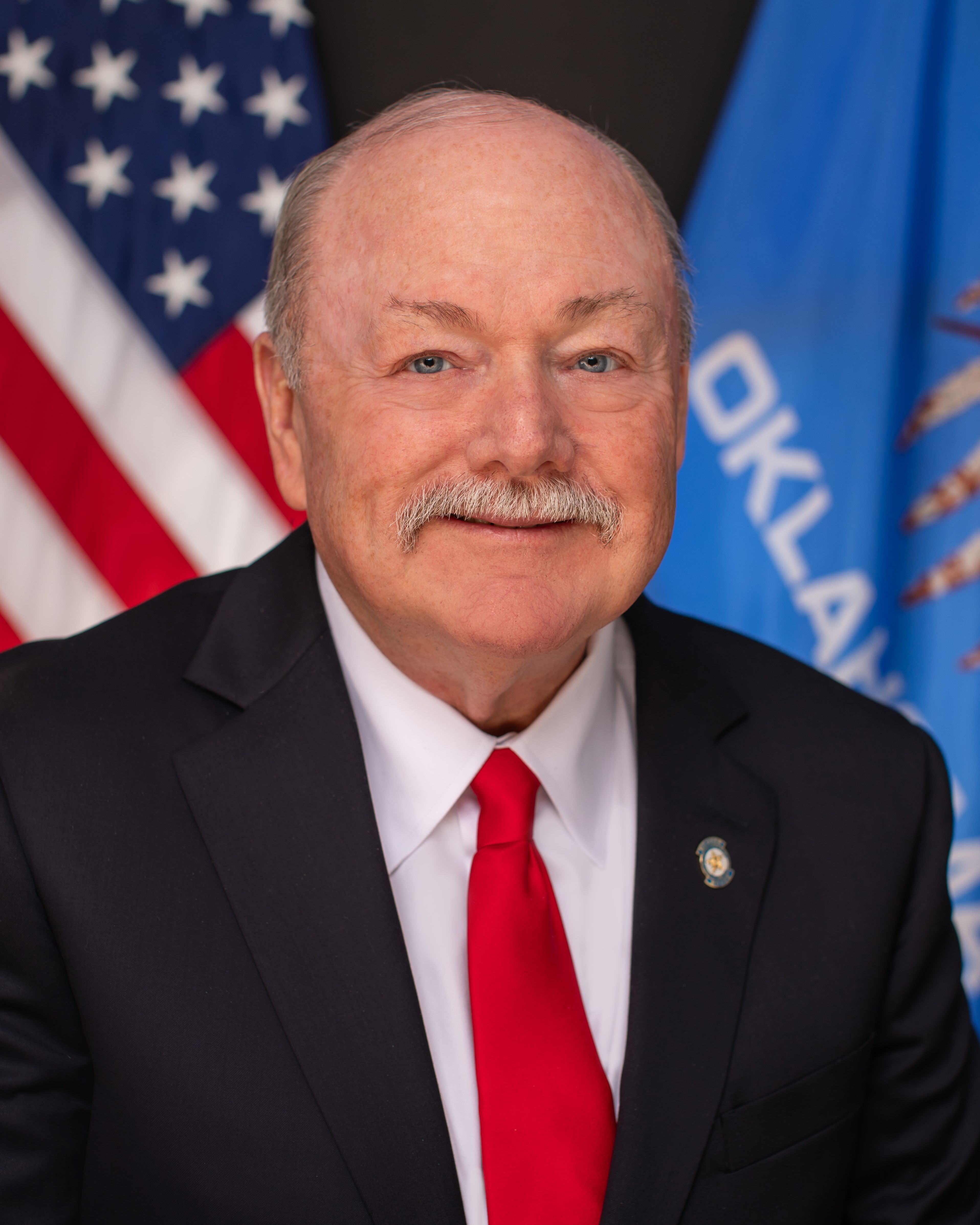
Mike Lay
House · District 68
|
R |
Strong +
|
100% | 28 |
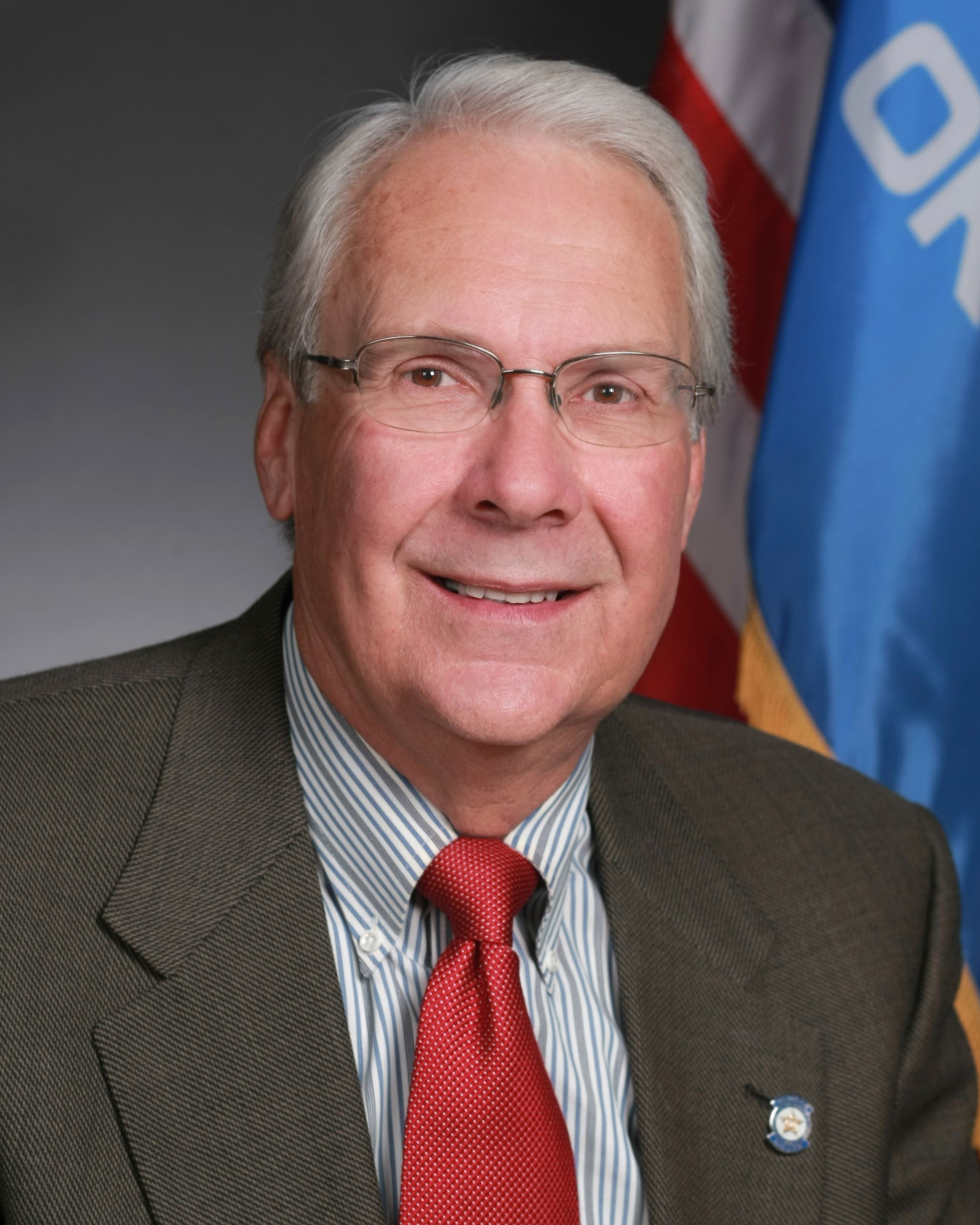
Rande Worthen
House · District 64
|
R |
Strong +
|
100% | 27 |

Chris Kannady
House · District 91
|
R |
Strong +
|
100% | 12 |
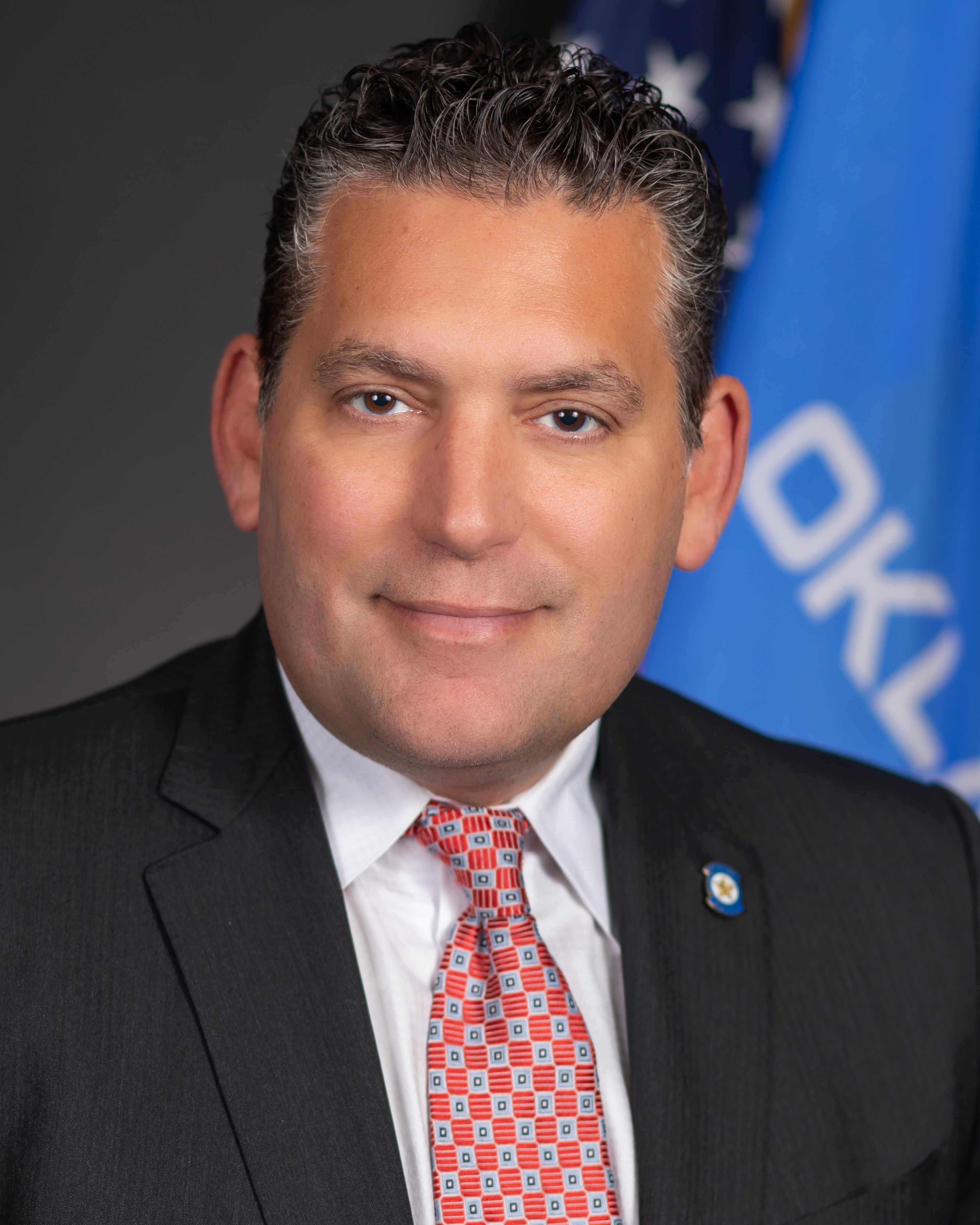
Mark Tedford
House · District 69
|
R |
Strong +
|
100% | 12 |
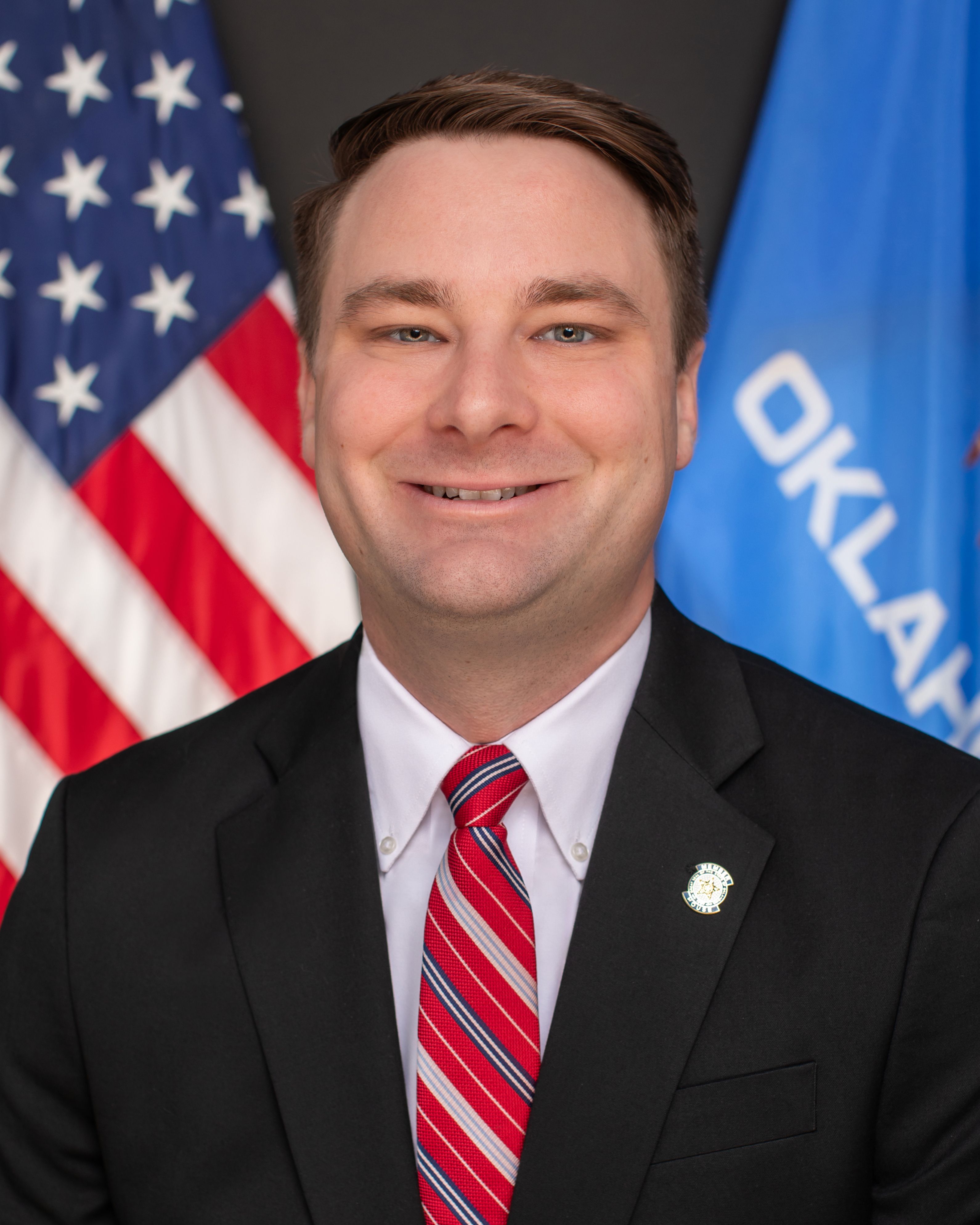
Kyle Hilbert
House · District 29
|
R |
Strong +
|
100% | 3 |

Justin Humphrey
House · District 19
|
R |
Strong −
|
10% | 21 |

Shane Jett
Senate · District 17
|
R |
Strong −
|
18% | 40 |

Tom Gann
House · District 8
|
R |
Strong −
|
18% | 28 |

Jim Shaw
House · District 32
|
R |
Strong −
|
19% | 26 |

Molly Jenkins
House · District 33
|
R |
Strong −
|
19% | 26 |
Showing 81–90 of 118
bills
All budget & taxes bills
SB 1166: Oklahoma Department of Agriculture, Food, and Forestry; requiring portions of certain appropriated funds be used for certain purposes. Effective date. Emergency.
HB 1128: Appropriations; State Department of Education; amount and purpose; effective date; emergency.
Topics
✓ Budget & TaxesSupports Budget & TaxesAllocates $12M from General Revenue Fund to expand school counselor program, directly increasing public education funding under state budget.
✓ EducationSupports EducationAllocates $12M to expand school counselor program, directly supporting public school staffing needs and student access to counseling services.
✓ HealthcareSupports HealthcareExpands school counseling services, directly supporting mental health access in educational settings per topic description.
✓ Labor & EmploymentSupports Labor & EmploymentAllocates $12M to hire/retain school counselors, directly funding employment positions in education sector, aligning with employment support indicators.
HB 1460: Criminal procedure; fees; fines; court; sentencing; revolving fund; effective date.
Topics
✓ Budget & TaxesSupports Budget & TaxesAdds $10 and $150 fees to fund CLEET Training Center, General Revenue, and law enforcement revolving funds, increasing state revenue streams for budget allocation.
✓ Criminal JusticeSupports Criminal JusticeAdds fees funding forensic services (OSBI) and law enforcement training (CLEET), strengthening operational capacity within criminal justice system.
SB 1183: Appropriations; making an appropriation to the Department of Human Services. Emergency.
SB 1138: Appropriations; making an appropriation to the Department of Human Services. Emergency.
SB 126: Department of Transportation; making an appropriation. Effective date. Emergency.
Topics
✓ Budget & TaxesSupports Budget & TaxesAppropriates $2M from General Revenue Fund for transportation infrastructure, increasing state budget allocation for public service projects.
✓ TransportationSupports TransportationAllocates $2M to DOT for transportation access improvements in industrial zones, directly funding infrastructure enhancements.
SB 1134: Oklahoma State University Medical Authority; making an appropriation; stating purpose. Effective date. Emergency.
Topics
✓ Budget & TaxesSupports Budget & TaxesAllocates $100k from General Revenue to Oklahoma Health Care Authority for essential duties, funding a public service program.
✓ HealthcareSupports HealthcareAllocates $100,000 to Oklahoma Health Care Authority for fiscal year 2026, directly funding public health authority operations without policy changes.
SB 1154: Appropriations; making an appropriation to the Oklahoma Department of Agriculture, Food, and Forestry. Emergency.
HB 2176: State revenue administration; medical marijuana taxation; procedures; effective date.
Topics
✓ Budget & TaxesSupports Budget & TaxesCreates 7% medical marijuana tax, allocates 59.23% of revenue to public schools and 6.15% to drug rehab programs, directly funding public services.
✓ Criminal JusticeSupports Criminal JusticeBill allocates 6.15% of medical marijuana tax revenue to drug rehabilitation programs, directly funding a key criminal justice reform initiative to reduce recidivism.
✓ EducationSupports EducationBill allocates $65M annually to public school funding (59.23% of revenue), directly increasing education funding per summary.
✓ HealthcareSupports HealthcareAllocates 6.15% of medical marijuana tax revenue to drug rehabilitation programs, directly funding public health initiatives under healthcare topic.